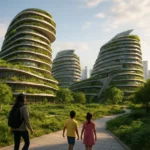



The evolution of architectural paradigms is accelerating toward self-sufficient, energy-generating edifices that defy conventional boundaries. By merging cutting-edge engineering with ecological sensitivity, tomorrow’s buildings will not only consume but also contribute to the power grid. This exploration delves into the guiding principles, breakthrough technologies, urban synergies, and the looming challenges shaping the era of Energy-Positive Buildings.
Design Principles for Energy-Positive Futures
At the core of every Energy-Positive structure lies a set of foundational tenets that reshape how we conceive and execute built environments. Embracing sustainable materials, passive strategies, and seamless integration of power systems ensures that buildings become active contributors to the surrounding ecosystem.
- Orientation and Massing: Optimizing solar exposure and wind patterns reduces thermal loads. Strategic massing fosters natural ventilation and daylighting.
- Envelope Performance: High-performance insulation, triple-glazed windows, and flexible shading devices create airtight barriers while adapting to dynamic climates.
- Material Innovation: Locally sourced, low-carbon composites and bio-based panels minimize embodied energy. Advanced phase-change materials regulate interior temperatures without mechanical input.
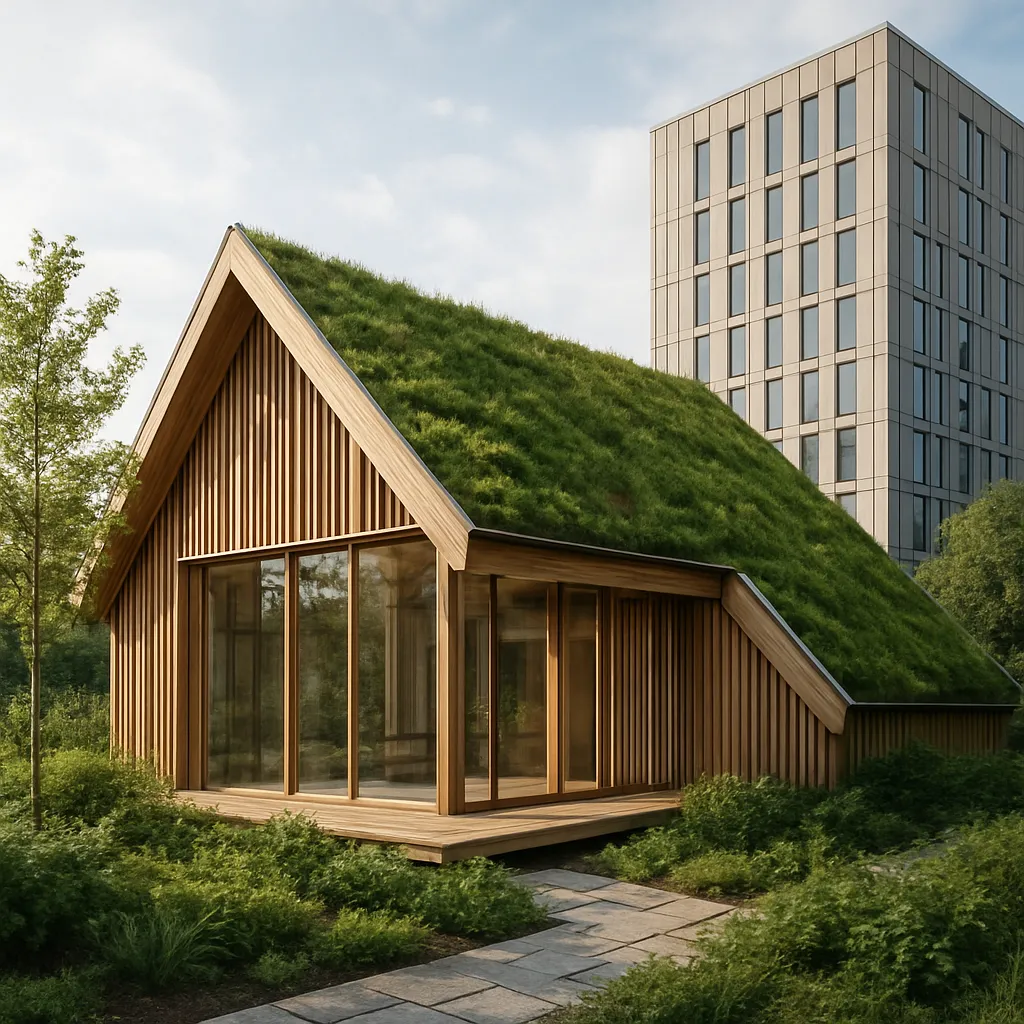
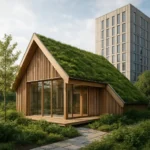
- Integrated Systems: Combining geothermal loops, green roofs, and rainwater harvesting transforms buildings into resilient ecosystems capable of microclimate control.
These principles underscore a shift from isolated structures to interconnected energy nodes. Architects and engineers collaborate on holistic solutions that marry form, function, and power production.
Technological Innovations Driving Auto-Sufficient Structures
Photovoltaic Landscapes
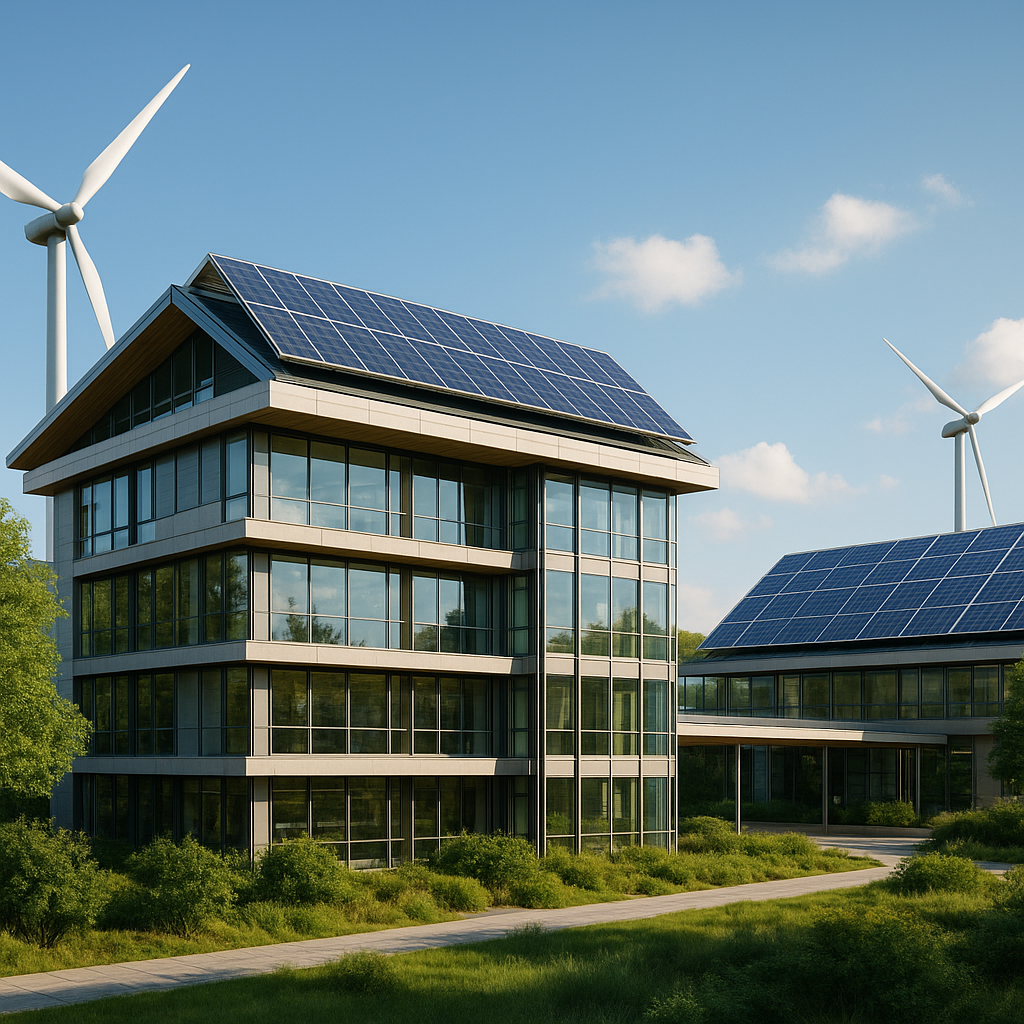
Solar technology has transcended rigid panels to embrace dynamic surfaces. Thin-film photovoltaic membranes can be laminated onto curved facades, turning façades into expansive energy harvesters. Innovations in perovskite cells promise higher conversion efficiencies while retaining lightweight flexibility. Integrating transparent solar glass into window units empowers skyscrapers to generate electricity without sacrificing daylight.
Embedded Energy Storage
Next-generation batteries are being woven directly into structural elements. Carbon-based supercapacitors and solid-state cells installed within wall cavities and floor slabs store surplus power. This distributed storage network enhances building resilience, ensuring uninterrupted operation during grid failures or peak demand periods. Furthermore, smart management algorithms orchestrate charge-discharge cycles, extending battery lifespan and maximizing return on investment.
Adaptive Smart Systems
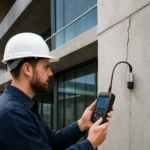
Artificial intelligence and IoT ecosystems coordinate every aspect of building operation. Sensors detect occupancy, weather conditions, and energy usage in real time. Machine-learning models predict consumption patterns and adjust heating, ventilation, and lighting to achieve net-zero or net-positive balances. These smart control systems foster occupant comfort while minimizing waste, turning every room into an energy-efficient microclimate.
Urban Integration and Community Impact
Energy-Positive Buildings do not exist in isolation; they become active hubs within a broader urban energy network. District-level microgrids link multiple structures through bi-directional power flows, creating a resilient tapestry of renewable generation and storage.
- Community Microgrids: Neighbourhood-scale grids share surplus solar output and battery reserves among residential, commercial, and public facilities.
- District Heating and Cooling: Waste heat from data centers or industrial processes is captured and distributed via insulated pipelines, raising overall system efficiency.
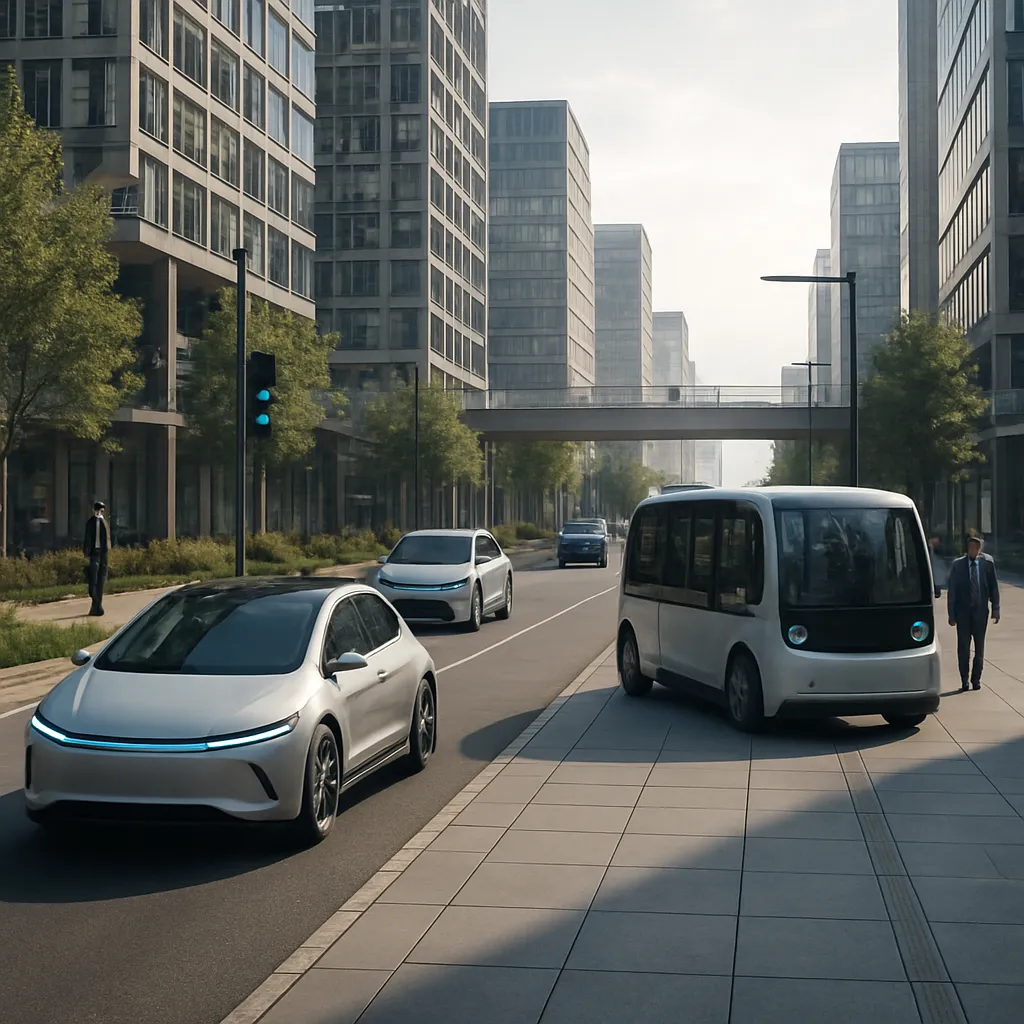
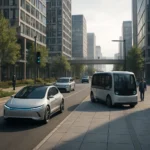
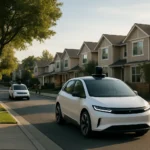
- Vehicle-to-Grid Integration: Electric vehicles serve as mobile batteries that engage with building systems, smoothing demand spikes and providing additional storage capacity.
By fostering a spirit of synergy and resource sharing, urban districts can collectively exceed conventional energy targets. Public spaces equipped with charging stations, green corridors, and renewable kiosks reinforce community engagement while supporting a decentralized energy economy.
Challenges and Future Outlook
Despite remarkable progress, several obstacles demand attention before Energy-Positive Building concepts become ubiquitous. The upfront capital costs of high-performance materials and integrated power systems remain a barrier for many developers. Retrofitting existing structures to this standard also challenges traditional construction methods and regulatory frameworks.
Policy incentives, net-metering schemes, and green financing models play a crucial role in bridging this gap. Standardized performance metrics and certification programs will foster market confidence and streamline approvals. Meanwhile, ongoing research into renewable composites, advanced grid management, and carbon-negative building methods promises to lower costs and expand feasibility.
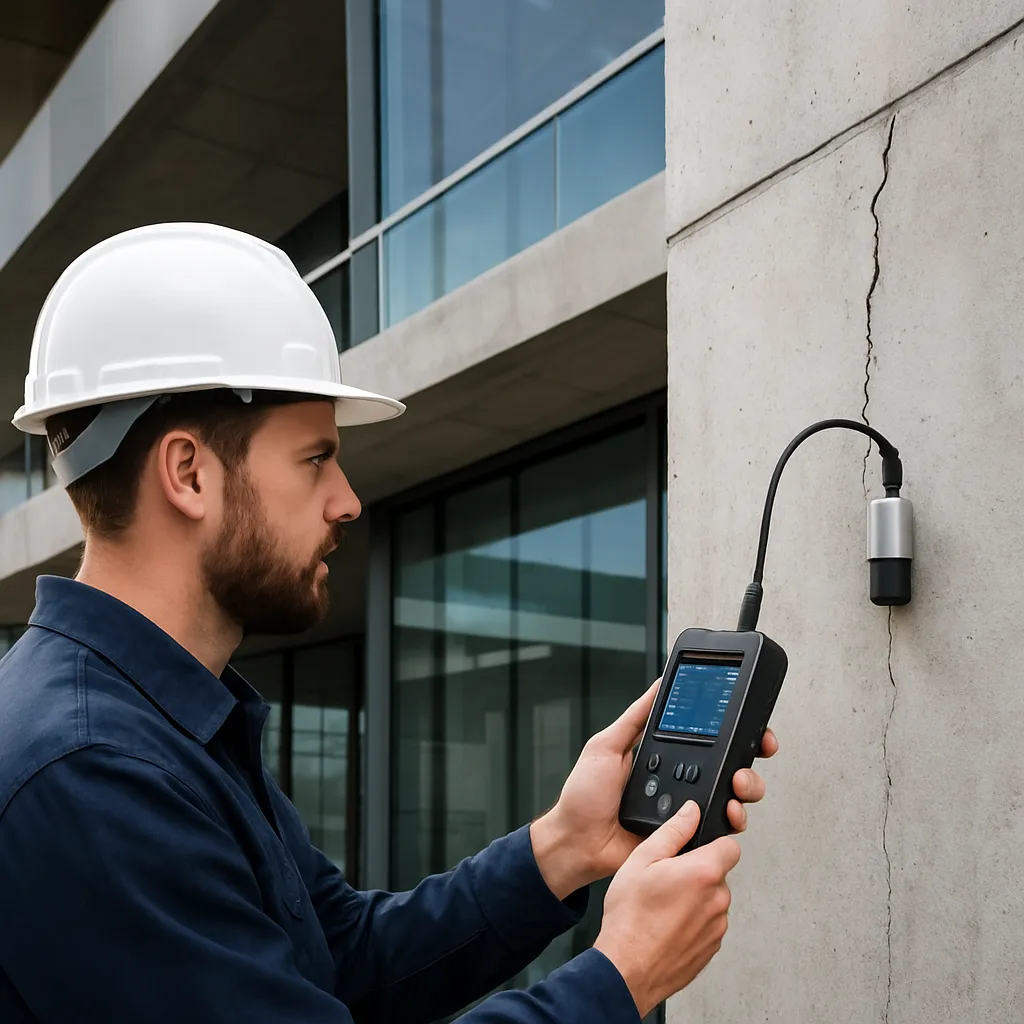
Looking ahead, the convergence of biotechnology, robotics, and advanced computational design will yield buildings that learn and evolve over their lifetimes. Bio-responsive skins, self-healing materials, and 4D-printed components could redefine adaptability, enabling structures to respond to unforeseen environmental stressors with unprecedented agility.
As the architectural community embraces interdisciplinary collaboration, the future landscape will feature adaptive, resilient, and energy-generating habitats. These pioneering edifices will empower citizens, reduce environmental impact, and chart a course toward a truly sustainable urban fabric.