






Architectural innovation is driving a profound transformation in cultural institutions, redefining how visitors encounter art, history, and science. By merging cutting-edge technology with visionary design principles, museums are evolving into dynamic spaces that emphasize interactivity, immersive narratives, and digital exploration. This exploration delves into futuristic architectural strategies that empower museums to become living ecosystems—where form and function collaborate to create unforgettable visitor journeys.
Designing Immersive Digital Environments
Creating a fully engaging museum experience relies on seamless integration of digital media into the sensory landscape of galleries. Architects and curators are collaborating to build fluid spaces that adapt in real time, responding to visitor behavior, lighting conditions, and ambient sounds. Through interactive projection mapping, responsive surfaces, and intelligent acoustics, every corner becomes an opportunity for connectivity between the guest and the story.
Augmented Reality and Virtual Encounters
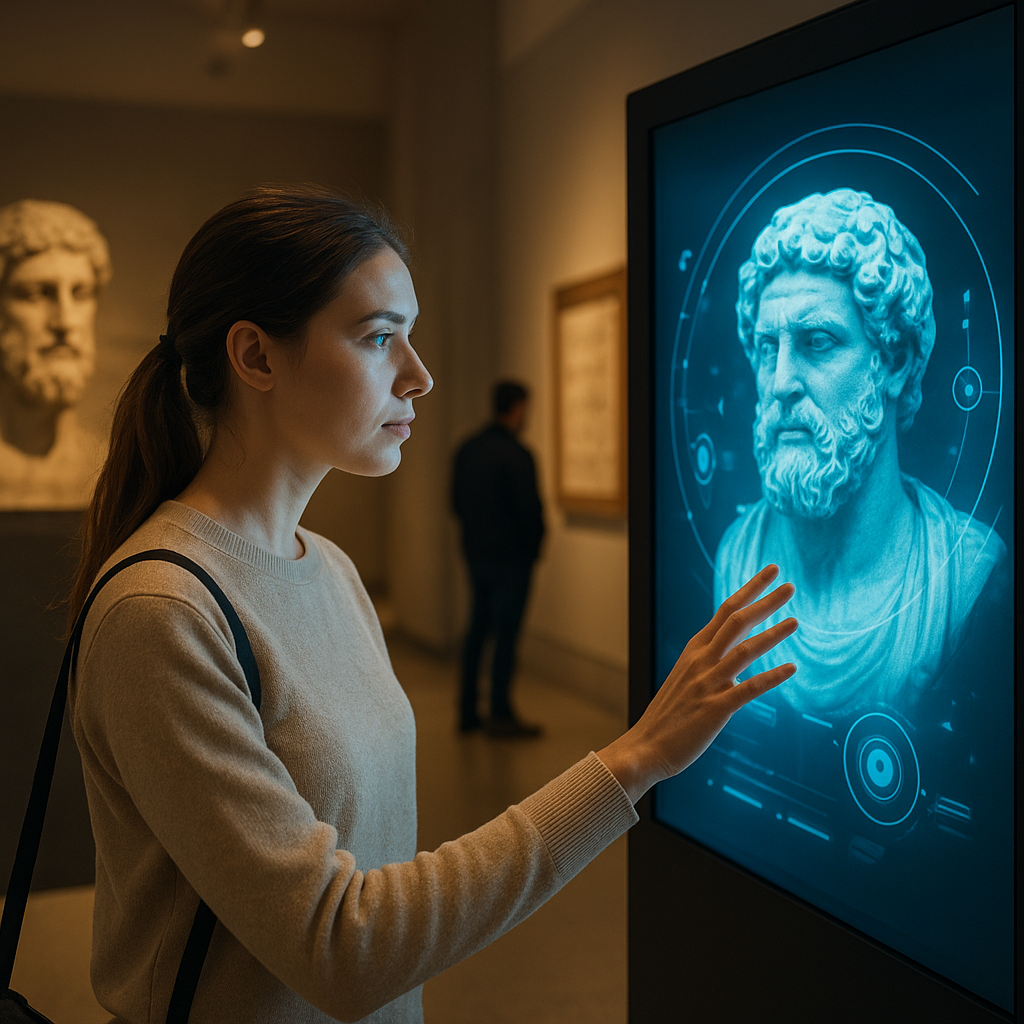
Augmented reality headsets and mixed-reality portals overlay digital artifacts onto physical surroundings, allowing patrons to manipulate three-dimensional reconstructions of ancient ruins or peer inside classical paintings. This synergy of physical and virtual realms offers layers of interpretation: augmented annotations can appear beside sculptures, while virtual guides might materialize on demand. By enabling users to customize their journeys, museums foster deeper curiosity and personalized discovery.
Sensory and Spatial Interaction
Beyond visual augmentation, designers are harnessing haptic floors, climate-controlled microzones, and scent diffusers to heighten interactivity. Imagine a gallery where the temperature shifts to echo a polar exhibit, or floor tiles that vibrate gently as visitors approach a multimedia installation. Controlled acoustics can create whispering alcoves or grand soundscapes, immersing audiences in environments that transcend traditional display cases.
Architectural Innovations Shaping the Future
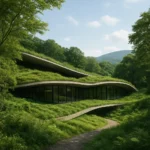
Futuristic museums are leaving behind orthogonal geometries in favor of fluid, organic forms inspired by natural systems. By leveraging parametric modeling, designers can generate complex curvatures that optimize daylight distribution, structural efficiency, and visitor flow. These sculptural edifices act as canvases for dynamic façades that react to weather, crowd density, and energy demands.
Bio-Responsive Materials
One of the most transformative trends is the incorporation of bio-responsive materials—substances that morph in response to environmental stimuli. Building skins embedded with micro-algae can photosynthesize, cleaning the air while providing on-site energy. Shape-memory alloys and smart polymers allow louvers and shading elements to adjust automatically, offering both aesthetic choreography and passive climate control.
Parametric and Modular Design
Parametric algorithms enable architects to explore countless permutations of structural geometry, optimizing for light, acoustics, and load-bearing performance. Paired with modularity, these designs permit rapid reconfiguration of interior galleries. Movable walls, reprogrammable lighting grids, and plug-and-play exhibit modules allow institutions to host diverse exhibitions without costly renovations, enhancing operational agility.
Integrating Sustainability and Technology
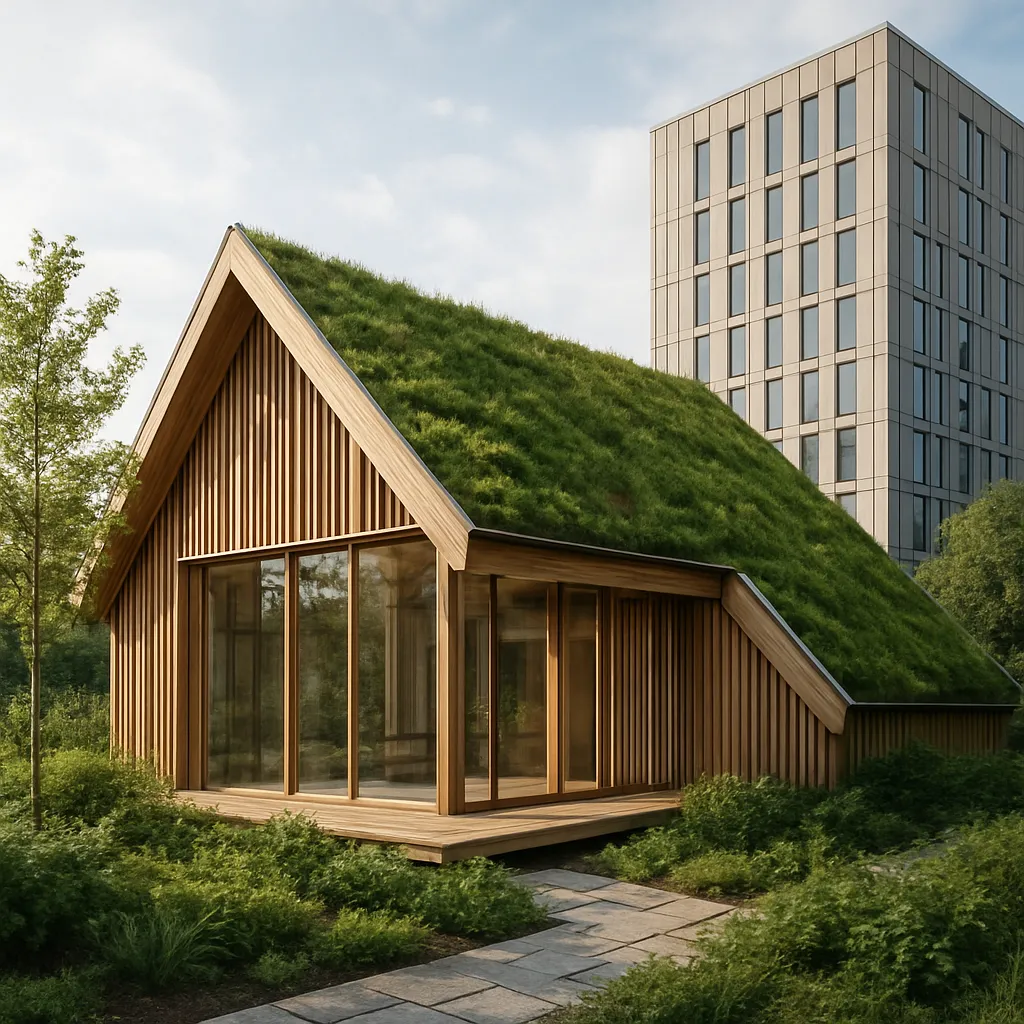
Museums of tomorrow must balance bold forms with ecological responsibility. Green infrastructure—such as rooftop gardens, rainwater harvesting systems, and solar-integrated façades—collaborates with intelligent building management to minimize resource consumption. In this context, technology becomes both tool and message, demonstrating a commitment to sustainability that resonates with environmentally conscious audiences.
Energy Harvesting Systems
Emerging energy-saving strategies include kinetic flooring that converts visitors’ footsteps into electricity, piezoelectric panels embedded in walls, and transparent photovoltaic glazing. Collectively, these systems can supply a significant portion of a museum’s power needs, reducing carbon footprint and operational costs. Real-time dashboards can display energy metrics, reinforcing educational missions by illustrating the impact of green design.
Adaptive Climate Response
Advanced HVAC networks powered by AI can monitor humidity and temperature with surgical precision, protecting sensitive artifacts while optimizing visitor comfort. In cooler months, geothermal heat exchangers draw warmth from beneath the ground; in warmer seasons, evaporative cooling towers and nocturnal flush ventilation maintain ideal gallery conditions. This convergence of innovation and preservation safeguards collections and enhances the guest experience.
Community Engagement and Accessibility
Futuristic museums must serve as inclusive platforms that welcome diverse audiences. Architects are embedding universal design principles to ensure accessibility for individuals with varied abilities. Gesture-based interfaces, tactile exhibit surfaces, and audio-narrated tours are complemented by multi-language holographic guides, fostering a sense of belonging and shared exploration.
- Mobile apps that translate exhibit descriptions in real time and sync with wearable devices for personalized pacing.
- Multi-sensory installations designed for neurodiverse visitors, featuring adjustable lighting and noise-canceling zones.
- Pop-up community studios within museum precincts, enabling local artists to co-create dynamic displays.
- Interactive learning pods where children can code virtual exhibits or help design digital artifacts.
- Public plazas integrated with outdoor projection walls, encouraging spontaneous cultural events.
By fusing visionary architecture with digital innovation, museums are evolving into vibrant social ecosystems. They transcend static archives and become living laboratories of creativity, bridging past, present, and future through bold forms and transformative technologies. This ongoing metamorphosis promises to redefine how communities engage with culture, knowledge, and one another in the decades ahead.