



The vision of tomorrow’s cities transcends steel and concrete, embracing a seamless blend of living organisms, responsive surfaces, and human-machine interfaces. As buildings evolve into dynamic ecosystems, their inhabitants benefit from environments that adapt in real time, fostering healthier, more efficient lifestyles. This exploration delves into the convergence of adaptive architectural forms and the rise of human augmentation, revealing how tomorrow’s structures will reshape our experience of space, health, and community.
Emergence of Adaptive Futuristic Architecture
Responsive Envelopes and Smart Facades
Buildings of the near future will incorporate sensors, actuators, and AI-driven algorithms into their skins. These smart facades adjust transparency, ventilation, and thermal performance instantaneously. During a heatwave, panels may alter their angle or pigmentation to reduce solar gain, while on cooler days they drift to maximize sunlight. The result is a living envelope that monitors weather patterns, occupant behavior, and energy consumption to deliver unrivaled comfort.
Integration of Biomimicry Principles
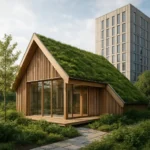
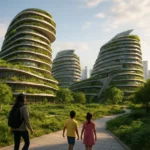
Borrowing from nature’s time-tested designs, architects harness the power of biomimicry to create structures that self-heal, clean, and optimize resource flows. Inspired by termite mounds, buildings feature intricate chimney-like cores that generate passive cooling. Photocatalytic surfaces mimic lotus leaves to break down pollutants. By echoing patterns found in shells, leaves, and coral reefs, we achieve a perfect balance of form, function, and ecological sustainability.
Synergy between Architecture and Human Augmentation
Physical Augmentation and Spatial Interaction
As cyborg-like exoskeletons enhance human strength and mobility, architecture must accommodate these new capabilities. Doorways widen, corridors integrate augmented reality (AR) overlays, and structural supports become modular to accept wearable attachments. Users outfitted with haptic suits navigate spaces that respond through floor sensors and dynamic lighting, guiding footsteps or warning of obstacles. This two-way feedback loop creates an environment that intuitively adjusts to the user’s capabilities.
Cognitive Enhancement through Environmental Design
Incorporating neurofeedback systems within walls and ceilings, rooms adjust ambient conditions based on brainwave analysis. If stress levels rise, walls shift to softer hues and softer white noise floods the space to calm occupants. Conversely, cognitive focus triggers surfaces that display data dashboards or immersive visual projections. Through cybernetic augmentation, architecture transcends static boundaries, entering a realm where space itself becomes a collaborator in boosting creativity, productivity, and mental well-being.
Materials, Technologies, and Ethical Considerations
Advanced Materials and Nanotechnology
The backbone of futuristic structures lies in nanotechnology and engineered materials. Carbon nanotube composites offer strength-to-weight ratios far exceeding steel, while programmable matter can alter its shape and stiffness on demand. Self-assembling micro-robots weave concrete matrices into intricate lattices, enabling forms previously deemed impossible. Key trends include:
- Self-cleaning surfaces with embedded photocatalysts
- Phase-change materials for thermal regulation
- Biodegradable polymers that deconstruct after a building’s lifecycle
- Electrochromic glass that shifts tint under voltage
Data Privacy and Cybernetics Ethics
Embedding tracking devices and biometric scanners raises significant concerns. Constant monitoring of movement, biometric signals, and personal preferences may improve comfort but threatens privacy. Architects and ethicists must craft frameworks ensuring data is anonymized, opt-in, and secured against intrusion. Human augmentation amplifies these stakes, as implants and wearables become conduits for personal data. Transparent governance models, user consent protocols, and algorithmic accountability become indispensable.
Sustainability and Resilience Challenges
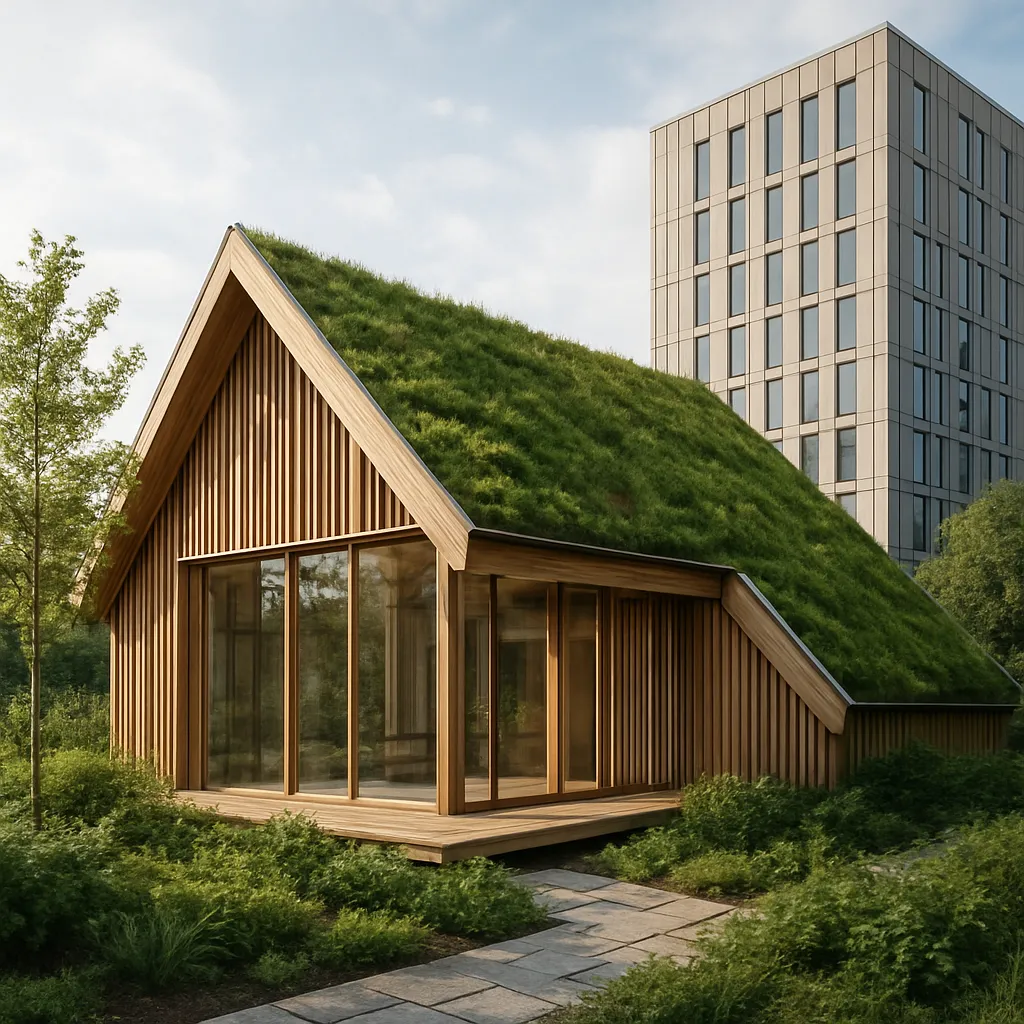
While the allure of modularity and rapid construction captivates many, the ecological footprint of exotic materials cannot be ignored. Life-cycle analysis must guide material selection, balancing performance with environmental impact. Future cities require flexible structures capable of withstanding climate extremes, rising sea levels, and seismic events. Integrating green roofs, rainwater harvesting, and vertical gardens fosters urban resilience. Redundancy in energy supply—combining solar skins, kinetic floors, and microbial fuel cells—ensures continuous operation during grid failures.
Data-Driven Urban Planning
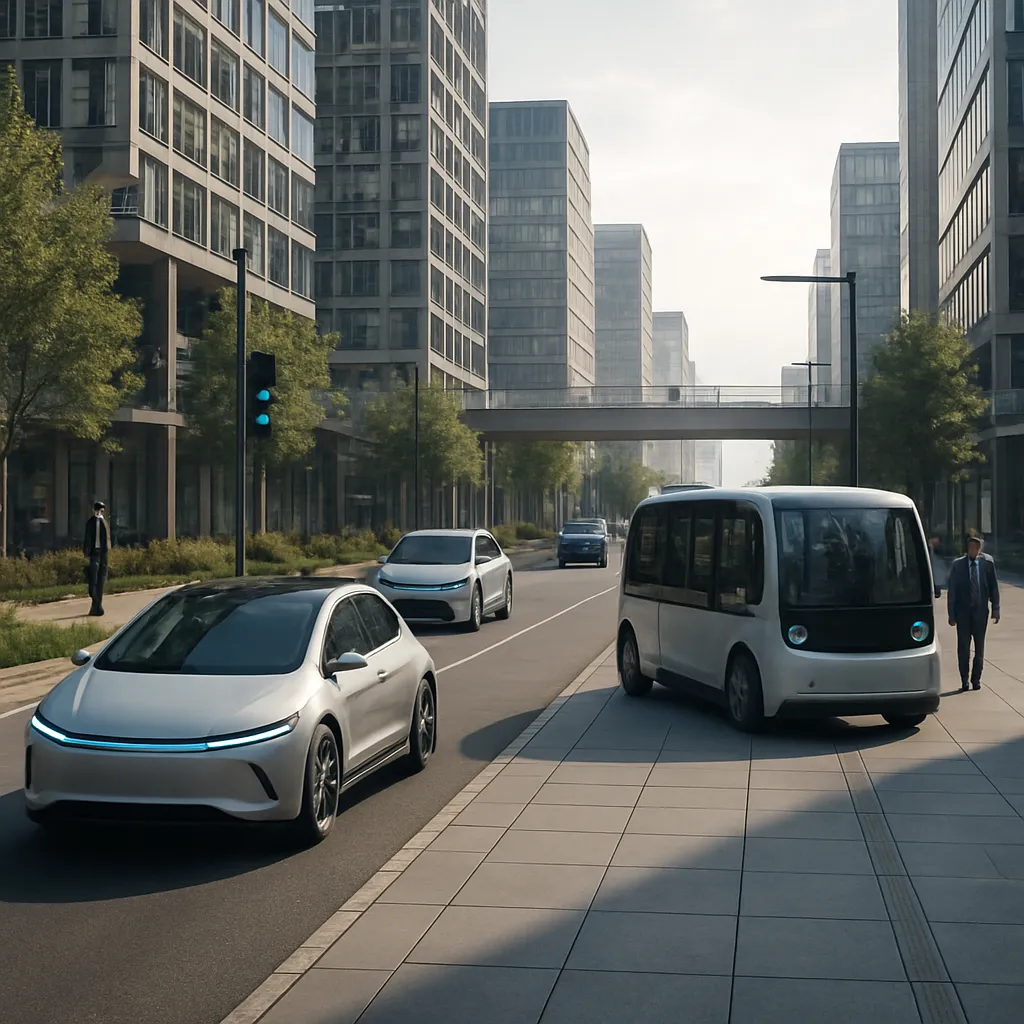
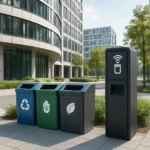
Beyond individual buildings, data orchestration at the city scale leads to holistic optimization. Traffic patterns adapt in real time to footfall detected by pavement sensors. Drones monitor structural health and deliver maintenance bots when anomalies appear. Augmented reality overlays guide waste collection crews along the most efficient routes. This data-driven approach transforms entire neighborhoods into adaptive organisms, boosting resource efficiency and reducing carbon emissions.
Future Directions and Challenges
As the boundaries between biological and built environments blur, a new lexicon emerges: integration, resilience, and adaptive become core design principles. Yet significant hurdles remain: securing long-term funding for transformative projects, managing cross-disciplinary collaboration, and navigating evolving regulations. Public acceptance is crucial; inhabitants must understand and trust the invisible networks pulsing through walls and implants. Education programs, interactive prototypes, and open forums can demystify advanced systems, fostering a sense of co-creation.
Conclusion of Innovation Without End
From self-regulating facades to neural-responsive interiors, the synergy of futuristic architecture and human augmentation heralds an era of unprecedented possibility. Through bold experimentation and ethical stewardship, we stand at the threshold of environments that not only shelter but actively enhance our physical and cognitive faculties, crafting the cities of tomorrow as living, intelligent, and ever-evolving systems.