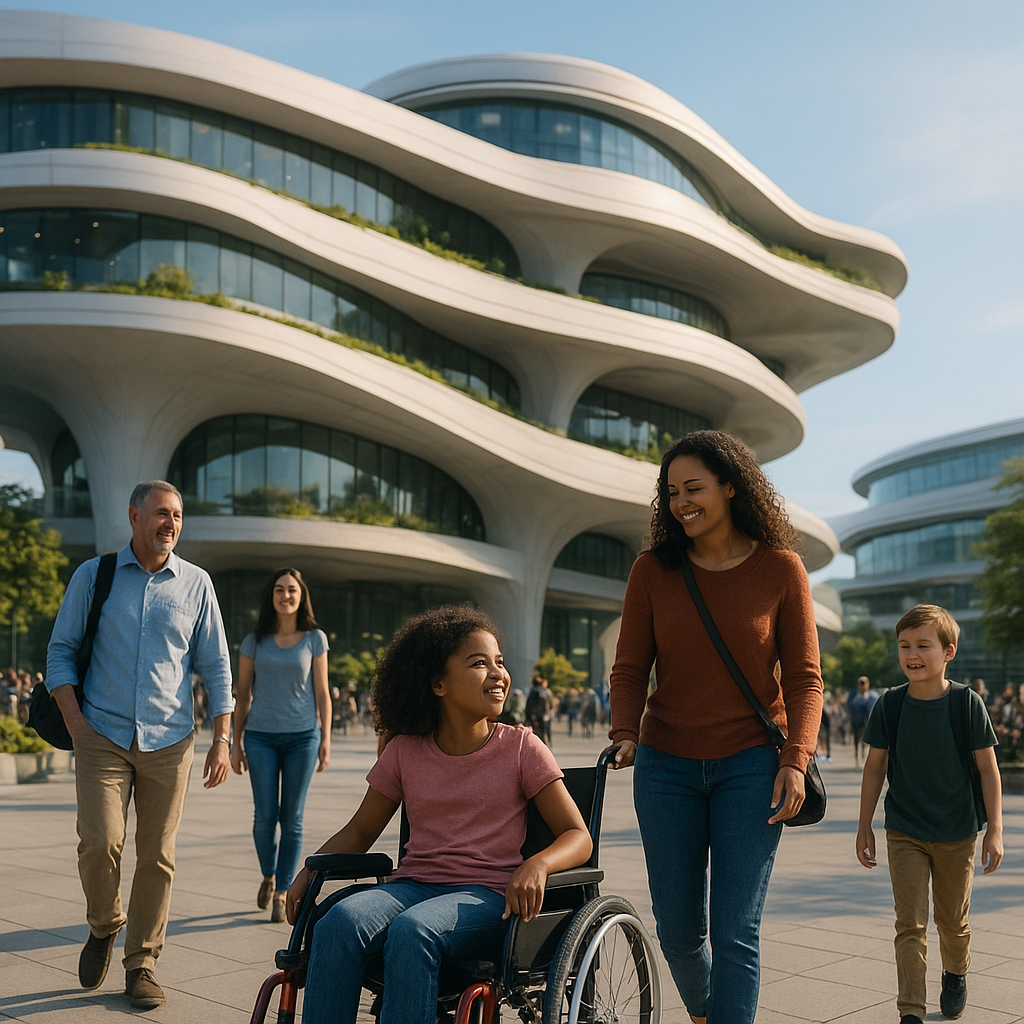
The fusion of futuristic vision and pragmatic design has given rise to a new paradigm in which the built environment actively fosters social inclusion. By reimagining how spaces function and whom they serve, architects are transforming cities into dynamic canvases where diverse communities can thrive together. Through cutting-edge innovation, sustainable practices, and human-centered strategies, this wave of extraordinary structures seeks not only to impress visually but also to bridge gaps between social groups, enhance connectivity, and democratize access to urban resources.
Visionary Urban Landscapes and Social Connectivity
Architects inspired by futuristic ideals are reshaping urban landscapes to become more than mere collections of buildings. These designs champion a layered approach to public life, weaving interactive public realms into the heart of every district. Such projects emphasize mixed-use developments where commercial, residential, and cultural functions coexist harmoniously. By doing so, they tackle issues of segregation and inequality while promoting continuous personal and collective growth.
Modular Hubs for Inclusive Interaction
Modular structures break down the barriers of traditional architecture. By employing prefabricated units and adaptable facades, designers can:
- Create flexible event spaces that blend art installations, makerspaces, and community workshops.
- Introduce pop-up marketplaces in underutilized zones to spur local entrepreneurship.
- Facilitate temporary housing solutions responsive to urgent social needs, such as disaster relief or welcoming immigrants.
These technology-driven hubs often feature transparent walls, rooftop gardens, and inclusive platforms where neighbors of varied backgrounds can exchange ideas. The emphasis on accessibility is evident in curb-free entries, tactile wayfinding, and dynamic lighting that ensures safety day and night.
Inclusive Design Principles in Futuristic Architecture
At the core of socially conscious architecture lie principles that guarantee every individual, regardless of physical or economic status, can fully participate in urban life. These pillars address both tangible and intangible elements: ease of movement, sensory experience, cultural representation, and economic opportunity.
Key Principles Guiding Inclusive Futures
- Universal design: Spaces crafted for people of all abilities, integrating ramps, braille signage, and assistive acoustics.
- Adaptability: Reconfigurable walls, movable furniture, and programmable lighting that respond to evolving community needs.
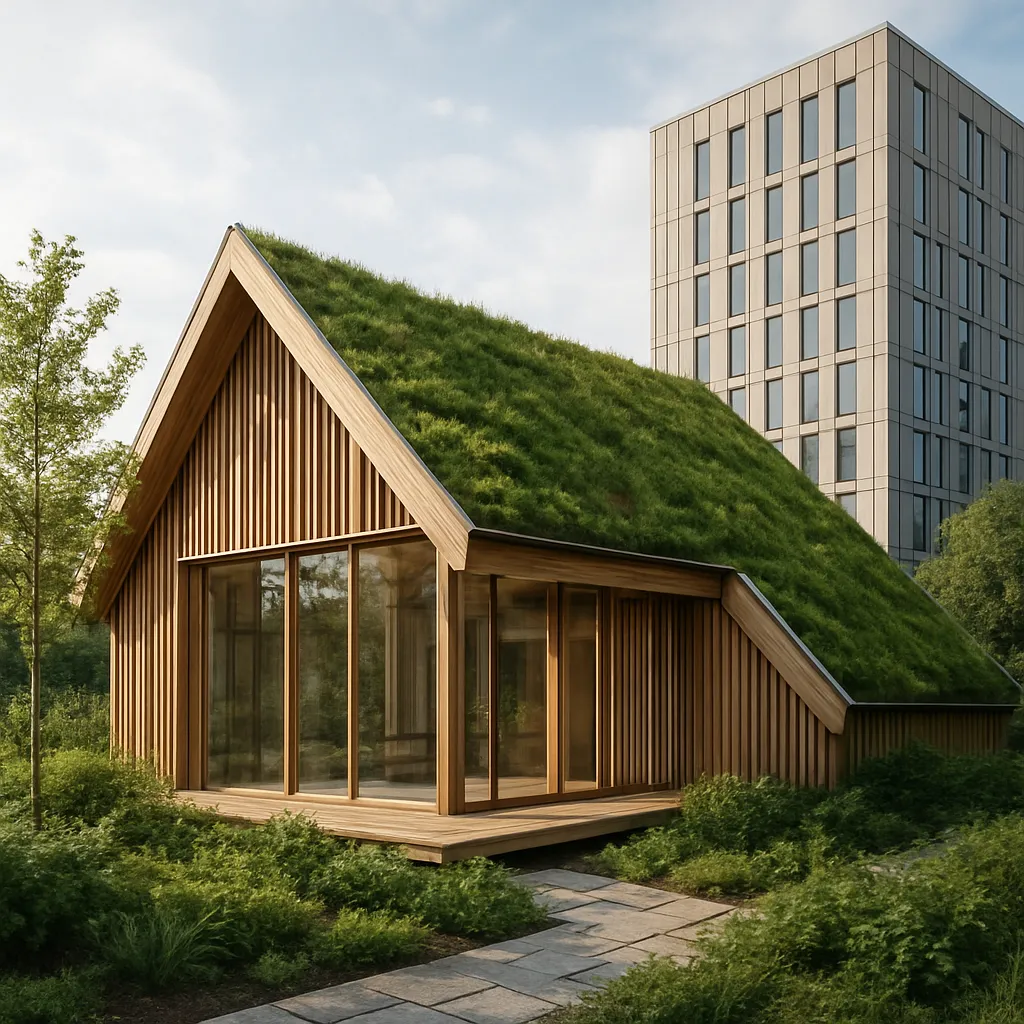
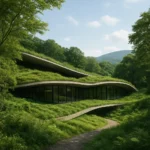
- Sustainability: Use of recycled materials, renewable energy sources, and green roofs that act as communal gardens and air purifiers.
- Diversity: Architectural motifs and artwork reflecting local heritage, enabling representation for minority groups.
- Participation: Co-creation processes where residents contribute ideas through workshops, VR simulations, and collaborative design charrettes.
By embedding these principles into every layer—from site selection to interior finishes—architects can craft buildings that do more than shelter: they become catalysts for community empowerment. For instance, sensor-embedded floors can monitor foot traffic and dynamically redirect visitors to underused areas, balancing crowds and fostering spontaneous interactions among strangers.
Case Studies: Bridging Communities through Design
Examining real-world examples highlights how visionary teams turn blueprints into living, breathing ecosystems that unite diverse populations under a common roof. These showcase how a blend of daring geometry, public art, and citizen-driven programming can yield vibrant urban nodes.
Urban Oasis: The Vertical Commons
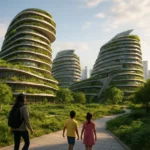
Inspired by the idea of the “vertical village,” this 60-story tower integrates:
- Terraced sky parks at regular intervals, hosting community gardens, playgrounds, and performance plazas.
- Shared co-working pods overlooking panoramic cityscapes, rented at sliding-scale rates to accommodate freelancers and startups.
- A multi-level library with augmented reality reading nooks, enabling multilingual storytelling sessions that celebrate cultural heritage.
These elements converge around a central atrium that functions as a 360-degree amphitheater. By deliberately blurring the lines between private apartments and public amenities, the design encourages residents to step out of isolation and engage with neighbors they might never have encountered otherwise.
Floating Cultural Platform: RiverLink Pavilion
Responding to rising water levels, architects devised a buoyant pavilion that drifts along the riverbank, hosting rotating exhibitions and interactive workshops. Key features include:
- Solar-hybrid propulsion, allowing the structure to relocate in tune with community festivals and seasonal gatherings.
- Retractable side panels that transform the deck into an open-air cinema or a sheltered market for local artisans.
- Integrated acoustic membranes that adjust reverberation for concerts, poetry readings, and town hall meetings.
The pavilion’s mobility ensures equitable access across neighborhoods divided by waterways. It fosters a sense of shared ownership, as residents vote online to decide its next docking point. This democratic approach underlines the philosophy that architecture can be not just static infrastructure, but an active participant in social cohesion.
Tech-Infused Neighborhood Revival: Synapse Blocks
“Synapse Blocks” is a pilot project that employs smart connectivity protocols to rejuvenate underdeveloped blocks. Highlights include:
- AI-driven microclimate controls in public plazas, adjusting misting systems and sunshades based on real-time weather and footfall data.
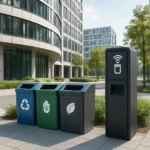
- Community-operated digital kiosks offering translation assistance, job listings, and health resources in multiple languages.
- Interactive art walls that capture residents’ memories and project them as dynamic mosaics, reinforcing local pride.
By leveraging data and community input, these innovations transform formerly neglected streets into lively corridors where economic activity and social exchange flourish. The result is a replicated model of urban resilience that can be adapted worldwide.