




As architects and engineers venture into the realm of futurism, the next wave of sports arenas transcends mere spectator venues. Merging innovation with environmental stewardship, these structures promise an unforgettable experience while preserving our planet’s resources. By blending cutting-edge technology, biomimetic forms, and community-centric strategies, the stadiums of tomorrow set a new benchmark for what it means to host major events sustainably.
Architectural Innovation and Sustainable Materials
The foundation of any next-generation stadium lies in its design philosophy. Embracing sustainability at every stage, architects integrate principles that minimize ecological impact without sacrificing aesthetics or performance.
Biomimicry and Natural Integration
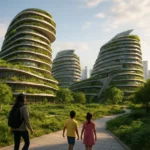
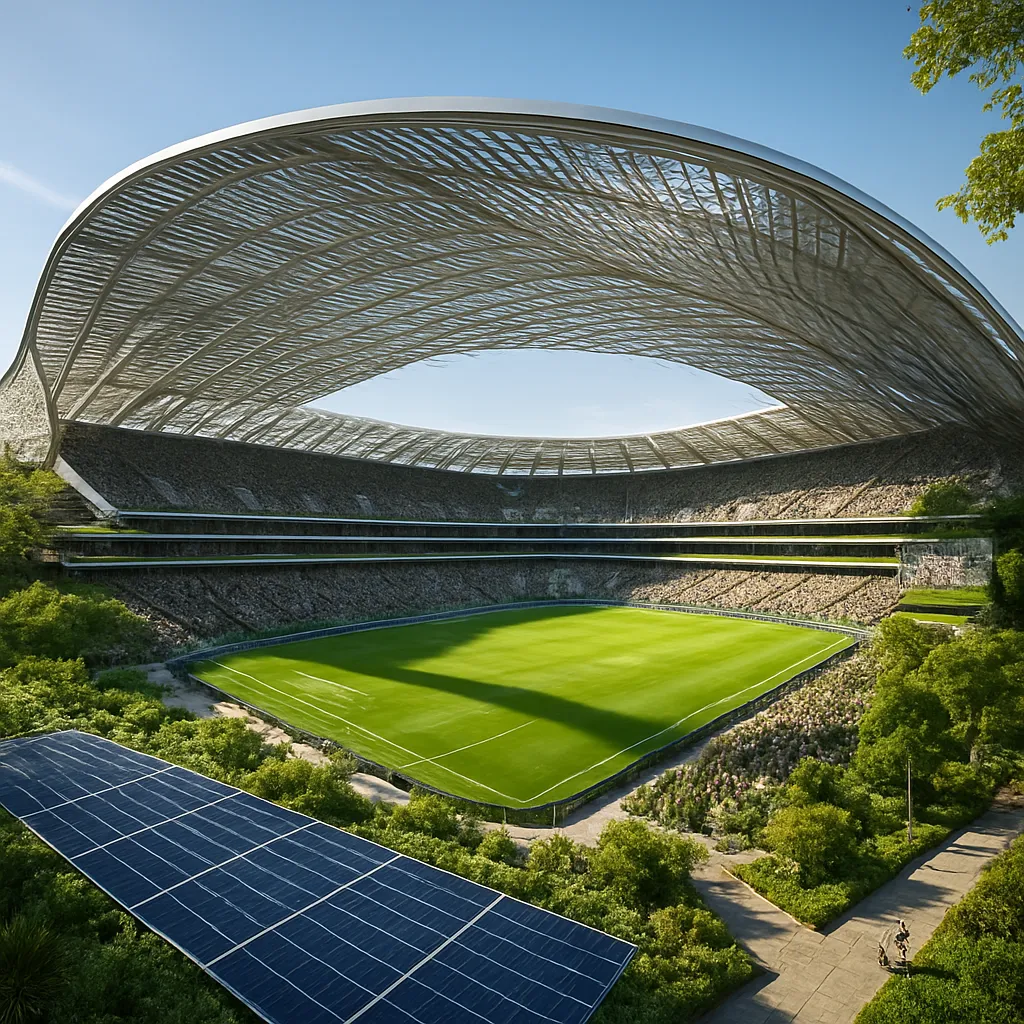
Drawing inspiration from nature, designers apply biomimicry to develop roof structures that mimic the movement of leaves, allowing for dynamic shading and natural ventilation. Such living façades not only improve air quality but also reduce energy consumption by adapting to sunlight variations.
Modularity for Future-Proofing
Using a modularity model, stadium sections can be disassembled, reconfigured, or expanded based on event requirements. This flexible layout approach extends the venue’s lifespan and curbs the need for constant renovations.
- Renewable building materials: cross-laminated timber, recycled steel, and graphene-infused composites.
- Biodegradable insulation panels that decompose safely at end-of-life.
- Reclaimed stone and upcycled plastics for interior finishes.
Onsite Energy Harvesting
Solar-paneled roofs, piezoelectric flooring in concourses, and small-scale wind turbines integrated into roof spines work in concert to achieve near net-zero operation. Advanced energy efficiency protocols distribute power seamlessly between lighting, climate control, and broadcasting systems.
Integration of Advanced Technologies
Technology is the driving force that transforms stadiums into smart, interconnected hubs. Spectators, athletes, and operations staff benefit from a networked ecosystem.
IoT and Real-Time Data Analytics
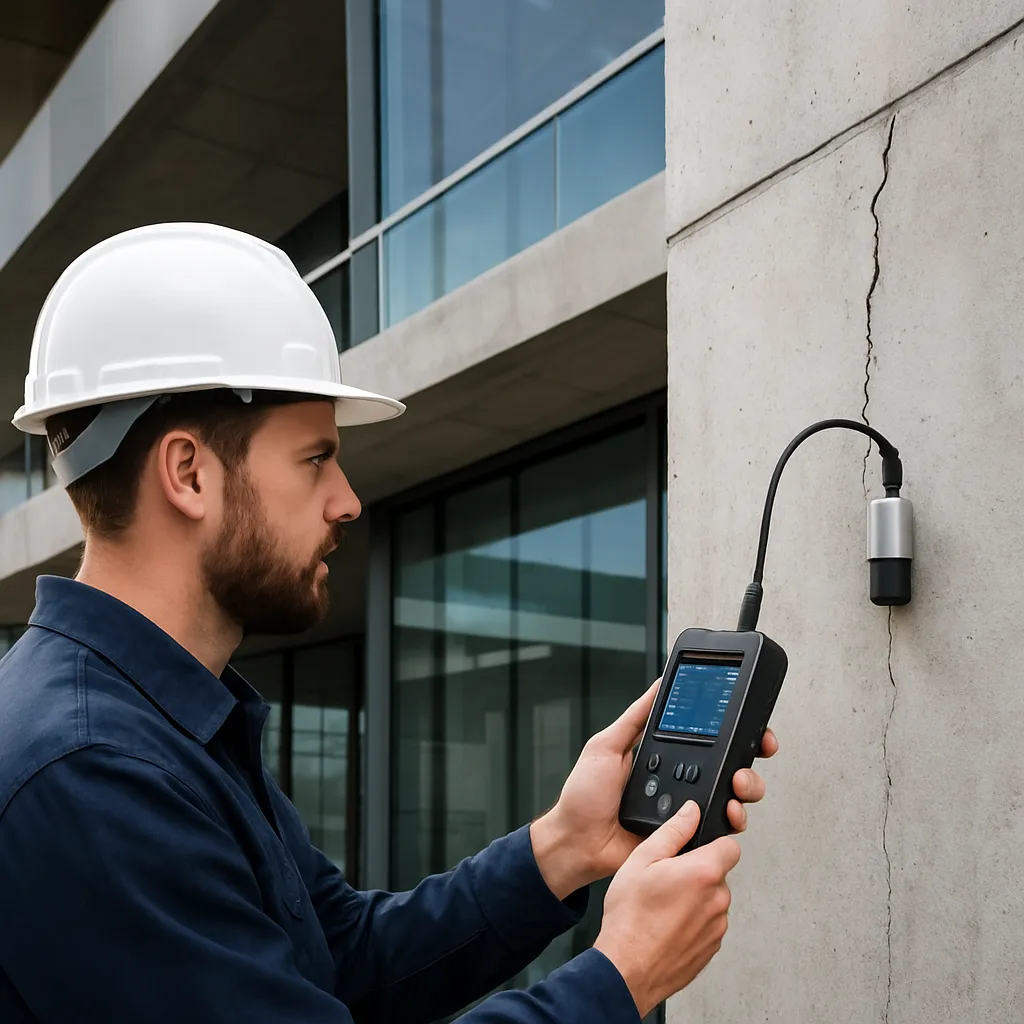
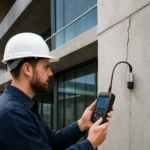
An extensive array of sensors monitors crowd density, air quality, and structural health. By leveraging resilience-focused maintenance algorithms, predictive repairs are scheduled automatically, reducing downtime and ensuring uninterrupted operations.
Immersive Fan Experiences
Through augmented reality overlays and mixed-reality zones, fans interact with player stats in real time, explore behind-the-scenes content, and participate in virtual tours of locker rooms. Wearable devices linked to stadium apps deliver personalized seat upgrades, food vouchers, and wayfinding directions.
Digital Twins and AI-Driven Operations
A smart stadium relies on a digital twin: a virtual replica fed by IoT streams. Event managers simulate crowd flows, optimize concession stocks, and adjust climate controls preemptively. Artificial intelligence orchestrates these elements to enhance both comfort and safety.
- Robotic ticketing kiosks and valet systems that expedite entry.
- Automated drone fleets for aerial security and broadcasting.
- Gesture-controlled lighting shows synchronized with live performances.
Community Engagement and Adaptive Design
Beyond hosting games, futuristic stadiums serve as social anchors, fostering community ties and economic development.
Multi-Functional Hubs
By day, the stadium operates as an innovation center, hosting tech expos, concerts, and educational workshops. Adaptive seating transforms into tiered amphitheaters for film festivals, while retractable panels carve out spaces for farmers’ markets and local artisans.
Local Culture and Social Sustainability
Materials and design motifs draw from indigenous art and traditions, creating a venue that resonates with the community’s heritage. Partnerships with neighborhood organizations ensure that event proceeds fund local infrastructure, schools, and green initiatives.
Adaptive Reuse and Pop-Up Events
Sections of the stadium can be repurposed as co-working zones or health clinics during off-peak seasons. Mobile units deployed in adjacent lots host pop-up cinemas, fitness classes, and startup pitch competitions—reinforcing the stadium’s year-round relevance.
- Onsite urban farms supplying fresh produce to concession stands.
- Electric vehicle charging plazas integrated into parking decks.
- Community gardens utilizing greywater from restrooms and kitchens.
Environmental Resilience and Future Outlook
As extreme weather events increase, next-generation stadiums incorporate robust flood barriers, green roofs, and permeable surfaces to manage stormwater naturally. Designed for adaptability, these venues evolve with shifting climate patterns and urban growth.
Water Management and Recycling
Rainwater capture systems feed irrigation networks and restroom facilities, while on-site treatment plants purify greywater. This closed-loop strategy mitigates municipal water dependence and reduces operational costs.
Carbon Neutrality Roadmap
Commitments to carbon offsets, reforestation projects, and renewable energy credits accelerate progress toward net-zero emissions. Long-term monitoring of environmental performance ensures transparency and continuous improvement.
Global Influence and Replicability
Case studies from pioneering stadiums inform guidelines adopted worldwide. Modular blueprints allow emerging economies to tailor designs to local climates, resources, and cultural contexts—propelling a global movement of eco-conscious sports architecture.
Embracing a holistic vision, Next-Generation Stadiums illustrate how architecture, technology, and community engagement converge to create sustainable icons. These venues stand as living laboratories, proving that the pursuit of spectacle and environmental harmony can advance hand in hand.