






The boundaries between physical and digital realms are dissolving as architects, artists, and technologists collaborate on next-generation built environments. Virtual architecture is redefining how we conceive of space, form, and function in the emerging metaverse. By harnessing immersive experiences, leveraging AI-driven design tools, and integrating decentralized technologies like blockchain, this discipline transcends traditional constraints. What emerges is not simply a replica of the physical world, but dynamic, evolving spaces that respond to human needs in real time.
Foundations of Virtual Architecture
Virtual architecture extends the principles of structure and aesthetics into an all-digital medium. Architects must marry spatial theory, computational design, and user psychology to craft environments that feel tangible despite existing purely as code. The emphasis shifts from load-bearing walls and materials to scalability and real-time rendering performance. Architects optimize polygon counts, lightmaps, and physics simulations to ensure each digital structure maintains visual fidelity without overwhelming computing resources.
Core tenets include:
- Parametric Modeling: Automated form generation through algorithms that adapt to user inputs or environmental data, fostering generative creativity.
- Responsive Environments: Spaces that alter layouts, textures, or acoustics in reaction to user presence or network conditions.
- Spatial Analytics: Embedded sensors and telemetry gather behavioral metrics to inform continuous redesigns, enhancing experiential quality.
Unlike physical construction, iterations can deploy instantly. This fluid design-to-deployment cycle invites constant experimentation and community feedback, redefining architectural practice as an ongoing, collaborative process.
Cutting-Edge Design Tools and Technologies
The toolkit for virtual architects is both expansive and evolving rapidly. Emerging software and hardware platforms empower teams to visualize, prototype, and iterate in shared digital studios.
- Real-Time Engines: Platforms like Unreal Engine and Unity deliver photorealistic rendering and physics simulation, driving the evolution of photorealism in virtual spaces.
- Generative AI Assistants: Machine learning frameworks suggest structural optimizations, color palettes, and user flow improvements, accelerating the creative process.
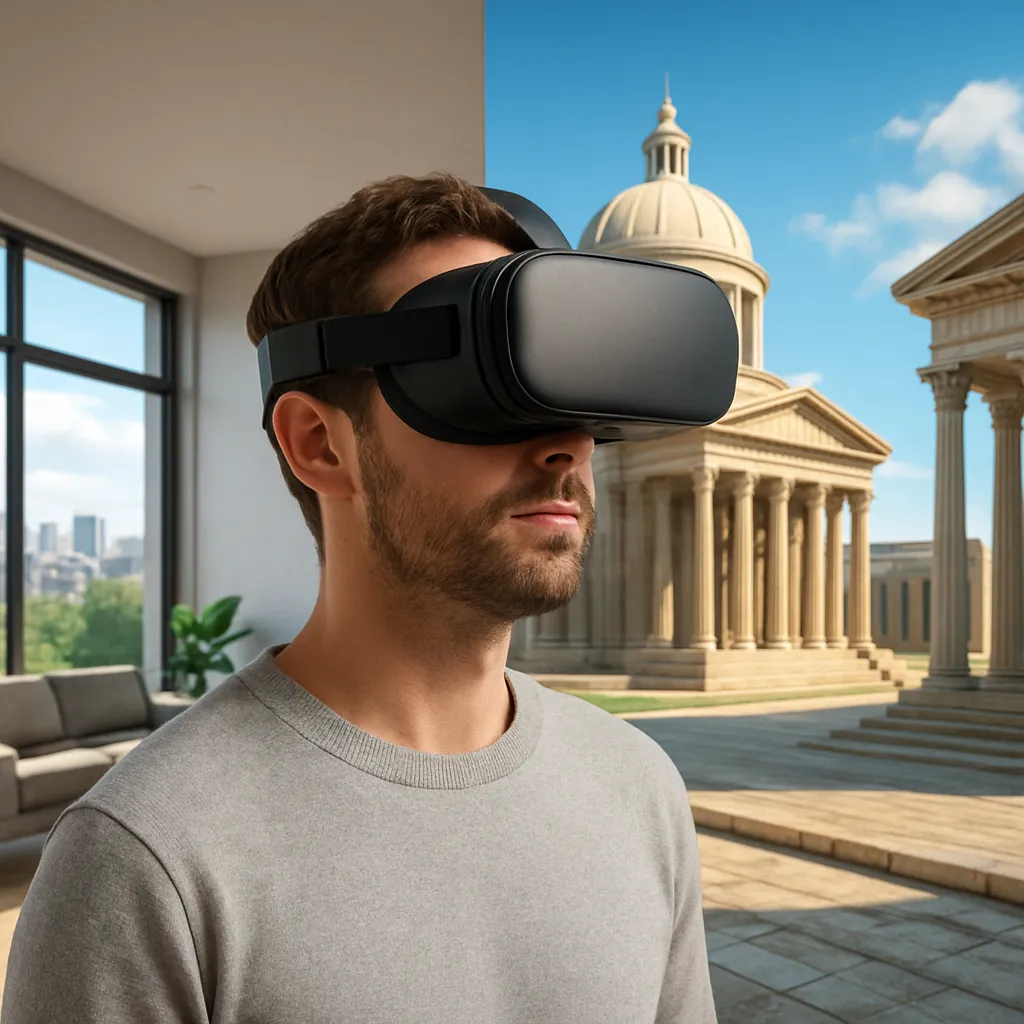
- Spatial Computing Headsets: Devices such as AR glasses and VR headsets bridge sensory gaps, enabling architects to inhabit their designs at full scale.
- Procedural Texturing Tools: Systems that generate materials algorithmically, ensuring consistent surface detail across sprawling virtual landscapes.
These technologies converge in cloud-based collaborative environments, where globally distributed teams co-design in real time. By decoupling bandwidth from physical location, projects gain a new level of agility. Cross-disciplinary input—combining game designers, urban planners, and sociologists—ensures that virtual architecture addresses technical feasibility, human factors, and cultural context in equal measure.
Social and Economic Impacts
As the metaverse matures, virtual architecture becomes a driver of social interaction, commerce, and identity expression. Digital districts serve as venues for concerts, conferences, and retail experiences unbound by geography. Brands commission custom-built showrooms that adapt their layout and branding dynamically, tailoring engagements to individual avatars.
Economic models shift alongside these spatial innovations. Virtual real estate markets trade plots and structures secured by interoperability standards on open networks. Blockchain-based property rights guarantee transparent ownership, while smart contracts automate leasing, maintenance, and revenue sharing. This creates new revenue streams for architects, developers, and content creators.
Moreover, social equity considerations arise when access to high-fidelity metaverse spaces risks deepening digital divides. Initiatives promoting open-source design assets, low-bandwidth rendering modes, and community-driven governance strive to ensure that virtual environments remain inclusive. Embedding sustainability principles—such as energy-efficient servers and carbon-offset protocols—further aligns the metaverse with real-world environmental goals.
Emerging Frontiers in Virtual Environments
The next wave of innovations promises even more radical reimaginings of space. Mixed reality overlays will fuse digital architecture with physical settings, enabling meta-structures that exist across both planes. Shared holographic workspaces and urban planning simulations will allow citizens to shape their cities in immersive town halls.
Advances in haptic feedback and full-body tracking will lend tangible sensations to virtual materials—whether the rough grain of a stone wall or the embrace of a digital canopy. Architects will harness biosensor inputs to craft environments that adapt lighting, temperature, and acoustics to individual physiological responses, personalizing comfort at an unprecedented level.
Collaboration will extend beyond human teams to include autonomous design agents—AI entities that propose alternative forms, test structural stability, and optimize networks of spaces based on real-time user behavior. This symbiosis between human ingenuity and algorithmic computation will push the boundaries of what we consider an architectural masterpiece.
Ultimately, virtual architecture will not only mirror or augment physical reality but pioneer spatial paradigms that defy gravity, scale infinitely, and evolve organically. In the metaverse, the blueprint is limited only by our collective imagination—and the tools we craft to bring it to life.