

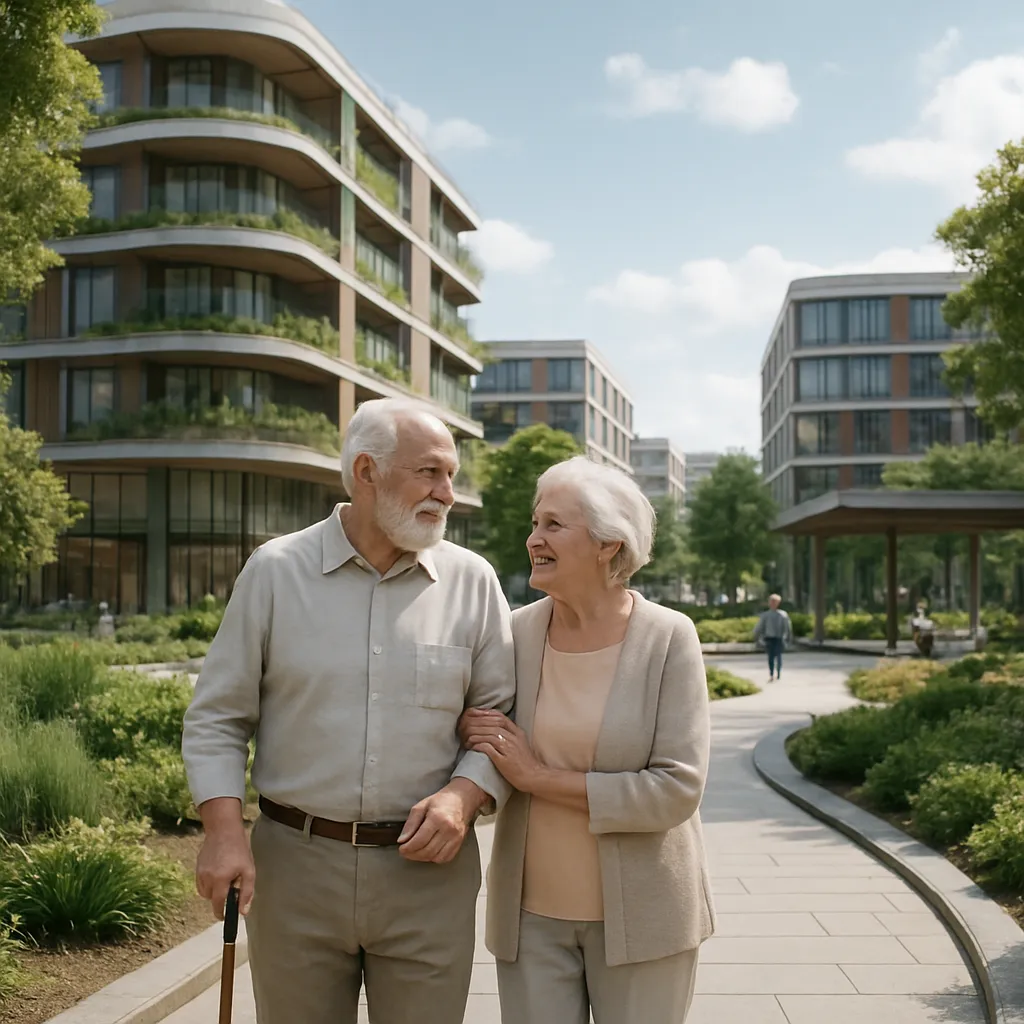
As demographic landscapes shift across the globe, architects and urban planners are challenged to create environments that cater to the evolving needs of older adults. The convergence of advanced technology, eco-conscious strategies, and human-centered design is ushering in a new era of futuristic architecture tailored to aging populations. By reimagining built environments through the lenses of dignity, well-being, and community integration, tomorrow’s residences and public spaces promise to empower residents of all ages.
Designing for Dignity and Independence
Preserving autonomy and personal agency is paramount when designing for seniors. Traditional dwellings often fall short in addressing the dynamic requirements of individuals coping with reduced strength, vision changes, or cognitive impairments. Innovations in spatial planning focus on creating barrier-free circulation routes, adaptable layouts, and intuitive controls that foster confidence and freedom.
- Accessibility: Wide doorways, zero-step thresholds, and touchless fittings eliminate obstacles and minimize fall risks.
- Mobility solutions: Integrated railings, retractable ramps, and stair assists adjust to residents’ changing capabilities.
- Universal design features: Lever handles, adjustable countertops, and sliding partitions accommodate diverse physical needs without sacrificing aesthetics.
Beyond structural adjustments, homes are evolving into responsive environments. Scene-based lighting automatically adapts to ambient conditions, reducing glare and enhancing visual clarity. Voice-activated systems and wearable sensors communicate with smart appliances to deliver medication reminders, monitor vital signs, and summon assistance. In this context, smart homes become active partners in daily routines, reinforcing safety and mental well-being.
Moreover, modular construction techniques enable living units to grow with residents. Prefabricated panels can be reconfigured to create an extra room for caregiving staff, expand bathroom facilities, or introduce personal exercise zones. Such flexibility ensures that residential buildings remain functional and relevant for decades, aligning with evolving family structures and care models.
Integrating Green Technologies and Biophilic Design
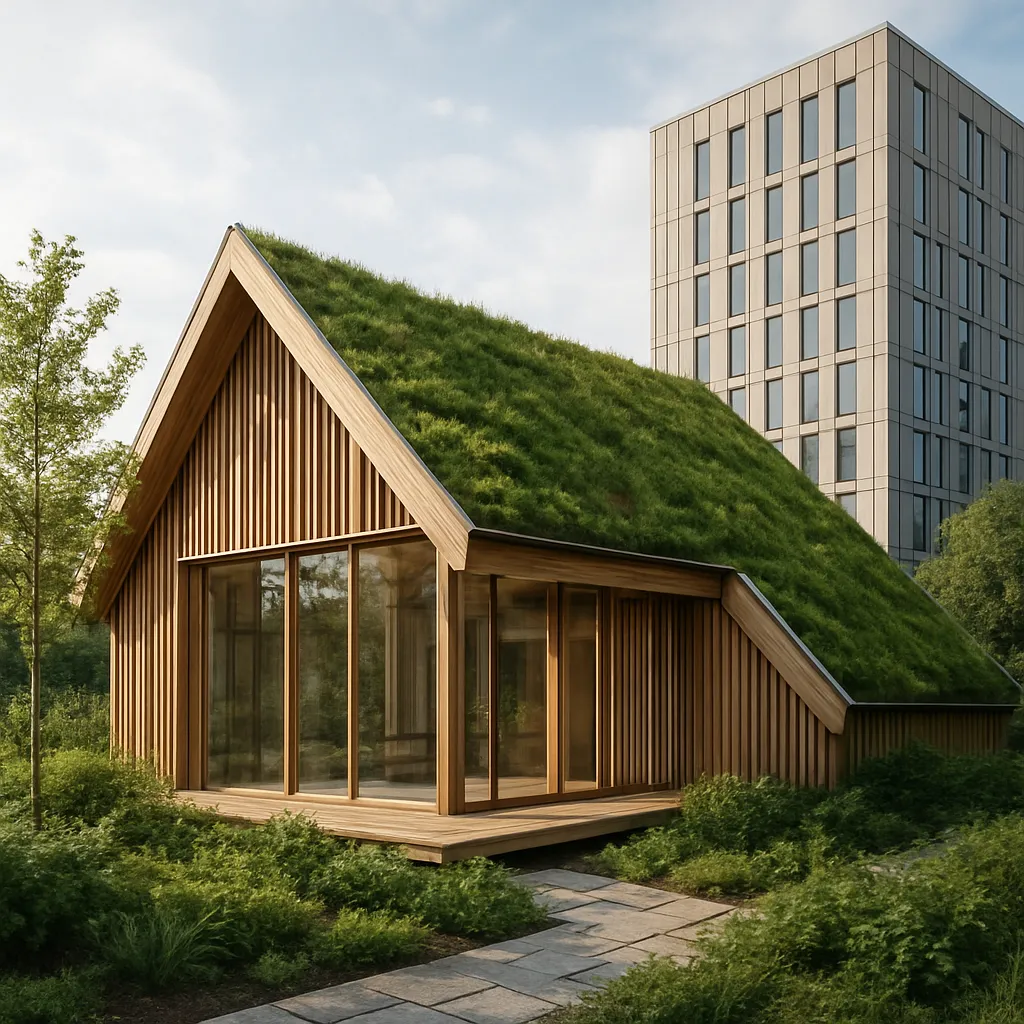
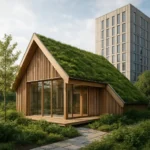
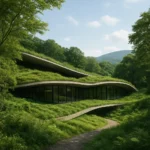
Environmental stewardship and human health converge through the incorporation of sustainability and biophilic design principles. For aging populations, exposure to nature and clean indoor air can reduce stress, improve cognitive function, and accelerate healing. Architects are weaving greenery into façades, rooftops, and interior atriums to blur boundaries between indoors and out.
Key strategies include:
- Living walls with air-purifying plant species that filter pollutants and regulate humidity.
- Skylight systems with smart glazing to optimize daylight while mitigating heat gain.
- Rainwater harvesting networks for on-site irrigation and greywater recycling.
Advanced materials and nanotechnology coatings further enhance performance. Antimicrobial surfaces in high-touch areas reduce pathogen transmission, while self-cleaning glass minimizes maintenance. Phase-change materials embedded within walls and floors store thermal energy, smoothing temperature fluctuations and lowering reliance on mechanical heating and cooling. Collectively, these innovations create restorative habitats that contribute to physical comfort and emotional resilience.
Energy generation is no longer an afterthought. Building-integrated photovoltaics and micro wind turbines transform façades into power plants. Paired with smart microgrids, these systems offer reliable backup power during outages, ensuring critical healthcare equipment remains operational. Residents benefit from reduced utility costs and a smaller carbon footprint, aligning longevity goals with planetary health.
Urban Strategies and Intergenerational Connectivity
Beyond individual residences, the future of architecture for seniors demands reimagined neighborhoods and civic spaces. Dense urban centers often isolate older adults, whereas mixed-use zones promote social interaction and meaningful engagement. Planners are prioritizing transit-oriented developments that place essential services—grocery stores, clinics, recreational centers—within walking distance.
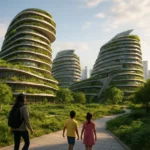
Central to this approach is the creation of intergenerational spaces that encourage collaboration across age groups. Shared gardens, maker workshops, and performance venues become hubs where younger and older residents co-create experiences. Such interactions combat loneliness, preserve cultural heritage, and foster mutual respect.
Key elements of age-friendly urban design
- Multi-level parks with gentle slopes, rest areas, and sensory gardens to accommodate varied mobility levels.
- Programmable plazas with modular seating and shading structures that adapt to weather and group sizes.
- Wayfinding networks with tactile paving, audible signals, and clear signage tailored to those with visual impairments.
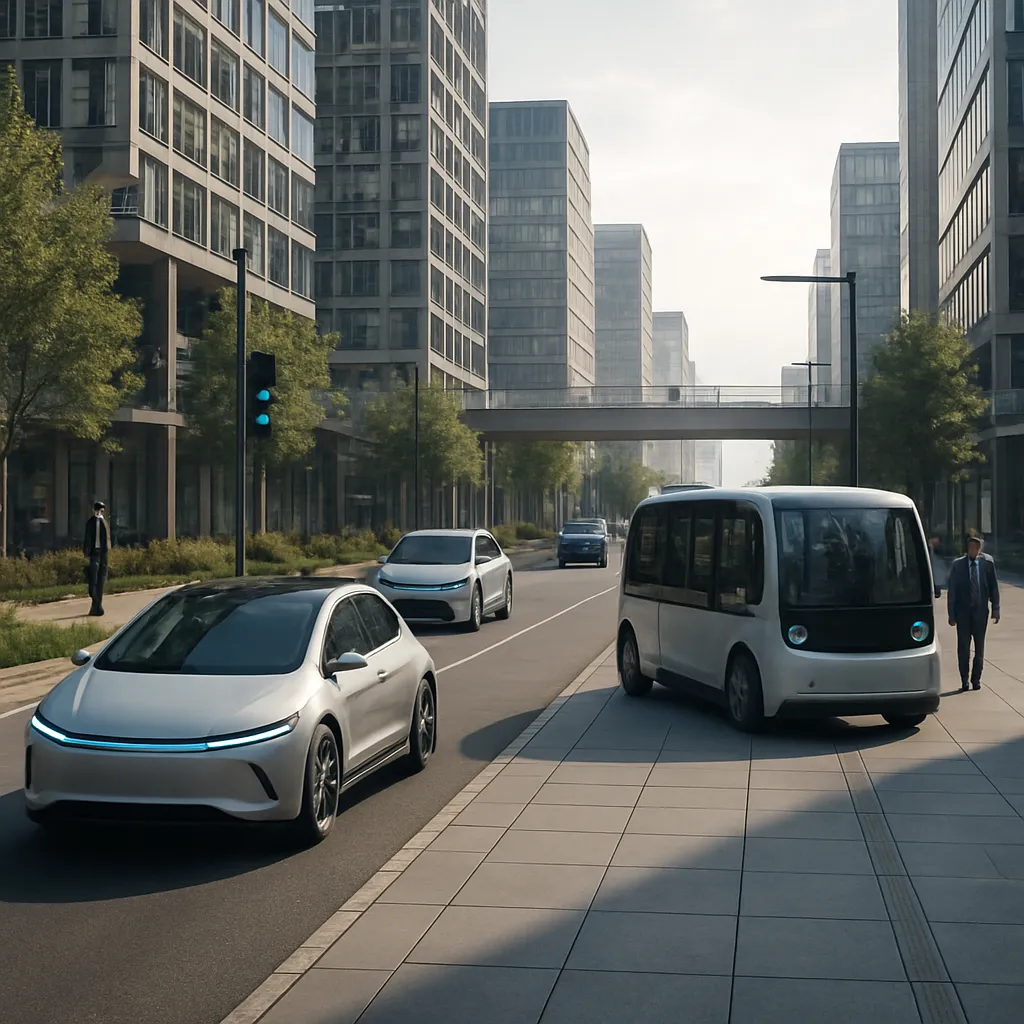
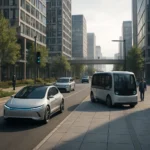
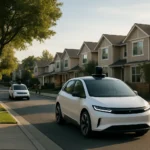
Public transportation systems are also evolving. Autonomous shuttles, low-floor trams, and on-demand ride services use AI algorithms to optimize routes and reduce wait times. Vehicles equipped with dynamic suspension and ergonomic seating enhance ride comfort for passengers with limited stability.
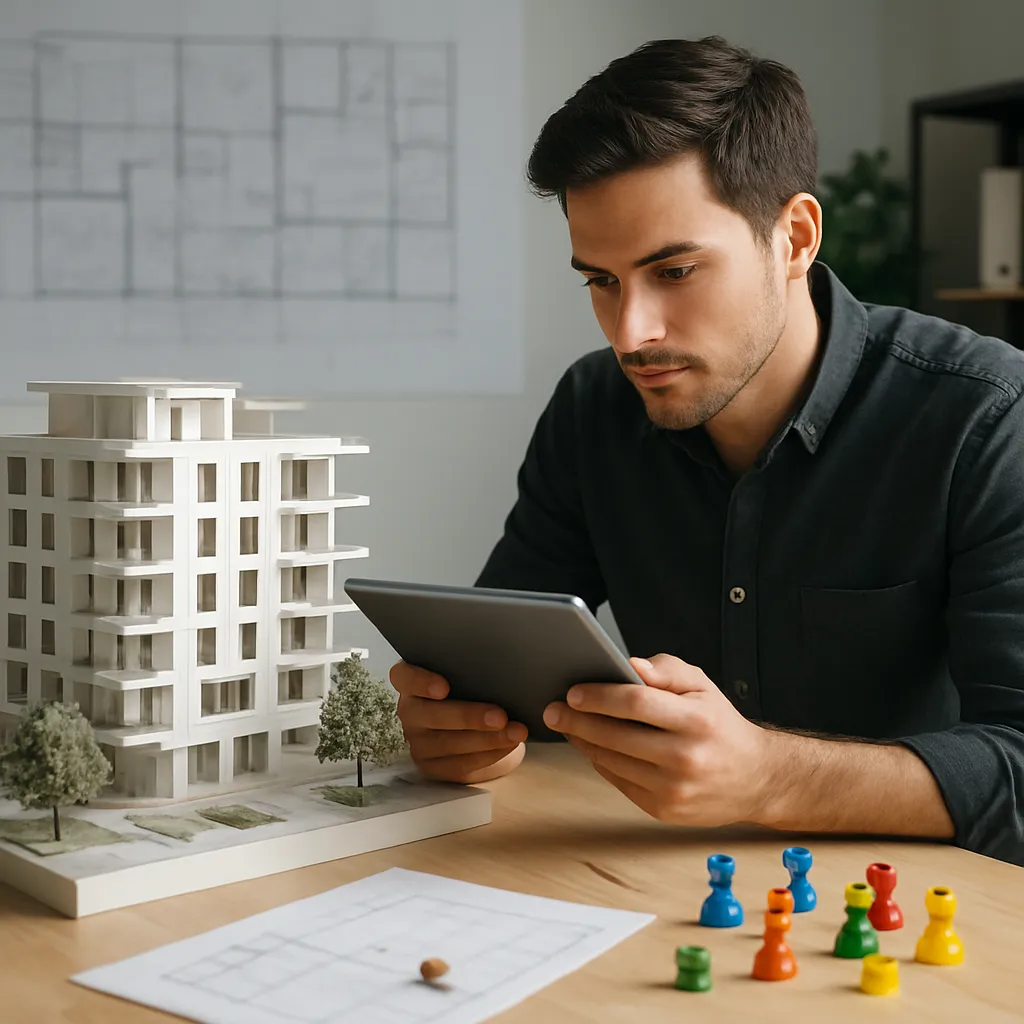
At a macro level, city planners leverage big data and predictive modeling to anticipate demographic shifts. Virtual reality simulations allow stakeholders to test proposals in immersive environments, refining design interventions before construction. By marrying analytics with human-centered design, emerging districts will support healthy aging throughout the lifespan.
Embracing a Holistic Vision of Well-Being
The convergence of advanced technology, ecological sensitivity, and inclusive planning heralds a transformative era for senior living. Architects are no longer focused solely on bricks and mortar but on crafting adaptive ecosystems that nurture body, mind, and community ties. The integration of futuristic architecture with sustainability, biophilic design, and smart homes ensures that older adults maintain independence, dignity, and purpose.
In the decades ahead, these principles will underpin resilient cities, where all residents thrive amidst rapid change. As our understanding of aging deepens, the built environment will continue to evolve—championing innovation while honoring the timeless human need for connection, comfort, and beauty.