

The interplay between architectural ingenuity and remote work paradigms is redefining how we inhabit and interact with our built environments. In exploring this nexus, it becomes clear that architecture will not only accommodate but also actively shape the trajectory of distributed labor. This article delves into visionary approaches that harness innovation, embed sustainability, and leverage cutting-edge technology to craft the workplaces of tomorrow.
Emerging Design Paradigms in a Digitally Connected World
Architects and designers are embracing a new era where hyperconnectivity intertwines with spatial experience. Gone are the days of rigid office blocks; in their place arise fluid volumes that adapt in real time to user needs. By prioritizing connectivity—both digital and physical—these structures dissolve the boundary between remote home offices, co-working hubs, and urban centers.
Several core principles are driving this transformation:
- Modularity: Prefabricated components enable rapid reconfiguration, allowing residents to reassemble workstations, meeting pods, and relaxation zones at will.
- Adaptive façades: Responsive skins adjust transparency, insulation, and ventilation according to environmental data and occupant preferences.
- Distributed nodes: Satellite micro-hubs emerge within neighborhoods, reducing commute distances and fostering micro-communities.
These strategies converge to support a workforce that demands flexibility without compromising on environmental performance. By integrating real-time data analytics with architectural form, buildings become living systems, continuously optimizing energy use, daylight access, and acoustic comfort.
Integrating Biophilic Elements with Remote Work Environments
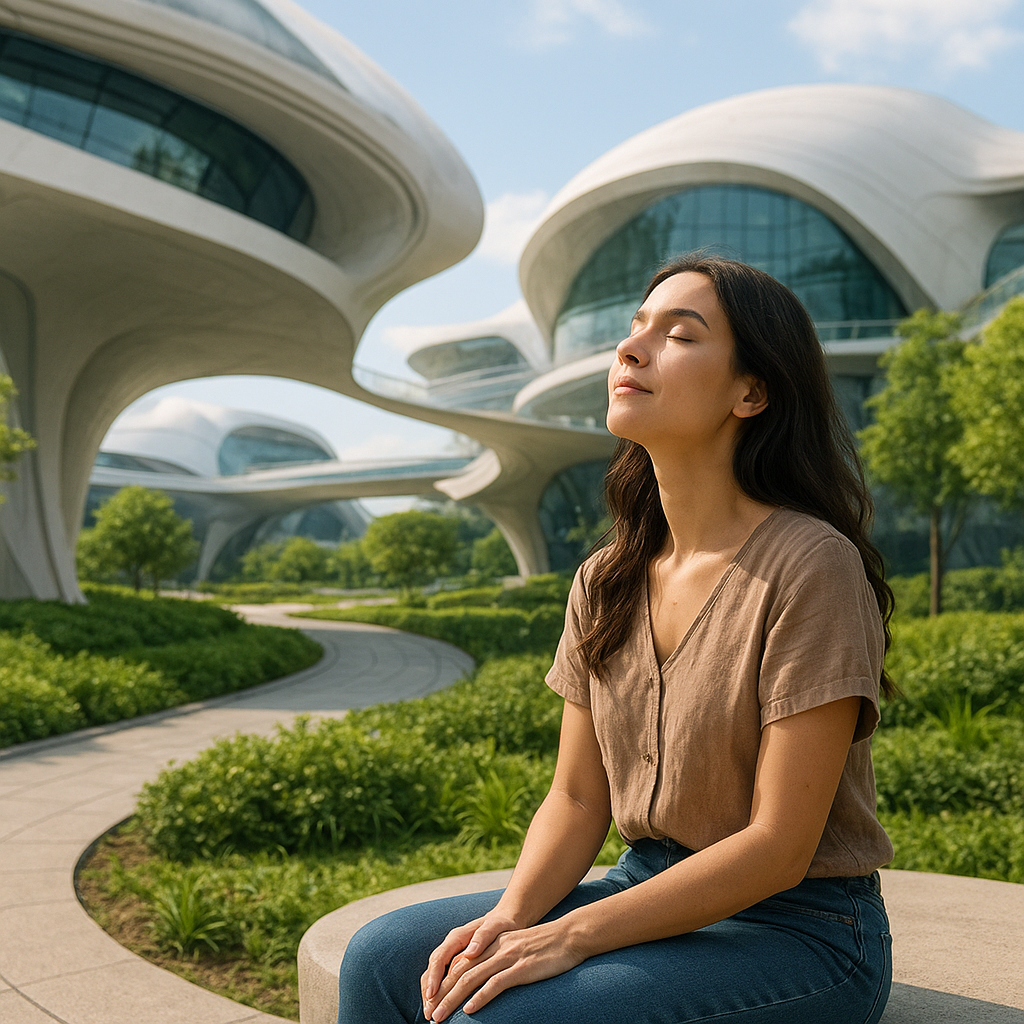
As remote work blurs the line between personal and professional spheres, designers are turning to biophilic design to foster wellbeing and productivity. Incorporating natural materials, green walls, and water features injects a sense of calm, counteracting the isolation often felt by telecommuters.
Key tactics include:
- Vertical gardens that act as living partitions, purifying air and offering visual relief.
- Indoor-outdoor transitions, such as operable walls, create hybrid environments where work and leisure coalesce.
- Daylight harvesting systems that channel sunlight deep into building cores, regulated by automated louvers for glare control.
Prioritizing access to nature not only enhances mental health but also supports sustainable targets. Green roofs and rainwater harvesting integrate functionality with aesthetics, providing avenues for social interaction and localized food production within communal work villages.
Technological Infrastructures Shaping Future Workspaces
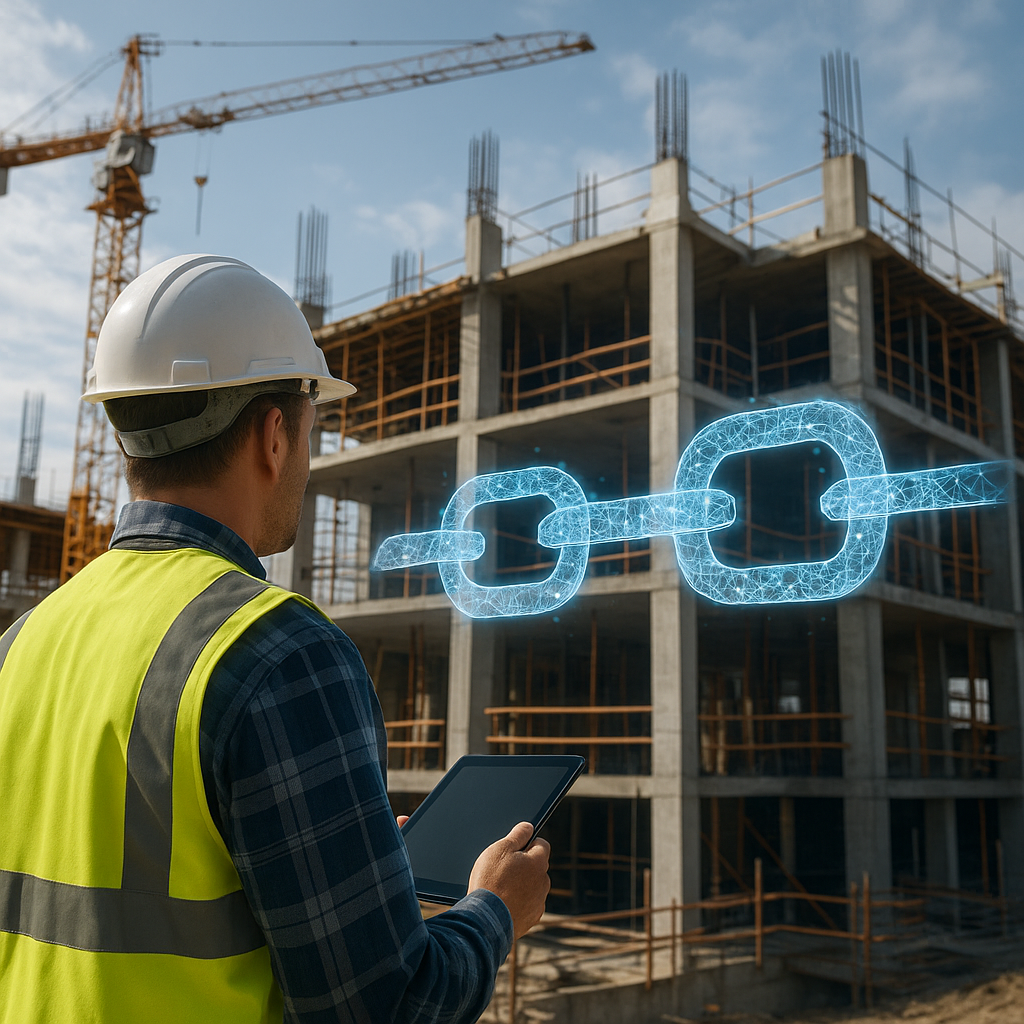
Underlying the physical form of futuristic architecture is a robust digital backbone. The rise of digitalization has spurred innovations such as blockchain-enabled property management, AI-driven space allocation, and immersive VR meeting platforms.
Highlights of these developments include:
- Smart surfaces that double as interactive displays, allowing presentations to unfold on walls or desks seamlessly.
- Gesture-based controls for lighting, temperature, and acoustics, minimizing touchpoints in health-sensitive contexts.
- Augmented reality overlays that guide users through complex building layouts or provide real-time performance metrics.
By blending physical and virtual realms, workers experience an immersive environment tailored to task demands. Conference rooms can transform into digital studios, while private pods adapt visual backdrops to suit branding or mood. The result is a dynamic habitat where technological and architectural systems operate in harmony.
Social and Urban Implications of a Distributed Workforce
Remote work’s ascendancy extends beyond individual buildings, reshaping entire urban fabrics. Planners anticipate a shift from centralized business districts to polycentric networks of activity nodes. This decentralization demands new typologies that weave together residential, commercial, and leisure functions.
Important considerations include:
- Transport innovation: Autonomous shuttles and micro-mobility zones connect dispersed work clusters, reducing reliance on private cars.
- Public realms: Open plazas and shared gardens become vital venues for spontaneous collaboration, reinforcing community bonds.
- Resilience: Multi-functional structures designed for rapid program changes address evolving market and environmental conditions, boosting resilience to disruptions.
Moreover, equipping neighborhoods with localized energy generation—solar canopies, micro-wind turbines, and battery storage—supports self-sufficient enclaves. This fosters both ecological stewardship and economic autonomy, as residents trade surplus power within smart grids and engage in peer-to-peer exchange of services and skills.
Towards Autonomous and Responsive Architectural Ecosystems
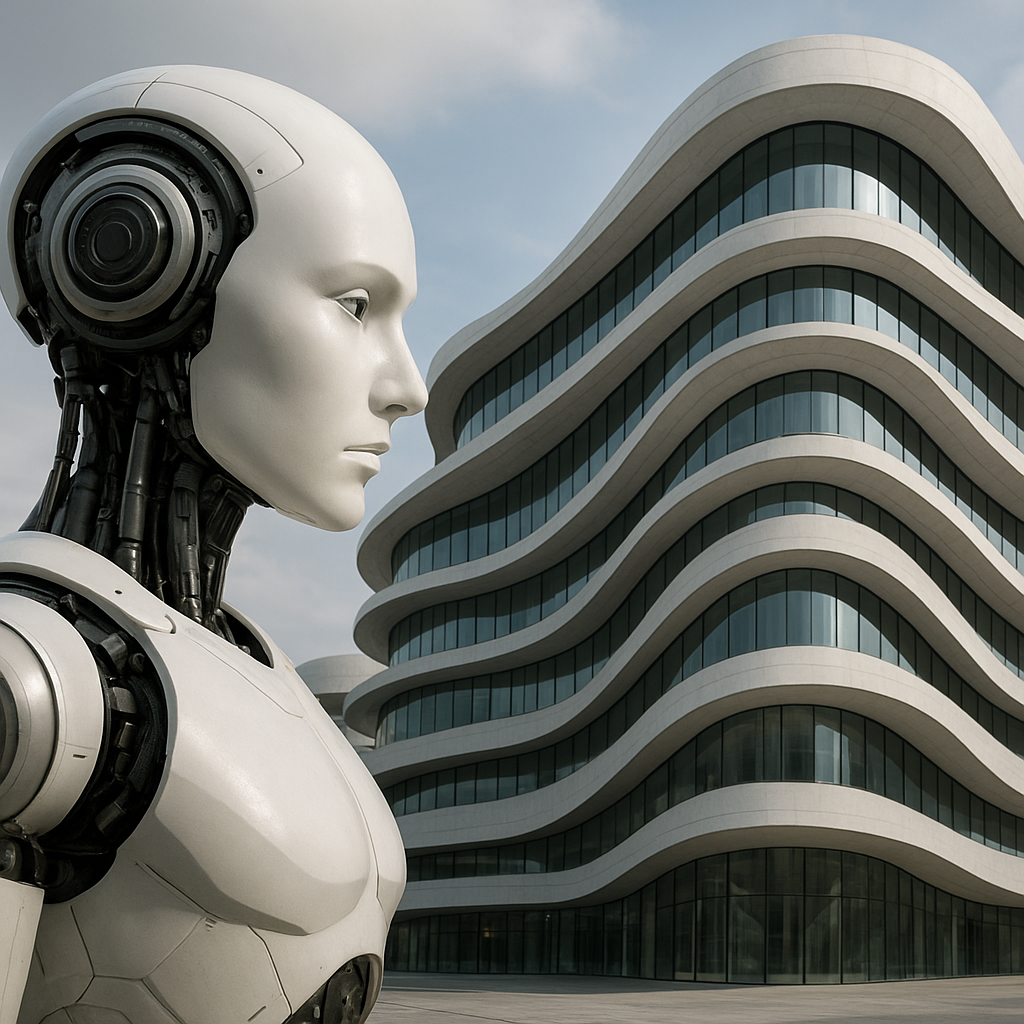
The ultimate aspiration is to cultivate buildings that learn and evolve alongside their inhabitants. Embedded sensors and machine-learning algorithms monitor usage patterns, adjusting spatial configurations to optimize comfort and efficiency. In this context, autonomy extends beyond individuals to the very infrastructure they occupy.
Steps toward this vision encompass:
- Predictive maintenance systems that foresee equipment failures, scheduling repairs before downtime occurs.
- Dynamic zoning strategies, where walls slide or inflate to create private workcells or open collaboration arenas on demand.
- Energy harvesting floors and kinetic furniture that convert human movement into power, cultivating an interactive, self-sustaining environment.
Such resilience and intelligence at scale promise to redefine value in the built environment. No longer static monuments, these structures become adaptive companions in the ebb and flow of professional and personal life.