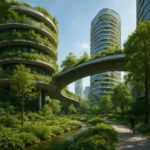
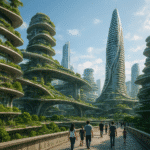

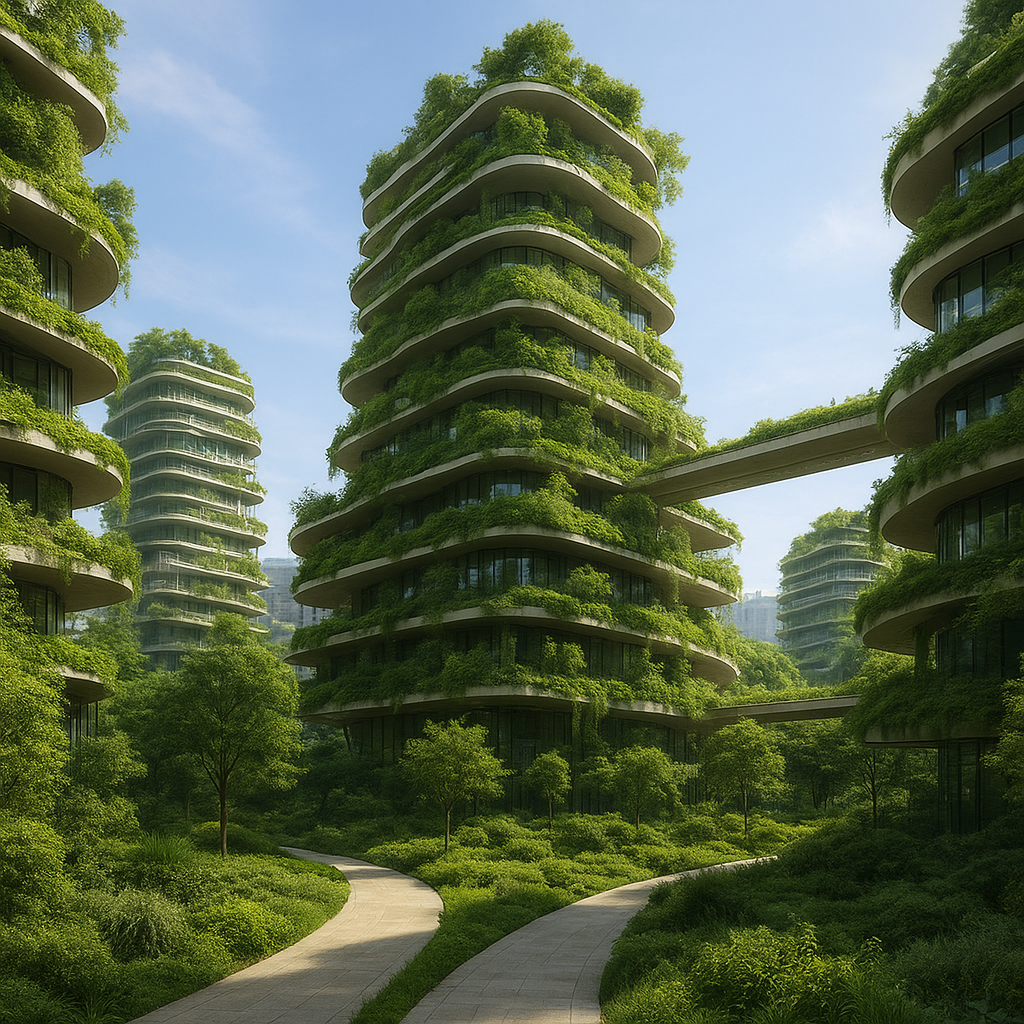
The field of bioengineered architecture merges living organisms with cutting-edge design to create structures that grow, heal, and adapt like natural organisms. This new paradigm transcends traditional building methods by harnessing biological processes—turning walls into self-regulating ecosystems and façades into carbon-sequestering membranes. Combining the disciplines of biomimicry, nanotechnology, and sustainable engineering, these living buildings can perform complex tasks such as photosynthesis, environmental sensing, and resource recycling. In this article, we explore the principles behind these innovations, examine adaptive features of living façades, evaluate their environmental impact, and consider the challenges facing the mass adoption of this revolutionary approach.
Bioengineering Principles in Architecture
At its core, bioengineered architecture relies on integrating living cells, tissues, or microorganisms into construction materials. Recent advances in genetic modification allow scientists to program bacteria, algae, or yeast to produce structural proteins, pigments, or even conductive polymers. When embedded within a substrate, these organisms confer unique functions—such as self-repair, environmental response, or dynamic color changes. The incorporation of self-healing microbial spores into concrete mixtures, for instance, has led to the development of “living concrete” that can mend cracks autonomously, reducing maintenance costs and extending building lifespan.
Genetically Enhanced Building Materials
- Engineered mycelium composites that combine fungal networks with agricultural waste, resulting in insulation panels that are lightweight, fire-resistant, and fully biodegradable.
- Photosynthetic biopolymers derived from algae, offering translucent roofing elements that generate oxygen while shading interiors.
- Programmable bacterial biofilms capable of sensing pollutants and emitting visual signals or neutralizing toxins.
By manipulating the DNA of these organisms, architects and biotechnologists can fine-tune growth patterns, mechanical strength, and metabolic activity to meet specific design criteria. This synergy of biology and engineering ushers in a regenerative design ethos—structures that do not merely minimize harm but actively restore and enhance their surroundings.
Adaptive Functions of Living Facades
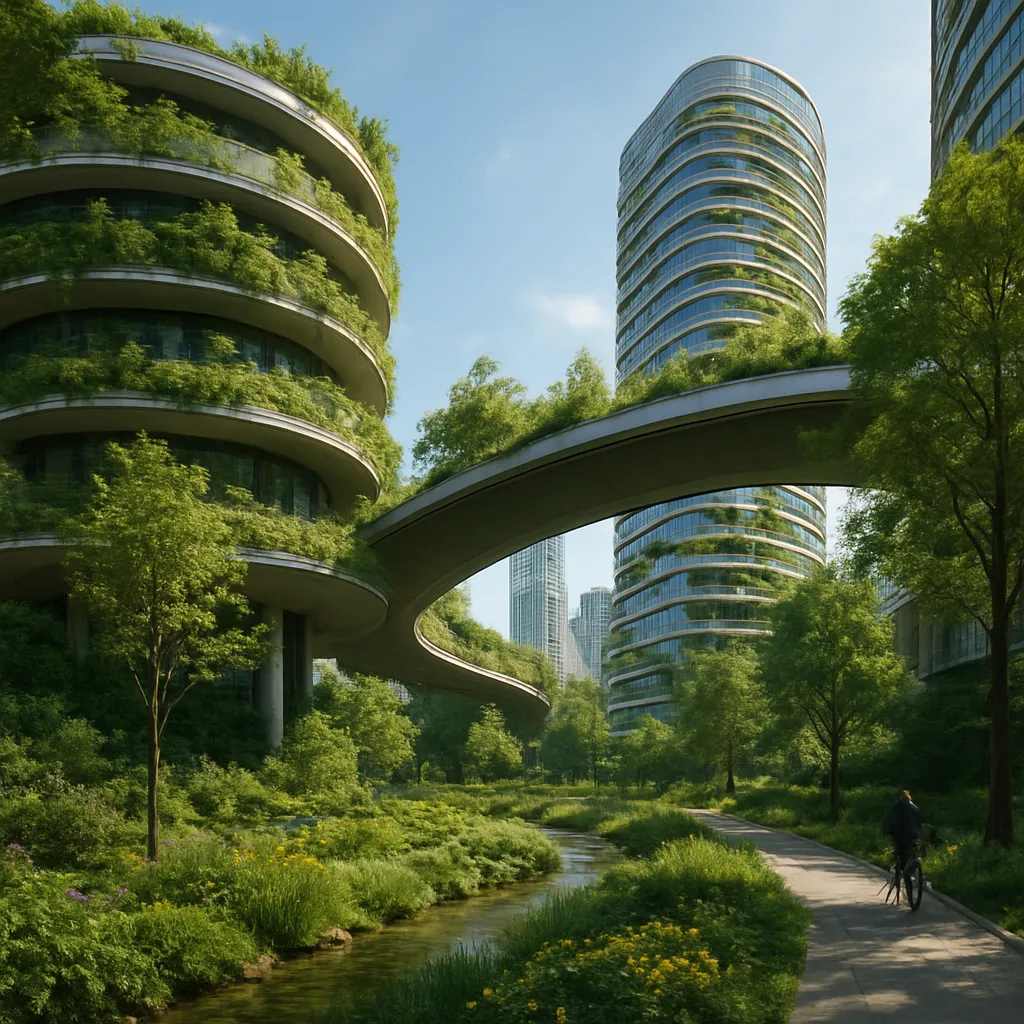
Living façades represent one of the most visible applications of futuristic architecture. Unlike static cladding systems, these dynamic skins shift their permeability, color, and texture in response to environmental stimuli. Through embedded sensors and biological actuators, buildings can regulate their own microclimate, optimize daylighting, and reduce energy consumption.
Thermoregulation and Light Management
Traditional HVAC systems require substantial energy to maintain comfort levels, but living façades leverage photosynthetic and evaporative cooling mechanisms. Algae panels, for example, can absorb solar radiation, convert CO₂ into biomass, and limit heat transfer into the interior. During peak sunlight, photosynthetic activity peaks, shading windows naturally and reducing air-conditioning loads. At night, the living façade can reopen porous channels to release stored heat, maintaining a stable indoor temperature.
Dynamic Aesthetic Expression
- Color-changing biofilms that respond to air quality, shifting from green to red in the presence of pollutants.
- Programmable growth patterns in climbing vines, creating seasonal motifs or patient-friendly environments in healthcare settings.
- Bioluminescent organisms integrated into façade modules, providing low-energy illumination during evening hours.
Such adaptive surfaces not only enhance occupant well-being but also create a dialogue between structure and ecosystem. By perceiving environmental shifts and transforming accordingly, living façades exemplify the concept of buildings as responsive, adaptive entities rather than inert containers.
Sustainability and Environmental Impact
One of the driving forces behind living architecture is the pursuit of net-positive ecological impacts. Unlike conventional constructions that generate significant embodied carbon and waste, bioengineered buildings can actively sequester carbon, process wastewater, and contribute to biodiversity.
Carbon Sequestration and Oxygen Production
Algal bioreactors integrated into façades or roof modules capture atmospheric CO₂ and transform it into biomass. This process not only offsets operational emissions but can also produce valuable byproducts such as biofuels or animal feed. Similarly, photosynthetic cyanobacteria embedded within wall panels continuously release oxygen, improving indoor air quality and enhancing occupant health.
Water Recycling and Purification
- Constructed wetlands on terraces and green roofs that filter greywater through plant root systems and microbial consortia.
- Membrane bioreactors employing bacterial communities to degrade organic contaminants and pathogens.
- Rainwater-harvesting façades coated with hydrophilic biofilms, slowing runoff and reducing stormwater peaks.
By integrating these systems directly into structural components, buildings evolve into living ecosystems that cycle nutrients, manage resources, and deliver ecosystem services previously restricted to natural landscapes.
Challenges and Future Prospects
Despite its promise, the widespread adoption of bioengineered architecture faces technical, regulatory, and cultural hurdles. Ensuring the long-term stability of living materials poses a major challenge. Biological constituents are sensitive to temperature fluctuations, pathogens, and genetic drift. Researchers are developing protective matrices and genetic safeguards to maintain performance over decades without unintended ecological consequences.
Regulatory and Safety Considerations
Introducing genetically modified organisms (GMOs) into an open environment triggers strict biosafety regulations. Architects and developers must collaborate with biocontainment experts to design failsafe mechanisms—such as synthetic nutrient dependencies or kill-switch circuits—to prevent accidental proliferation outside intended structures.
Public Acceptance and Aesthetic Norms
- Educational initiatives to raise awareness about the benefits and safety protocols of living buildings.
- Demonstration projects and pilot installations in urban centers, showcasing resilience and human-centered design.
- Cross-disciplinary collaborations between artists, engineers, and biologists to shift cultural perceptions and foster imaginative solutions.
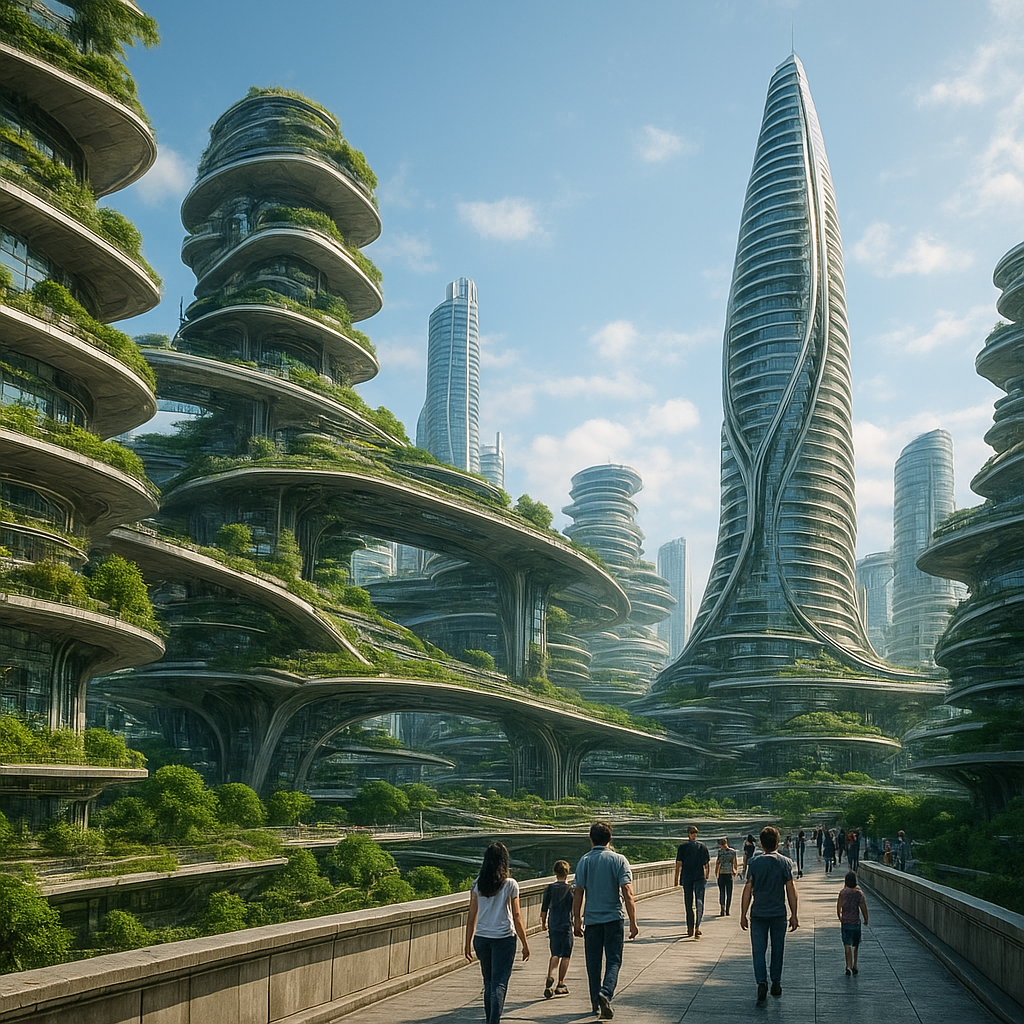
Looking ahead, advances in nanotechnology will enable precise control over cellular behavior, while AI-driven design platforms optimize growth patterns for structural integrity and resource efficiency. Modular living units may soon be mass-produced, delivering plug-and-play biofacades that retrofit existing buildings. Over the next few decades, the convergence of synthetic biology and architecture promises an era of truly living cities—cities that breathe, heal, and evolve alongside their inhabitants, embodying the principles of sustainability, urban resilience, and harmonious coexistence.