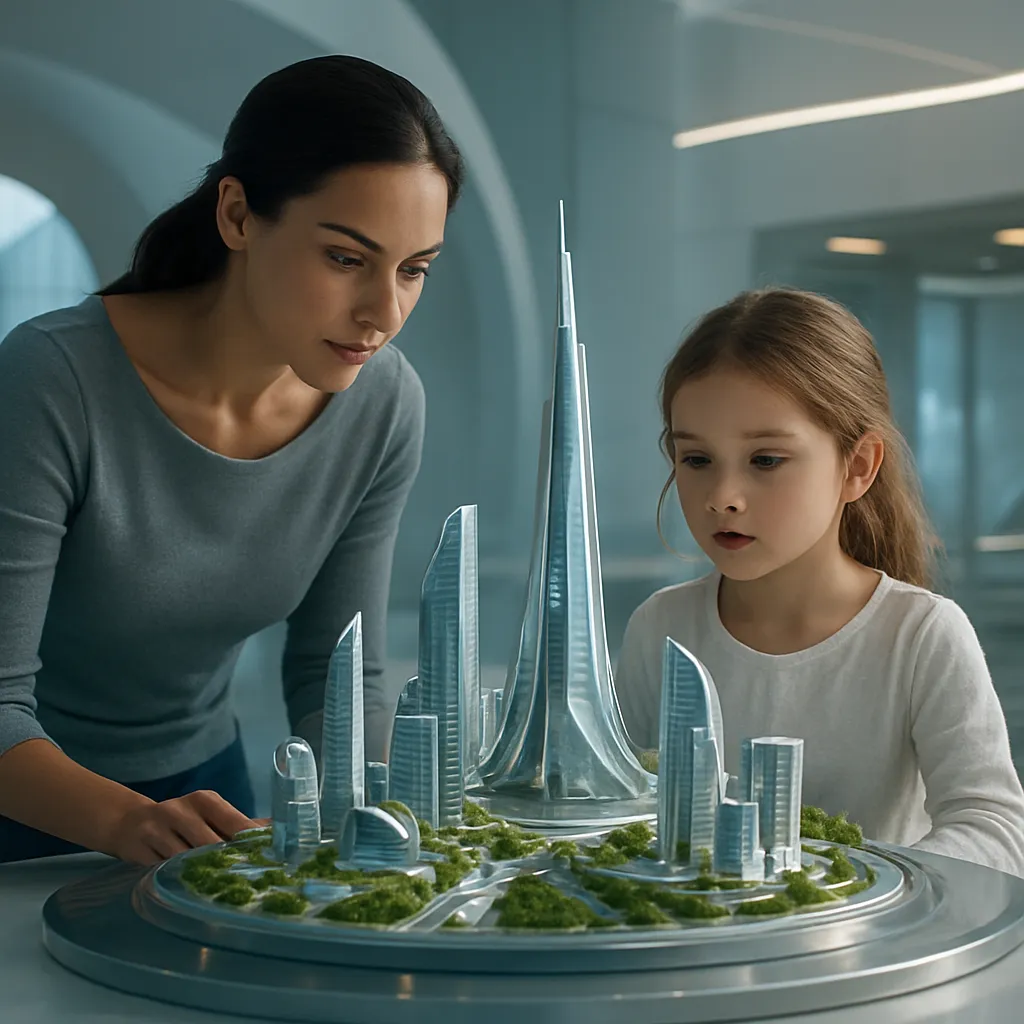


Envision a metropolis where every street, tower, and public space evolves in harmony with intelligent transit networks. The fusion of data-driven decision-making and innovation in architecture propels urban environments beyond their static legacy. By centering the blueprint of tomorrow’s cities on AI-powered transportation, planners unlock unprecedented levels of efficiency, sustainability, and citizen-centric design.
AI-Driven Mobility Landscapes
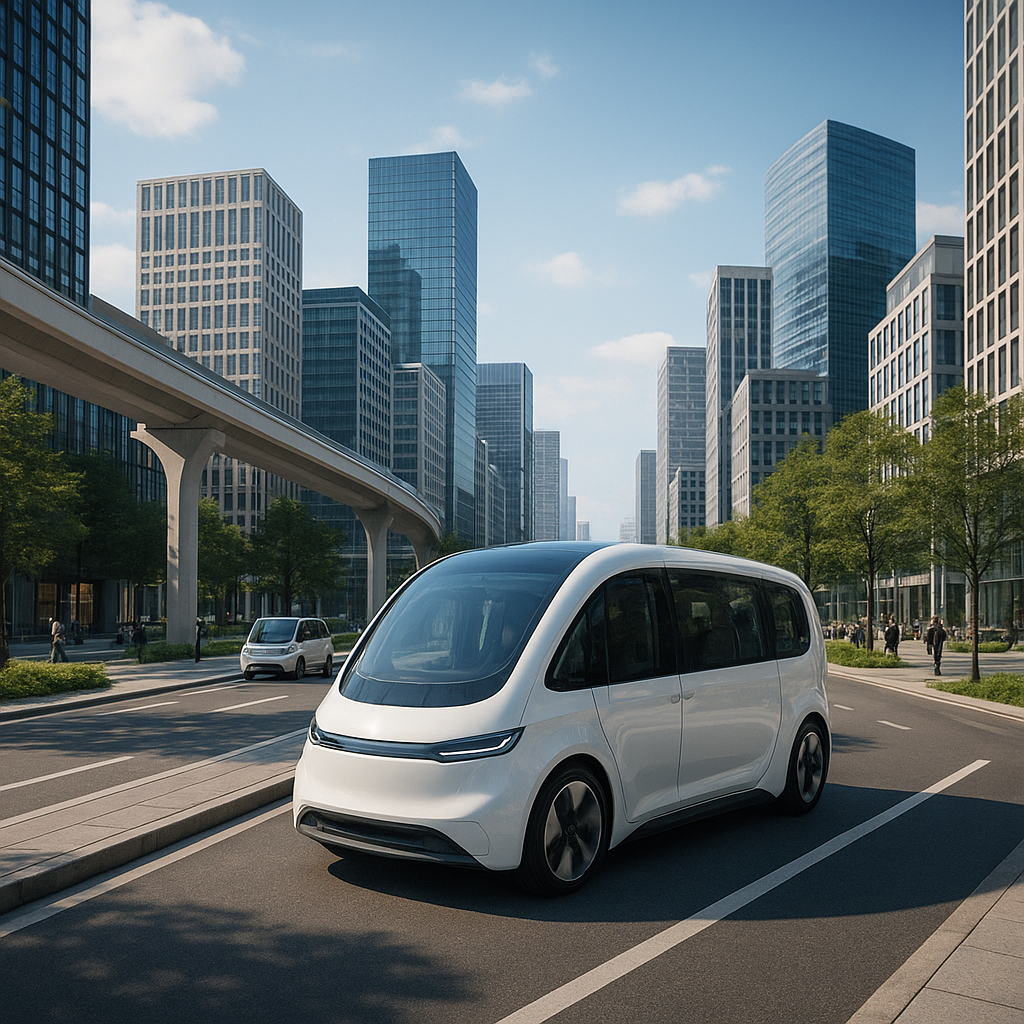
The rapid ascent of machine learning and sensor technologies paves the way for vehicles and transit systems to operate with unparalleled autonomy. No longer confined to human schedules or unpredictable traffic conditions, fleets of self-driving buses, taxis, and delivery drones coordinate through cloud-based platforms, ensuring continuous flows across arterial roads and pedestrian zones.
Key elements that define these intelligent corridors include:
- Dynamic routing powered by real-time traffic analytics
- Adaptive traffic signals responding to vehicle density
- Seamless transfer hubs integrating air, ground, and even subterranean transit
- Predictive maintenance using IoT sensors embedded in infrastructure
Through these mechanisms, journeys that once took hours can be trimmed to minutes, while emissions drop as vehicles maintain optimal speed profiles. The result is a city that breathes, learns, and adjusts to both routine flows and unexpected surges.
Integrating Infrastructure and Architectural Form
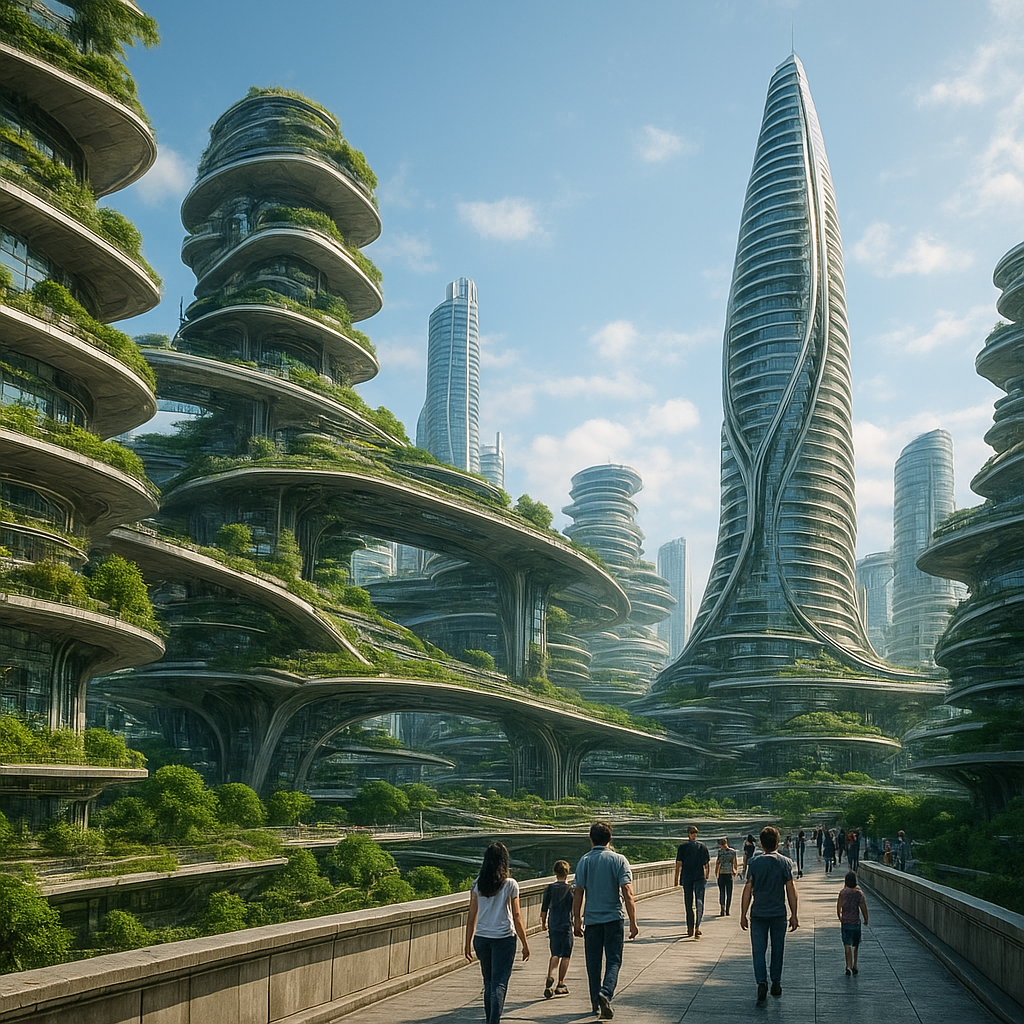
Designing buildings and public realms around AI-driven transit demands a radical rethink of spatial relationships. High-rises equipped with drone landing pads coexist with horizontal mobility lanes elevated above street level. Beneath them, smart tunnels house hyperloop capsules or autonomous cargo carriers.
Adaptive Building Skins
Facades transform in response to environmental stimuli and passenger movement patterns. Using AI algorithms, panels adjust transparency, thermal insulation, and airflow to maintain optimal comfort in transit lounges or platforms. Architects leverage these systems to reduce energy consumption while enhancing user experience.
Interconnected Hub Ecosystems
Major transit nodes evolve into microcities, featuring mixed-use spaces where residents can work, shop, and socialize without leaving the transport network. Such hubs exhibit:
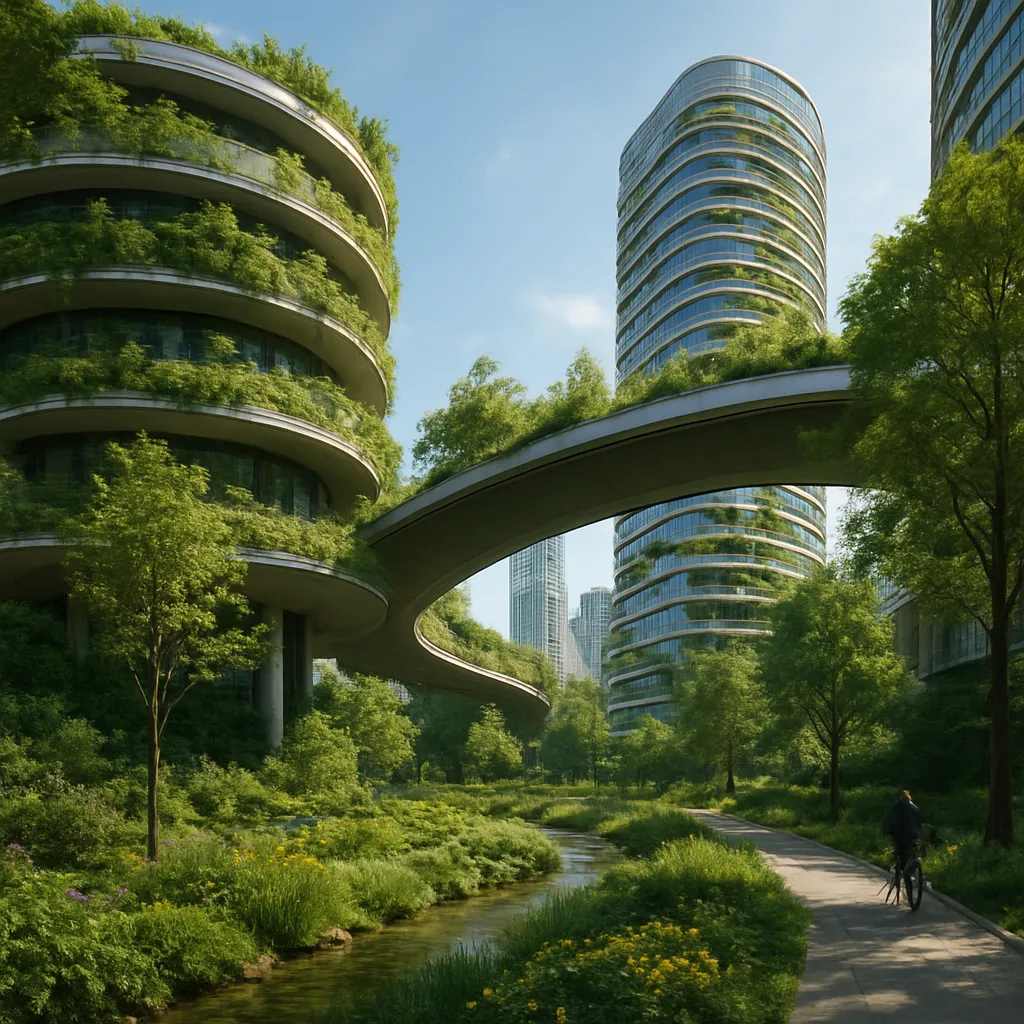
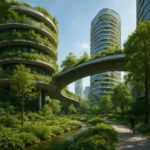
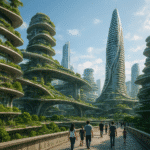
- Vertical green corridors connecting multiple levels
- Multi-modal entry points for seamless transfers
- Public art installations that respond to passenger density
- Real-time wayfinding displays that adapt to user preferences
These integrated designs foster interconnectivity and encourage a culture of shared mobility, reducing reliance on private vehicles and minimizing urban sprawl.
Systems of Resilience and Optimization
Urban planners turn to advanced simulations and digital twins—virtual replicas of the city—to test scenarios ranging from extreme weather to sudden shifts in commuting trends. AI models predict network bottlenecks, enabling proactive adjustments such as rerouting transit or deploying additional vehicles.
Resilience is further strengthened by:
- Distributed energy systems that power stations and charging depots
- Modular infrastructure adaptable to evolving technologies
- Decentralized control centers for local decision-making
Through continuous feedback loops, every element—from streetlights to train schedules—undergoes optimization and refinement. This cyclical process ensures infrastructure remains agile in the face of demographic shifts or resource constraints, embodying true resilience.
Human-Centered Mobility and Social Equity
Beyond technological marvels, the city’s heartbeat lies in equitable access. AI informs planners of underserved zones, enabling targeted deployment of on-demand shuttles and pedestrian-friendly corridors. By analyzing travel patterns, systems ensure that all communities gain from enhanced mobility options.
Critical considerations include:
- Affordability models driven by dynamic pricing algorithms
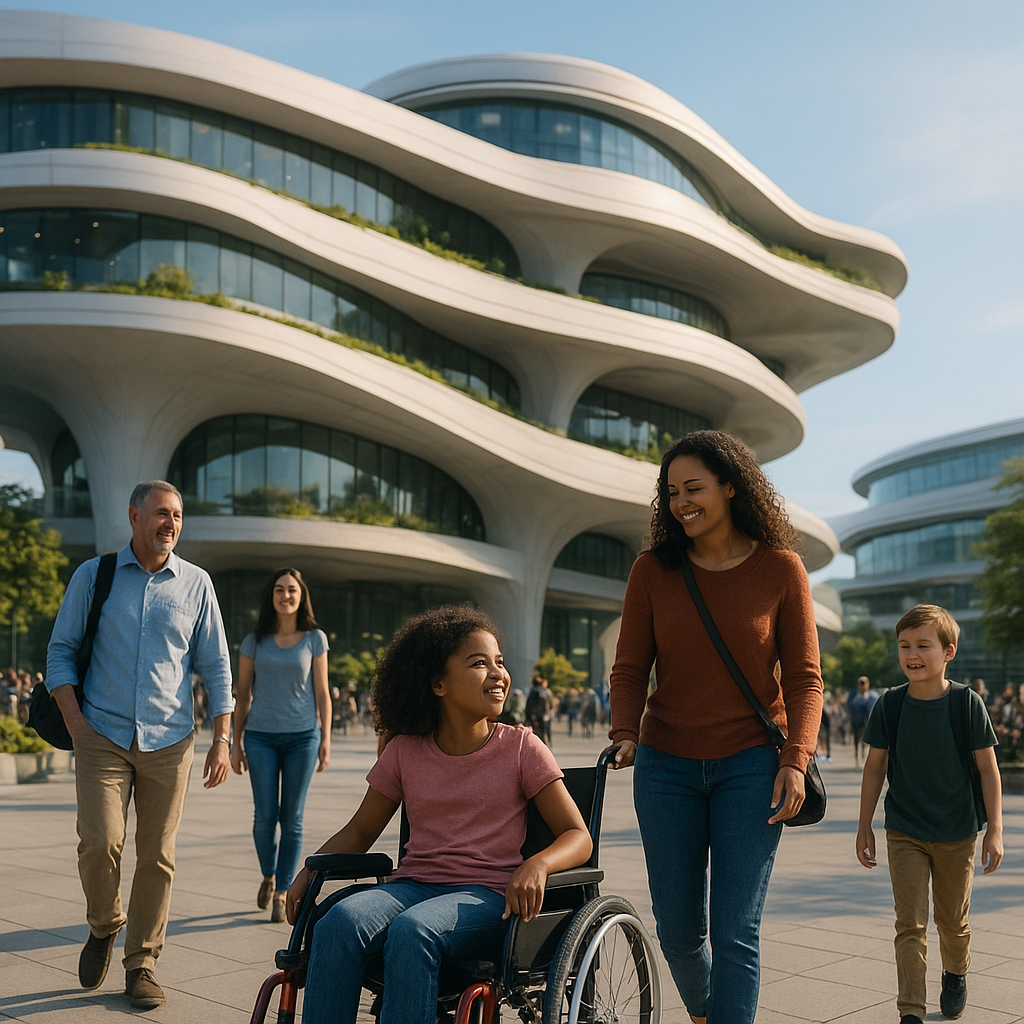
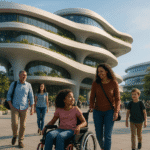
- Accessibility features for elderly and disabled passengers
- Community engagement platforms that crowdsource feedback
When adaptability and inclusivity guide design, cities become canvases where every resident benefits from the AI revolution, rather than a privileged subset.
Future Trajectories and Ethical Imperatives
As transportation networks morph into sentient grids, architects and engineers face ethical dilemmas around data privacy, algorithmic bias, and digital sovereignty. Transparent governance frameworks must accompany technological rollouts to safeguard individual rights. Meanwhile, ongoing research explores:
- Decentralized data models that protect user anonymity
- Equitable AI systems free from socioeconomic bias
- Cross-border collaborations on standards and regulations
By embedding ethics at the core of innovation, cities ensure that the quest for sustainability does not override fundamental human values. The interplay of policy, technology, and design shapes a horizon where real-time responsiveness and community trust coexist.
Conclusion of an Open Evolution
Although the blueprint outlined here represents a bold departure from traditional urbanism, it is just the beginning. As AI-driven transit matures, the boundary between architecture and mobility will continue to dissolve, forging dynamic habitats that adapt to both environmental imperatives and human aspirations. Embracing this paradigm invites cities to become living organisms—ever-learning, ever-improving, and perpetually aligned with the needs of their citizens.