


Architects and engineers are charting a bold course toward structures that require minimal upkeep over decades. By integrating the latest advances in materials science, robotics and environmental design, they aim to create buildings that virtually care for themselves, redefining how we live and work in urban and rural landscapes alike.
Embracing a Futuristic Blueprint for Longevity
A paradigm shift is underway: buildings conceived not merely as static shells but as living systems. This approach hinges on tenets such as modularity, redundancy and ecological integration. Visionary designers leverage a set of core principles:
- Prefabricated modules tailored for rapid assembly and easy replacement
- Passive energy strategies that harness sunlight, wind and geothermal gradients
- Materials selected for ultra-low degradation and long-term performance
- Embedded digital frameworks to enable constant monitoring and predictive analysis
At the heart of this blueprint lies the ambition to achieve unparalleled resilience. When unexpected stresses arise—extreme weather events, seismic shifts or everyday wear—the structure adapts dynamically, mitigating damage and extending operational life without costly interventions.
Innovative Materials and Cutting-Edge Technologies
Biomimetic and Self-Healing Components
Nature offers a masterclass in repairing damage. By drawing from biomimicry, researchers are developing concrete mixtures infused with bacteria or microcapsules that release healing agents upon crack formation. These self-repairing composites can close fissures autonomously, preventing water infiltration and corrosion of reinforcement steel.
Nanostructured Surfaces and Protective Coatings
Advances in nanotechnology have yielded coatings that repel dirt, inhibit microbial growth and resist ultraviolet degradation. A façade treated with nanocomposite layers can stay pristine for years, sloughing off pollutants and reducing cleaning cycles to once a decade or more. Additional benefits include improved thermal insulation and glare reduction, enhancing occupant comfort and lowering maintenance burdens.
- Anti-soiling nano-coatings for glass and metal
- Hydrophobic membranes that channel rainwater off surfaces
- UV-stable pigments to preserve color integrity
By employing 3D printing techniques, entire wall panels, fixtures and structural nodes can be manufactured on demand, tailored for precise geometry and material composition. This method slashes waste, streamlines logistics and allows rapid upgrades as new materials emerge.
Adaptive Systems and Smart Maintenance Strategies
Integrating Real-Time Monitoring
Embedding networks of sensors within floors, walls and roofs transforms a building into a living entity. These devices gauge humidity, stress loads, temperature fluctuations and chemical exposures, feeding data into artificial intelligence platforms. Predictive algorithms then forecast potential failures, triggering preemptive actions such as localized draining of water channels or activation of ventilated cooling panels.
Automation and Robotics in Facility Management
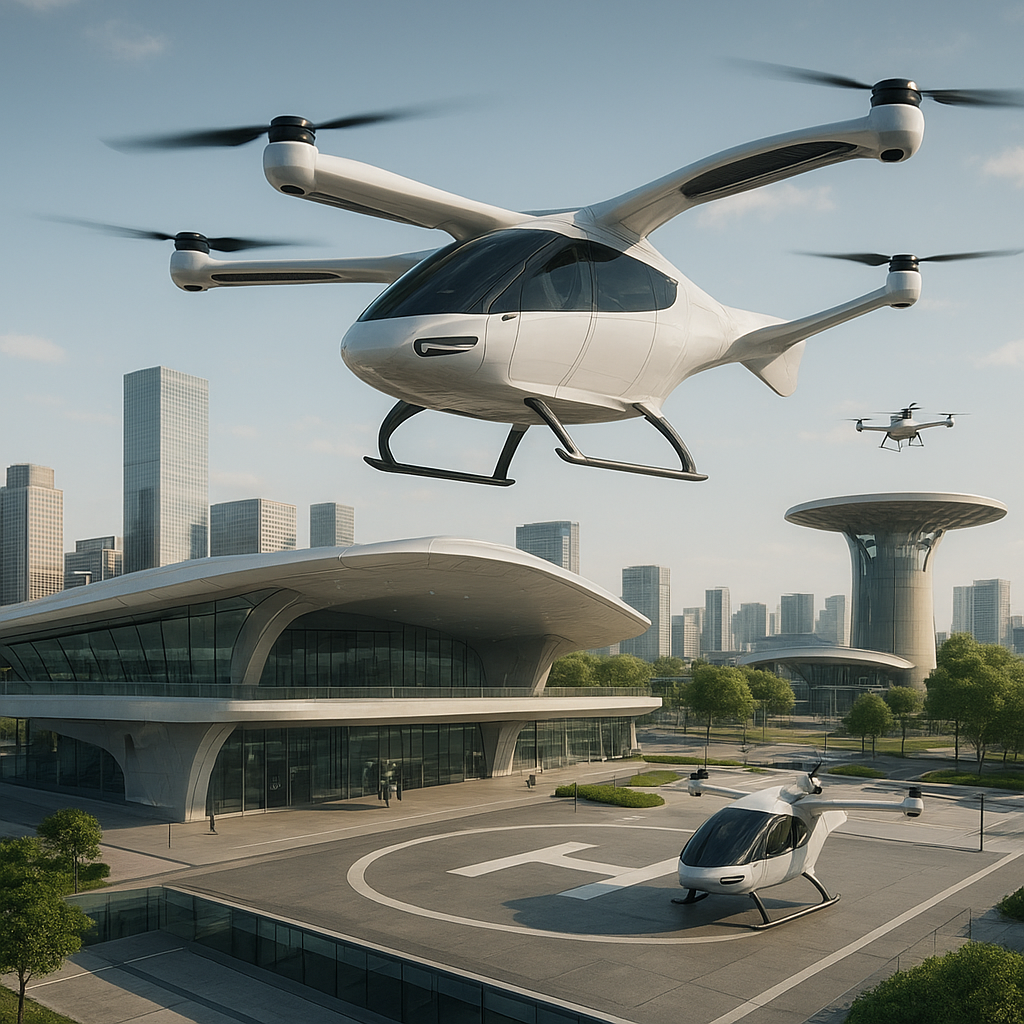
Robotic drones and ground-based bots conduct routine inspections, cleaning and minor repairs. Equipped with high-resolution cameras and ultrasonic scanners, they traverse interior and exterior surfaces, identifying wear and tear long before human teams arrive. Automated maintenance vehicles can replace filters, tighten fasteners and apply sealants on schedule, ensuring uninterrupted performance.
- Autonomous drones for façade inspections
- Robotic arms for sealant application in hard-to-reach zones
- AI-driven scheduling that optimizes energy use during service cycles
This synergy of automation and smart infrastructure reduces labor costs and eliminates error-prone manual tasks, ushering in an era where upkeep is seamless, continuous and virtually invisible to occupants.
Urban Integration and the Future of Building Lifecycles
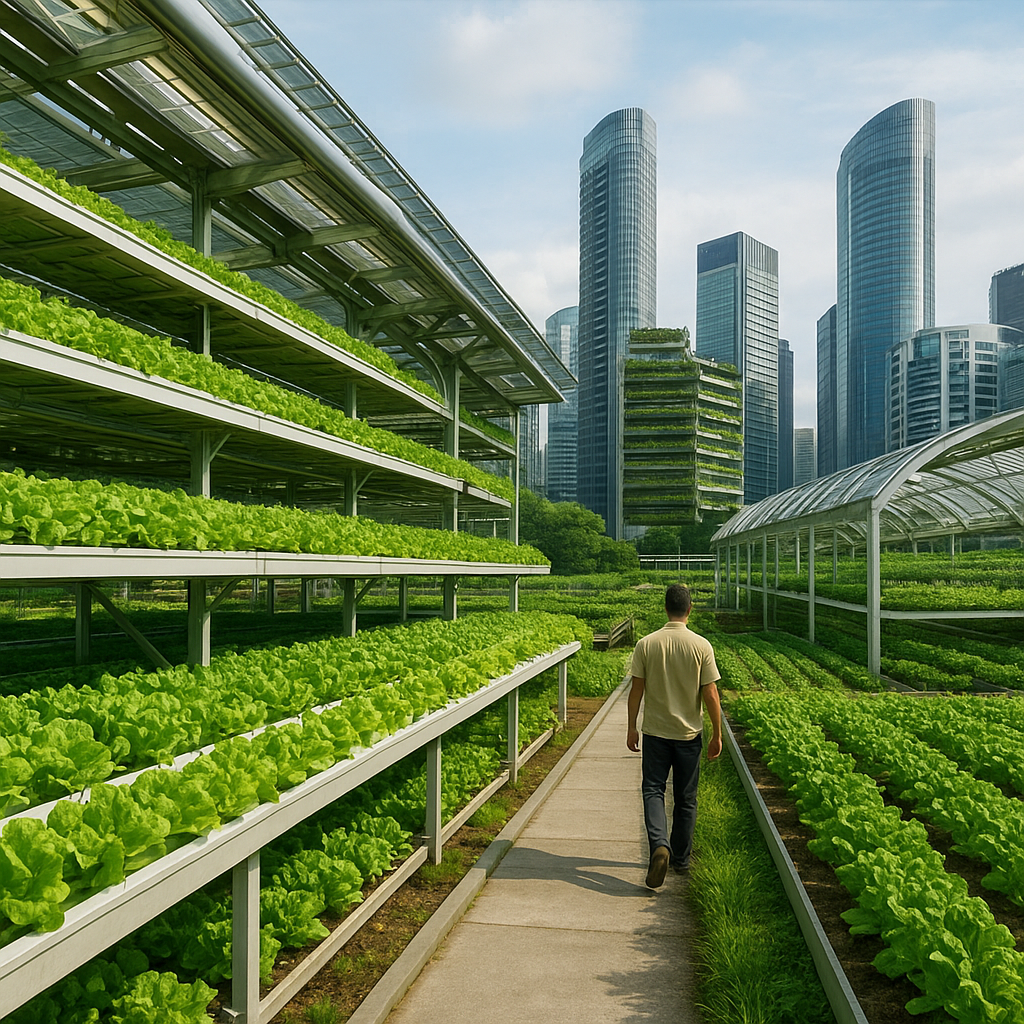
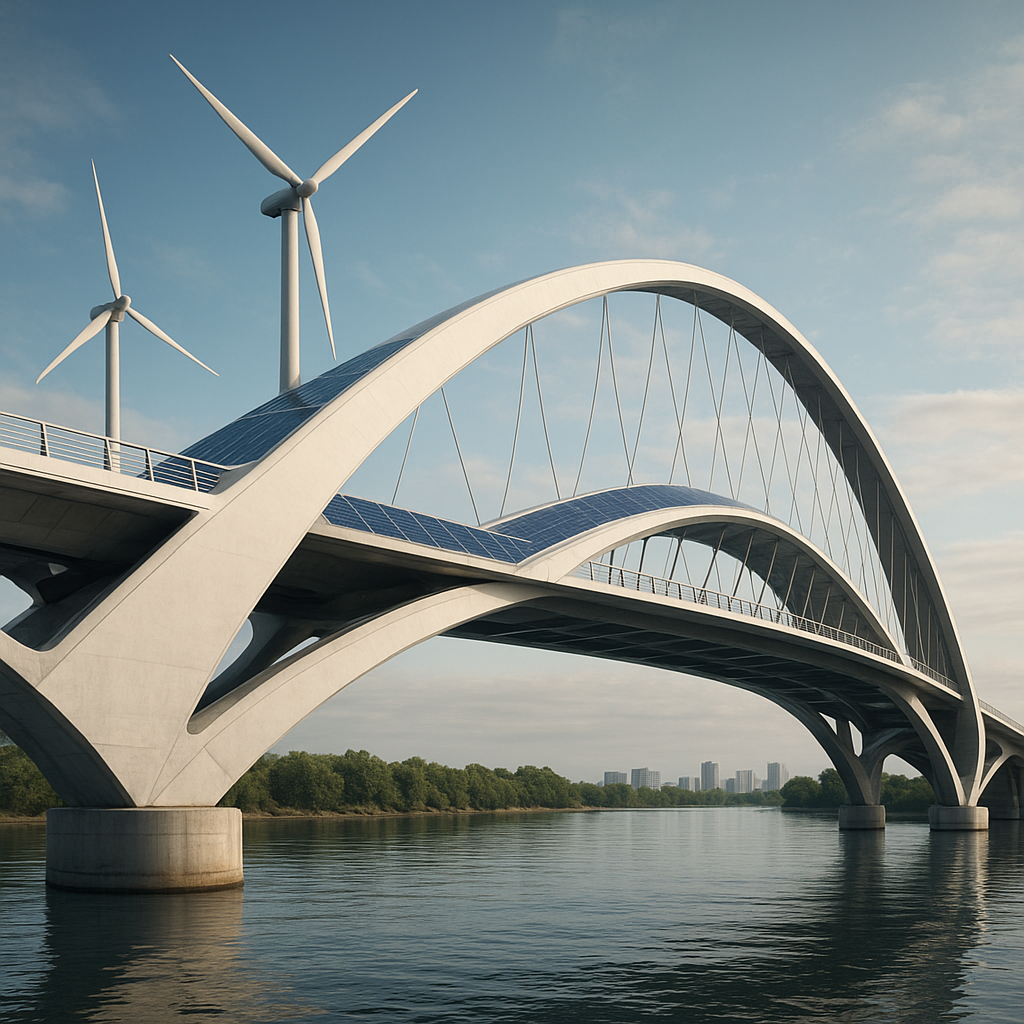
As cities densify, maintenance-free design moves beyond isolated projects to holistic urban ecosystems. Buildings communicate with transportation nodes, energy grids and waste-management facilities, participating in a circular economy. Surplus solar power generated on rooftops can be sold back to the grid, water reclaimed from air-conditioning units irrigates green roofs, and façade modules are recycled into new constructions at end-of-life.
Such forward-thinking frameworks place emphasis on sustainability and long-term value over short-term gains. When every element—from structural beams to cladding panels—is designed for reversible assembly and eventual reuse, cities evolve organically without the environmental toll of demolition and landfill.
Modular towers become part of a dynamic supply chain: as needs shift, units can be relocated, reconfigured or upgraded in situ, demonstrating remarkable adaptability. Meanwhile, maintenance corridors equipped with robotic rails ensure continuous service access without disturbing residents or office workers.
The convergence of these strategies foreshadows an age where buildings outlive their occupants’ initial expectations, fostering urban environments that learn, heal and thrive autonomously in the face of changing climates and societal demands.