

The quest for a built environment that leaves zero trace on natural ecosystems is driving a revolution in architectural thinking. Embracing the concept of circularity, designers and engineers are weaving sustainability and resource efficiency into every stage of a building’s existence. By reimagining how structures are conceived, constructed, deconstructed, and repurposed, the emerging discipline of circular architecture offers a pathway toward urban landscapes that continuously renew themselves. This exploration delves into the guiding principles, cutting-edge innovations, and urban-scale implications of designing for zero waste in a futuristic context.
Principles of Circular Architecture in a Futuristic Context
Circular architecture goes beyond mere recycling or green certifications. It is predicated on a holistic vision of a building’s lifecycle, where every component can be disassembled, reused, or reintegrated into new forms. Central tenets include:
- Design for Deconstruction: Assemblies and modules are connected by reversible joints, enabling easy refurbishment or relocation without producing demolition debris.
- Material Transparency: Detailed mapping of material origins and compositions ensures that each element can re-enter supply chains without contamination or loss of value.
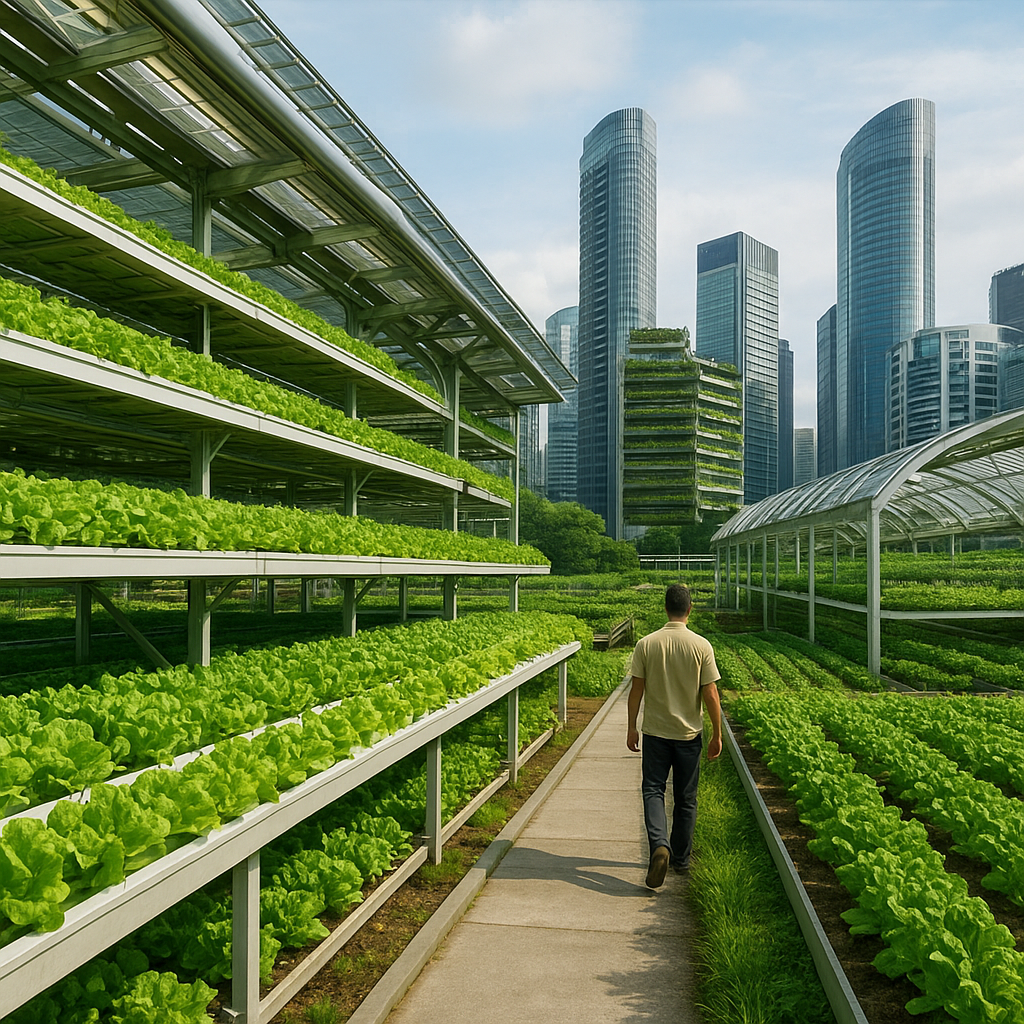
- Resource Looping: Water, energy, and waste streams are envisioned as closed loops, where greywater is purified on-site, nutrients cycle back into urban farms, and energy is captured through integrated photovoltaics.
- Adaptive Reuse: Flexible structural grids and non-load-bearing partition walls allow interiors to morph over time—transforming offices into residences or commercial spaces into community centers with minimal intervention.
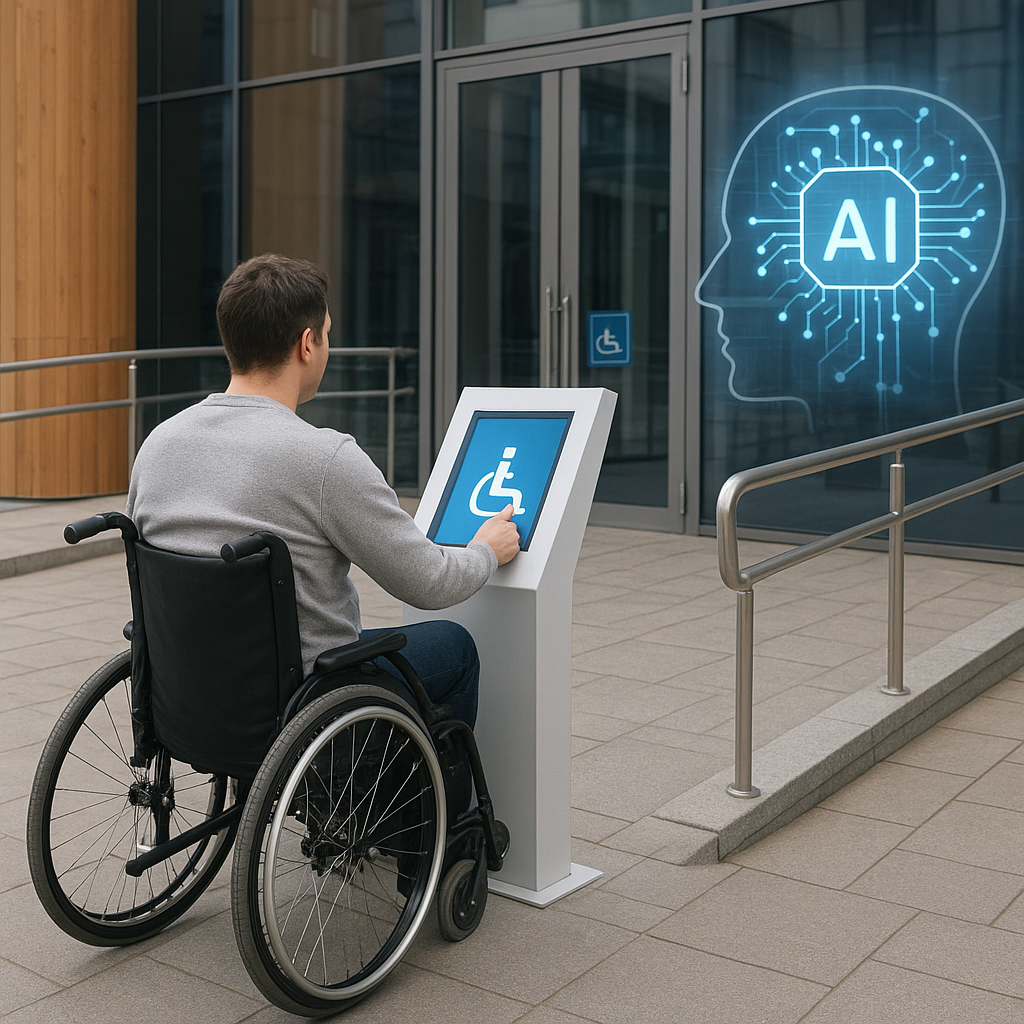
In a futuristic setting, these principles converge into smart building platforms that monitor real-time performance data. Machine learning algorithms predict maintenance needs, guide component replacement, and optimize resource flows. The result is a built form that not only consumes less but evolves dynamically, reflecting changing societal and environmental demands.
Innovative Materials and Technologies Driving Zero Waste
At the heart of circular architecture lies a new generation of materials and technology solutions designed to minimize environmental impact. Leading innovations include:
- Bio-based Composites: Derived from agricultural byproducts such as hemp, flax, or algae, these panels and structural elements boast high strength-to-weight ratios, full compostability, and the ability to sequester carbon during growth.
- Self-Healing Concretes: Infused with bacteria spores and nutrient capsules, these concretes autonomously seal microcracks, extending service life and reducing the frequency of resource-intensive repairs.
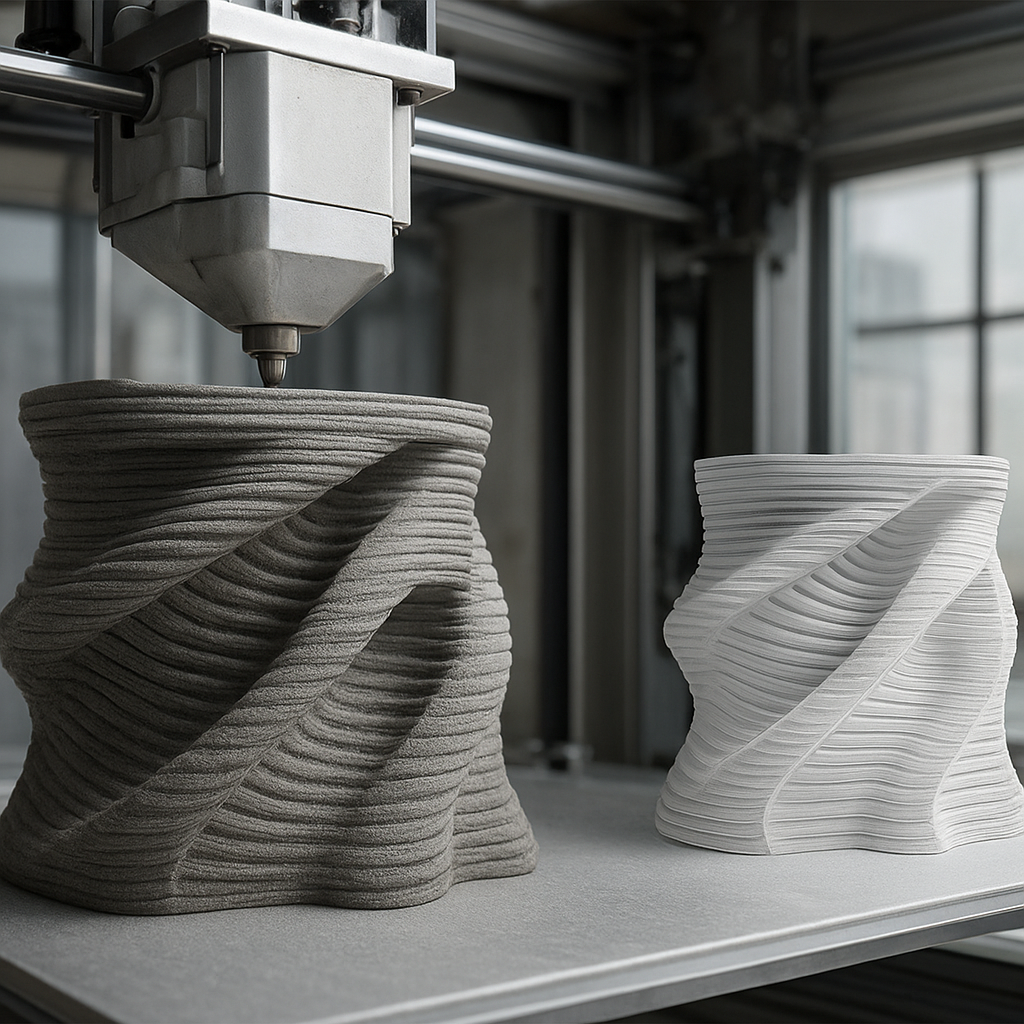
- 3D-Printed Structural Modules: On-site additive manufacturing uses recycled aggregates and biodegradable binders to create bespoke components with optimized geometry, minimizing waste and transportation emissions.
- Dynamic Facades: Responsive skins incorporate phase-change materials and kinetic panels that adapt to solar orientation, harnessing thermal mass or natural ventilation to regulate indoor climates with minimal mechanical input.
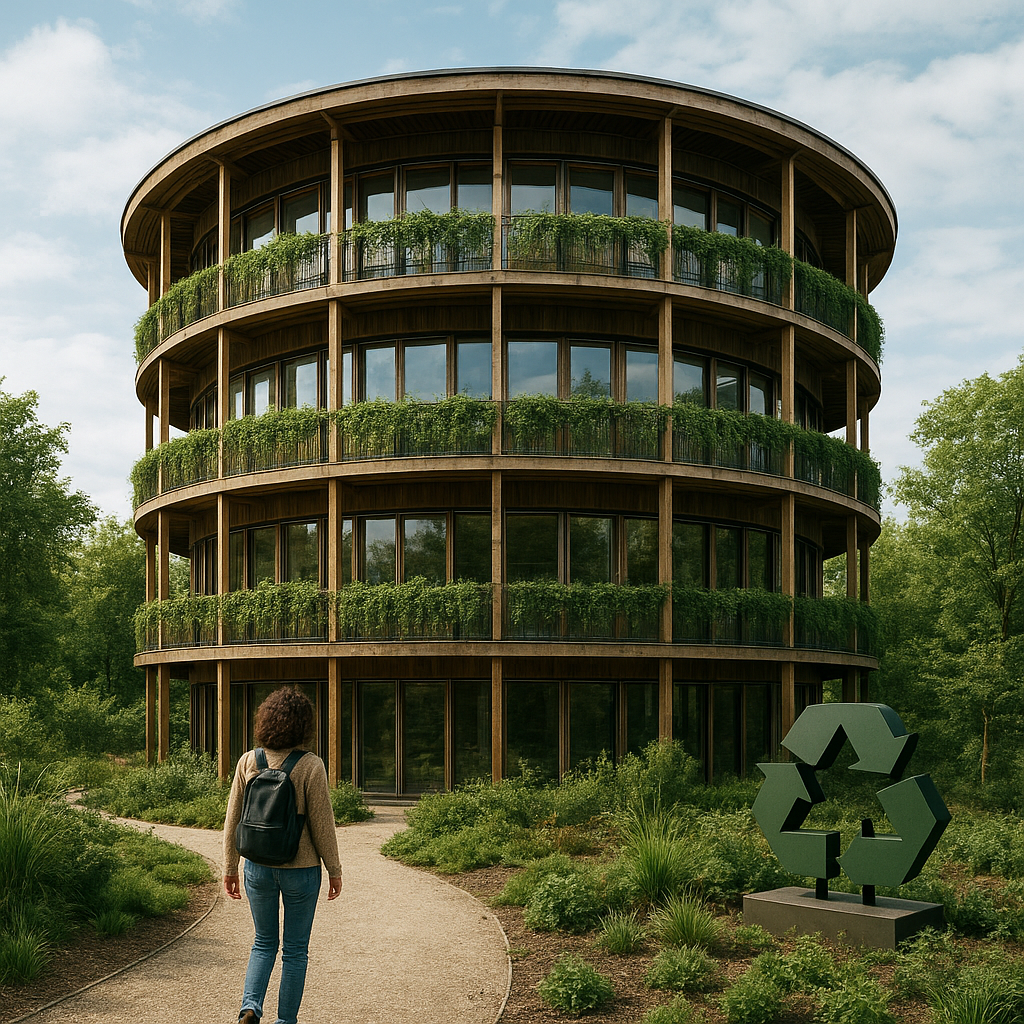
- Modular Timber Systems: Engineered cross-laminated timber (CLT) and dowel-laminated elements form robust, fire-resistant frames that can be deconstructed and repacked for future projects, exemplifying adaptability.
The convergence of these technologies with digital design tools enables architects to simulate every stage of a building’s lifecycle. Virtual reality walkthroughs and parametric models help stakeholders evaluate material flows, energy performance, and end-of-life scenarios before a single brick is laid—ensuring that each decision upholds the ethos of zero waste.
Biomimicry as a Catalyst
Drawing inspiration from nature’s closed-loop systems, biomimetic strategies are reshaping how we conceive façades, HVAC systems, and water management. Just as mycelial networks break down organic matter into nutrients, new biofilms and microbial treatments can process greywater into irrigation-grade effluent. Buildings mimic termite mounds with vent stacks that create passive airflow, reducing reliance on fans and chillers. By harnessing these biological models, architects unlock solutions that are inherently regenerative rather than merely less harmful.
Urban Evolution: Adapting Cities to Circular Models
Scaling circular principles from individual structures to entire districts demands an integrated approach that considers infrastructure, policy, and community engagement. Key strategies include:
- Decentralized Resource Hubs: Microgrids powered by solar and wind, paired with neighborhood-scale waste processing units, transform waste streams into energy, fertilizers, and construction inputs.
- Digital Material Passports: Blockchain-enabled registries track every component’s provenance, condition, and reuse potential, facilitating an open marketplace for reclaimed building elements.
- Flexible Zoning Policies: Municipal codes evolve to incentivize buildings designed for deconstruction, offer tax credits for material reuse, and mandate minimum thresholds for circular content in new developments.
- Community-Driven Repair Cafés: Local workshops empower residents to maintain and repurpose building elements, fostering a culture of resilience and resource consciousness.
Imagine a waterfront district where towers share heat through subterranean pipes, wastewater from commercial kitchens irrigates green rooftops, and modular pavilions frequently reconfigure to host festivals, farms, or markets. Such environments epitomize the innovation possibilities unleashed by circular thinking—where the boundary between building, landscape, and infrastructure blurs in service of continuous renewal.
From Waste to Wealth
Circular urbanism reframes waste as a hidden currency. Construction offcuts feed pelletizers that produce biomass energy; spent glass finds new life in translucent terrazzo floors; and derelict steel girders reemerge as kinetic sculptures. This regenerative cycle not only slashes landfill volumes but also creates revenue streams for developers and municipalities. By aligning economic incentives with ecological stewardship, circular cities pave the way for long-term viability and social equity.
Charting the Future of Waste-Free Architecture
As cities face mounting resource pressures and climate uncertainties, the shift toward zero-waste, circular design is no longer an option—it is an imperative. Through the marriage of advanced materials, data-driven planning, and community collaboration, futuristic architecture can transcend the extract-consume-discard paradigm. Every building becomes a living system, capable of regeneration and self-adjustment, contributing to a resilient urban fabric where nothing is wasted and everything has purpose. The vision of tomorrow’s cities is one of perpetual renewal, where design strategies echo nature’s exquisite balance and guide humanity toward a truly sustainable future.