
Coastal metropolises stand at the forefront of technological innovation as they navigate the imminent threats of rising sea levels, extreme weather events, and urban expansion. Designing futuristic urban landscapes requires a shift towards resilient and adaptive frameworks that integrate cutting-edge materials, climate intelligence, and ecological balance. The following sections explore key strategies for crafting coastal cities that not only endure but flourish in the face of environmental uncertainty.
Innovative Materials and Technologies
Advancements in material science are revolutionizing architectural approaches along shorelines. By combining high-performance composites, energy-harvesting surfaces, and self-regulating systems, designers can achieve structures that respond dynamically to changing conditions.
Floating and Amphibious Platforms
Floating districts and amphibious buildings represent core elements of a sustainable coastal vision. Utilizing pontoons, lightweight carbon-fiber frames, and inflatable retention walls, these platforms adjust to tidal fluctuations without sacrificing stability or comfort.
- Self-righting hulls designed to realign buildings after storm surges
- Buoyant modules linked by expandable joints to form adaptive neighborhoods
- Integrated floodgates that deploy during high-water events
Phase-Change and Thermochromic Materials
Phase-change materials (PCMs) embedded within façades absorb excess heat and release it during cooler periods, ensuring interior climates remain within optimal ranges. Thermochromic coatings, activated by sunlight, shift reflectivity to manage solar gain and minimize mechanical cooling demands.
Adaptive Structural Solutions
Future-proofing coastal architecture demands systems that can reconfigure, relocate, or reinvent themselves in real time. From kinetic envelopes to modular floorplates, adaptability is essential for long-term viability.
Kinetic and Shape-Memory Facades
By integrating shape-memory alloys and pneumatic actuators, external skins adjust porosity, tilt, and curvature in response to wind loads or solar exposure. Such biomimetic designs emulate natural surfaces—like pinecones that open and close—to optimize ventilation and daylighting.
Modular and Prefabricated Assemblies
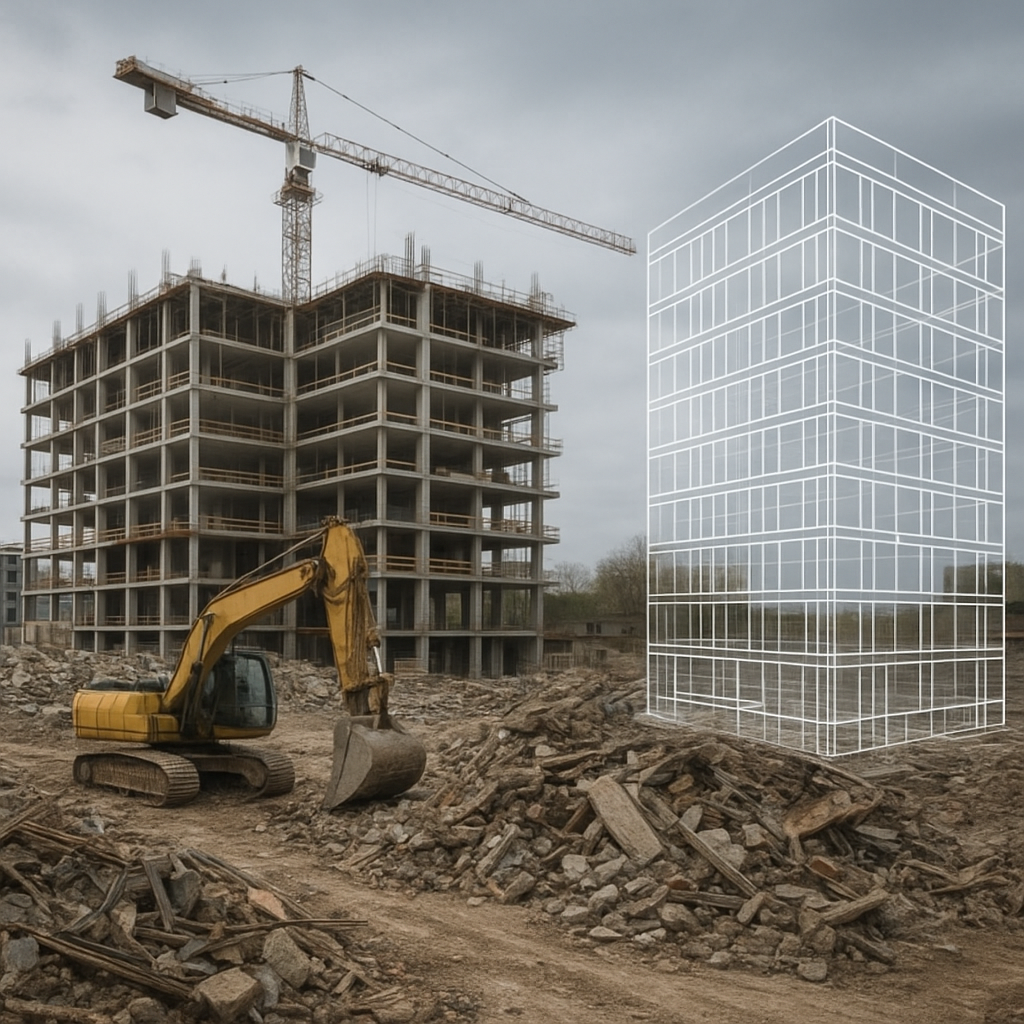
Prefabrication accelerates construction while reducing on-site waste. Modular units, fabricated in controlled environments, snap together to form high-rise clusters or horizontal communities that can be expanded or reconfigured as needs evolve.
- Stackable living pods with universal mechanical and electrical interfaces
- Interlocking marine-grade platforms for floating promenades
- Plug-and-play energy modules: solar, wind, and tidal generators
Ecological Integration and Urban Resilience
Coastal cities must weave natural processes into the urban fabric, creating symbiotic relationships between built and living systems. This holistic approach enhances biodiversity, protects shorelines, and promotes human well-being.
Blue-Green Infrastructure Networks
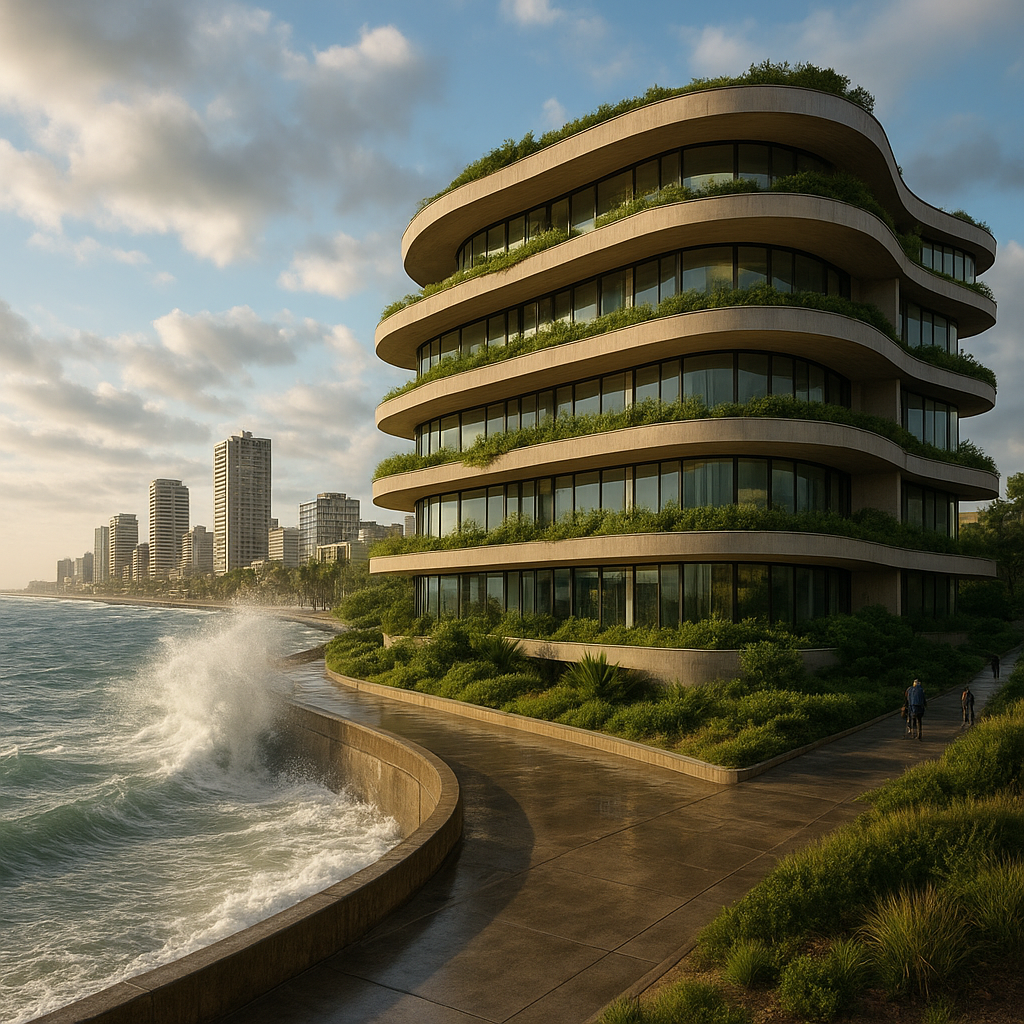
Interconnected canals, wetlands, and parks function as both public spaces and flood attenuation systems. Engineered marshlands, lined with native vegetation, absorb stormwater surges, while recreational boardwalks double as dikes during seasonal high tides.
- Living breakwaters seeded with oysters and mussels
- Rain gardens positioned in low-lying plazas
- Permeable paving that filters runoff into subterranean reservoirs
Coastal Bioengineering and Seagrass Cultivation
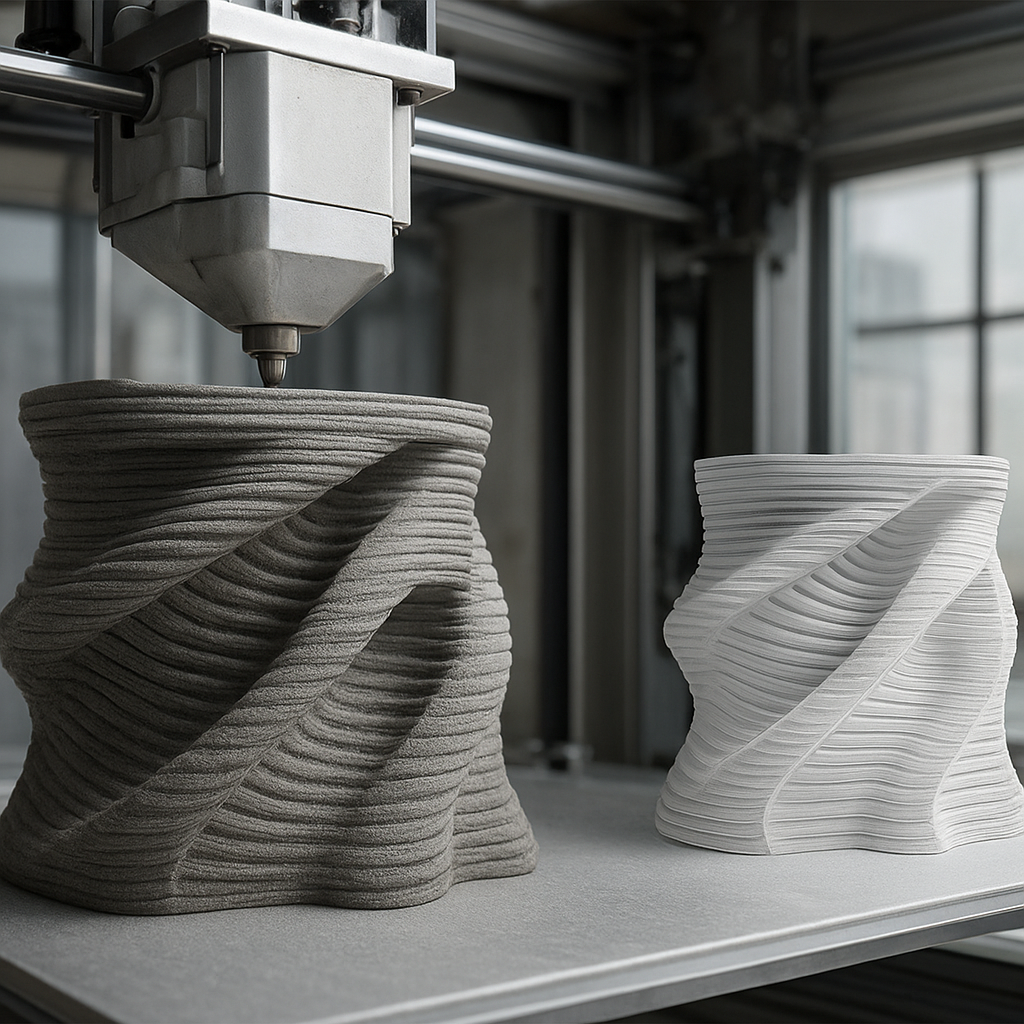
Planting submerged seagrass meadows stabilizes sediments and enhances water quality. Bioengineers deploy 3D-printed reef structures to accelerate colonization by fish and invertebrates, fostering a balanced marine ecosystem that shields shorelines from erosion.
Smart Governance and Community Engagement
Implementing a smart city vision requires seamless integration of digital platforms, policy frameworks, and citizen participation. Real-time data, predictive analytics, and distributed ledger technologies empower stakeholders to co-create resilient urban environments.
AI-Driven Monitoring and Predictive Modeling
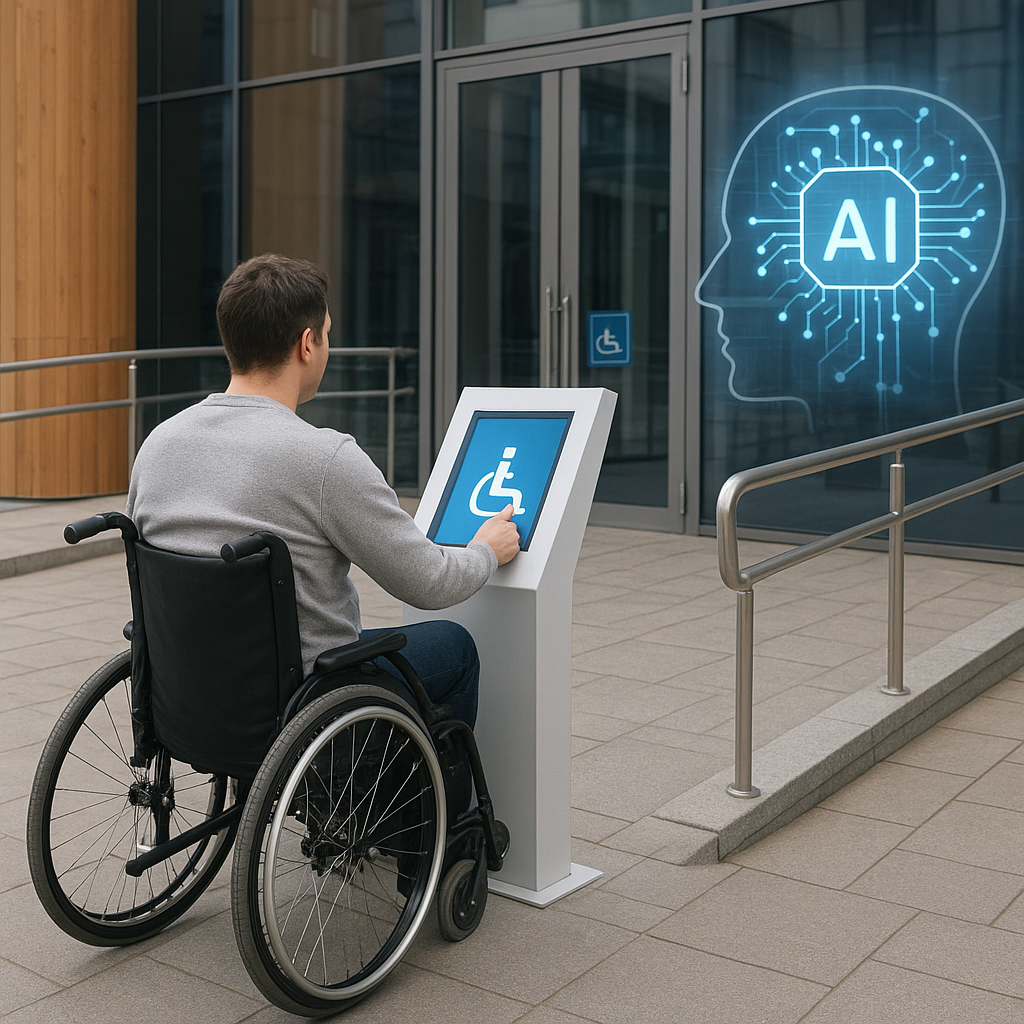
Embedded sensors track parameters such as wave height, temperature anomalies, and structural strain. Cloud-based AI algorithms analyze trends and forecast extreme events, triggering automated building adaptations or evacuation alerts.
Participatory Design and Policy Integration
Engaging residents, local businesses, and environmental groups in design charrettes fosters shared ownership of infrastructure. Dynamic zoning codes, enabled by geofenced smart contracts, adjust development rights based on risk thresholds and environmental conditions.
- Blockchain-enabled land titles that update after successful resilience upgrades
- Community tokens to incentivize green rooftops and vertical gardens
- Open-source resilience dashboards for transparency and capacity building
Energy and Resource Independence
Achieving net-zero emissions and water self-sufficiency is critical for coastal cities confronting supply disruptions. Integrated microgrids, desalination plants, and circular waste systems form the backbone of independent urban ecosystems.
Off-Grid Power Generation
Vertically stacked wind turbines, floating solar arrays, and wave-energy converters supply decentralized electricity. Combined with local energy storage solutions—such as compressed-air or flow batteries—these systems ensure uninterrupted power during grid failures.
Closed-Loop Water and Waste Management
Atmospheric water harvesters pull moisture from humid sea breezes, while algae-based bioreactors treat greywater and sequester carbon. Organic waste is processed through anaerobic digesters, yielding biogas for residential heating and nutrient-rich soil amendments.
Emerging Frontiers: Seasteading and Space Coastal Nexus
Visionaries are exploring the concept of seasteading—self-governing ocean habitats designed as extreme resilience testbeds. These floating micro-cities incorporate advanced life-support systems and could serve as prototypes for extraterrestrial colonization.
Modular Ocean Islands
Interchangeable hexagonal platforms can coalesce into larger landmasses, adjusting their footprint in response to population growth or shifting marine conditions. Underneath, hydroponic farms and fish farms provide locally sourced food.
Linking Coastal and Orbital Infrastructure
Coastal launchpads, located on floating platforms, minimize seismic risk and maximize safety margins for space vehicles. Waste heat from rocket engines could feed district heating networks, exemplifying a closed-loop concept that bridges oceanic and orbital domains.