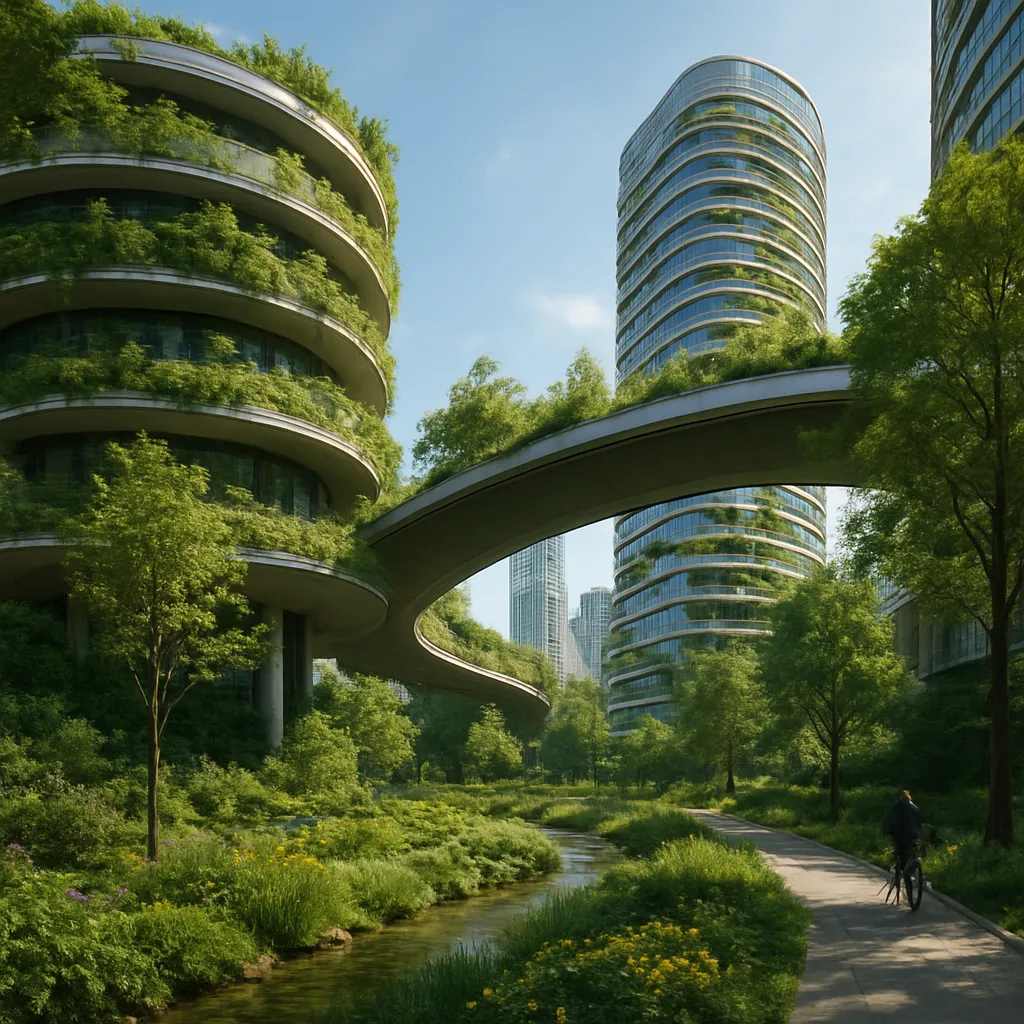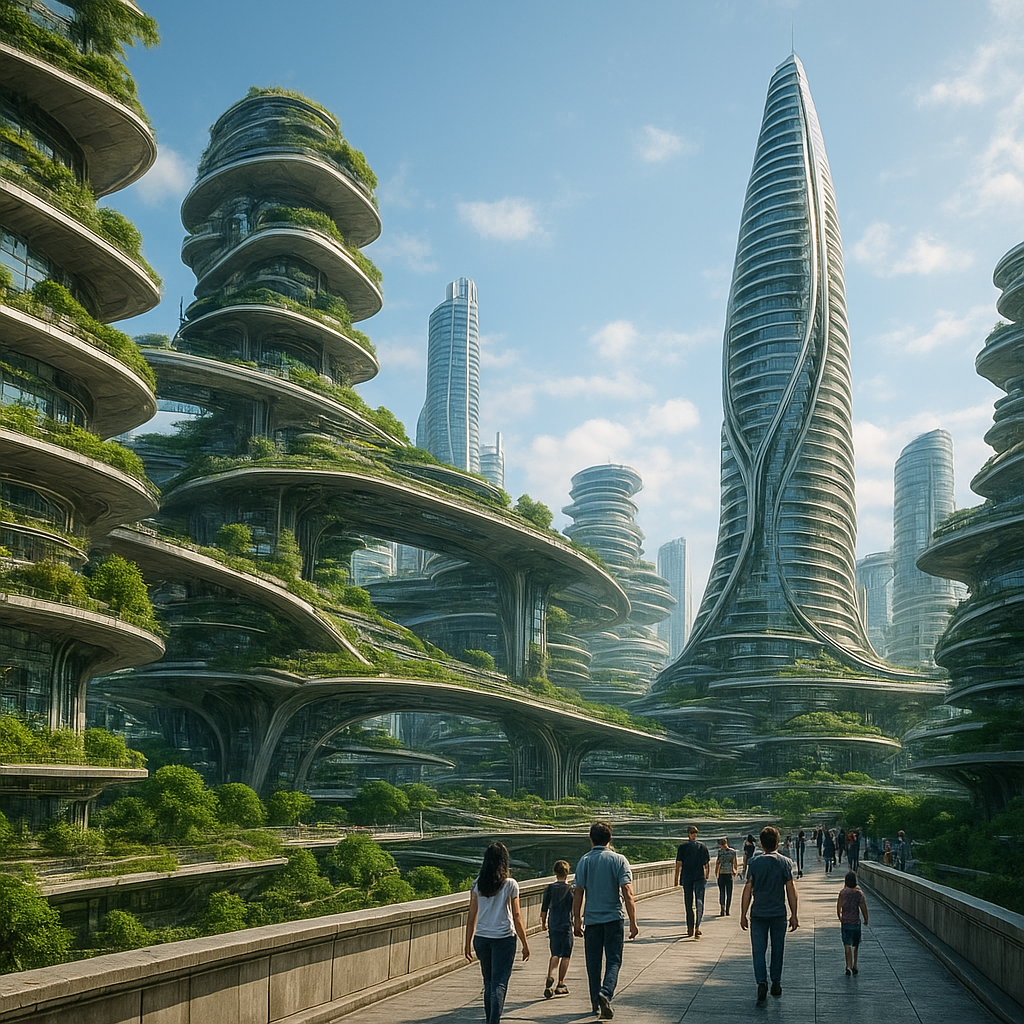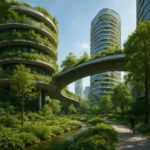
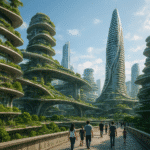
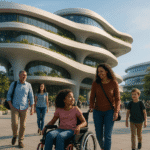



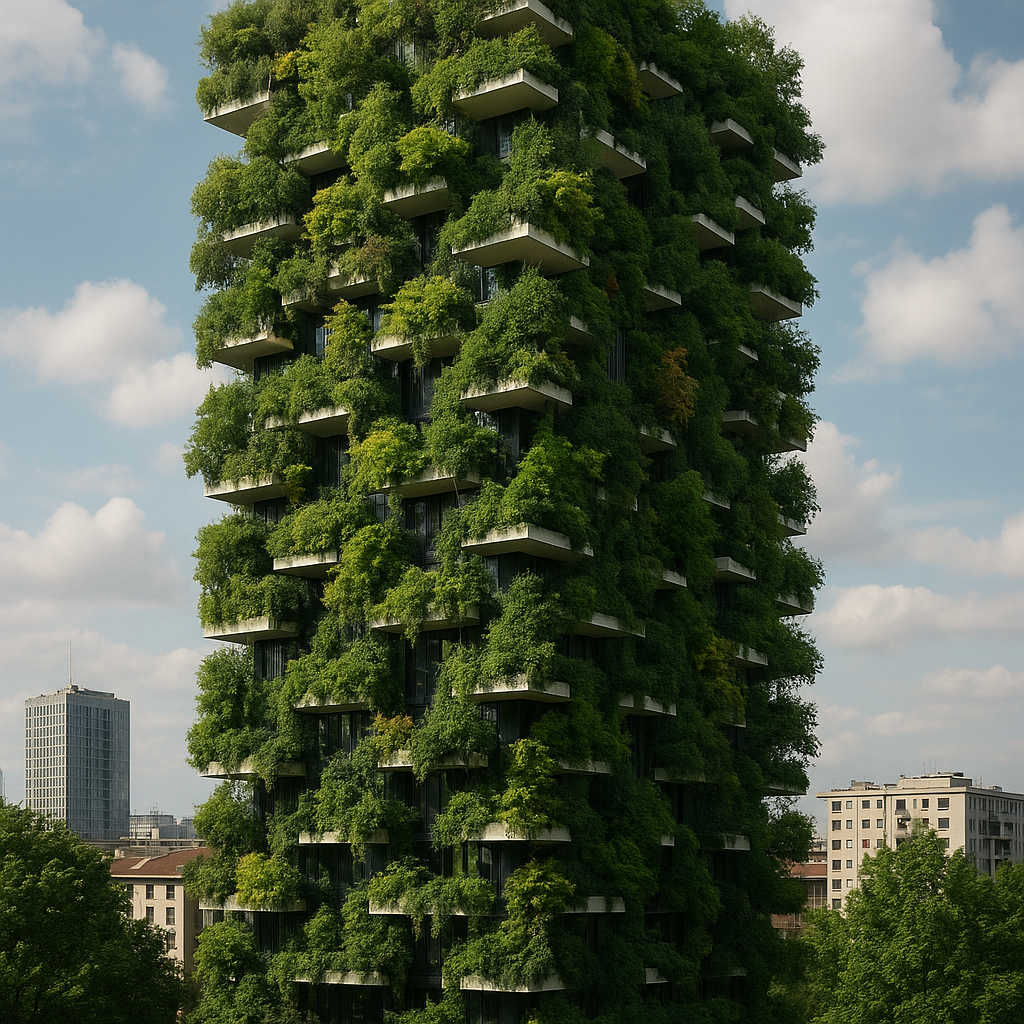
The concept of **sustainable** vertical forests represents a radical shift in architectural thinking, merging cutting-edge design with ecological responsibility. By reimagining the urban skyline as a living organism, architects are pioneering structures that not only house people but also nurture urban **biodiversity**. This approach demands an integrated vision, where architecture, engineering, and environmental science converge to produce futuristic habitats capable of adapting to climatic challenges and fostering resilient communities.
Conceptual Foundations of Vertical Forests
Historical Context and Inspirations
Early experiments with green facades and rooftop gardens laid the groundwork for vertical forests. The drive to reclaim urban space for **ecosystems** began with modest projects in the late 20th century. Pioneers such as Patrick Blanc demonstrated that vertical planting could transform concrete walls into vibrant tapestries of vegetation. These initiatives inspired architects to envision entire buildings as living **ecosystems**, responding to environmental pressures by integrating nature directly into their design.
Philosophical Underpinnings
At its core, the vertical forest paradigm embraces the principle of symbiosis between human habitats and the natural world. Rather than viewing architecture as a static container, this philosophy treats buildings as dynamic, breathing entities. By embedding trees and plants into high-rise structures, designers seek to restore the balance disrupted by centuries of urbanization. The concept challenges traditional boundaries, proposing that walls, balconies, and rooftops serve as extensions of forest **ecosystems**, fostering continuous interaction between residents and greenery.
Technological and Engineering Innovations
Structural Systems and Load-Bearing Strategies
Implementing large-scale planting on vertical surfaces demands robust structural solutions. Engineers have developed specialized **engineering** techniques to support the additional dead loads of soil, water, and vegetation. Reinforced concrete and high-strength steel frames are optimized to distribute weight across columns and beams. Moreover, modular planting platforms allow for pre-assembled units, facilitating both installation and maintenance. These platforms are designed to withstand wind uplift and seismic events, ensuring the resilience of the **facade** under extreme conditions.
Irrigation and Nutrient Delivery
Water management is critical for the health of vertical forests. Advanced **irrigation** systems employ automated drip lines and moisture sensors to deliver precise water volumes to each plant. Rainwater harvesting systems collect runoff from rooftops and terraces, reducing reliance on municipal supplies. Nutrient delivery is controlled through fertigation, where soluble fertilizers are injected into the irrigation network, providing essential minerals directly to plant roots. By monitoring soil moisture and nutrient levels in real time, building operators can optimize growth conditions and prevent waterlogging or nutrient deficiencies.
Energy Efficiency and Climate Control
Vertical forests contribute to energy savings by providing natural insulation and shade. The leafy barriers reduce solar heat gain, decreasing cooling loads during hot seasons. In colder climates, well-placed evergreen species act as windbreaks, minimizing heat loss. Integrating photovoltaic panels within the green **envelope** allows buildings to generate renewable electricity. Combined with energy-efficient glazing and smart HVAC systems, vertical forest towers strive toward net-zero energy performance, exemplifying the synergy between **innovation** and sustainability.
Environmental and Social Impacts
Enhancing Urban Biodiversity
One of the most compelling benefits of vertical forests is their capacity to bolster urban **biodiversity**. By creating habitats on multiple levels, these structures support diverse flora and fauna, including birds, insects, and small mammals. Native plant species are carefully selected to provide food and shelter for pollinators, contributing to the restoration of ecological networks disrupted by city expansion. Green corridors established by adjacent vertical forest buildings foster wildlife movement, reducing habitat fragmentation and encouraging genetic exchange among urban populations.
Air Quality Improvement and Carbon Sequestration
Vegetation on vertical surfaces acts as a living filter, capturing dust particles and absorbing airborne pollutants such as nitrogen dioxide and particulate matter. Through photosynthesis, plants convert atmospheric carbon dioxide into biomass, storing carbon within branches, leaves, and structural soils. Studies estimate that a single vertical forest tower can sequester several tons of CO₂ annually, mitigating the carbon footprint of urban areas. This capacity for **carbon** capture, when scaled across multiple buildings, offers a powerful tool in the fight against climate change.
Psychological Well-Being and Social Cohesion
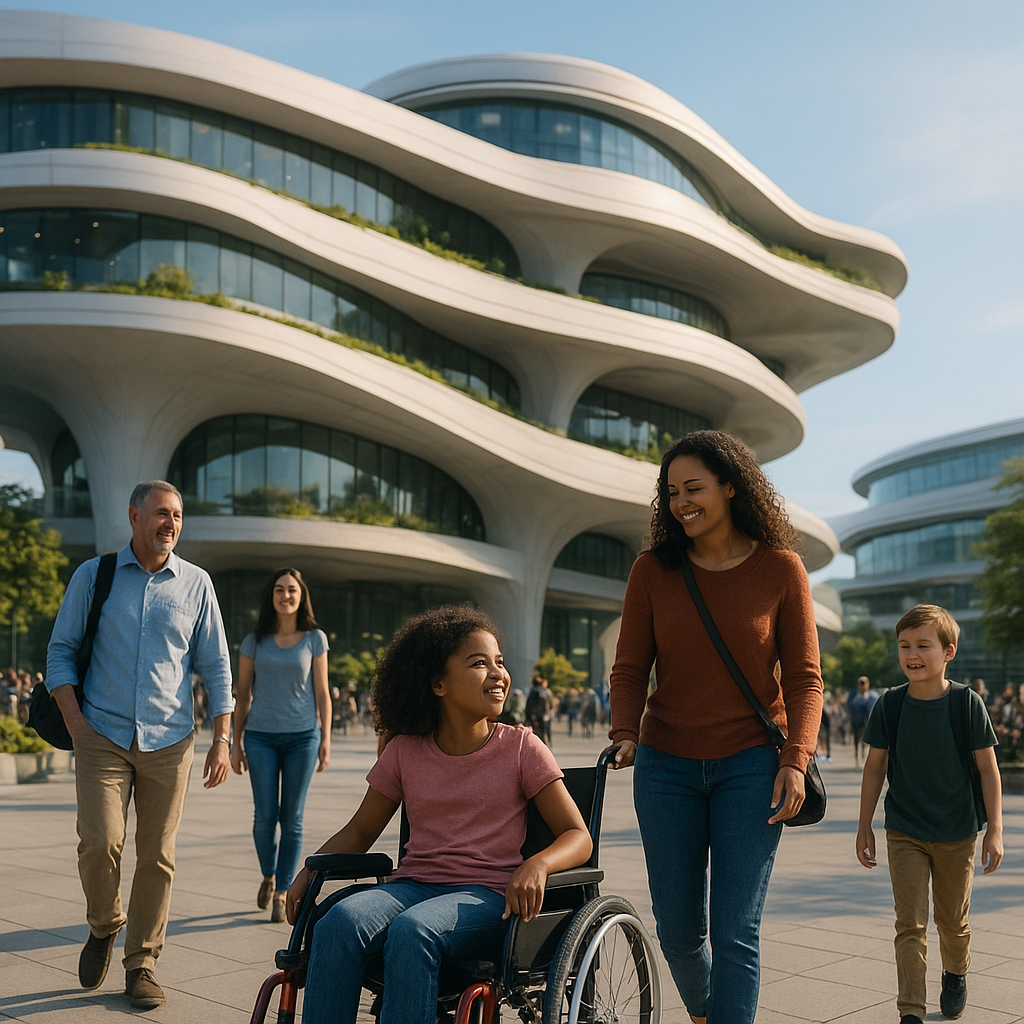
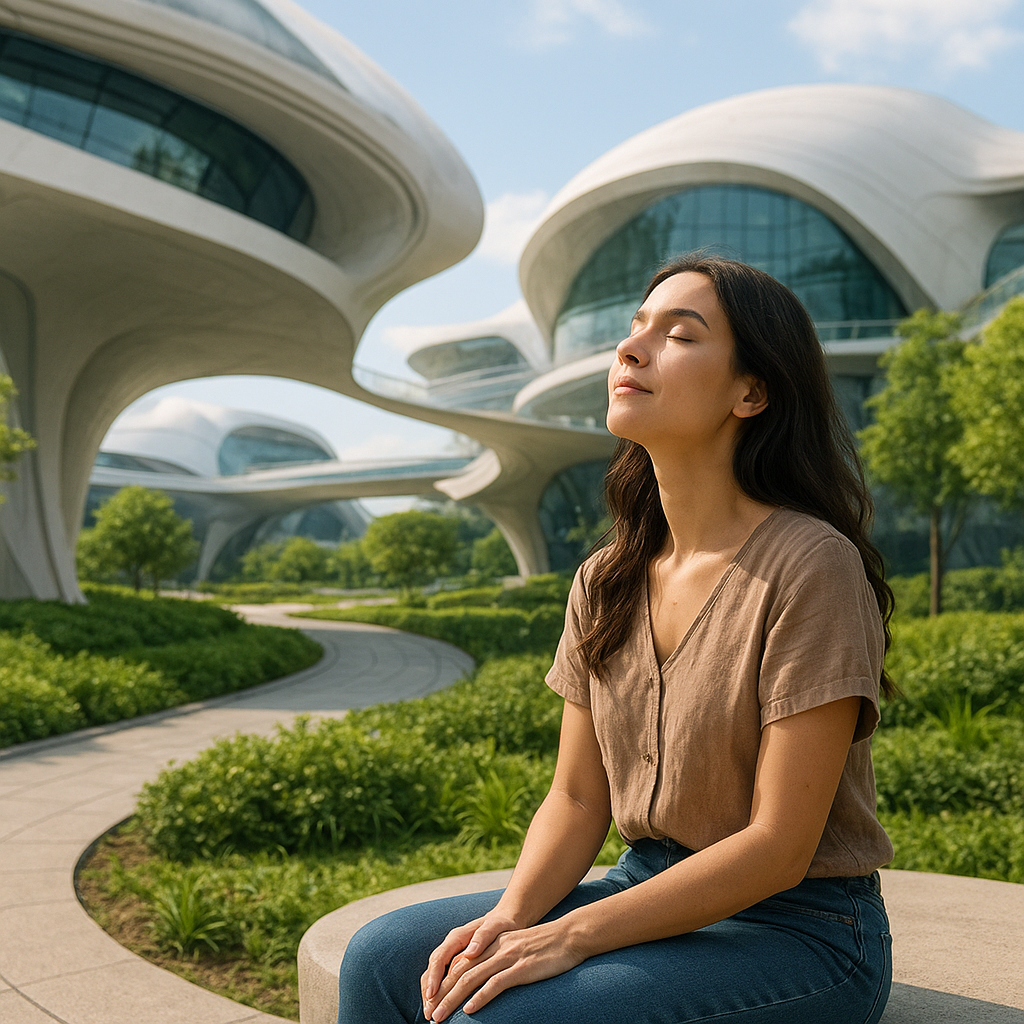
Access to greenery within high-density environments yields significant benefits for mental health. Residents of vertical forest buildings report lower stress levels, improved mood, and greater satisfaction with their living spaces. Communal sky gardens and shared terraces foster social interaction, creating opportunities for **community** engagement and urban agriculture. These green amenities encourage residents to participate in planting, pruning, and harvesting, strengthening bonds and cultivating a sense of stewardship over the building’s living infrastructure.
Challenges and Future Directions
Maintenance and Operational Considerations
Maintaining a vertical forest demands ongoing horticultural expertise. Regular pruning, pest management, and structural inspections are essential to ensure plant health and safety. Specialized maintenance crews equipped with aerial platforms or rope access techniques perform routine care. Building management systems integrate remote monitoring tools, providing real-time data on moisture, growth rates, and structural stresses. Despite these complexities, technological advancements in robotics and drone-based inspections promise to streamline operations, reducing long-term labor costs.
Scaling Up and Replicability
Expanding the vertical forest model to different climates and cultural contexts requires adaptable design templates. In arid regions, drought-tolerant species and advanced drought-resistant media must replace water-intensive flora. Cold climates necessitate winter-hardy evergreens and insulated planting modules. Customizable modular systems enable architects to tailor greenery palettes and irrigation solutions to local conditions. By creating open-source repositories of vertical forest designs and performance data, the global architectural community can accelerate adoption and promote **resilience** across diverse urban landscapes.
Integration with Smart City Initiatives
Vertical forests are poised to integrate seamlessly into emerging smart city frameworks. Sensor networks embedded within planting modules can relay information on microclimate variations, guiding adaptive control of **energy** systems and water usage. Data analytics can optimize plant selection and placement, ensuring maximal environmental benefits. Coupled with IoT-enabled lighting and air quality monitors, vertical forest buildings may become living laboratories for sustainable urbanism, informing policy decisions and inspiring future generations of **innovation** in architecture.
- The fusion of architecture and ecology redefines urban resilience.
- Technological advances ensure the stability and performance of green **facades**.
- Vertical forests enhance air quality, sequester carbon, and foster **community** well-being.
- Scalable, adaptable designs can transform global cities into verdant, self-sustaining habitats.
- Integration with smart technologies will drive continuous improvement and resource efficiency.