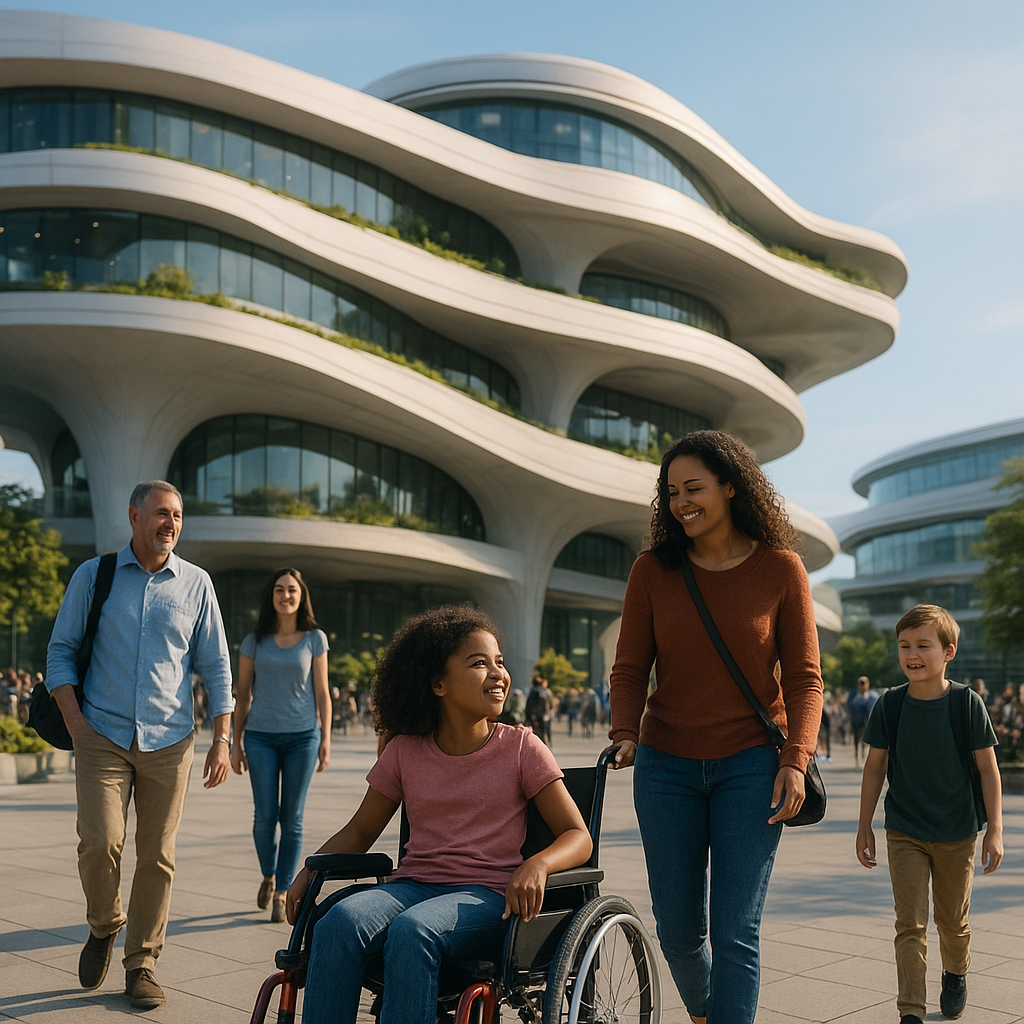
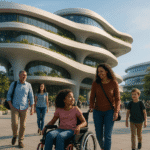
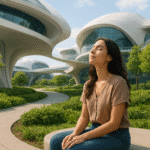

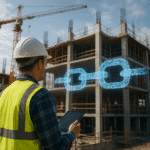
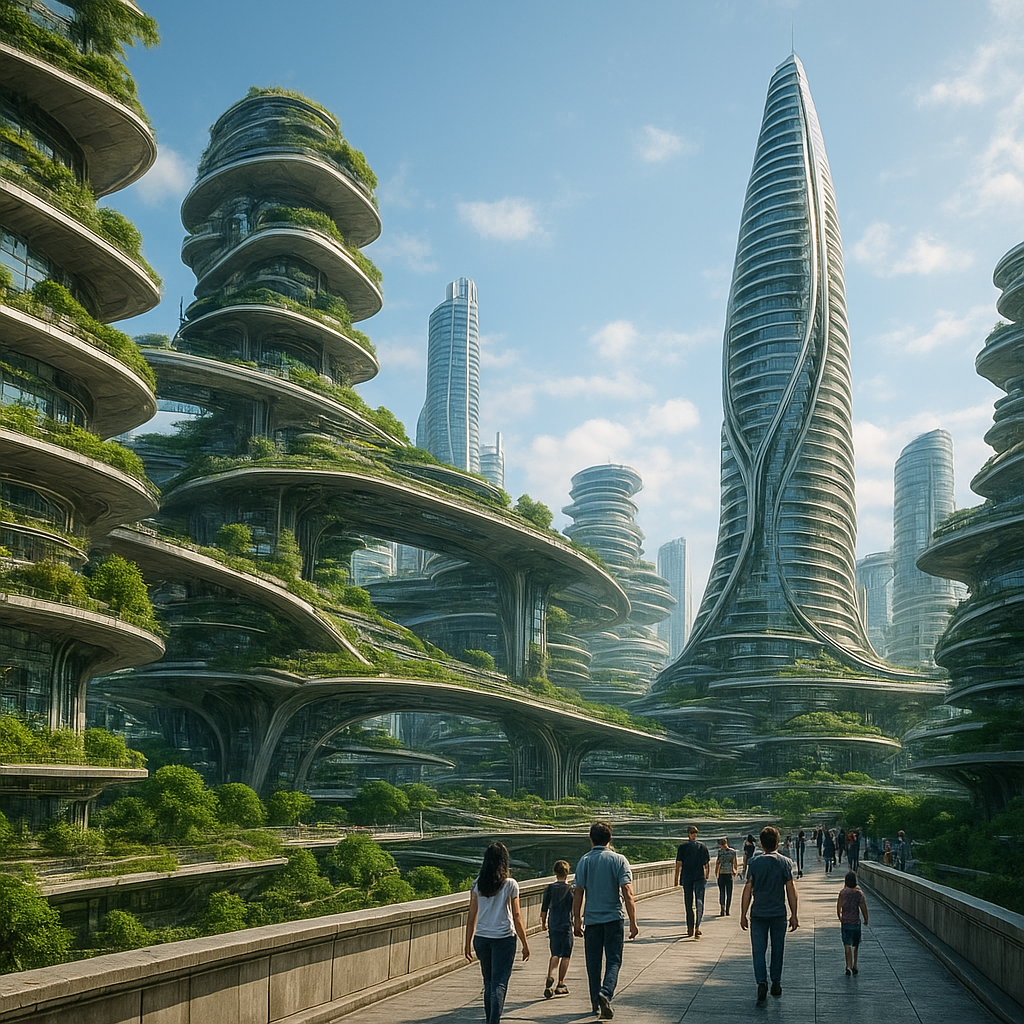
As urban populations surge beyond capacity, architects and planners are pioneering radical approaches to accommodate billions without sacrificing quality of life. This exploration delves into the transformative world of futuristic architecture, showcasing designs that merge form and function to address the challenges of limited land, resource scarcity, and environmental impact.
Skyward Solutions: Vertical Megastructures
As cities grow horizontally, land becomes prohibitively expensive and ecologically damaging. An alternative emerges in the form of colossal vertical complexes, anchored by cutting-edge engineering and visionary aesthetics. These megastructures are not merely skyscrapers—they are self‐contained ecosystems that elevate every aspect of urban living.
- Vertical Farms: Layers of hydroponic and aeroponic agriculture embedded within towers ensure local food production, slashing transportation emissions and sprawl.
- Mixed‐Use Zones: Residential, commercial, educational, and healthcare facilities coexist on multiple levels, reducing commute times and fostering diverse communities.
- Energy Harvesting Facades: Transparent solar panels, wind turbines integrated into spires, and kinetic floors transform residents’ activity into usable power.
- Sky Bridges and Aerial Transport: Interconnected skyways facilitate seamless movement, while drone pads and autonomous cable vehicles redefine public transit.
Key Advantages
These vertical environments maximize ground‐level green spaces, improve air quality, and allow architects to craft sculptural silhouettes that define futuristic skylines. Each structure embodies a holistic vision where sustainability and community are paramount.
Modular Adaptability and Autonomous Communities
Static, monolithic developments often fail to accommodate shifting demographics or evolving lifestyle demands. To counteract this rigidity, contemporary designers employ modular, prefabricated units that can be reconfigured on demand. This approach offers unparalleled flexibility and speeds up construction timelines.
- Stackable Units: Apartments and offices designed as interlocking modules can be added, removed, or rearranged based on occupancy rates and functional needs.
- Plug‐and‐Play Infrastructure: Utility pods for water, electricity, and data integrate seamlessly into units, allowing instant connectivity.
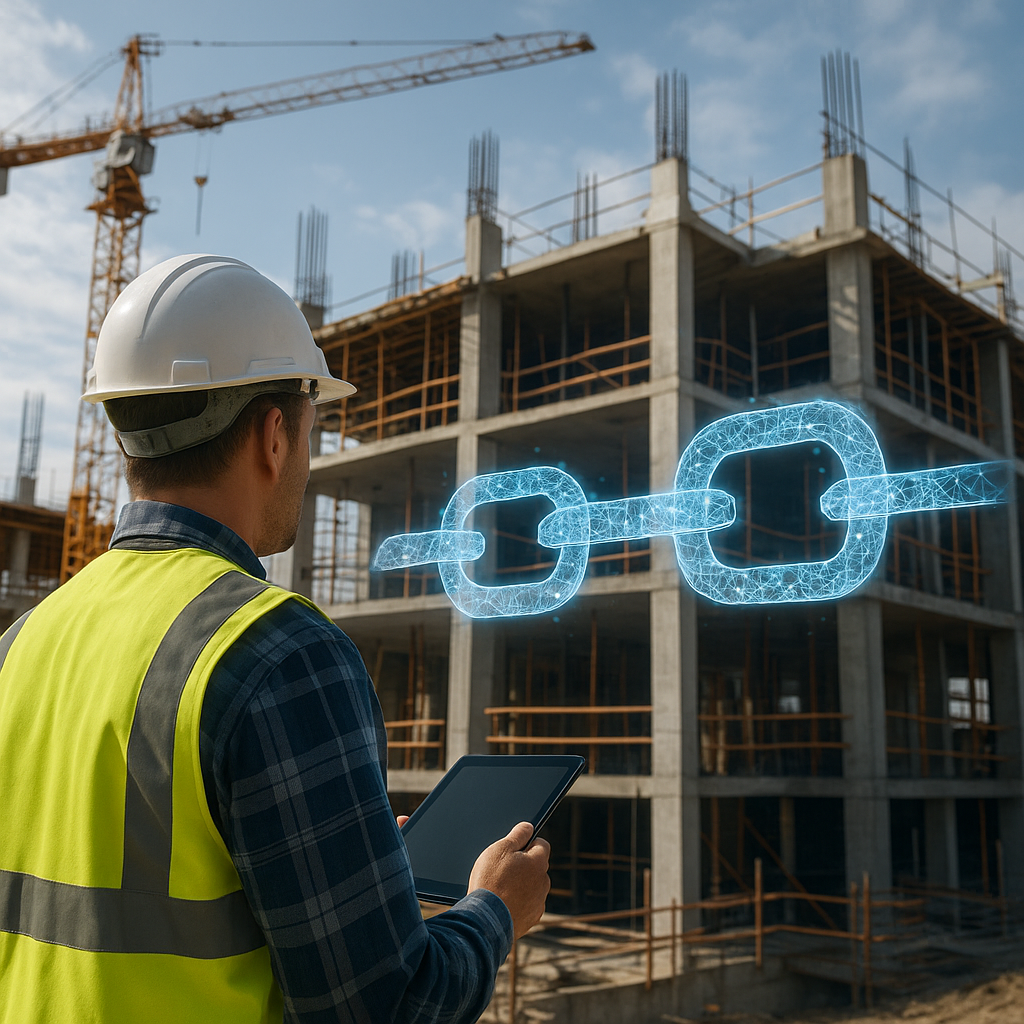
- Robotic Assembly: Automated cranes and 3D printers on site reduce labor costs and construction waste, enabling rapid growth in emerging urban centers.
- Adaptive Façades: Smart materials adjust opacity, insulation, and ventilation to local weather patterns, reducing energy consumption.
Community Autonomy
By fostering self‐sufficient neighborhoods complete with energy microgrids, localized waste treatment, and communal greenhouses, modular architecture paves the way for autonomous communities. These clusters can manage resources independently during crises, enhancing overall resilience.
Biophilic Design and Urban Integration
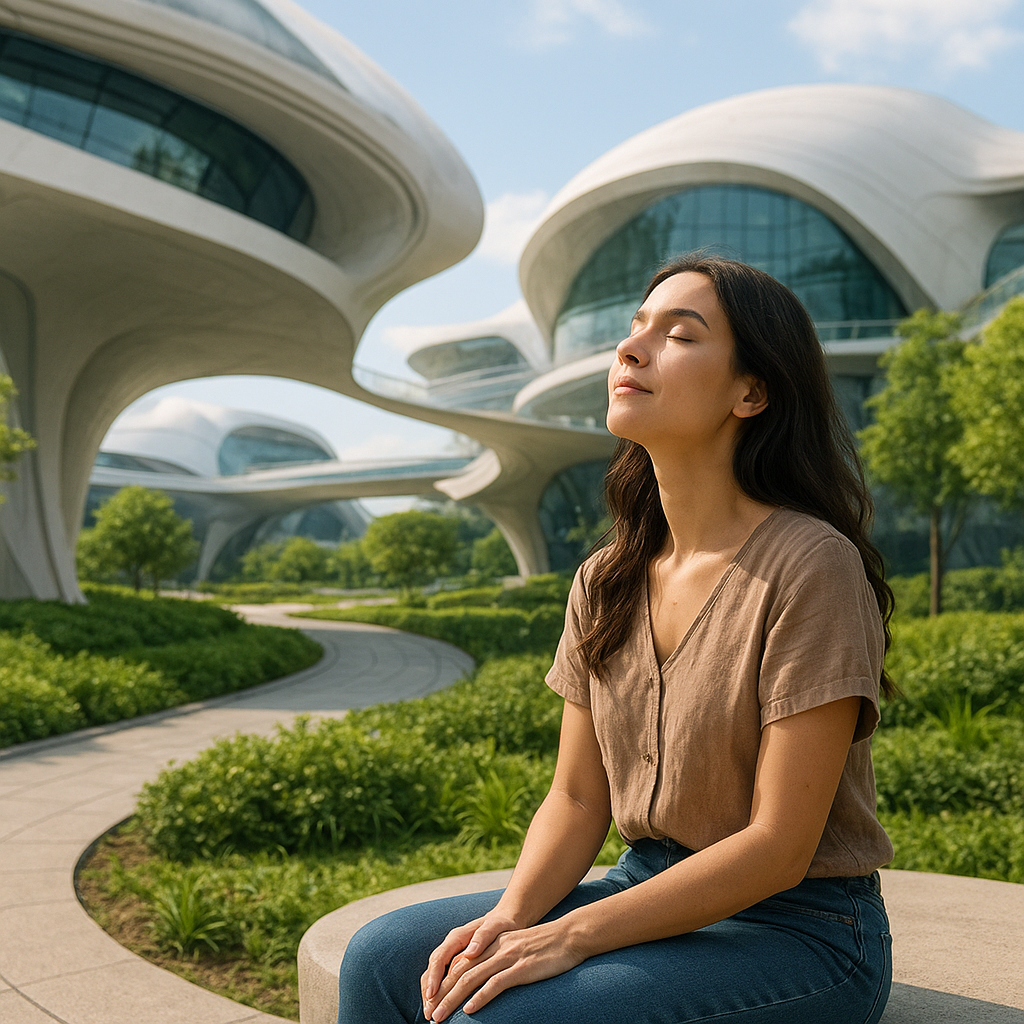
Overpopulation often leads to concrete jungles devoid of natural elements, contributing to psychological stress and reduced biodiversity. Biophilic principles aim to reintegrate living systems into the built environment, promoting both ecological harmony and human well‐being.
- Living Walls and Vertical Gardens: Cladding towers in lush vegetation improves air quality, regulates temperature, and provides habitat corridors for wildlife.
- Rainwater Harvesting Landscapes: Rooftop wetlands and green terraces capture, filter, and reuse stormwater, easing the burden on urban drainage systems.
- Urban Forests in the Sky: Elevated woodland plazas and canopy parks bring immersive green spaces to every level, encouraging social interaction and recreation.
- Biomimetic Structures: Building skins inspired by natural forms—such as the honeycomb or lotus leaf—offering structural efficiency and self-cleaning properties.
Psychological and Ecological Impact
Integrating nature directly into living spaces enhances cognitive performance, reduces stress, and fosters a sense of connection. Simultaneously, these interventions support urban pollinators and mitigate the heat island effect, contributing to a more balanced density model.
Digital Innovations for Resilient Densities
The convergence of smart technologies and data analytics enables architects to design cities that respond dynamically to human behavior and environmental changes. Digital twins, artificial intelligence, and Internet of Things (IoT) systems orchestrate every facet of urban life.
- Digital Twins: Virtual replicas of buildings and neighborhoods simulate energy flows, pedestrian movement, and air quality, allowing planners to optimize layouts before breaking ground.
- IoT Sensors: Embedded in walls, roads, and public amenities, these devices monitor resource usage, structural health, and environmental conditions in real time.
- AI‐Driven Urban Planning: Machine learning algorithms process vast datasets—demographics, traffic, climate projections—to generate adaptive zoning and resource distribution strategies.
- Augmented Reality Interfaces: Residents and maintenance crews access holographic overlays that highlight infrastructure issues, guide repairs, or suggest efficient travel routes.
Data‐Informed Adaptation
By harnessing continuous feedback loops, futuristic architecture evolves alongside its inhabitants. Peak-hour crowding can trigger reconfiguration of public spaces; impending storms lead to automated façade sealing; energy demand surges prompt dynamic allocation of renewable resources. This level of innovation ensures cities remain both livable and scalable.
Looking Beyond Concrete Horizons
As the world grapples with the realities of overpopulation, architects and engineers are no longer content with incremental tweaks. The fusion of modularity, vertical expansion, biophilic integration, and digital intelligence marks a paradigm shift in how we conceptualize urban habitats. Each visionary project embodies a commitment to futureproof design—structures that can bend, grow, and breathe in harmony with their environment and residents.
Pathways to Tomorrow
- Embrace cross‐disciplinary collaboration among technologists, ecologists, and sociologists to shape inclusive, equitable spaces.
- Standardize sustainable materials and modular interfaces to drive down costs and accelerate adoption globally.
- Leverage public‐private partnerships to pilot experimental districts, gathering real‐world performance data.
- Cultivate a regulatory framework that incentivizes resilient and adaptive developments over one‐size‐fits‐all zoning.