
The world of architecture is undergoing a paradigm shift as cutting-edge concepts and materials converge to create breathtaking forms. Futuristic design transcends mere aesthetics, weaving innovation and sustainability into every curve and angle. Driven by rapid advancements in nanotechnology and AI, architects are reimagining how buildings breathe, adapt, and interact with their inhabitants. This article explores key developments in futuristic architecture, the transformation of urban environments, the role of intelligent systems, and the profound impact these designs have on future generations.
The Rise of Futuristic Materials
Architects now harness materials that exhibit extraordinary properties once confined to science fiction. Graphene, a single layer of carbon atoms, boasts exceptional strength and conductivity, enabling structures to be both ultra-lightweight and durable. Self-healing concrete, infused with bacteria spores, can repair its own microcracks, offering unprecedented resilience. Bioplastics derived from algae reduce reliance on fossil fuels and support renewable resource cycles.
- Graphene: Facilitates transparent, load-bearing facades.
- Self-healing concrete: Extends the lifecycle of infrastructure.
- Phase-change materials: Regulate internal temperatures, cutting energy demands.
- Bio-based composites: Combine biomimicry with modern fabrication.
- Smart glass: Varies opacity in response to light, ensuring comfort.
These materials not only redefine functional parameters but also inspire entirely new forms. Lightweight lattices, generated through algorithmic design, can twist and stretch like organic tissues. Such adaptive systems respond to wind loads, earthquakes, and thermal fluctuations in real time.
Reimagining Urban Spaces
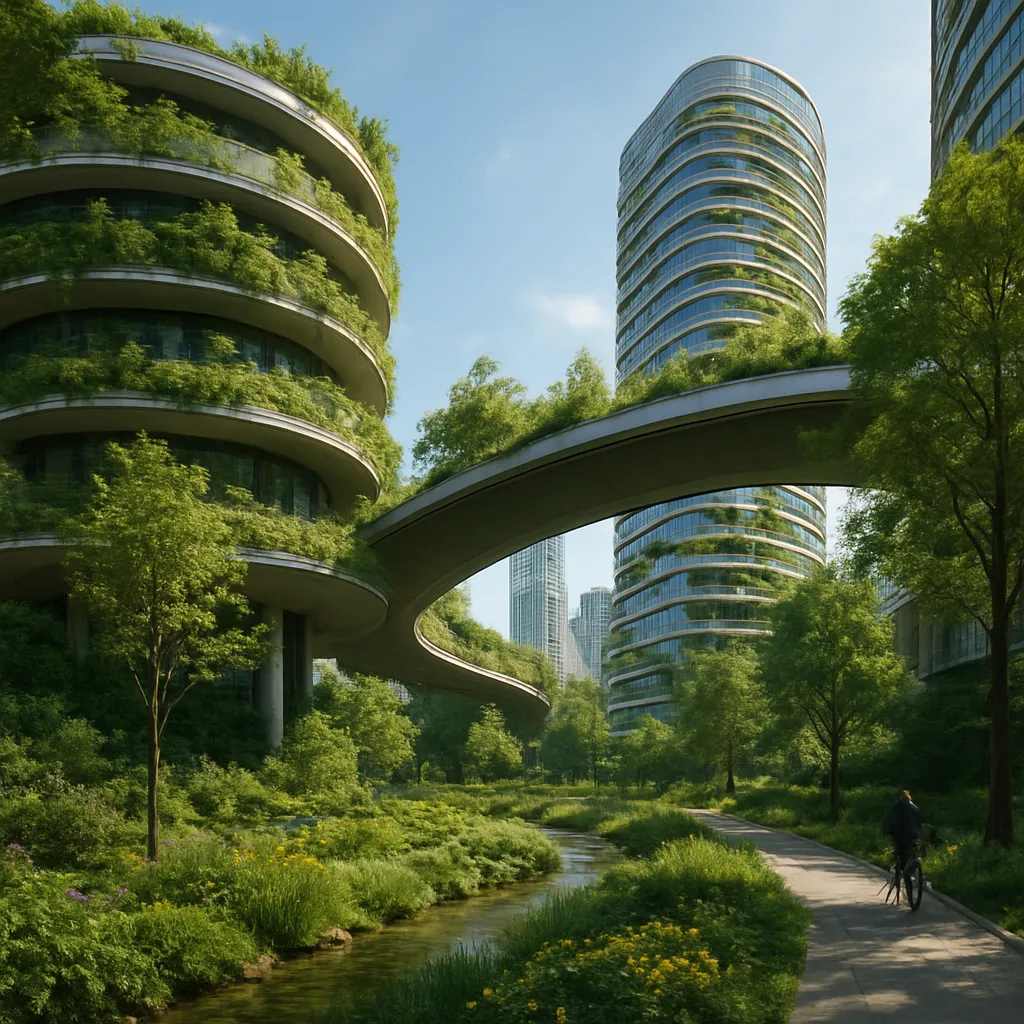
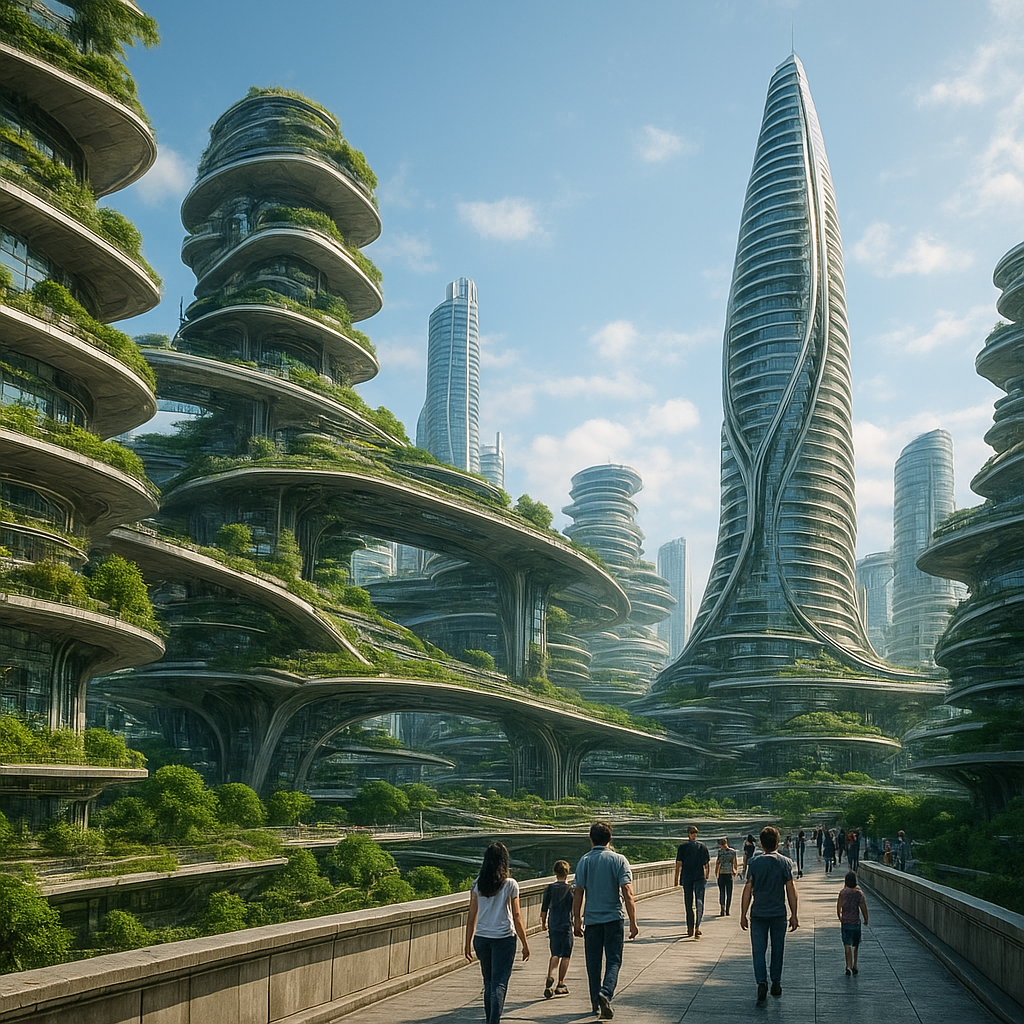
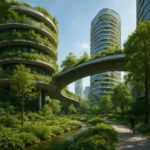
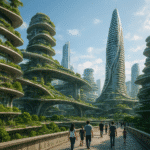
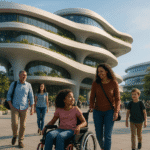
Envision cities where architecture harmonizes with nature and community needs. Futuristic masterplans prioritize green corridors, vertical ecosystems, and fluid public realms. As populations swell, vertical expansion emerges as a necessity, giving rise to sculptural towers that mimic mountain ranges or ocean waves.
Vertical Forests
Pioneered to combat air pollution and urban heat islands, vertical forests integrate thousands of trees into the façade. These living walls capture CO2, produce oxygen, and provide habitats for birds and insects. The integration of irrigation networks and nutrient delivery systems ensures each plant thrives, even dozens of stories above ground.
Floating Communities
Rising sea levels have sparked interest in amphibious urbanism. Floating platforms, anchored by submerged pylons or buoyant pontoons, can rise and fall with tides. Entire neighborhoods might drift gently, powered by wave and solar energy. This approach embodies true innovation, offering adaptable living spaces in coastal megacities.
- Modular housing units that connect like building blocks.
- Renewable energy grids composed of mini wind turbines and photovoltaics.
- Community gardens floating atop recycled plastics.
Technological Integration in Architecture
The advent of smart technologies is transforming passive structures into dynamic, responsive ecosystems. From concept to construction, digital tools enhance precision and reduce waste. Generative design algorithms propose countless permutations, optimizing for daylight exposure, structural integrity, and material efficiency.
AI-driven Design
Architectural firms are deploying machine learning to analyze site data, climate patterns, and user behavior. These systems recommend form factors that maximize comfort while minimizing resource consumption. In practice, an AI engine might suggest window placements that harness prevailing breezes or façade geometries that reduce solar gain.
Smart Surfaces
Surfaces embedded with micro-sensors monitor occupancy, temperature, and air quality. Walls can shift color to indicate internal conditions or alter transparency to maintain user privacy. Some prototypes feature electroluminescent coatings, enabling façade-level displays for art, information, or energy grids that store and redistribute power.
- Interactive floors guiding foot traffic to reduce congestion.
- Biometric access points seamlessly integrated into handrails.
- Acoustic panels adapting shape to dampen noise and enhance speech intelligibility.
Impact on Society and Education
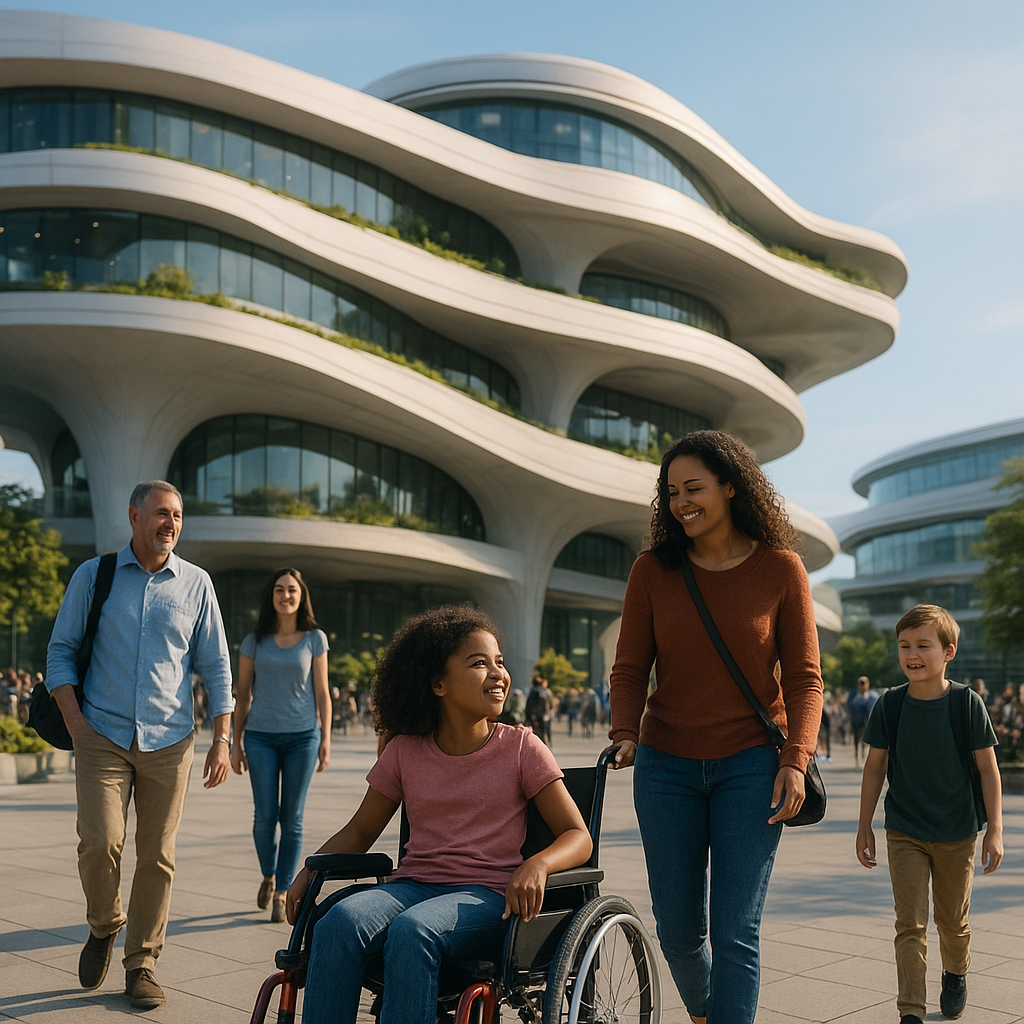
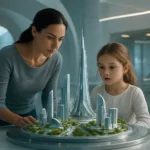
Beyond visual appeal, futuristic architecture shapes mindsets and learning environments. Students growing up in smart schools—where façades open to let in fresh air on warm days, and classrooms reorganize themselves—gain an innate understanding of integration between biology, technology, and design. This experiential education fosters creativity, ecological responsibility, and a drive for continuous innovation.
Shaping Mindsets
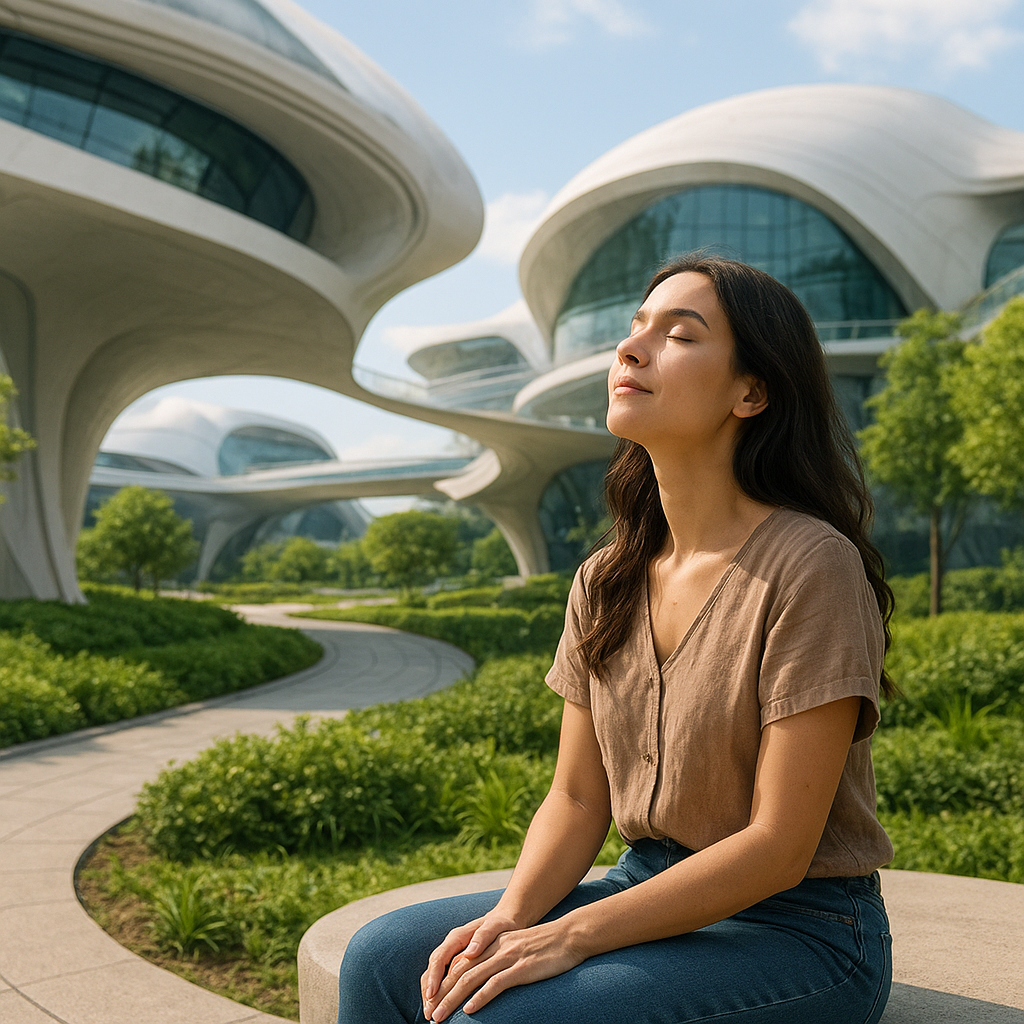
Exposure to living buildings cultivates empathy for the natural world. Children witness how trees can filter pollutants, how rainwater harvesting curbs waste, and how passive design strategies reduce carbon footprints. Such immersive lessons encourage future professionals to pursue careers in architecture, urban planning, and sustainability research.
Collaborative Learning
Augmented reality (AR) and virtual reality (VR) spaces transform assembly halls into collaborative design studios. Students don headsets to co-create digital twins of their city, testing scenarios for flood resilience or energy optimization. These tools break down disciplinary silos, merging engineering, art, and environmental science into a holistic curriculum.
Challenges and Future Directions
While the promise of futuristic architecture is immense, obstacles remain. High upfront costs for advanced materials and smart systems can deter stakeholders. Regulatory frameworks must evolve to accommodate unconventional building typologies and permit experimentation. Ethical questions arise around data privacy when buildings monitor occupants’ movements and preferences.
Looking ahead, the fusion of biotechnology and architecture may produce living structures grown from fungal mycelium or engineered microbes. Resilience will be redefined as cities adapt to climate volatility through modular, floating, or subterranean expansions. Cross-disciplinary collaboration will be essential, uniting architects, biologists, data scientists, and policy-makers in a shared quest to shape environments that nurture human well-being and planetary health.