
Futuristic Architecture in Virtual Worlds

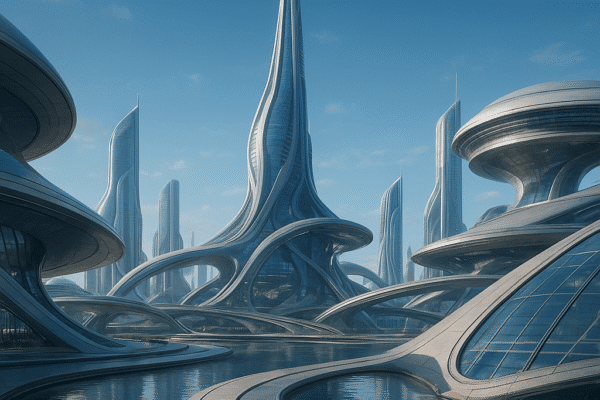
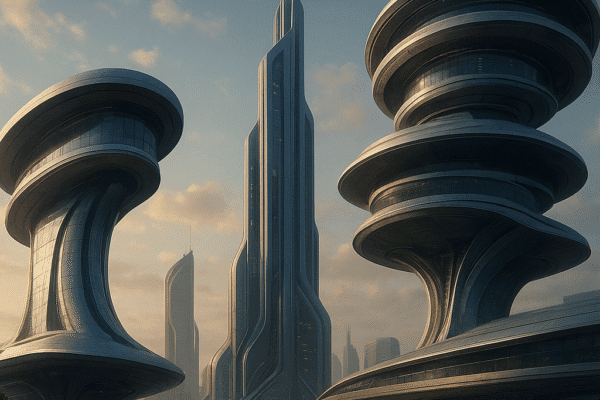
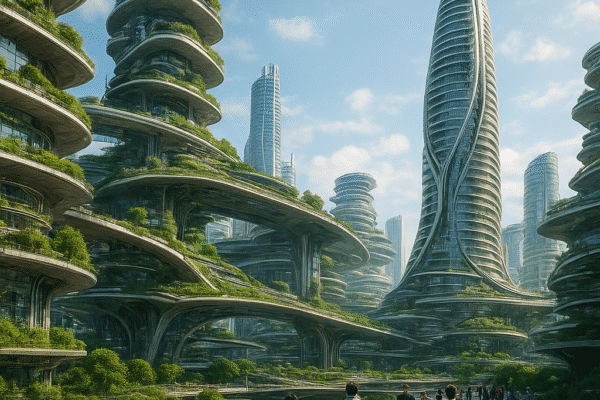
Exploring the limits of imagination, virtual worlds have become fertile ground for architects aiming to redefine what is possible. As digital landscapes expand, the synergy between architectural vision and cutting-edge technology paves the way for structures that defy gravity, logic, and conventional constraints. In this article, we examine how the next generation of designers is…

Read More

Designing Responsive Waterfronts for Rising Seas

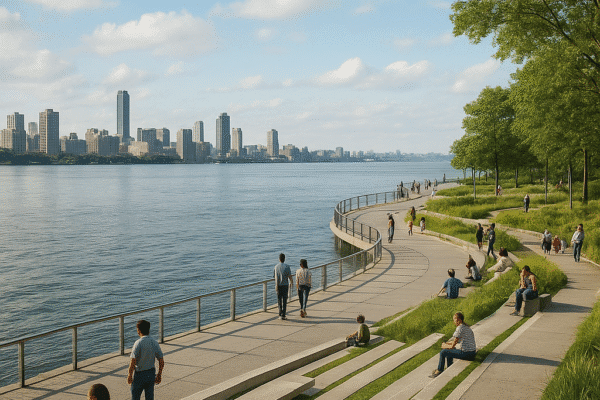
As coastal populations expand and sea levels continue to rise, architects and urban planners are reimagining the edges of our cities. Designing waterfronts that can dynamically respond to fluctuating tides, storms, and long-term water level changes demands a new breed of futuristic thinking. By integrating adaptive frameworks, engineers and designers cultivate a sense of resilience…

Read More

Designing Cities That Communicate with Citizens

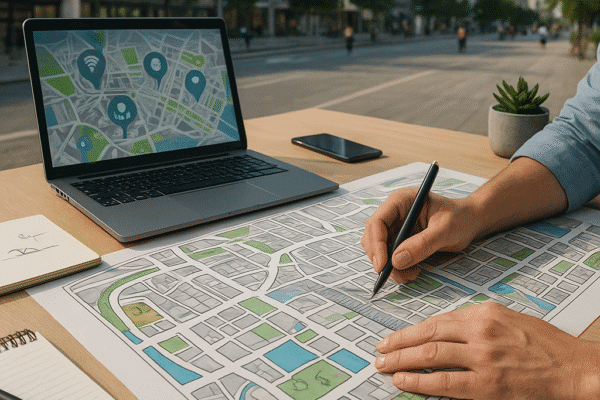
In a world where urban landscapes evolve at breakneck speed, architects and planners envision a future where built environments transcend static form. The concept of responsive cities goes beyond mere aesthetics, embracing dynamic networks and adaptive systems that foster meaningful interaction between structures and their inhabitants. By weaving together principles of sustainability, technology, and human-centered…

Read More

Architecture for Floating Communities of the Future

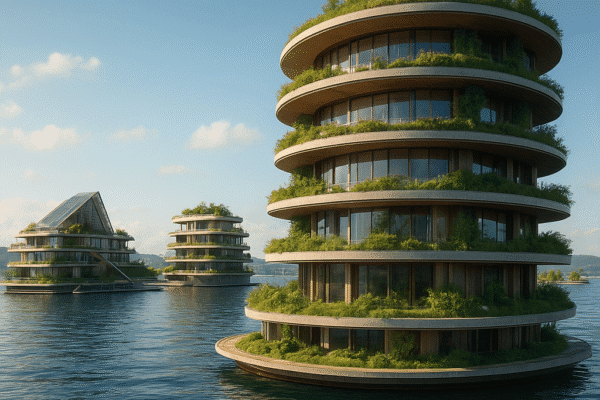
Emerging from the confluence of environmental urgency and technological ambition, floating communities promise to redefine our relationship with the oceans. Harnessing innovations in sustainability and advanced materials, architects and engineers envision resilient habitats that navigate rising sea levels and shifting climates. This exploration delves into the architectural frameworks, energy systems, and societal dynamics that will…

Read More

The Role of Nanotechnology in Futuristic Building Design

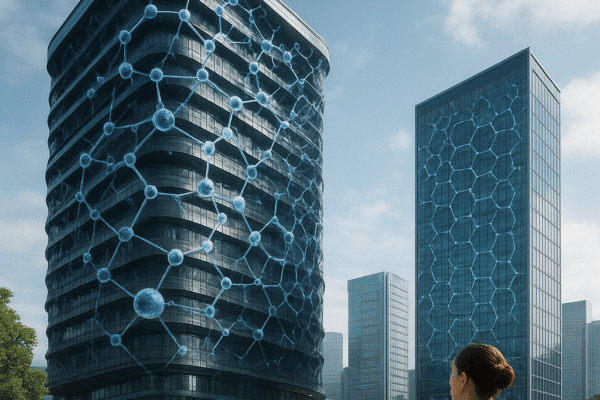
Advancements in nanotechnology are redefining how architects and engineers envision the cities of tomorrow. By manipulating matter at the molecular scale, designers unlock unprecedented possibilities for materials that self-repair, adapt to environmental changes, and actively contribute to a building’s performance. Futuristic architecture is rapidly evolving from static structures into dynamic, responsive systems that integrate seamlessly…

Read More

The Role of Drone Photography in Futuristic Architectural Planning

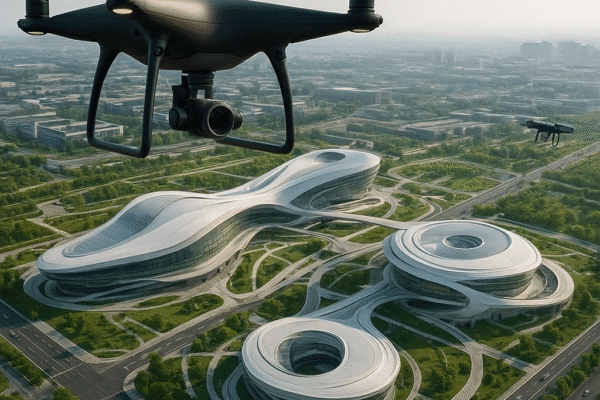
The convergence of aerial imaging and cutting-edge design methodologies has ushered in a new era of futuristic architectural planning. Drone photography has become an indispensable tool for architects, engineers, and urban planners seeking to push the boundaries of form, function, and environmental harmony. By capturing detailed perspectives from above and integrating these datasets into digital…

Read More

The Influence of Sci-Fi Movies on Futuristic Architectural Trends

The Influence of cinematic storytelling on architectural imagination has never been more pronounced. As filmmakers craft sprawling vistas of neon-lit cities and gravity-defying megastructures, architects and urban planners draw inspiration from these visual narratives to envision tomorrow’s built environment. By examining the interplay between screen-based fantasies and real-world design, we uncover how speculative futures inform…

Read More

The Future of Stadium Architecture: Tech-Driven Experiences

The evolution of stadium design is accelerating as architects, engineers, and technologists converge to create arenas that transcend traditional boundaries. By harnessing cutting-edge materials, smart systems, and data analytics, these venues promise unparalleled immersive experiences, seamless operations, and a redefinition of what it means to be a spectator. From adaptive seating to holographic displays, the…

Read More

The Future of Public Spaces: Interactive and Immersive Design

Public spaces are undergoing a radical transformation, driven by advances in technology, materials science, and evolving cultural expectations. Architects and urban designers now envision plazas, parks, and transit hubs as dynamic environments that respond to human presence, adapt to changing conditions, and immerse visitors in multisensory experiences. This exploration delves into how **interactive** and **immersive**…

Read More