




Architecture has always been a reflection of human ambition, and the emergence of futuristic designs confronts us with both breathtaking possibilities and weighty questions. As skyscrapers twist into the sky in gravity-defying forms, and habitats adapt to harsh planetary environments, professionals and communities must grapple with foundational ethics that govern the built environment. From material sourcing to social impact, the journey toward tomorrow’s cities demands a balance between technological prowess and genuine human need. This article explores core themes that shape the dialogue around next-generation architecture, inviting readers to consider how progress can remain grounded in compassion and responsibility.
Visionary Designs and Technological Advancements
Advances in computation, robotics, and bioengineering have propelled architects into a new era of possibility. Parametric design software enables fluid, organic forms that optimize structural performance and aesthetic impact. Robotic fabrication can produce intricate, customized components at a scale and precision previously unimaginable. Such breakthroughs, however, introduce questions around innovation without oversight. When buildings become living organisms—self-healing facades or smart systems that adapt to occupant behavior—how do we ensure safety, privacy, and durable functionality? Teams must establish rigorous protocols to test novel materials like 3D-printed concrete infused with mycelium or shape-shifting alloys programmed at the molecular level.
Key challenges include:
- Ensuring prototypes undergo exhaustive simulation before real-world deployment
- Addressing maintenance needs of high-tech features over decades
- Balancing cost efficiency with long-term resilience and user well-being
Without a clear ethical framework, visionary designs risk becoming spectacles rather than sustainable habitats.
Sustainability and Environmental Responsibility
The imperative of ecological stewardship has never been greater. Architects embrace strategies such as bioclimatic planning, renewable energy integration, and closed-loop water systems. Yet beyond adopting solar panels and green roofs, ethical practice demands a holistic view of resource life cycles. From extraction of raw materials to demolition and recycling, every phase carries carbon, waste, and social consequences. True sustainability extends to protecting biodiversity, preserving cultural landscapes, and respecting indigenous land rights.
Innovative solutions include:
- Carbon-negative building materials (e.g., hempcrete, cross-laminated timber)
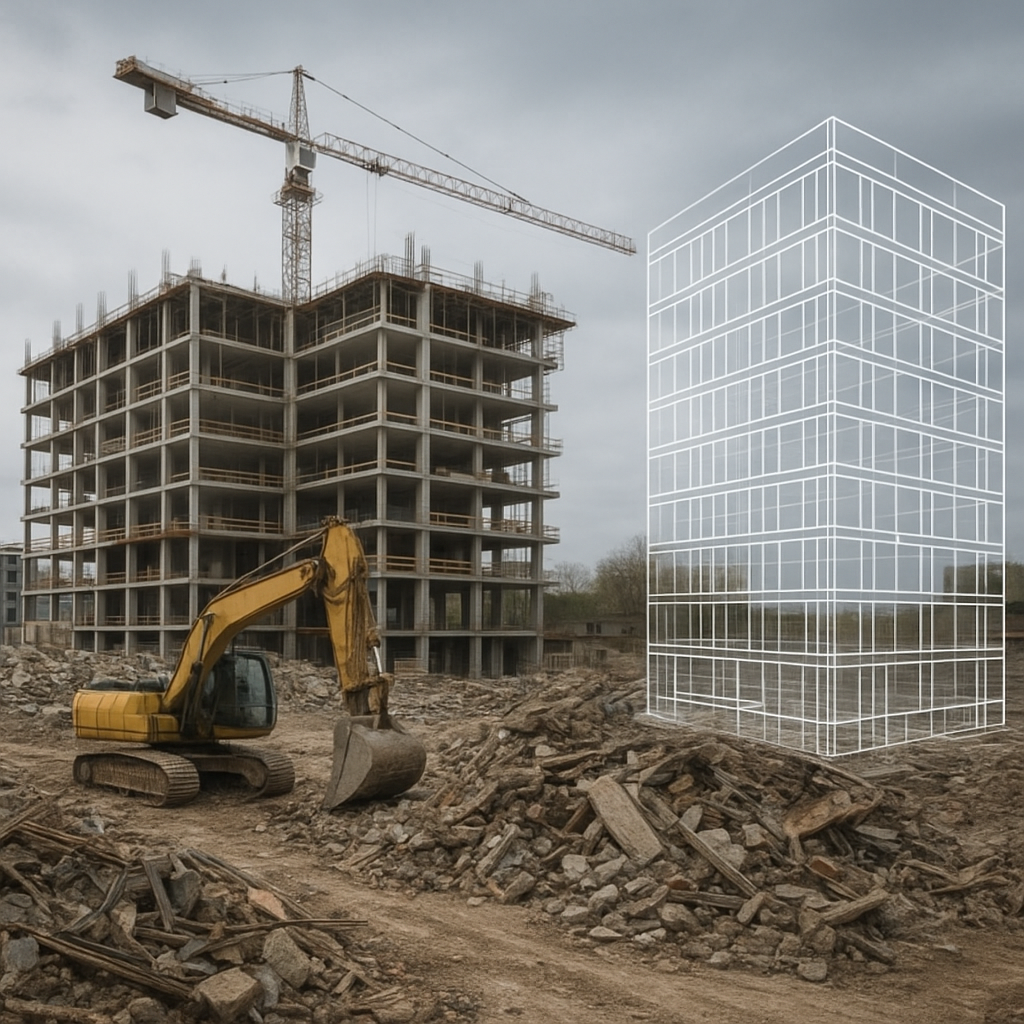
- Adaptive reuse of obsolete structures to reduce landfill burden
- Urban agriculture and vertical forests to improve air quality and food security
Architects have a duty to pioneer designs that restore ecosystems, rather than merely minimizing harm. Integrating nature into urban cores fosters healthier communities—and honors our shared commitment to intergenerational equity.
Social Impact and Inclusivity
A city’s skyline may sparkle, but its true value lies in how it serves all residents. Designing for inclusivity means accommodating diverse abilities, ages, and cultural backgrounds. It also entails avoiding gentrification and displacement that often accompany high-profile projects. Ethical architects engage with affected communities through participatory workshops, ensuring voices traditionally marginalized shape planning decisions.
Considerations for social justice include:
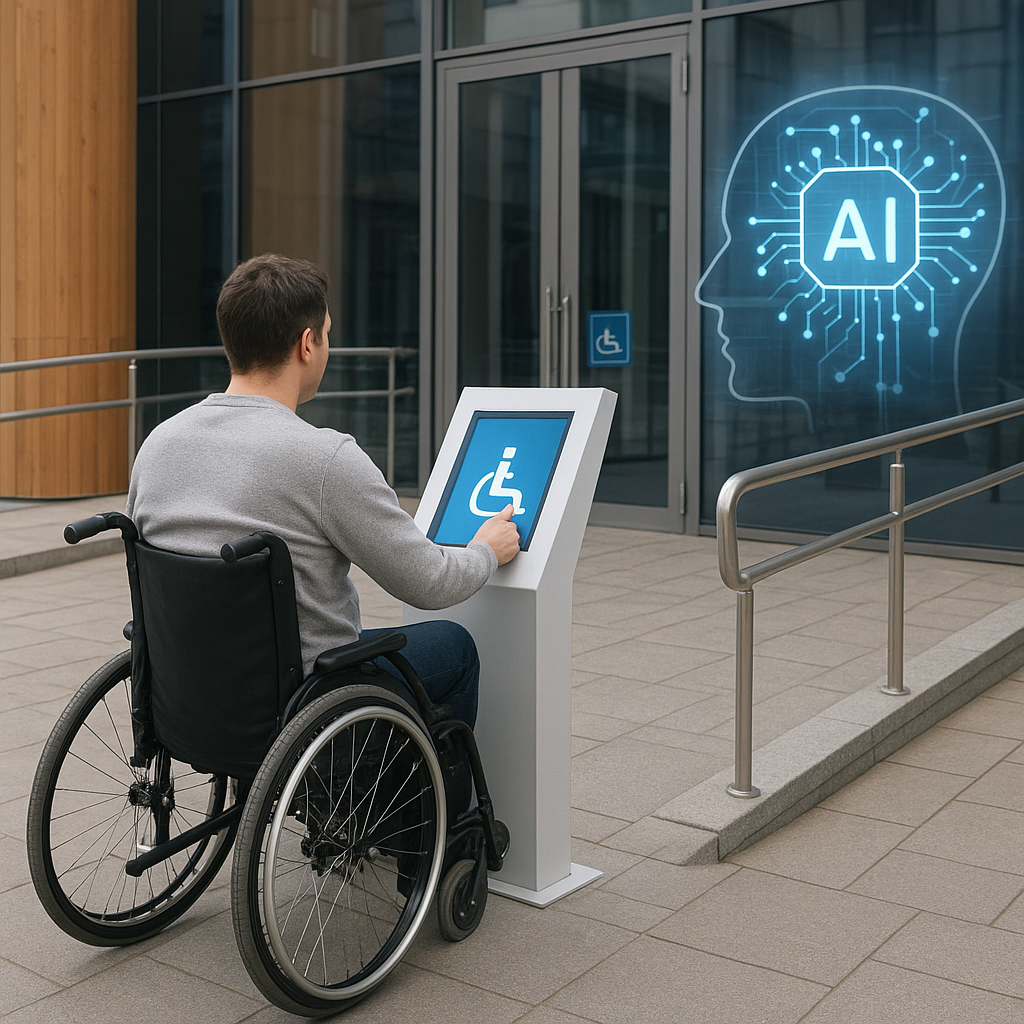
- Universal design standards that go beyond minimal accessibility
- Mixed-income housing integrated with public amenities
- Local hiring and training programs that build economic resilience
When architecture fosters genuine social cohesion, it transcends mere shelter to become a platform for empowerment and shared dignity.
Ethical Dilemmas and Regulatory Frameworks
The fast pace of technological change often outstrips existing laws and standards. Architects and engineers encounter dilemmas: Should buildings with AI-driven decision-making capabilities be held liable in case of malfunctions? How do we regulate the ethical use of data gathered from smart-home sensors? The principle of accountability demands clear assignment of responsibility—whether it lies with designers, software developers, or facility managers.
Key regulatory strategies might involve:
- Developing international guidelines for emergent construction technologies
- Implementing third-party certification for ethical design practices
- Mandating transparency reports on environmental and social impacts
By reinforcing legal and professional standards, the industry can navigate complex scenarios without compromising core human values.
Integration of Artificial Intelligence in Architectural Ethics
Artificial intelligence promises streamlined planning, optimized energy consumption, and predictive maintenance. Yet embedding algorithms into our built environment poses questions of bias, surveillance, and autonomy. How do we prevent AI from reinforcing social inequalities when deciding resource allocation or predicting neighborhood safety? Upholding principles of equity requires careful auditing of datasets and inclusive design teams that recognize cultural nuance.
Ethical AI integration calls for:
- Algorithmic transparency to explain decision-making pathways
- Privacy safeguards for occupant data generated by smart sensors
- Continuous stakeholder feedback loops to detect unintended consequences
Only by treating AI as a collaborative partner, rather than a black-box authority, can architecture harness computational power while safeguarding human rights.
Community Engagement and Participatory Planning
Projects that succeed ethically invite local populations into the design process from inception through completion. Workshops, virtual reality simulations, and mobile outreach teams break down technical barriers, allowing stakeholders to visualize proposals and voice concerns. True engagement respects the expertise of residents, valuing lived experience alongside professional insight. This participatory approach nurtures humanity in planning, building trust and long-term stewardship.
Effective methods include:
- Co-design sessions that highlight diverse cultural narratives
- Feedback channels accessible via multiple languages and formats
- Post-occupancy evaluations to refine future iterations
By embedding the community at the heart of decision-making, architecture transcends aesthetics, fostering spaces that resonate with collective identity and purpose.
Resilience, Transparency, and Future Prospects
Looking ahead, cities must be resilient to climate shocks, economic disruption, and evolving social dynamics. Ethical practice hinges on proactive design, real-time monitoring, and adaptive governance. Architects champion resilience not just as structural strength, but as societal capacity to absorb change. Embracing transparency in procurement, design rationale, and performance data cultivates public confidence.
The horizon of speculative architecture presents excitement and responsibility in equal measure. By weaving together technology, ecology, and human aspiration, the discipline can pioneer environments that uplift, protect, and inspire. The pursuit of tomorrow’s skylines is not merely about defying limits—it is about reaffirming our shared commitment to a more just, vibrant, and ethical built world.