
The convergence of life’s evolutionary wisdom and cutting-edge construction techniques is redefining the horizon of architectural innovation. By harnessing principles observed in nature, designers and engineers are crafting environments that not only captivate the eye but also elevate performance, adaptability, and ecological harmony. This exploration delves into how biomimicry is steering the future of architecture towards sustainable, resilient, and dynamic built spaces.
Organic Structural Strategies
Architects are increasingly seeking inspiration from the intricate frameworks found in living organisms. From the lightweight lattice of bird bones to the tensile strength of spider silk, these natural blueprints offer remarkable insights:
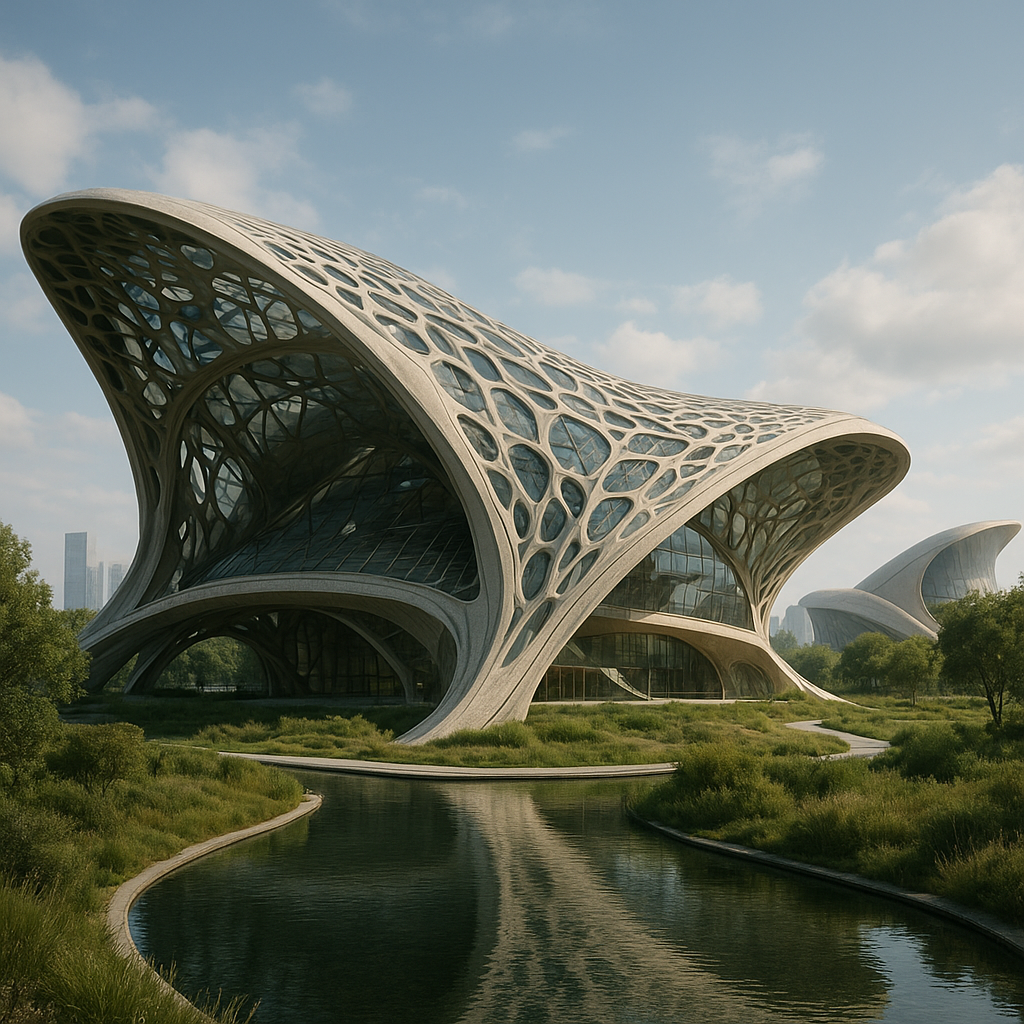
- Fractal geometry: The repetitive branching seen in trees and blood vessels optimizes load distribution and fluid transport. When applied to façade systems, fractal-inspired forms can achieve both structural integrity and aesthetic appeal.
- Honeycomb patterns: Emulating the hexagonal efficiency of beehives, building panels adopt this configuration for superior strength with minimal material use.
- Shell and skeletal morphologies: Mollusk shells and exoskeletons demonstrate how curvature and thickness variation yield robustness against environmental stresses.
These strategies pave the way for structures that self-support, self-regulate, and respond dynamically to internal loads and external forces. Integrating such designs reduces material consumption and elevates the overall resilience of high-performance buildings.
Adaptive Environmental Systems
Drawing from organisms’ capacity to perceive and adjust to changing surroundings, future buildings are envisioned as living entities themselves. Key facets include:
Smart Facades and Climate Control
- Phototropic skins: Inspired by sun-tracking plants, adaptive shading systems can alter their orientation or opacity to optimize daylight harvesting and thermal comfort.
- Biomimetic membranes: Mimicking cellular membranes that regulate transport, façades embedded with programmable pores can modulate airflow and moisture exchange, minimizing HVAC demands.
- Phase change materials: Borrowing from the thermal regulation strategies of certain seeds and animal tissues, PCM-infused walls store and release heat to stabilize indoor temperatures.
Self-Healing and Regenerative Technologies
Just as skin repairs after injury, new construction materials are emerging with autonomous repair capabilities:
- Microbial concrete: Engineered bacteria within cementitious matrices precipitate calcium carbonate in micro-cracks, sealing them without external intervention.
- Photo-responsive polymers: Exposed to specific light frequencies, these materials reorganize at the molecular level to close fissures and restore continuity.
Such innovations extend the lifecycle of assets, cut maintenance costs, and reduce the overall carbon footprint of buildings by mitigating the need for frequent renovations.
Ecosystem Integration and Urban Synergy
By perceiving cities as complex ecosystems rather than static constructions, planners are weaving built forms into natural cycles. This holistic perspective encompasses:
Vertical Forests and Green Corridors
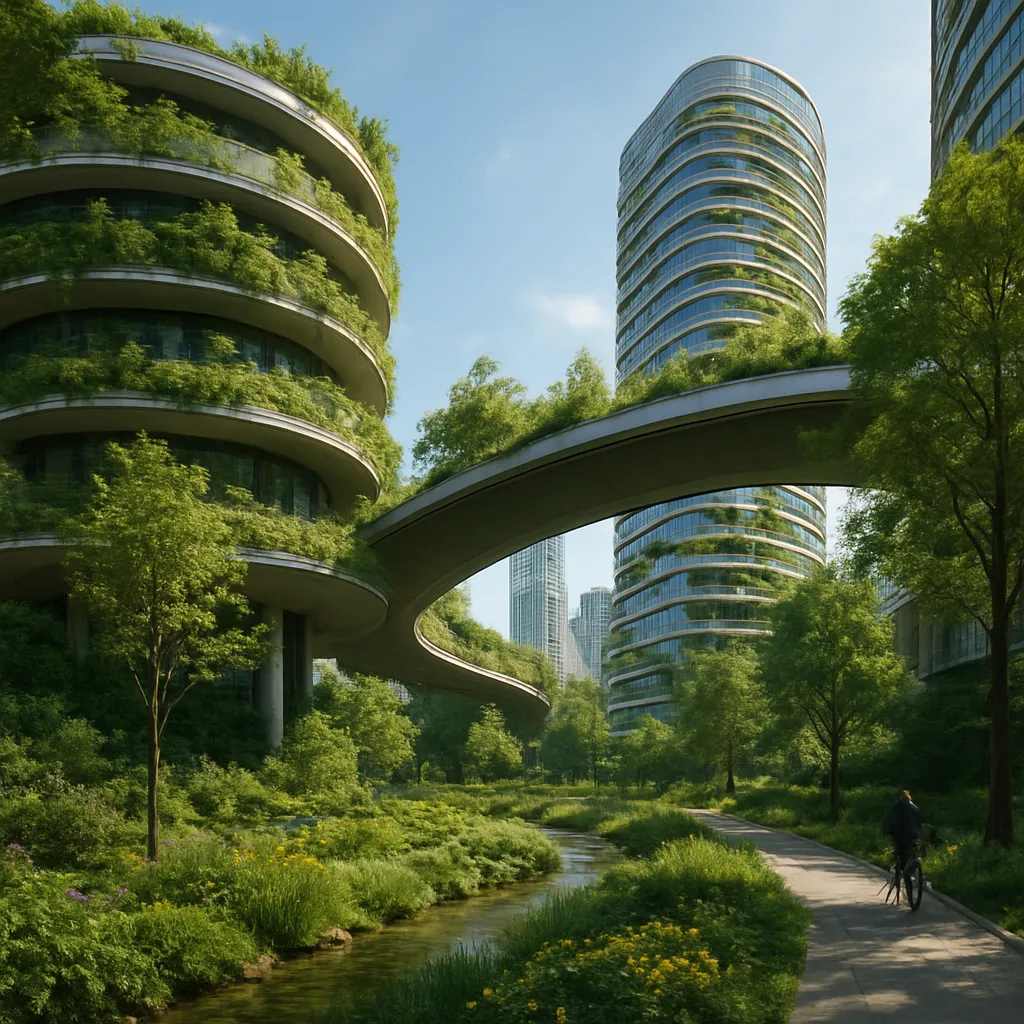
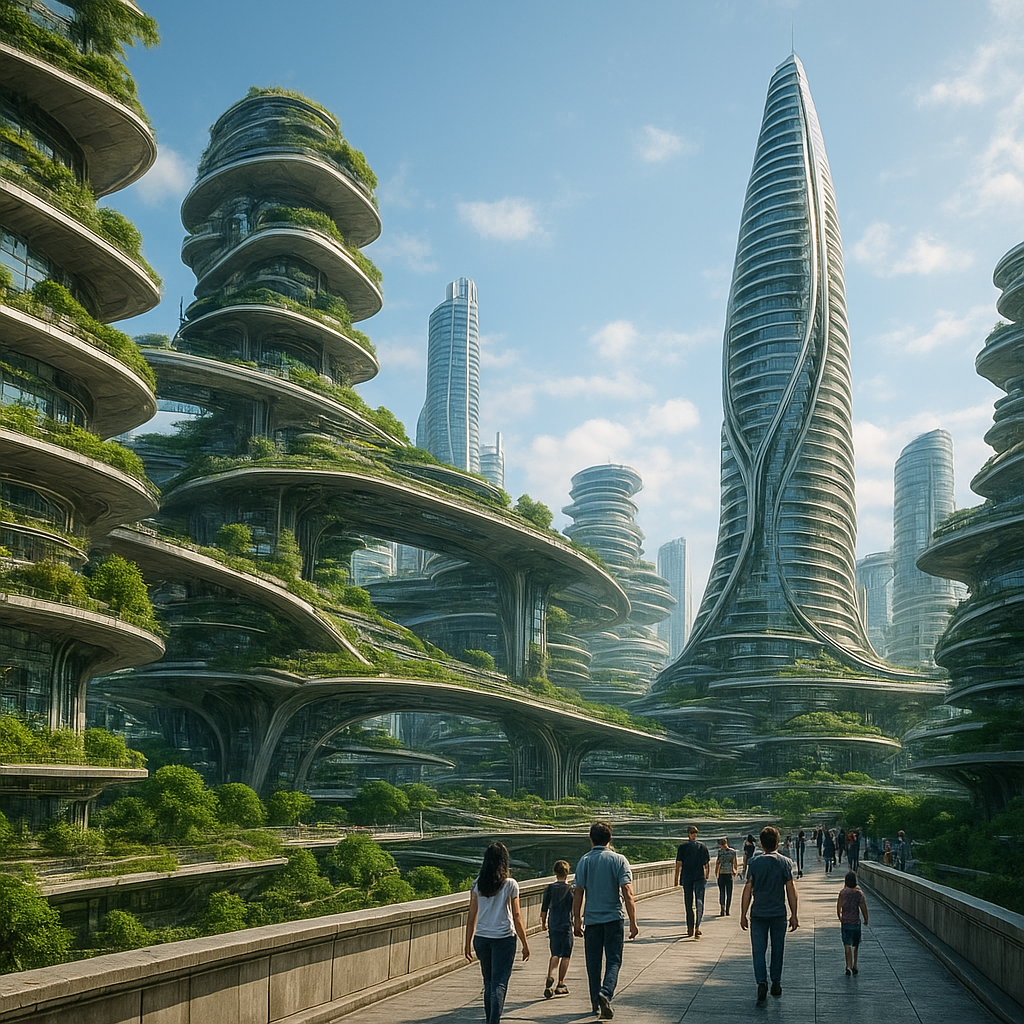
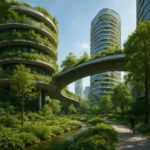
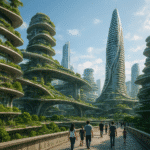
- Plant-assisted façades: Vegetation envelops high-rises, enhancing air quality, providing thermal insulation, and fostering biodiversity.
- Pollinator pathways: Landscaped aerial bridges and rooftop gardens connect habitats, sustaining urban wildlife and promoting ecological balance.
Water Harvesting and Circulation
Water is managed not as a waste product but as a resource to be cycled:
- Biomimetic wetlands: Artificial marshes process greywater through plant and microbial action, purifying runoff before release.
- Lotus-inspired surfaces: Superhydrophobic cladding channels rainwater into collection reservoirs for reuse in irrigation and cooling systems.
Advanced Material Innovations
Next-generation materials are taking cues from the nanoscopic and molecular wonders perfected by nature over millennia:
Nanostructured Composites
- Spider silk analogs: Synthetic fibers replicate silk’s exceptional tensile strength and elasticity, offering lightweight alternatives to steel and glass.
- Photonic crystals: Emulating the iridescent layers of butterfly wings, façade coatings can manipulate light for passive solar control and shimmering aesthetics.
Responsive Textiles and Membranes
Wearable-architecture principles are emerging in deployable canopies and inflatable structures:
- Shape-memory alloys: Metal frameworks fold, extend, or stiffen in response to thermal stimuli, enabling kinetic installations and transformable spaces.
- Electroactive polymers: These materials morph under electrical fields, allowing walls and partitions to reconfigure on demand.
Performance Optimization Through Computational Evolution
Computational tools mimic Darwinian selection to evolve architectural forms and systems that excel in real-world conditions:
Generative Design and Evolutionary Algorithms
- Parametric morphogenesis: Designers encode environmental, structural, and ergonomic criteria into algorithms that iterate toward optimal shapes.
- Topology optimization: Using finite element analysis, mass is distributed along stress pathways mirroring bone adaptation, ensuring material efficiency and strength.
Digital Twins and Predictive Modeling
Virtual replicas of buildings monitor performance, simulate modifications, and prescribe enhancements:
- Real-time monitoring: Sensor arrays track temperature, humidity, and structural loads, feeding data into AI-driven models for proactive adjustments.
- Scenario planning: Digital twins simulate climatic events, occupancy patterns, and resource flows, guiding architects toward sustainable strategies long before breaking ground.
Human-Centric and Social Impacts
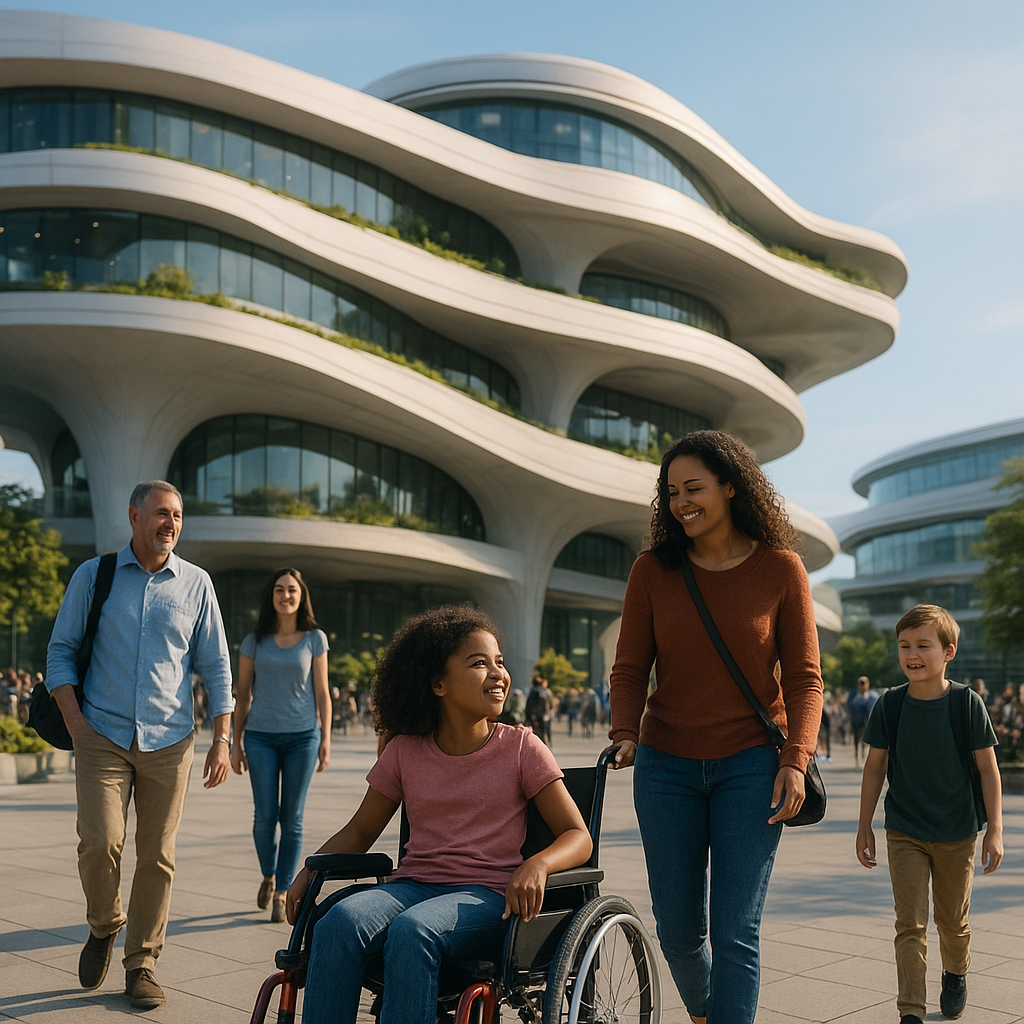
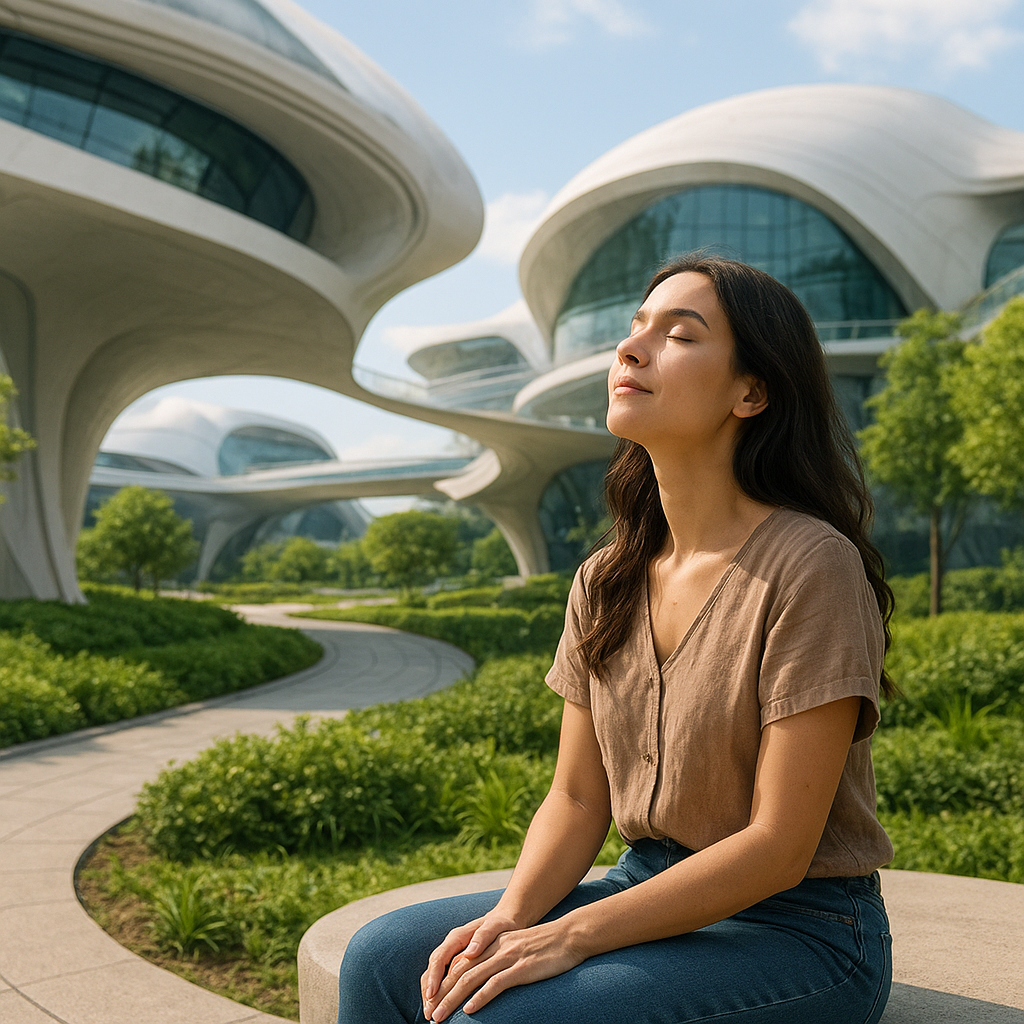
Futuristic architecture infused with biomimetic intelligence places occupants’ well-being at its core:
Biophilic Environments
- Daylight optimization: Nature-inspired light wells and reflective surfaces ensure even distribution of natural illumination, reducing fatigue and enhancing cognitive function.
- Acoustic regulation: Structures modeled on owl feather geometry absorb and diffuse noise, creating tranquil interior atmospheres.
Community Resilience and Equity
Buildings designed with nature’s cooperative principles foster stronger social fabrics:
- Shared resource networks: Like fungal mycelium linking forest ecosystems, smart grids distribute energy, water, and data equitably across neighborhoods.
- Modular adaptability: Resembling cellular replication, modular units assemble and reassemble to accommodate growing or shifting user needs, ensuring inclusivity and affordability.
As architecture increasingly mirrors the wisdom of biological systems, the synergy between form, function, and environment promises urban landscapes that are efficient, responsive, and inherently sustainable. By championing biomimicry, the next generation of structures will not only stand as monuments to human ingenuity but also as living participants in the Earth’s intricate web of life.