
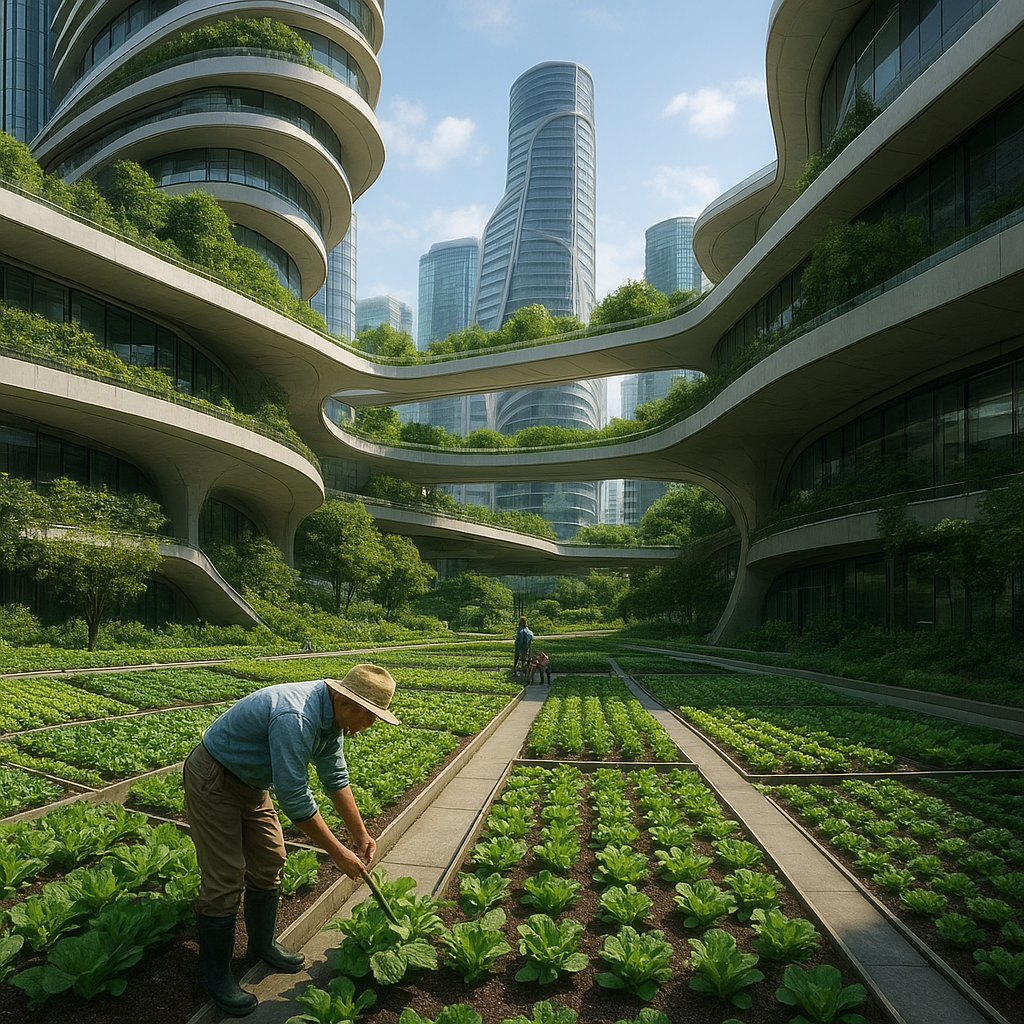
The fusion of agriculture with tomorrow’s cityscapes is transforming the way we live, eat, and build. Urban farming in a futuristic architecture context emphasizes innovation, blending cutting-edge technologies with visionary design. By integrating verdant ecosystems into steel, glass, and concrete, architects and engineers are crafting self-sustaining habitats that nurture both plants and people. This synergy of form and function is driven by a quest for sustainability, resilience, and a deeper connection to nature within metropolitan environments.
Technological Innovations Shaping Urban Agriculture
At the heart of modern urban farms lie advanced cultivation methods that push beyond traditional soil-based systems. Hydroponics and aeroponics enable crops to thrive with minimal water usage, circulating nutrient-rich solutions or mist around root networks. These soilless techniques maximize yield while reducing waste and footprint—ideal for confined rooftops, balconies, and repurposed high-rises.
AI-Driven Cultivation Control
Artificial intelligence algorithms orchestrate the delicate balance of light, temperature, humidity, and nutrients. Through sensor networks embedded in growth chambers, real-time data feeds into machine-learning models that adjust environmental parameters to optimize plant health. Predictive analytics forecast potential issues—pest infestation or nutrient deficiency—triggering automated interventions before yields suffer.
Renewable Energy Integration
Powering these high-tech systems sustainably demands synergy with renewable sources. Solar façades, wind-capture towers, and geothermal loops provide clean electricity and heating. Energy storage units buffer fluctuations, ensuring continuous operation. By merging renewable energy infrastructure with cultivation pods, futuristic structures function as zero-emission micro-farms, reducing carbon footprints.
Architectural Strategies for Vertical and Modular Farms
Space constraints in densely populated cities have spurred designers to build upward. Vertical farms stack multiple levels of crop beds in climate-controlled towers, revitalizing abandoned warehouses or newly erected skyscrapers. Each floor accommodates rows of leafy greens, herbs, and even vine plants, illuminated by energy-efficient LEDs tuned to specific wavelengths for accelerated photosynthesis.
- Water recycling reservoirs with advanced filtration
- Automated LED arrays for optimized light spectra
- Modular growth trays enabling rapid reconfiguration
- Drone-assisted harvesting and monitoring
Smart Facades and Adaptive Skins
Building envelopes in these projects go beyond traditional cladding. Smart facades incorporate kinetic panels that adjust orientation to capture sunlight or shade internal farms. Some façades double as hydroponic racks, offering living walls that insulate interiors and filter urban pollution. Through programmable materials and robotics, exteriors morph seasonally, balancing energy efficiency with optimal crop exposure.
Modular Systems for Scalability
A modular approach accelerates deployment. Prefabricated units, complete with plumbing, electronics, and structural supports, arrive on-site ready to assemble. Developers can stack or connect modules horizontally, customizing layouts to fit available space. This modular architecture supports phased growth—initial pilot pods scale up to full farm complexes as demand and investment grow.
Environmental and Social Impacts
Urban farming embedded in futuristic buildings delivers multifaceted benefits. It slashes food miles by producing fresh vegetables and fruits near consumers, cutting transportation emissions and spoilage. Waste streams cascade through integrated composting facilities and microbial bioreactors, achieving a zero-waste production cycle. Graywater from kitchens irrigates micro-gardens, while organic residues power bioenergy generators.
Community Engagement and Well-Being
Beyond ecological gains, these farms become civic hubs. Rooftop greenhouses and sky bridges invite visitors to learn sustainable practices firsthand. Educational programs for schools and neighborhood associations foster community engagement, turning sterile rooftops into vibrant classrooms. Harvest festivals and pick-your-own events strengthen social ties, while access to hyper-local produce improves urban nutrition and health.
Enhancing Food Security and Equity
In regions prone to food deserts, building-integrated agriculture offers a lifeline. Governments and NGOs partner with developers to subsidize farm units in underserved areas. Locally grown greens, legumes, and microgreens bolster food security, reducing reliance on distant supply chains vulnerable to disruptions. Sliding-scale pricing and community-supported agriculture programs ensure affordability for low-income families.
Future Prospects and Challenges
The journey toward fully realized farm-infused metropolises is both promising and complex. Rapid urbanization demands innovative housing and food solutions, positioning urban farms as pivotal components of next-gen cities. Yet, hurdles remain: high initial capital costs, regulatory ambiguities, and the need for interdisciplinary collaboration between architects, agriculturists, and tech specialists.
Policy Frameworks and Incentives
Governments that craft supportive policy frameworks accelerate adoption. Zoning laws acknowledging agriculture as a valid land use, tax credits for green rooftops, and grants for research into low-energy cultivation all drive momentum. When municipalities treat urban farming as integral infrastructure rather than optional landscaping, investment flows and experimentation proliferates.
Scalability and Economic Viability
Scaling pilot projects into profitable enterprises hinges on optimizing operational efficiency. Advances in robotics, autonomous nutrient delivery, and cloud-based management platforms reduce labor and maintenance costs. As systems mature, economies of scale lower unit expenses, enabling widespread deployment in residential, commercial, and mixed-use towers. Achieving competitive pricing with traditional farms demands relentless innovation in scalability, supply chain integration, and market outreach.
Conclusion
Architectural visions that interweave lush cultivation with futuristic form are redefining urban life. By harnessing biophilic design, cutting-edge agritech, and sustainable energy, cities can evolve into self-sufficient ecosystems. These living structures not only feed growing populations but also elevate human well-being, foster social cohesion, and champion environmental stewardship. As technology advances and communities embrace this paradigm, the skyline itself will become a testament to the harmony between nature and the built environment.