
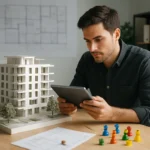
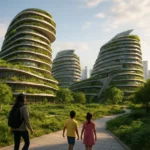






Architectural practice is undergoing a radical transformation fueled by the integration of quantum computing into every stage of design, analysis, and construction. As urban landscapes evolve to accommodate ever-growing populations and environmental pressures, forward-thinking firms are leveraging cutting-edge computational methods to reimagine living spaces, optimize resource allocation, and push the limits of form and function. This exploration delves into the key dimensions of how quantum-enabled approaches are set to redefine the future of architecture, accelerating innovation and addressing challenges of unprecedented scale.
Quantum Leap in Architectural Thinking
The advent of truly scalable quantum machines introduces a paradigm shift: problems once deemed intractable due to combinatorial complexity can now be modeled and solved with remarkable precision. Traditional computational frameworks often struggle with the myriad variables involved in designing skyscrapers, sustainable neighborhoods, or adaptive public spaces. By contrast, quantum processors exploit superposition and entanglement to evaluate vast solution spaces simultaneously, ushering in a new era of generative design and creative exploration.
- From conceptual massing studies to final construction planning, quantum-driven optimization algorithms can propose novel forms that minimize material usage and environmental impact.
- Integration with advanced simulation platforms enables architects to test structural resilience under dynamic conditions—earthquakes, high winds, or even long-term material fatigue.
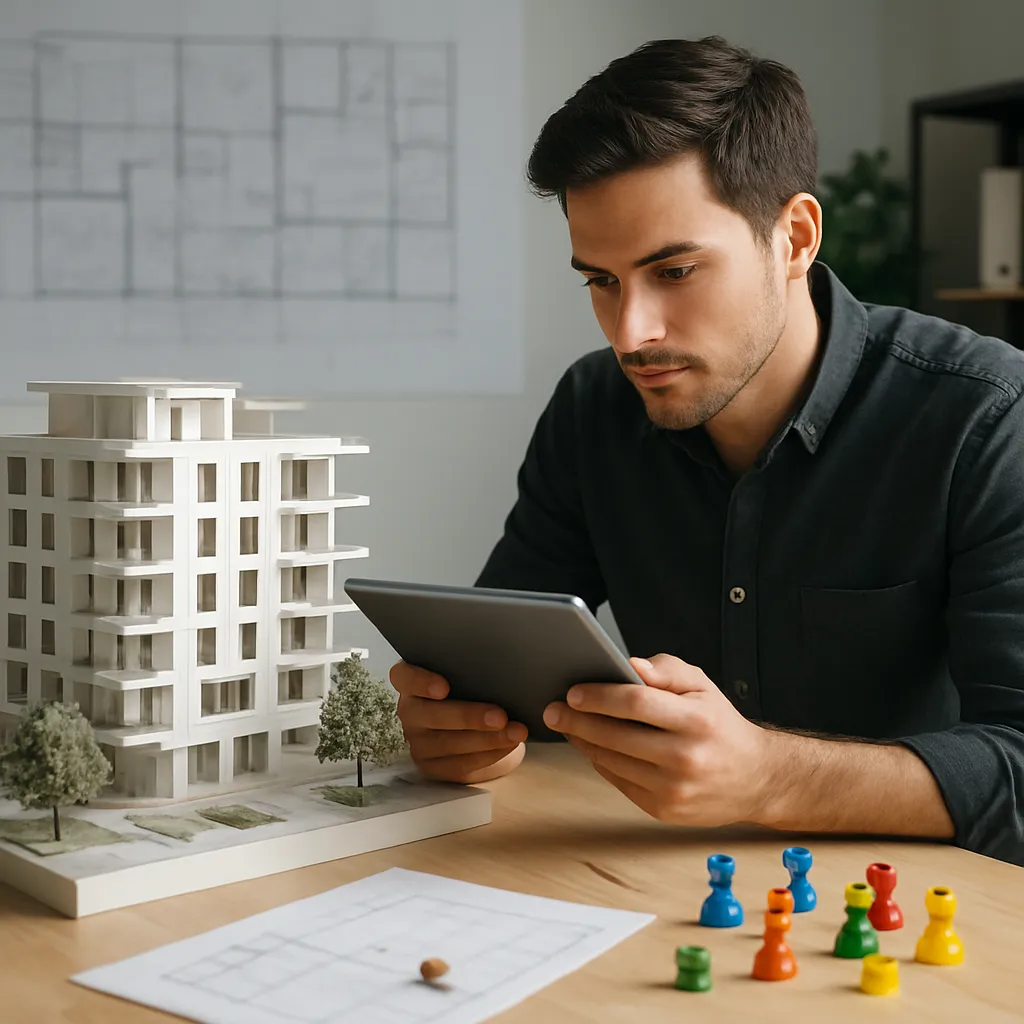
- Collaborative design environments harness quantum-accelerated data analysis to iterate in real time, allowing multidisciplinary teams to converge on bold, efficient solutions.
Advanced Materials and Structural Innovation
Material science stands to gain enormously from quantum-enabled predictions of molecular interactions and crystal structures. By simulating the quantum behavior of atoms within proposed compounds, researchers can discover super-strong alloys, self-healing polymers, and responsive surfaces that adapt to external stimuli. This capability highlights how materials research becomes inseparable from architectural ambition.
Quantum-Assisted Material Discovery
Quantum simulation platforms accelerate the screening of thousands of potential composites, evaluating thermal conductivity, tensile strength, and carbon footprint in silico before ever entering a lab. This slashes development cycles from years to months and unlocks novel composites with enhanced sustainability profiles.
Smart Facades and Adaptive Skins
Next-generation building envelopes incorporate nano-scale actuators and shape-memory alloys. Quantum-derived control algorithms regulate light transmission, thermal exchange, and acoustic performance, responding instantaneously to weather changes or occupant preferences. The result is a living interface between the built environment and its users, boosting comfort, energy efficiency, and operational resilience.
Revolutionizing Simulation and Optimization
Complex building projects demand detailed analysis of airflow, structural loads, and occupant flow patterns. Quantum-enhanced simulation engines tackle these multi-dimensional challenges by sampling probability distributions at unprecedented scales. This yields deep insights into fluid dynamics around irregular geometries, seismic behavior of innovative support systems, and emergency egress modeling under high-density scenarios.
- Quantum annealing methods optimize floorplate layouts, service routing, and façade geometry to achieve peak performance with minimal waste.
- Iterative feedback loops between digital twins and quantum solvers enable continuous improvement throughout the construction lifecycle.
- Coupling quantum approaches with AI ensures that emerging patterns—whether load transfer anomalies or thermal hotspots—are detected and corrected early.
Impact on Urban Planning and Environmental Stewardship
At a metropolitan scale, quantum computing empowers urban planners to evaluate millions of development scenarios, balancing housing needs, transportation networks, and green spaces. By resolving the intricate interdependencies among zoning regulations, demographic trends, and resource availability, city stakeholders can craft policies that foster equitable growth and environmental protection.
Climate-Responsive Zoning
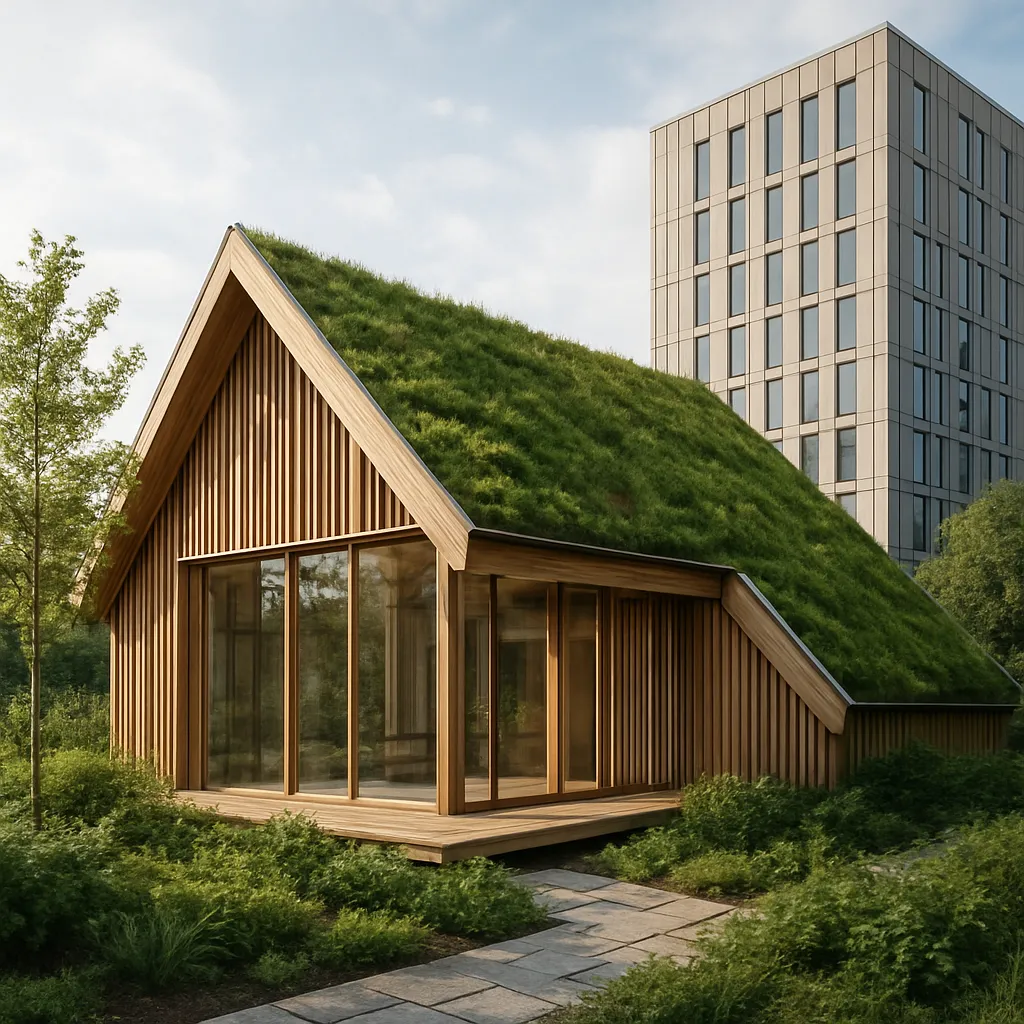
Quantum-aided models incorporate climate projections and real-time sensor data to recommend dynamic zoning changes. Districts at risk of flooding or heat stress can be targeted for adaptive infrastructure upgrades or mandated green retrofits, enhancing resilience against climate volatility.
Efficient Mobility Networks
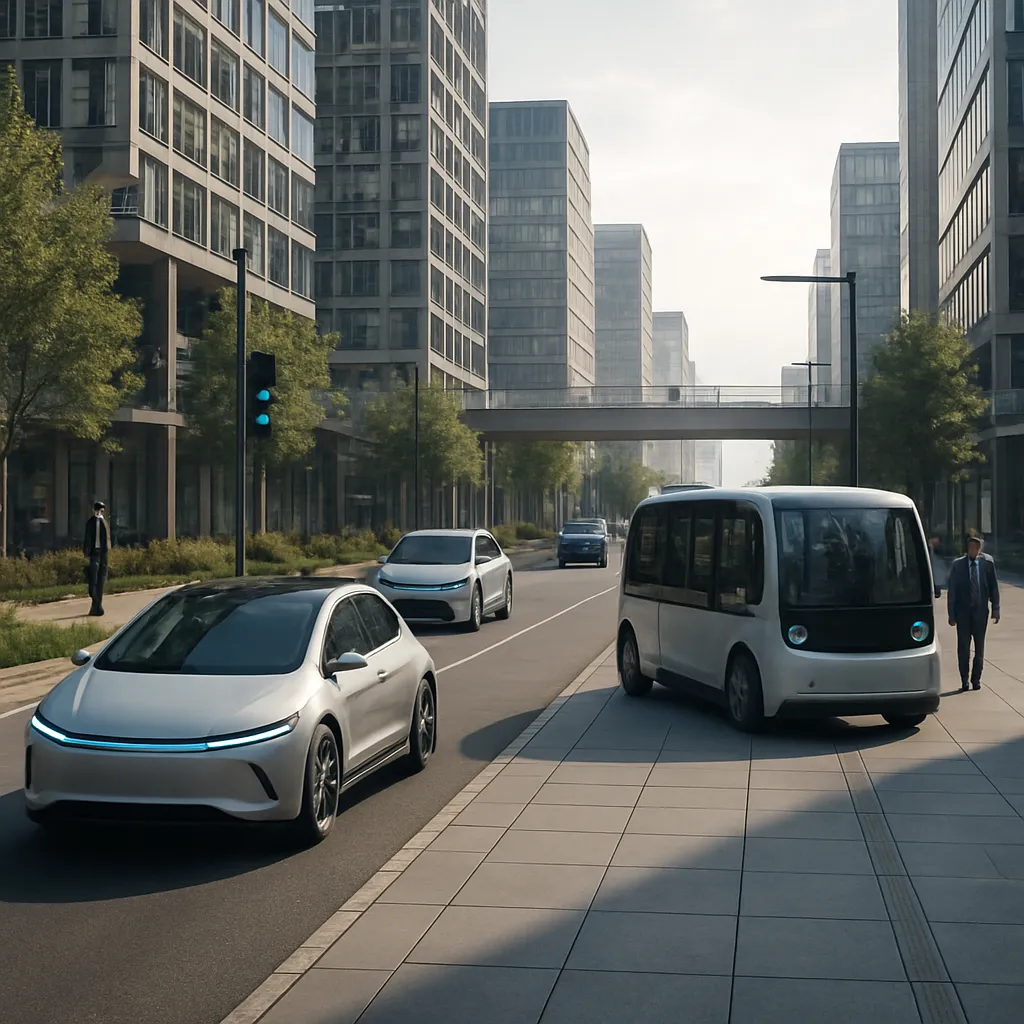
Optimizing public transit routes, micro-mobility hubs, and pedestrian corridors becomes tractable when millions of origin-destination pairs are analyzed in concert. The outcome is an interconnected network that reduces congestion, lowers emissions, and promotes healthier urban lifestyles.
Challenges, Ethical Dimensions, and Future Directions
While the promise of quantum-powered architecture is immense, practical adoption faces hurdles. Access to fault-tolerant quantum hardware remains limited, and bridging the gap between theoretical breakthroughs and deployable software frameworks requires concerted effort. Ethical considerations—such as equitable access to advanced design tools and data privacy in sensor-driven environments—must be addressed collaboratively by technologists, policymakers, and design professionals.
- Investing in workforce training ensures a new generation of architects and engineers versed in both classical methods and quantum protocols.
- Standardizing open-source quantum design libraries accelerates shared advancement and prevents proprietary lock-in.
- Fostering interdisciplinary partnerships between quantum physicists, material scientists, and urban sociologists will yield holistic solutions to complex societal challenges.
Ultimately, the fusion of innovation and responsible stewardship will determine how quantum computing reshapes the skylines and ecosystems of tomorrow’s cities. As computational frontiers expand, the architectural profession stands at a crossroads: embrace the quantum leap to unlock resilient, sustainable habitats, or risk falling behind a wave of transformative capability that promises to enrich human experience at unprecedented scale.