


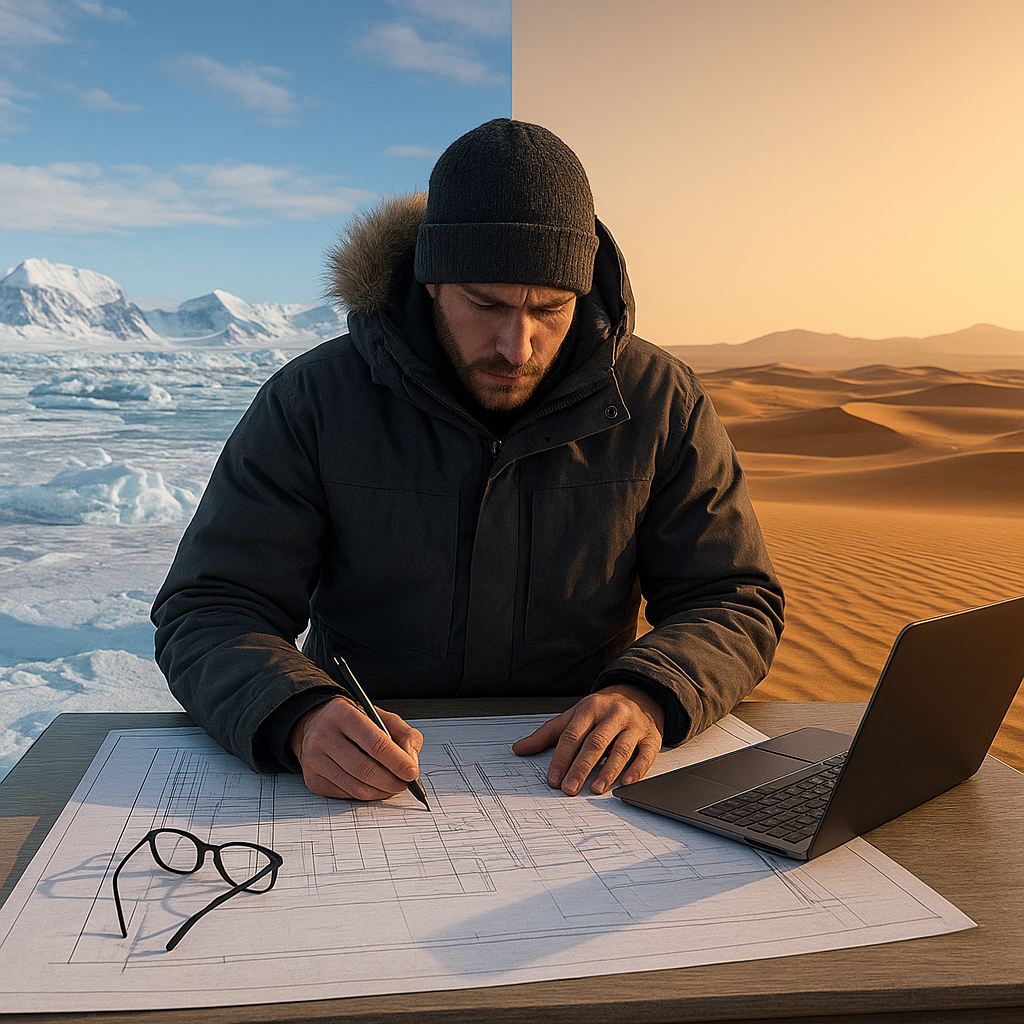
Exploring uncharted territories has always pushed the boundaries of human ingenuity. When confronting the harsh realities of the Arctic tundra or the scorching expanse of global deserts, architects and engineers must integrate cutting-edge strategies that ensure both survival and **comfort**. The realm of futuristic architecture thrives on the marriage of technological prowess and ecological responsibility, crafting habitats that not only withstand extremes but also celebrate the beauty of these stark landscapes.
Unveiling the Arctic Challenge
The Arctic is a realm defined by sub-zero temperatures, relentless winds, and the shifting mosaic of sea ice. Here, foundations rest upon permafrost—a layer of soil that remains frozen for years. Disturbing this ground can trigger thawing, causing structural instability and environmental degradation. Architects must employ innovative techniques to anchor buildings while preserving the integrity of the frozen earth.
Passive Thermal Management
- Insulation: Employing vacuum-insulated panels and aerogel blankets to minimize heat loss.
- Thermosiphon Piles: Utilizing heat-dissipating supports that extract warmth from the ground, keeping permafrost stable.
- Adaptive ventilation systems that recover heat from outgoing air to pre-warm incoming fresh air.
In addition to preserving ground temperature, passive design enhances energy efficiency. Buildings often adopt an aerodynamic form to shed snow accumulation and reduce wind-driven heat loss. Roof angles and overhangs are precisely calculated to encourage snow to slide off, minimizing maintenance.
Resilient Materials and Construction
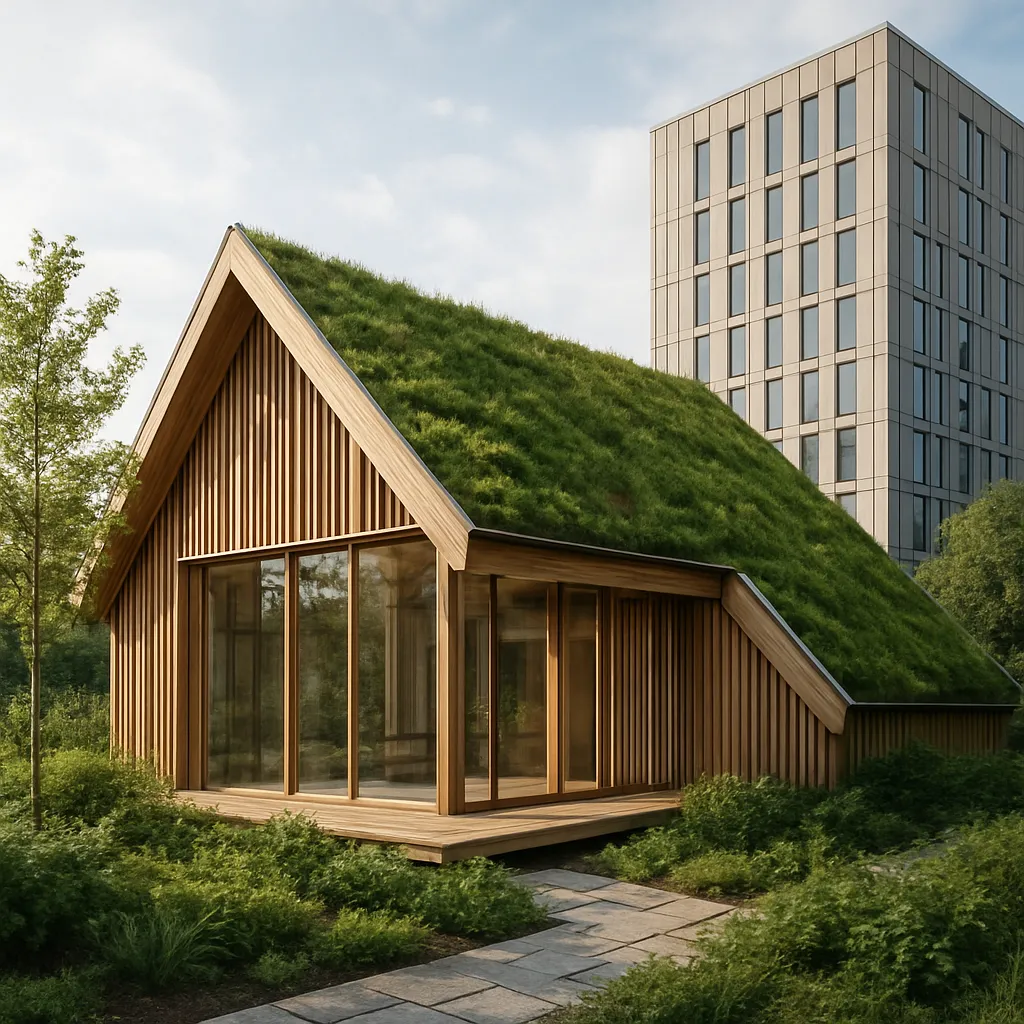
Cold climates demand materials that resist embrittlement and thermal cycling. Cross-laminated timber (CLT), treated with specialized resins, offers a renewable alternative to steel or concrete, combining strength with light weight. Exterior cladding of high-density composites or self-healing coatings provides additional protection against ice abrasion and UV degradation.
- Modular prefabrication in temperate zones reduces on-site construction time in the Arctic, limiting exposure to extreme conditions.
- Robotic assembly platforms equipped with heated manipulators operate safely in sub-zero environments, ensuring precision.
- Integration of photovoltaics into roof panels and facades captures available daylight, even during the dim polar winter.
Embracing Desert Extremes
Deserts present an opposite challenge: relentless heat, intense solar radiation, and scarce water resources. Here, architecture must shield inhabitants from temperatures that can soar above 50°C, while harnessing the sun’s energy and sourcing water in an environment of scarcity.
Solar Harnessing and Shading
- Solar Facades: Multi-layered glazing with dynamic tinting adjusts transparency, optimizing daylight and limiting heat gain.
- Photovoltaic pergolas and mesh canopies provide shaded outdoor spaces while generating electricity.
- Atrium designs with evaporative cooling fountains create microclimates that precondition incoming air.
By channeling excess daytime heat into subterranean thermal batteries, desert habitats can release stored warmth during cool nights, ensuring a stable indoor climate without relying solely on active cooling systems. Strategic courtyard placement and wind towers leverage natural breezes for passive ventilation.
Water Conservation and Harvesting
Water scarcity drives innovation in collection, recycling, and desalination. Condensation chambers, also known as dew collectors, use radiative cooling panels to harvest moisture from the air. Greywater recycling systems filter and repurpose water from sinks and showers for irrigation and flushing toilets.
- Atmospheric water generators extract water vapor directly from air, powered by renewable energy.
- Subterranean cisterns store stormwater harvested during rare desert rains, minimizing evaporation.
- Hydrogel-based landscaping captures runoff and slowly releases moisture to drought-resistant vegetation.
Material Innovation and Sustainability
Across both polar and desert extremes, sustainability underpins every design decision. Architects are increasingly drawn to biomimicry, observing how flora and fauna adapt to harsh conditions and translating these strategies into human habitats.
Bio-inspired Structural Systems
- Ice-mimicking lattice structures create a high strength-to-weight ratio, reminiscent of snowflakes’ efficient geometry.
- Tubular “honeycomb” cores make walls both insulating and lightweight, reducing material consumption.
- Self-shading façade panels emulate cactus ribbing, providing shade while channeling dew to collection troughs.
Renewable or recycled materials dominate the palette. Mycelium-based composites offer fire resistance and insulation, while carbon-captured concrete reduces the building’s carbon footprint. Even temporary research stations in polar regions are now built using shipping-container modules clad in recyclable outer layers, ensuring that decommissioning leaves minimal environmental trace.
Energy Autonomy
Extreme environments often lack reliable grid connections. Architectures must achieve near-zero energy consumption through on-site generation and storage. Hybrid power systems blend solar arrays, vertical-axis wind turbines, and small-scale geothermal loops. Phase-change materials integrated into walls and floors store thermal energy during surplus production and release it when demand peaks.
- Li-ion and flow batteries housed in temperature-controlled enclosures ensure grid independence.
- Smart microgrids optimize distribution, automatically redirecting energy to critical systems during outages.
- Predictive AI models forecast weather patterns, adjusting power generation strategies to maximize efficiency.
Adaptive Technologies for Survival
Looking toward the future, architecture in extreme climates will rely on increasingly adaptive systems. Buildings will learn from their occupants and surroundings, responding in real time to maintain optimal conditions.
Responsive Envelopes
- Shape-shifting façades adjust porosity and albedo based on solar intensity and wind direction.
- Electrochromic windows modulate transparency in milliseconds, balancing light admission and glare control.
- Membrane roofs inflate or deflate to create insulating air gaps or release excess heat rapidly.
Robotic Maintenance and Monitoring
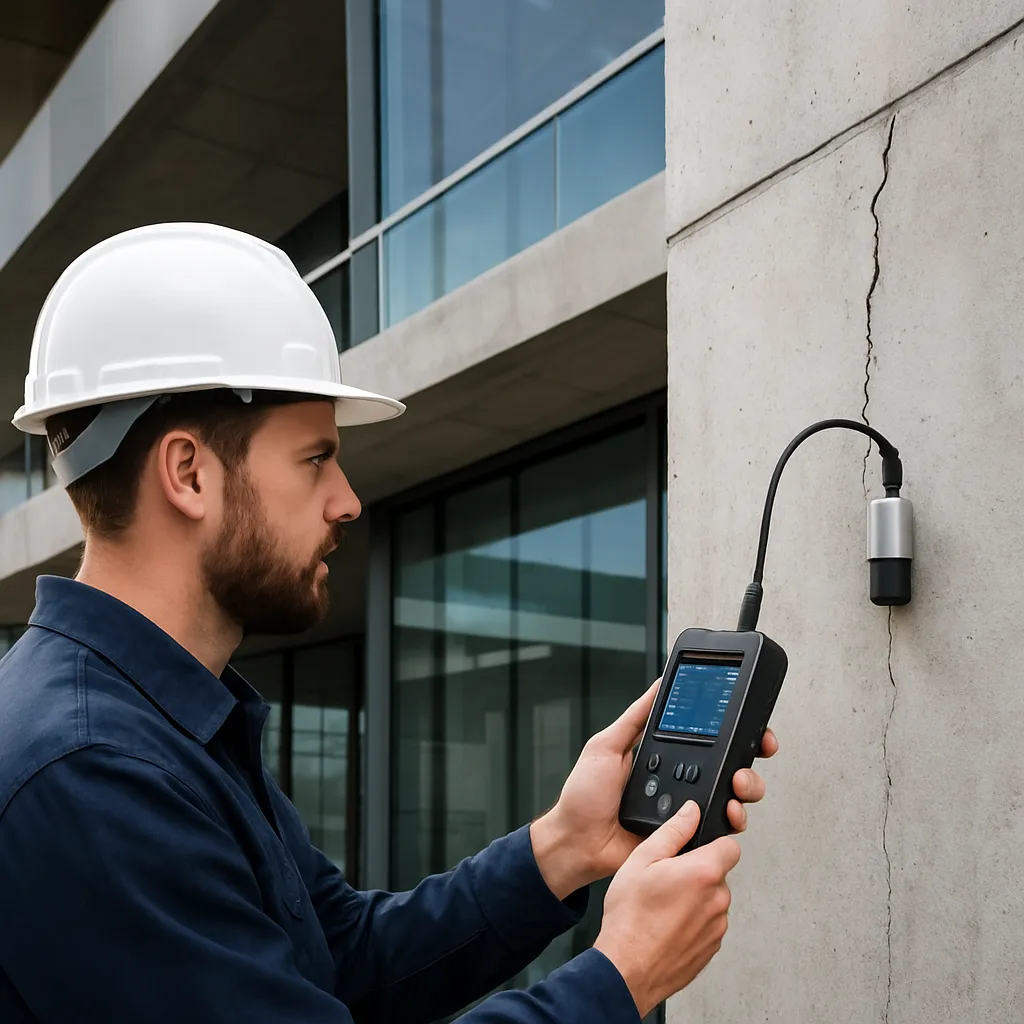
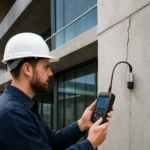
In environments where human access is limited or risky, autonomous drones and ground robots perform routine inspections and repairs. They identify micro-cracks in coatings, clear ice buildup, and recalibrate sensors. This proactive approach extends the lifespan of structures and ensures occupant safety without requiring constant human intervention.
- AI-driven diagnostics predict wear and schedule maintenance, preventing catastrophic failures.
- Swarm robotics collaboratively erect new modules, allowing habitats to expand as research or tourism demands grow.
- Embedded sensor networks monitor air quality, structural stress, and energy flows, feeding data into centralized management systems.
By integrating these technologies, futuristic architecture in the Arctic and desert emerges as a testament to human adaptability. It proves that even in the planet’s most unforgiving regions, design can transform survival into a harmonious coexistence with nature’s grandest extremes.