




Humanity stands at the threshold of a new era in architectural exploration. As we contemplate settlements on Mars, the Moon, and beyond, designers are challenged to conceive spaces that not only withstand alien environments but also nurture human life. This article delves into the emerging discipline of futuristic architecture, exploring the principles, materials, and social strategies required for successful planetary migration. By examining theoretical frameworks and practical innovations, we chart a course toward habitats that blend Sustainability, Resilience, and human-centered design.
Conceptual Framework: Redefining Habitation
The notion of building beyond Earth demands an upheaval of traditional architectural paradigms. While terrestrial structures rely on gravity, abundant resources, and established supply chains, off-world habitats face extreme temperatures, radiation, microgravity or low gravity, and resource scarcity. Achieving a viable interplanetary settlement calls for a radical shift in thinking:
- Prioritizing Adaptation over replication: designs must evolve to suit local conditions rather than mimic Earth equivalents.
- Emphasizing Autonomous construction: robotics and AI-driven fabrication minimize human labor in hostile landscapes.
- Integrating closed-loop systems: water, air, and waste cycles become part of the architectural fabric.
At the core lies a commitment to bioinspired strategies. By observing extremophile organisms and desert ecosystems, architects can develop forms that regulate temperature, harvest scarce resources, and shield inhabitants from radiation. This biomimetic approach fosters spaces that feel alive, self-regulating, and capable of learning from environmental feedback.
Materials and Technologies for Off-World Construction
Traditional construction materials prove impractical when the nearest quarry is millions of kilometers away. Instead, the focus shifts to in-situ resource utilization (ISRU) and advanced manufacturing:
- Regolith-based composites: powdered regolith combined with polymer resins or sulfur to create sturdy building blocks.
- 3D printing mega-structures: autonomous printers that layer materials to erect shelters, domes, and protective berms in record time.
- Radiation shielding: water, hydrogen-rich polymers, or regolith-derived bricks provide passive protection against cosmic rays.
Emerging technologies such as self-healing concrete and shape-memory alloys introduce dynamic responsiveness into the built environment. Imagine walls that seal cracks microscopically or deploy additional layers when sensors detect micrometeorite impacts. These materials anchor the vision of habitats that maintain Integrity and safety without constant human oversight.
Design Principles for Sustainable Off-World Cities
Creating large-scale settlements on Mars or the Moon challenges planners to scale up from single modules to interconnected communities. Four guiding tenets inform these efforts:
- Modularity: Standardized units can be expanded or reconfigured as populations grow.
- Redundancy: Critical life-support systems appear in parallel networks to ensure continuity.
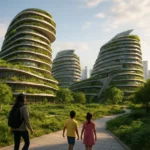
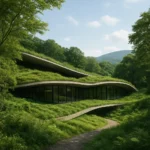
- Biophilia: Incorporating vegetation, natural light, and organic forms to promote psychological well-being.
- Energy Autonomy: Solar farms, nuclear microreactors, and regenerative fuel cells power habitats independently.
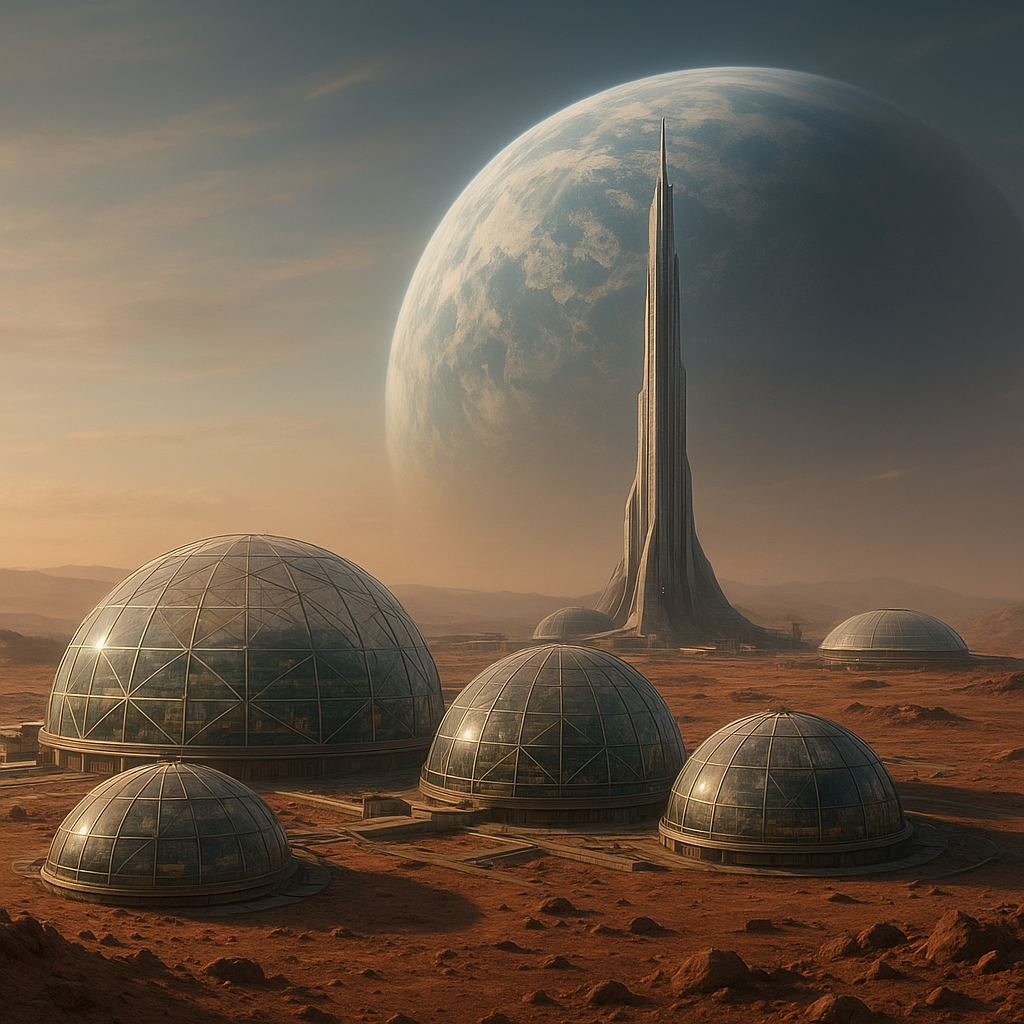
Master plans often invoke ring-shaped cityscapes that encircle central greenhouses, maximizing solar exposure and shielding living quarters with layers of regolith. Vertical gardens both filter air and nourish residents, weaving nature into the core of urban design. Streets become pressurized tubes linking domes, while subterranean tunnels provide additional protection.
Socio-Cultural Dimensions and Human Factors
No matter how advanced the technology, the success of extraterrestrial architecture ultimately hinges on social cohesion and cultural adaptability. Architects and social scientists collaborate to anticipate the needs of isolated crews and future settlers:
- Flexible communal spaces: multifunctional volumes that can host scientific experiments, recreation, and governance.
- Privacy strategies: modular partitions, sound-dampening surfaces, and personal alcoves to maintain mental health.
- Cultural adaptability: designs accommodating diverse rituals, traditions, and aesthetic preferences.
Art installations, virtual windows displaying Earth landscapes, and interactive walls foster a sense of connection with home. Rituals around meal preparation in communal kitchens serve not only practical needs but also establish cultural continuity. By embedding Wellbeing metrics into architectural briefs, designers ensure that human flourishing remains at the forefront of every habitat.
Emerging Case Studies and Experimental Prototypes
Several institutions and private ventures are already testing components of this vision:
- NASA’s Analog Missions: simulated Mars bases in desert terrains that refine life-support integration and crew behavior studies.
- MOON VILLAGE concept by ESA: modular lunar habitats arranged around a central plaza for research, industry, and leisure.
- SpaceX’s Starship settlements: envisaging tetrahedral landing pads and inflatable domes as first-generation habitats.
- AI-driven habitat management: startups developing neural networks that optimize resource distribution, environmental controls, and emergency response.
Each prototype contributes critical data on structural performance, human ergonomics, and system interoperability. Through iterative testing and cross-disciplinary exchange, the dream of a thriving off-world civilization inches closer to reality.
Charting the Path Forward
The journey toward planetary migration transcends mere engineering; it redefines our relationship with the cosmos. Architects must embrace Innovation, ethical stewardship, and global cooperation to ensure that these futuristic cities remain sustainable and inclusive. By weaving together cutting-edge materials, AI-driven design tools, and a profound respect for human needs, the next chapter of architecture will unfold among the stars, offering a new frontier for creativity and exploration.