

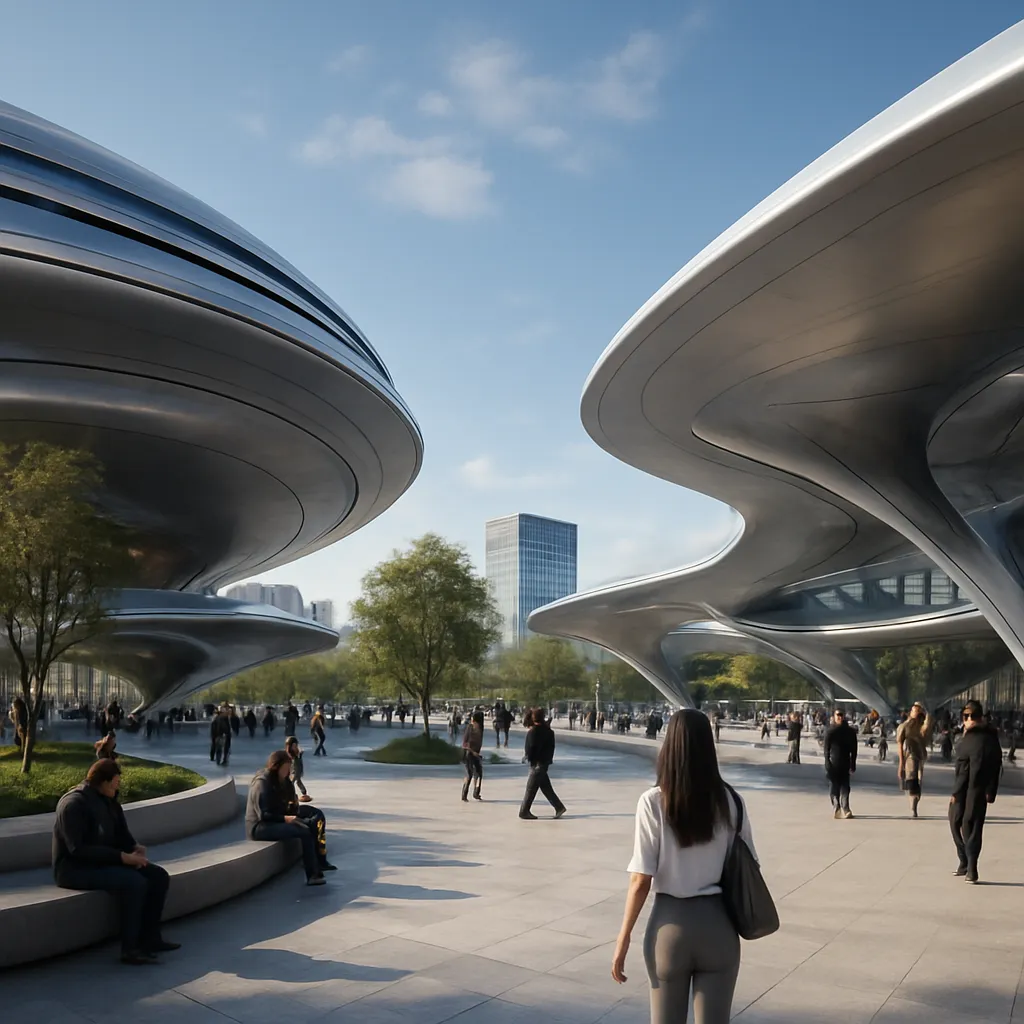
Futuristic architecture is reshaping the way societies engage with their built environment, transforming once static plazas, parks, and civic plazas into dynamic, responsive hubs. By embracing cutting-edge technology and pioneering design philosophies, architects and urban planners are crafting public spaces that not only captivate the senses but also foster deeper connections among individuals and communities. The following exploration delves into the key principles, materials, and real-world applications that are redefining public spaces for generations to come.
Visionary Concepts in Futuristic Public Architecture
The essence of innovation in public spaces lies in the willingness to break free from conventional forms and routines. Designers now envision environments that anticipate user needs, adapt to climatic fluctuations, and blur the boundaries between the digital and physical realms.
Adaptive Morphologies
One of the most radical approaches involves adaptive morphologies, where structural elements can change shape, orientation, or transparency in real time. Imagine a pavilion whose canopy unfurls to shield visitors from sudden rainfall, then retracts and reconfigures itself to capture additional sunlight for integrated solar panels. Such responsiveness hinges on:
- Smart sensors that monitor temperature, light, and movement;
- Lightweight actuators powered by renewable energy;
- Algorithmic control systems that learn from usage patterns.
Biomimicry and Organic Integration
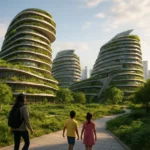
By emulating natural forms and processes, architects unlock a wealth of sustainability and efficiency. Structures inspired by honeycombs, lotus leaves, and termite mounds offer:
- Optimized airflow and passive cooling;
- Self-cleaning and water-harvesting surfaces;
- Structural strength from minimal material usage.
Such biomimetic strategies not only reduce resource consumption but also create visually arresting landmarks that celebrate the symbiosis of nature and architecture.
Sustainable Materials and Technological Integration
Modern public spaces demand materials and systems that minimize environmental impact while maximizing performance. Through clever combinations of resilience and eco-conscious selection, these projects achieve long-term value and low operational costs.
Innovations in Construction Materials
Emerging materials are revolutionizing how we think about façades, flooring, and structural elements:
- Photocatalytic concrete that breaks down pollutants;
- Reclaimed composites from industrial waste streams;
- Transparent photovoltaics embedded in glass panels;
- Carbon-sequestering timber engineered for high load-bearing capacity.
Digital Twins and IoT Ecosystems
Integrating digital replicas—known as technology-driven digital twins—with extensive IoT networks allows stakeholders to simulate and optimize environmental performance. Public space managers can monitor foot traffic, air quality, and structural health in real time, ensuring safety and comfort. The synthesis of physical and virtual layers enhances:
- Predictive maintenance to preempt wear-and-tear;
- Dynamic lighting systems that adjust to circadian rhythms;
- Augmented reality overlays for navigation and storytelling.
Interactive and Adaptive Urban Environments
Futuristic public spaces prioritize active interaction between people, places, and devices. By leveraging interactive installations and adaptive furniture, these spaces become living, breathing entities.
Responsive Furniture and Fixtures
Modular seating, charge-enabled benches, and kinetic play structures can reorganize themselves based on user presence and preference. Key characteristics include:
- Modularity for rapid reconfiguration;
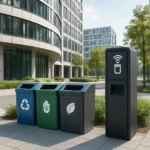
- Embedded wireless chargers and connectivity hubs;
- Motion-sensing actuators that facilitate spontaneous performances.
Immersive Media and Storytelling
Projection mapping, holographic displays, and soundscapes transform ordinary plazas into immersive narratives. Visitors may encounter:
- Historical re-enactments superimposed on cultural landmarks;
- Interactive art pieces responding to touch and gesture;
- Real-time data visualizations of environmental metrics.
These experiences foster a sense of community and shared ownership, encouraging repeated visits and social engagement.
Case Studies: From Concept to Reality
Several pioneering projects around the world exemplify how futuristic design principles translate into memorable public spaces.
The Nexus Pavilion, Berlin
Featuring a dynamic lattice shell that flexes with wind loads, the Nexus Pavilion integrates solar textiles and mist-generating nozzles to cool its interior. Sensors monitor crowd density and adjust ventilation rates accordingly, showcasing seamless connectivity between structural form and environmental control.
Seoul Vertical Park, South Korea
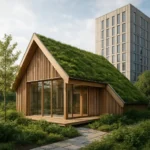
Elevated above the urban grid, this park uses bioengineered scaffolds covered in living vegetation. The green façade filters air pollutants and harvests rainwater for irrigation. Visitors traverse a network of transparent walkways, gaining new perspectives on the surrounding cityscape through modularity and layered pathways.
Shanghai Interactive Dock, China
Reinventing the waterfront promenade, this dock features motion-responsive LED tiles that ripple like water when stepped on. Integrated AR points guide users through maritime history, while kinetic seating pods adjust their shape to provide ergonomic support. This project highlights the potential of integration between form, function, and storytelling.
Challenges and Future Directions
Despite monumental strides, several hurdles remain in the widespread adoption of futuristic public space design:
- High upfront costs and complex regulatory approvals;
- Technical challenges in maintaining advanced systems over time;
- Ensuring inclusivity and accessibility across diverse user groups.
Looking ahead, collaboration among architects, engineers, policymakers, and local communities will be vital in addressing these obstacles. By championing adaptability and continuous iteration, the next generation of public spaces will embody resilience, foster deeper human connections, and stand as testaments to the boundless potential of biomimicry and digital innovation.