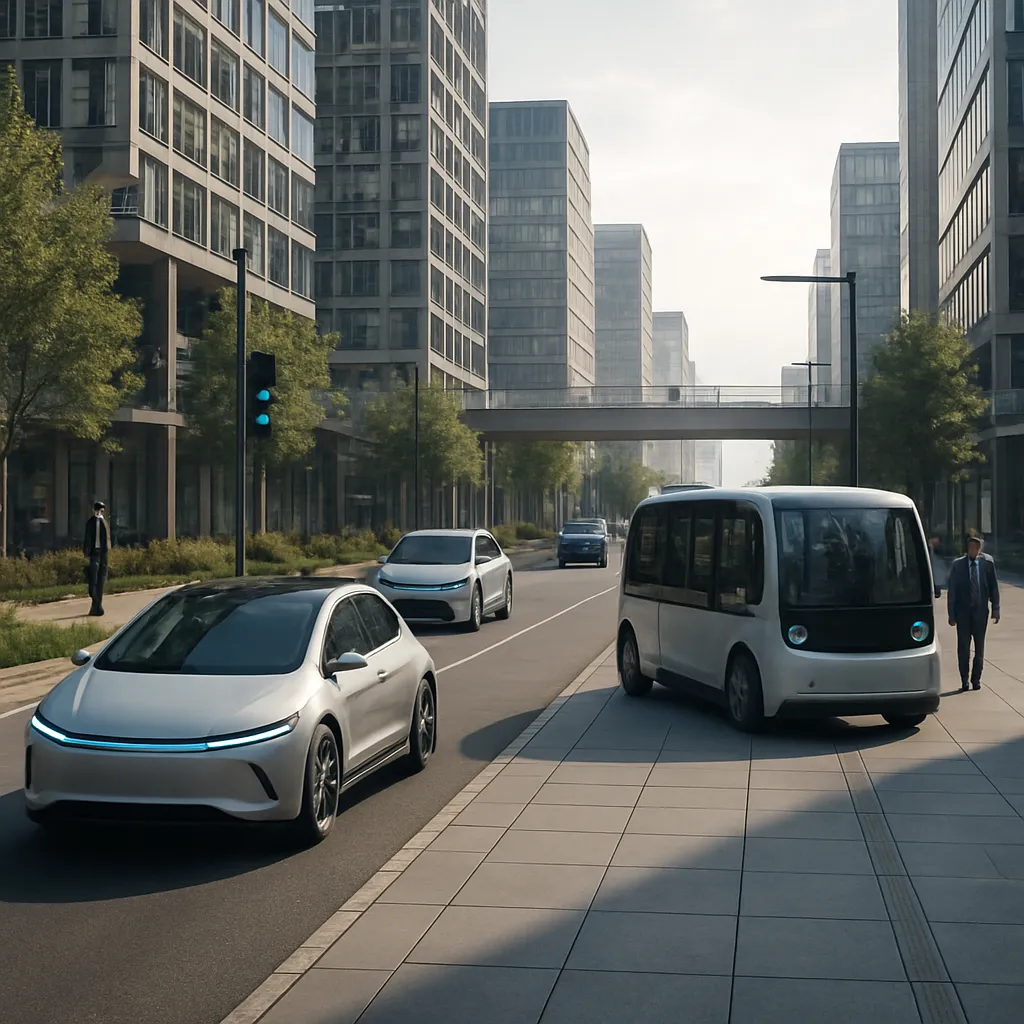






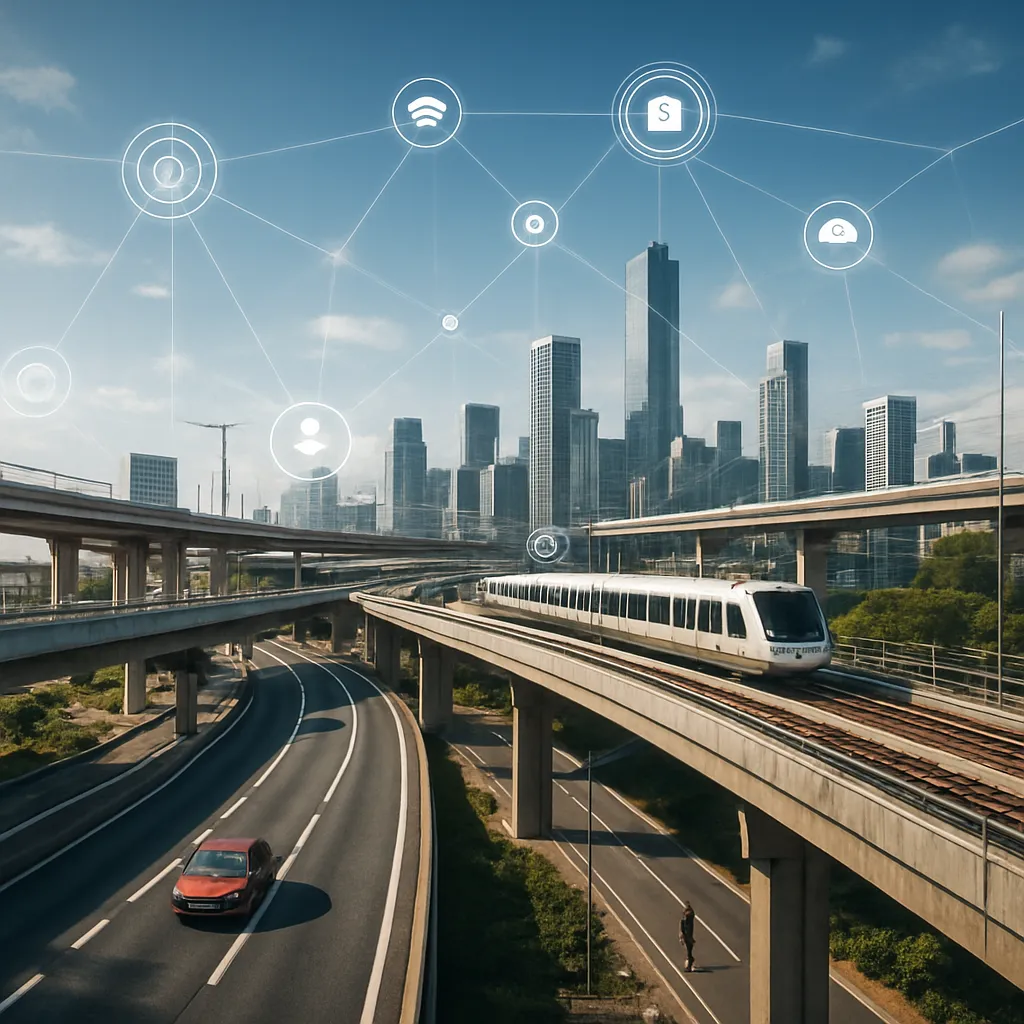
Modern urban centers are evolving into sprawling networks of interlinked nodes, where every structure, vehicle, and public space communicates seamlessly. The Future of Infrastructure: Hyperconnected Systems envisions a world where architecture itself becomes a dynamic participant in the city’s lifecycle, adapting in real time to human needs, environmental conditions, and emerging technologies. By blending cutting-edge materials, advanced sensing platforms, and decentralized intelligence, these hyperconnected systems promise to deliver unprecedented levels of efficiency, comfort, and resilience.
Emergence of Hyperconnected Urban Ecosystems
The concept of a hyperconnected ecosystem extends beyond mere internet access or smart devices. It envisions buildings, roads, energy grids, and transit networks as living entities that exchange data, optimize performance, and respond autonomously to changing conditions. This paradigm shift demands rethinking traditional planning methods and embracing a holistic approach that prioritizes interoperability, resilience, and circular resource flows.
Key Drivers of Transformation
- Connectivity: High-bandwidth networks like 5G and emerging 6G lay the groundwork for real-time communication among sensors, actuators, and decision engines.
- AI-driven Analytics: Machine learning models analyze vast datasets—from traffic patterns to energy consumption—enabling predictive maintenance and adaptive control.
- Decentralized Governance: Blockchain-based ledgers ensure transparent transactions for energy trading, shared mobility, and digital identities, eliminating single points of failure.
- Citizen Engagement Platforms: Interactive interfaces empower residents to co-create public spaces, participate in microgrids, and shape the built environment.
Technological Pillars of Futuristic Architecture
At the heart of hyperconnected infrastructure lies a synergy of emerging technologies. By integrating modular construction techniques with intelligent systems, architects and engineers can craft structures that evolve over time, minimize waste, and deliver superior performance.
Modular Nanocomposites
Advances in material science have introduced self-healing concrete and photoluminescent composites infused with nanocellulose fibers. These materials not only boast enhanced load-bearing capabilities but also embed micro-sensors to monitor strain, temperature, and chemical degradation.
Adaptive Facades
Transparent photovoltaics and electrochromic coatings transform building exteriors into energy-harvesting skins. Linked with an array of smart actuators, facades can adjust opacity, control solar gain, and channel excess power back into the grid—maximizing efficiency without sacrificing aesthetics.
- Automation: Robotic assembly lines accelerate on-site fabrication, enabling rapid deployment and real-time customization.
- Energy Harvesting: Piezoelectric tiles, wind-capturing microturbines, and thermal exchangers turn every surface into a potential power source.
- Materials Intelligence: Embedded IoT nodes continuously report on structural health, facilitating predictive maintenance and extending service life.
- Cybersecurity: End-to-end encryption and quantum-resistant protocols safeguard critical infrastructure from malicious intrusion.
Socioeconomic and Environmental Impacts
As cities embrace hyperconnectivity, the ripple effects span social equity, economic growth, and planetary stewardship. Smarter infrastructure unlocks new opportunities for sustainable living and fosters communities that are more inclusive and *responsive.*
Economic Revitalization
Dynamic zoning algorithms can allocate commercial space based on real-time demand, reducing vacancy rates and stimulating local enterprise. Microtransaction frameworks enable peer-to-peer energy sharing, turning households into prosumers and democratizing the utility market.
Climate Resilience
- Sustainability: Closed-loop water management systems harvest, purify, and recycle stormwater, easing the strain on municipal supplies during drought.
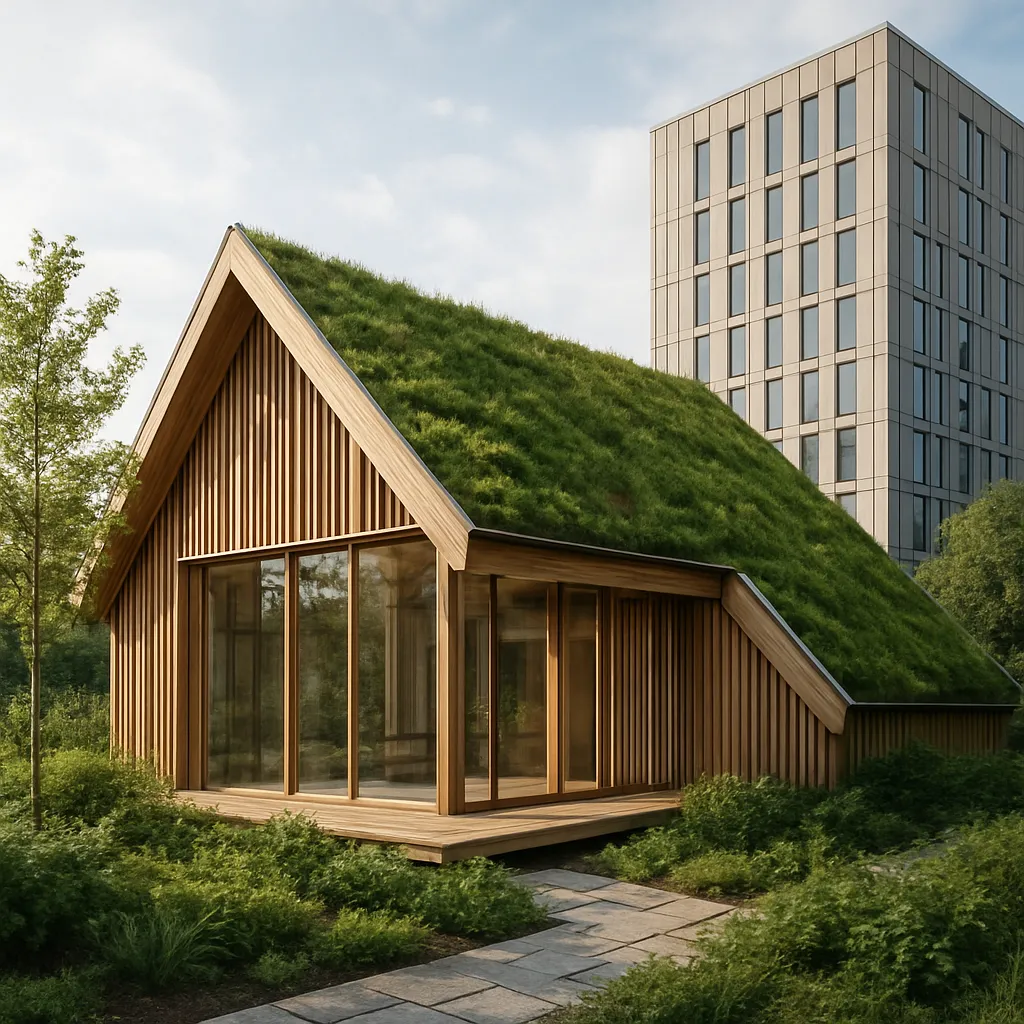
- Urban Metabolism: Integrated green corridors and biophilic design mitigate heat islands, enhance air quality, and support biodiversity within densely built environments.
- Resilience: Distributed sensor arrays provide early warning for flooding, seismic events, or infrastructure failures, enabling rapid emergency response.
Design Principles for Tomorrow’s Megastructures
Creating truly hyperconnected systems requires architects and planners to adopt a new set of guiding principles. These tenets prioritize adaptability, user-centricity, and ecological harmony.
Scalable Modularity
Buildings and infrastructure modules should be prefabricated with standardized interfaces, allowing easy stacking, reconfiguration, or replacement as community needs evolve. This approach reduces construction waste and fosters a circular economy.
Human-Centric Intelligence
Embedding occupant-centric sensors—tracking comfort, airflow, and light levels—enables dynamic space optimization. Environments can shift layouts or adjust climate controls automatically, improving well-being and productivity.
Open Data Frameworks
Transparent, node-based data ecosystems encourage collaboration between public agencies, private developers, and citizens. Open APIs accelerate innovation, while privacy-preserving data sharing ensures trust and compliance with regulations.
Integrated Lifecycle Thinking
From material sourcing to end-of-life disassembly, each project must consider its carbon footprint and resource circularity. Digital twins simulate energy flows and environmental impacts long before ground is broken.
Community-Driven Innovation
The success of hyperconnected infrastructure ultimately depends on active participation from residents, businesses, and civic organizations. By democratizing design processes and leveraging crowd-sourced data, cities become living laboratories—continually refining their systems for optimal performance.
Through the convergence of architecture, technology, and human imagination, hyperconnected systems promise to redefine the built environment. This new frontier demands interdisciplinary collaboration, bold experimentation, and a steadfast commitment to resilience. As we peer into the horizon, it becomes clear that the cities of tomorrow will be not merely places to live but dynamic, adaptive ecosystems—pulsing with data, energy, and life.