




The concept of homes that adapt and transform alongside their inhabitants is reshaping the horizons of futuristic architecture. By embracing groundbreaking innovations, designers are forging environments centered on human experience, weaving together cutting-edge technology and nature-inspired solutions. This exploration delves into the dynamic interplay between evolving human needs and the built environment, revealing how our living spaces can become truly adaptive, modular, and even alive.
Adaptive Living Environments
At the heart of next-generation residences lies the notion of fluid spatial organization. Rather than static walls and fixed floor plans, architects are experimenting with transformable partitions, sliding panels, and foldable structures that respond to daily routines. A single room can seamlessly shift from an open social hub during daytime gatherings to a quiet retreat for focused work or rest at night. This fluidity promotes connectivity among family members while preserving individual privacy when needed.
Deploying kinetic façades and walls equipped with embedded sensors empowers homes to react to environmental cues—temperature fluctuations, daylight intensity, or occupancy patterns. For example, geo-sensing modules can detect a homeowner’s approach, prompting customized lighting, audio, or spatial reconfiguration that anticipates personal preferences. Such systems not only heighten comfort but also reduce energy consumption by calibrating resources in real time.
One can envision bedrooms that expand their footprint when children arrive home from school, or living rooms that condense into compact alcoves once evening falls. The secret lies in smart actuators, pneumatic supports, and tensioned cables that allow for the smooth translation of surfaces. With this level of personalization, each inhabitant gains an environment that truly mirrors their lifestyle, work patterns, and leisure activities.
Smart Materials and Responsive Surfaces
Material science is undergoing a renaissance, introducing substances that change form, color, or thermal properties in response to external stimuli. These biomimetic innovations draw inspiration from living organisms—like chameleon skin or pine cones that open and close in reaction to moisture.
- Thermochromic coatings adjust façade pigmentation to reflect or absorb heat, optimizing internal temperatures and mitigating HVAC loads.
- Shape-memory alloys perform structural transformations when exposed to specific temperature thresholds, enabling self-healing cracks or dynamic shading devices.
- Electroactive polymers shift texture at the molecular level under electrical stimulation, granting surfaces the ability to self-clean or alter friction characteristics.
Integrating these materials within floors, walls, and roofs fosters a harmonious balance between occupants and their surroundings. In one prototype, a roof membrane lined with nano-lenses opens pores to shed excess heat on hot afternoons, then reseals to conserve warmth at night. Meanwhile, interior walls might subtly darken to improve projector contrast or soften when hosting acoustic performances. Such interactive surfaces blur the boundary between structure and service, allowing buildings to be not just containers but participants in daily life.
Integration of AI and Robotics
Intelligent Building Management
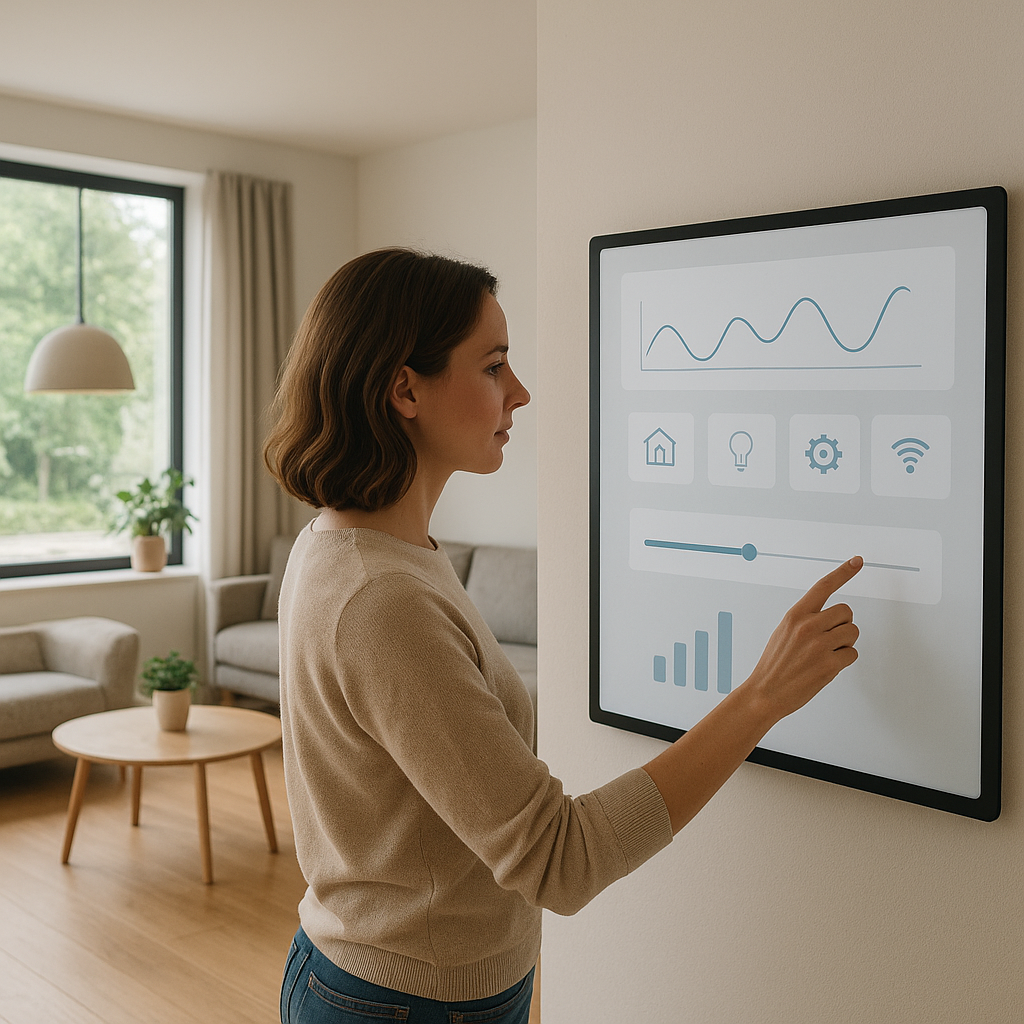
Artificial intelligence lies at the core of truly evolving homes. By processing data streams from wearables, smart appliances, and environmental sensors, AI-driven control systems learn routines, predict needs, and coordinate multiple subsystems. Heating, lighting, humidity, and air quality converge under unified algorithms that adjust parameters in anticipation of events—preheating the kitchen before breakfast or dimming lights as dusk approaches.
Domestic Robotics and Assistance
Robotic agents further enhance adaptability. Modular helper drones can reconfigure living spaces by relocating modular furniture, installing partitions, or delivering supplies across floors. Companion robots, equipped with social AI, provide emotional support and wellness monitoring for elderly or isolated inhabitants. They can detect mood changes via voice analysis, suggesting ambient music or guided meditation when stress is high.
Within this paradigm, robotics and AI are not siloed systems but seamlessly woven into the architectural fabric. Concealed tracks and docking stations allow autonomous units to emerge or retreat according to demand, ensuring unobtrusive operation. The synergy of digital intelligence and mechanical dexterity forms a backbone of homes that continuously refine themselves.
Sustainability and Human-Centric Design
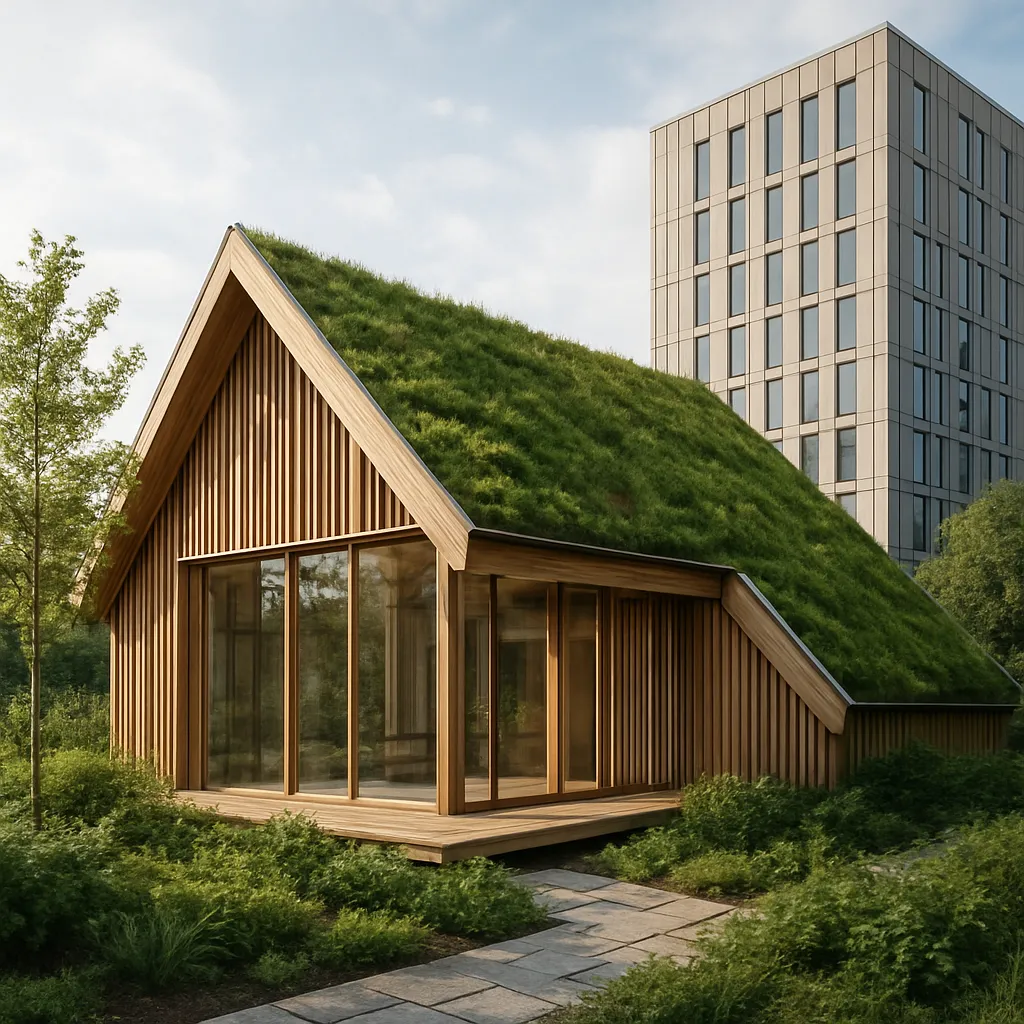
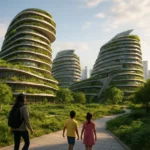
Futuristic architecture places equal emphasis on environmental stewardship and occupant well-being. Homes integrate rooftop gardens, vertical forests, and hydroponic modules to produce fresh food, enhance air quality, and foster a tangible connection with nature. Green roofs provide insulation while hosting pollinator habitats, whereas rainwater harvesting facades filter and channel water for reuse.
Energy systems harness solar, wind, and even kinetic sources, distributing power through decentralized microgrids within neighborhoods. Excess energy can be shared or stored in advanced battery arrays embedded in walls or foundation slabs. Such resilience ensures that homes remain functional during grid disruptions, hurricanes, or other emergencies.
Human-centric metrics guide every design decision. Natural daylight is maximized through dynamic glazing that adjusts tint levels, reducing glare while maintaining views. Acoustic privacy is achieved via layered composites that absorb and scatter unwanted noise. Spatial ergonomics are informed by biometric research, ensuring that furniture and circulation spaces align with diverse body types and abilities.
Ultimately, these sustainable strategies and user-focused approaches cultivate dwellings that evolve alongside our values—embracing longevity, fostering community, and adapting to future climates. Through the lens of resilience and social responsibility, tomorrow’s homes transcend mere shelters, becoming living ecosystems that nourish both people and planet.