
As coastal populations expand and sea levels continue to rise, architects and urban planners are reimagining the edges of our cities. Designing waterfronts that can dynamically respond to fluctuating tides, storms, and long-term water level changes demands a new breed of futuristic thinking. By integrating adaptive frameworks, engineers and designers cultivate a sense of resilience that safeguards cities while enhancing environmental health. This article explores multiple strategies for creating waterfront spaces that not only withstand the forces of nature but also embrace the water as a living, evolving partner.
Adaptive Design Strategies
Elevated Living Platforms
One of the most prominent approaches involves constructing modularity-based platforms that can rise and fall with the water level. Floating foundations anchored to bedrock with tension cables allow residential and commercial modules to maintain safe elevation above shifting tides. These platforms can be prefabricated off-site and installed rapidly in response to forecasted sea-level events. By combining lightweight materials with buoyant substructures, architects can craft buildings that float independently or connect seamlessly to nearby docks. Integrating mechanical winches and hydraulic pistons into support columns ensures that each module achieves precise adjustment, offering reliable protection against flooding without relying on bulk earthworks.
Dynamic Facades
Shifting from static walls to living facades unlocks new possibilities in waterfront architecture. Kinetic louvers and water-permeable meshes react in real time to humidity, wave impact, and solar intensity. For example, facade panels infused with hydrogel expand when wet, sealing interior spaces during storms, and retract under dry conditions to maximize natural ventilation. Digital control systems link sensor arrays to actuators, enabling each segment of a building’s exterior to autonomously adapt. This innovative technique not only regulates internal climate but also reduces energy consumption by maintaining optimal thermal balance along the edge of the water.
Technological Innovations
Smart Materials and Responsive Components
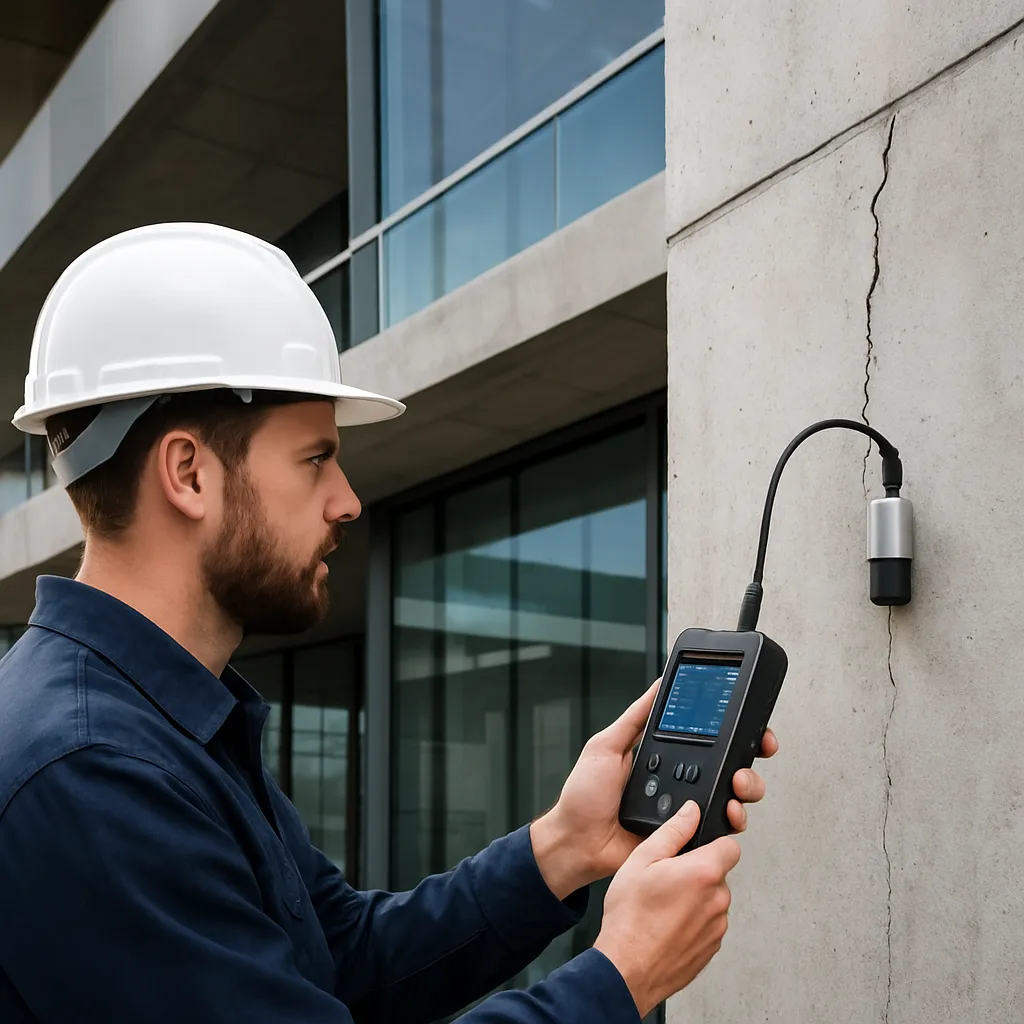
Advances in material science are key to developing waterfront infrastructure that endures constant exposure to saltwater, wind, and UV radiation. Researchers have introduced self-healing concrete blends embedded with microcapsules that release polymeric agents when cracks form. Similarly, phase-change materials incorporated into facade elements absorb excess heat and release it overnight, stabilizing interior temperatures. Nanocoatings provide anti-corrosive protection for metal supports, while bio-inspired composites mimic shellfish fortifications to resist impact from floating debris. By harnessing these breakthroughs, architects deliver integrated systems capable of surviving harsh maritime conditions over extended lifespans.
AI-Driven Monitoring and Forecasting
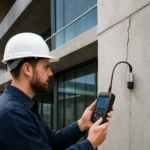
Implementing a network of AI-powered sensors along waterfronts yields real-time data on wave height, current velocity, and salinity gradients. Machine-learning algorithms analyze this information to anticipate potential breaches and structural fatigue before they occur. Predictive maintenance schedules trigger alerts when microfractures or corrosion hotspots emerge, allowing for preemptive repairs. In harbors and riverfront promenades, digital twins—exact virtual replicas of physical infrastructure—simulate myriad climate scenarios, guiding design teams toward the most robust configurations. Such smart ecosystems not only preserve urban assets but also minimize downtime and repair costs.
Community Integration and Sustainability
Green Infrastructure and Ecological Buffer Zones
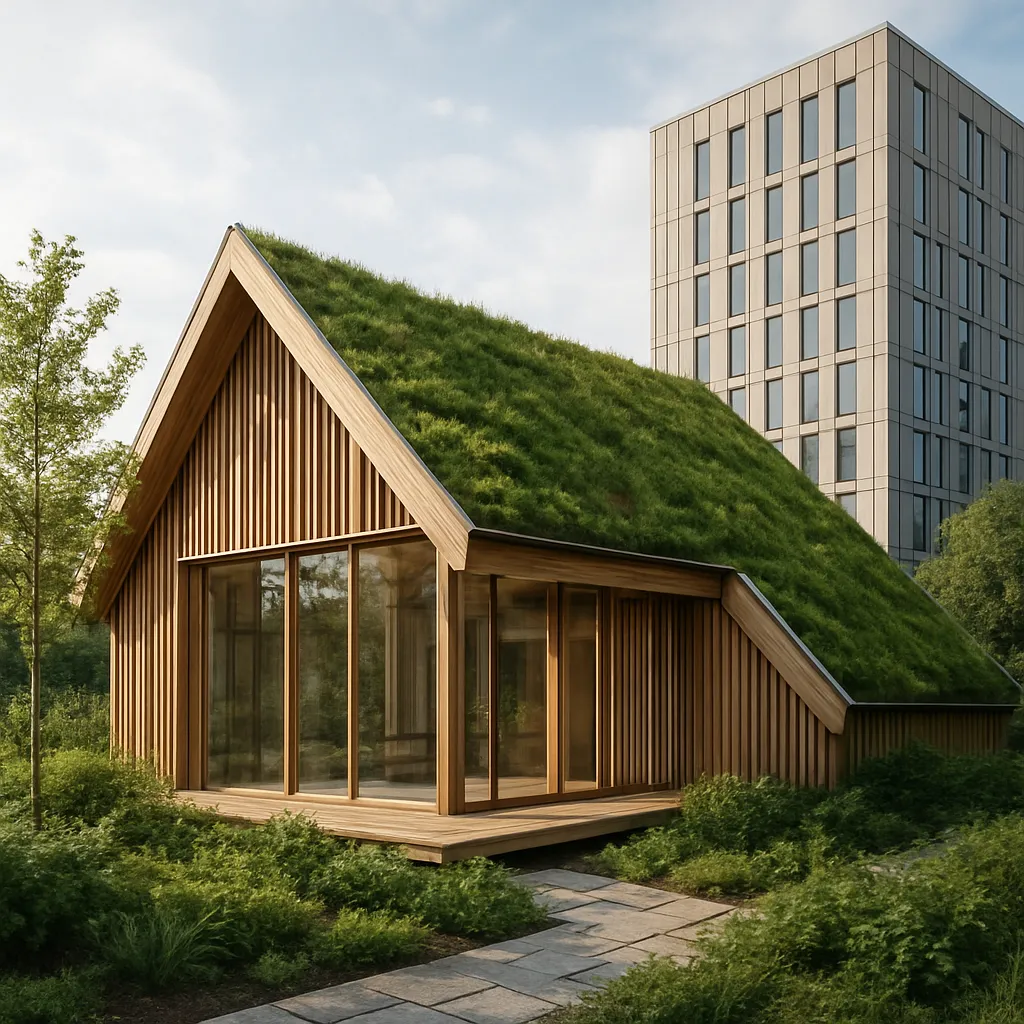
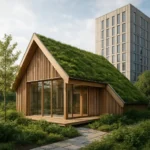
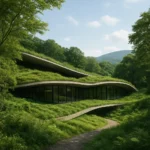
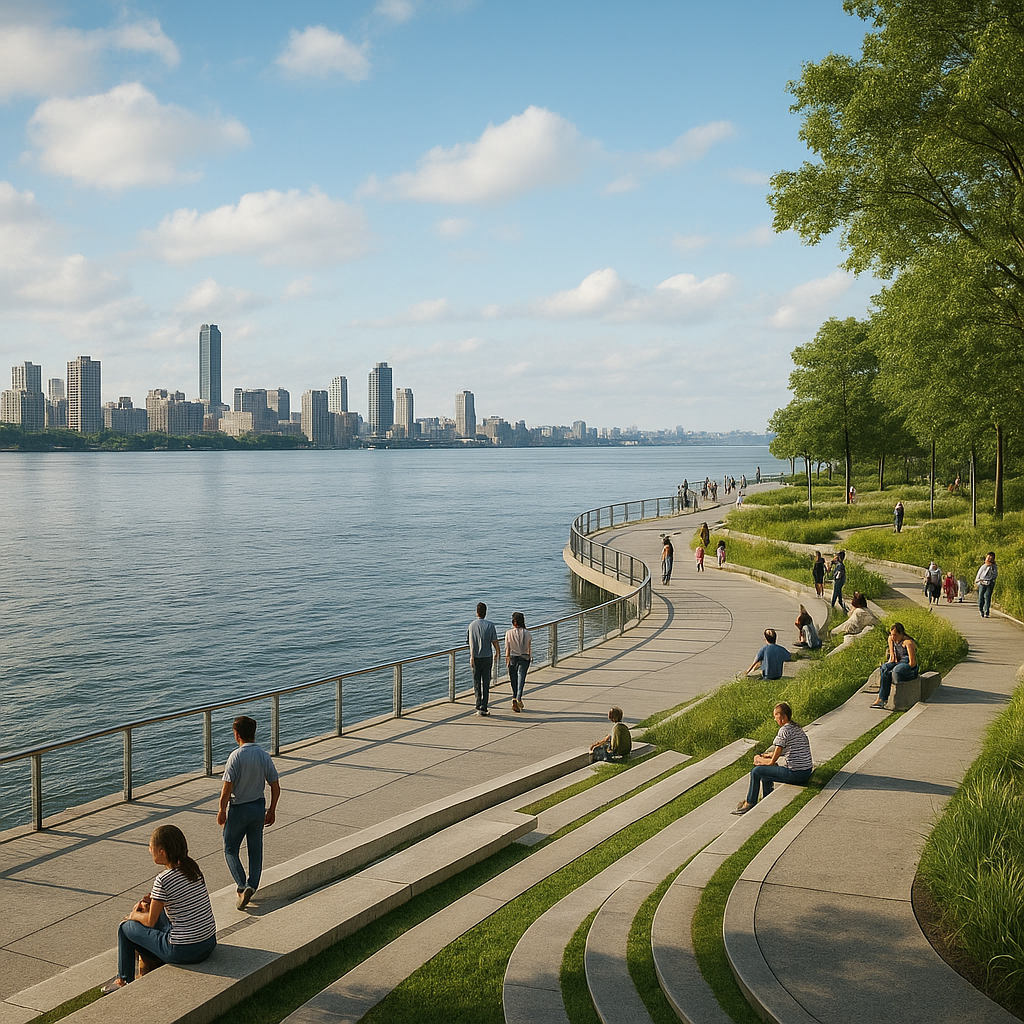
Resilient waterfront design extends beyond concrete and steel, embracing shoreline ecosystems as natural defense mechanisms. Constructed wetlands, oyster reef breakwaters, and mangrove plantations attenuate wave energy while fostering biodiversity. Living shorelines integrate native vegetation to stabilize sediments and create habitat corridors for fish and bird species. Rain gardens and permeable paving absorb stormwater runoff, reducing pressure on drainage systems during heavy rainfall. This sustainability-centric approach generates ecological co-benefits, such as carbon sequestration and water purification, transforming urban edges into thriving green belts.
Socioeconomic Resilience and Inclusive Planning
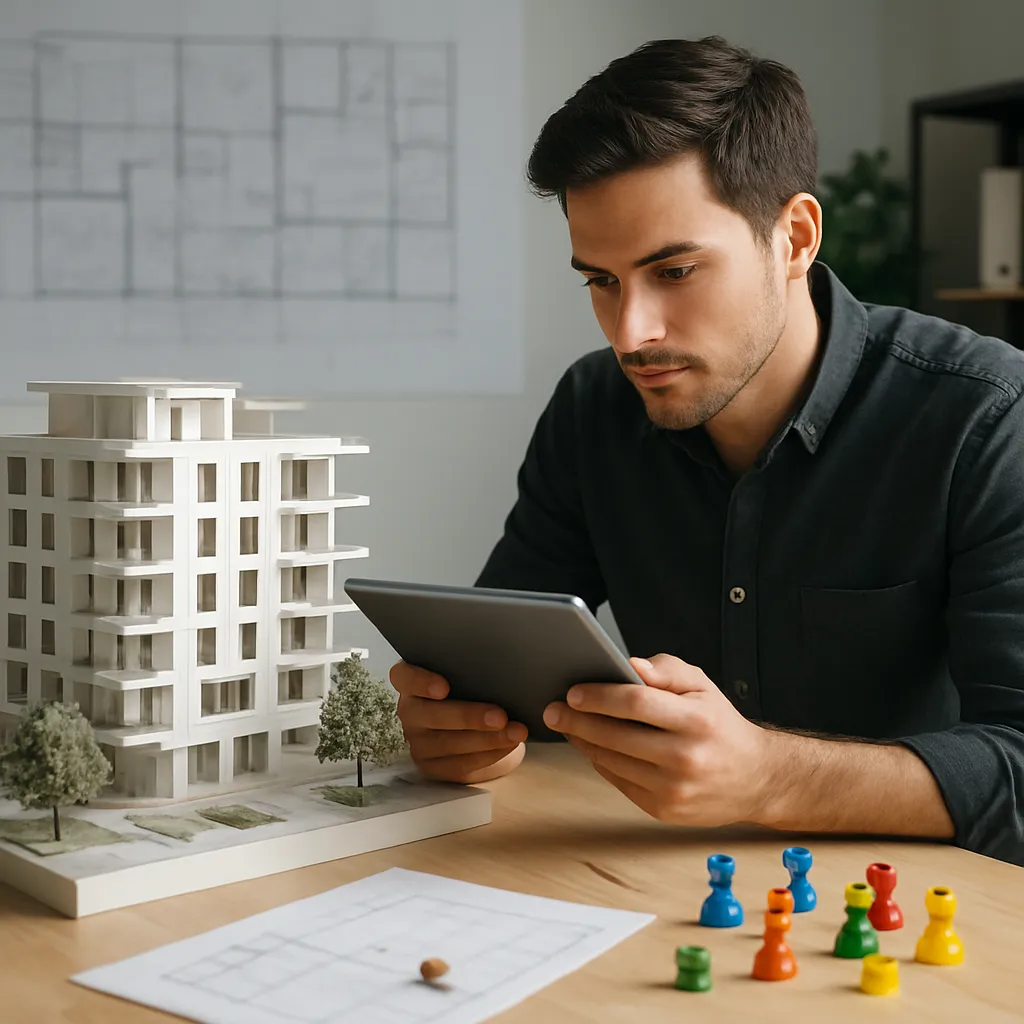
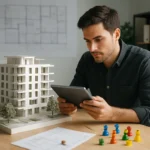
Engaging local communities throughout the design process ensures waterfront transformations address social equity and economic vitality. Participatory workshops allow stakeholders to voice concerns, propose amenities, and shape public spaces that reflect cultural identity. Multiuse zones accommodate floating markets, performance platforms, and modular housing units adaptable to diverse needs. By establishing affordable leasing models for small businesses and artisans, waterfront districts become engines of local entrepreneurship. This holistic methodology fortifies the social fabric while aligning architectural innovation with community well-being.
Case Studies and Future Prospects
Floating City Prototypes
Several pioneering projects demonstrate the viability of biomimicry-inspired designs on a large scale. In Southeast Asia, floating pavilions employ lotus-leaf geometry to shed water efficiently, while hexagonal modules interlock to form expandable platforms. Northern European experiments showcase autonomous living units powered by tidal turbines and solar skins. As these prototypes undergo rigorous trials, they will refine cost models, regulatory frameworks, and construction methodologies essential for mainstream adoption.
Visionary Blueprints
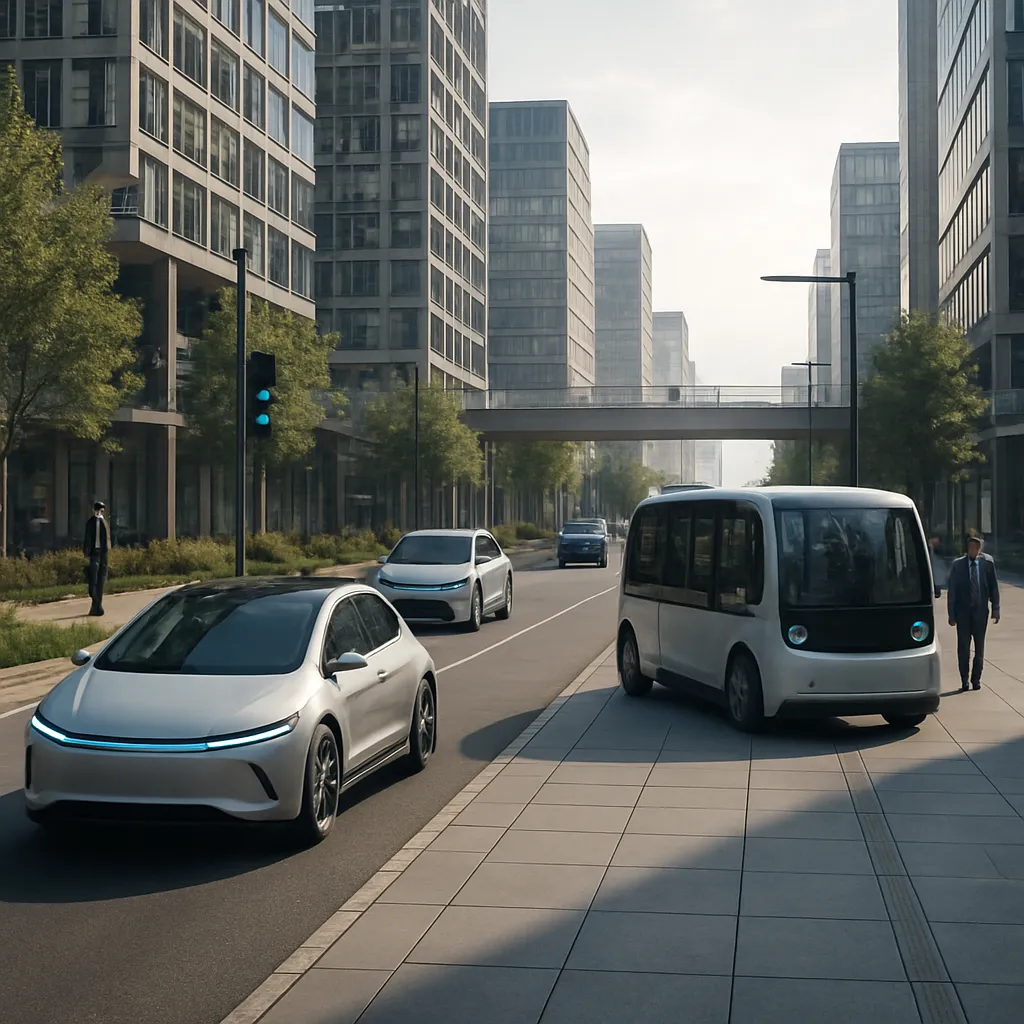
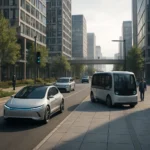
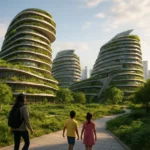
Looking toward the mid-21st century, master plans envisage interlinked waterfront districts capable of migrating inland along elevated causeways. Vertical farms suspended above tidal canals provide local produce, reducing supply chain vulnerabilities. Undersea habitats and research enclaves tap into deepwater currents for renewable energy generation. By embedding integrated transportation networks—comprising amphibious vehicles, autonomous ferries, and submerged tunnels—these future waterfronts redefine human interaction with the marine environment. Embracing such bold concepts will shape resilient, vibrant coastal communities capable of thriving amid rising seas.