







A new paradigm in educational environments is reshaping how students interact with space, technology, and each other. Designing smart schools means moving beyond static classrooms towards dynamic ecosystems where architecture, artificial intelligence, and sustainable systems intertwine. This vision emphasizes innovation and adaptability, ensuring every learner benefits from tailored experiences. Through cutting-edge materials and digital infrastructures, these institutions aim to become living organisms—responsive, connected, and resilient.
The Evolution of Educational Spaces
The concept of a school has transformed dramatically over the past century. Traditional rows of desks facing a central teacher have given way to fluid arrangements that foster collaboration and creativity. Architects now envision campuses as flexible matrices, capable of shifting functions based on daily schedules or individual needs. Rather than fixed walls, movable partitions and modulated furniture create zones for quiet study, hands-on experimentation, and social interaction.
One hallmark of the next-generation school is its integration of digital interfaces directly into the built environment. Interactive walls double as whiteboards and projection surfaces, while floors embedded with sensors track foot traffic to optimize circulation and safety. Holographic displays may replace traditional screens, immersing students in virtual field trips to distant ecosystems or historical events. These advancements depend on robust connectivity—fiber networks, 5G nodes, and edge computing resources that ensure data flows seamlessly between devices and cloud services.
As pedagogy embraces self-directed and project-based learning, spaces must be versatile. Makerspaces, robotics labs, and biotech corners coexist alongside open lounges and outdoor classrooms. Each area is designed with ergonomic furniture and acoustic treatments, promoting comfort and concentration. Lighting systems adjust color temperature according to the time of day and activity, enhancing alertness or encouraging calm during reflection.
Integrating Advanced Technologies
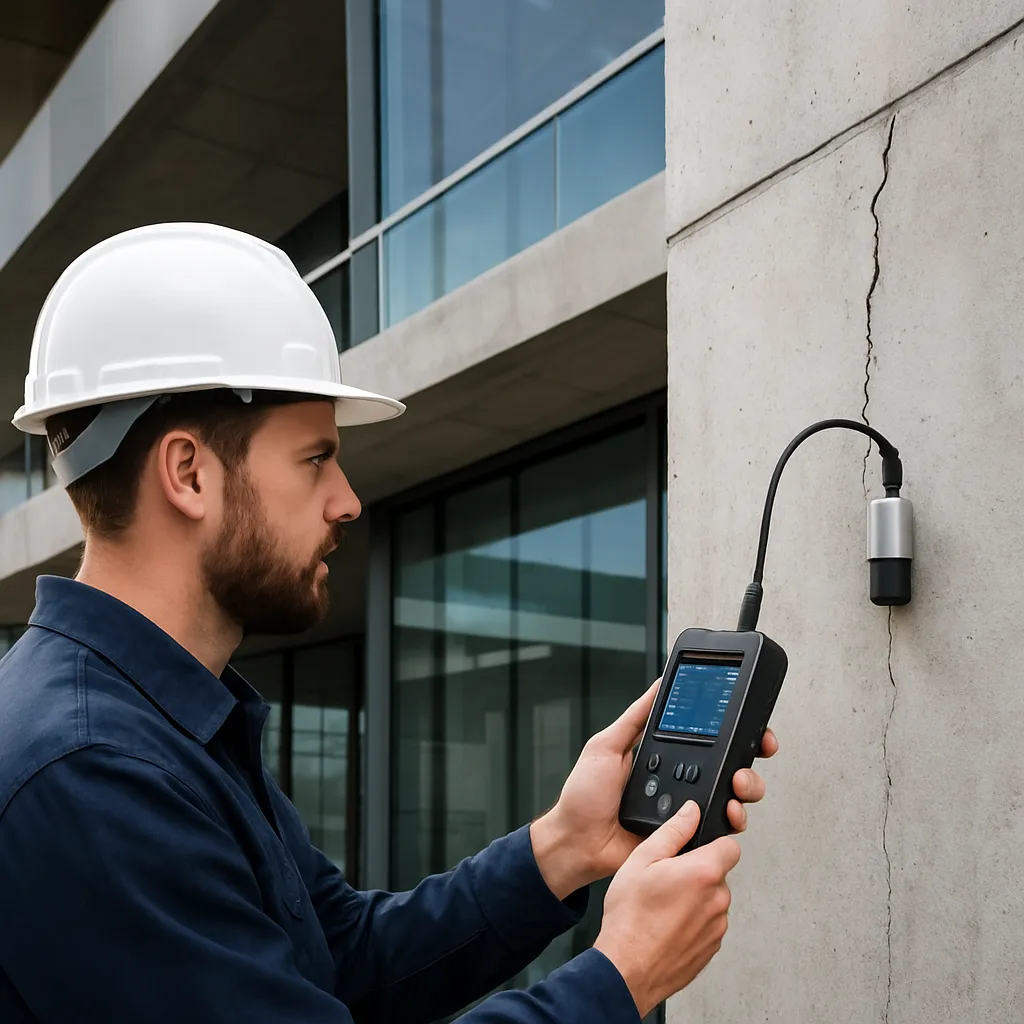
Smart schools leverage an array of technologies that extend far beyond basic computing. Internet of Things (IoT) sensors constantly monitor environmental conditions—air quality, temperature, and noise levels—to maintain a healthy indoor climate. When carbon dioxide rises above optimal thresholds, automated ventilation responds, ensuring occupants breathe fresh air. Predictive maintenance algorithms analyze equipment performance, alerting facilities teams before machines fail and reducing downtime.
- Automation in lighting and shading adjusts natural light intake, saving energy while preventing glare on screens.
- AI-driven analytics personalize learning paths by tracking engagement metrics and predicting when students may need additional support.
- Augmented reality (AR) overlays real-time data onto physical objects, turning a chemistry lab into an interactive molecular workshop.
Security also benefits from technological integration. Facial recognition and biometric scanners control access, safeguarding sensitive equipment and student records. Yet privacy remains a concern; design teams implement strict encryption protocols and anonymization measures to protect personal information. Digital twin models mirror the entire campus in virtual space, enabling managers to simulate emergency scenarios—from fire drills to earthquake evacuations—and optimize response strategies.
Beyond hardware and software, connectivity is fortified by mesh networks that guarantee redundancy. Even in the event of power outages or external disruptions, essential systems—lighting, communication channels, and life safety—continue to function via backup power and localized data processing.
Sustainable and Resilient Design
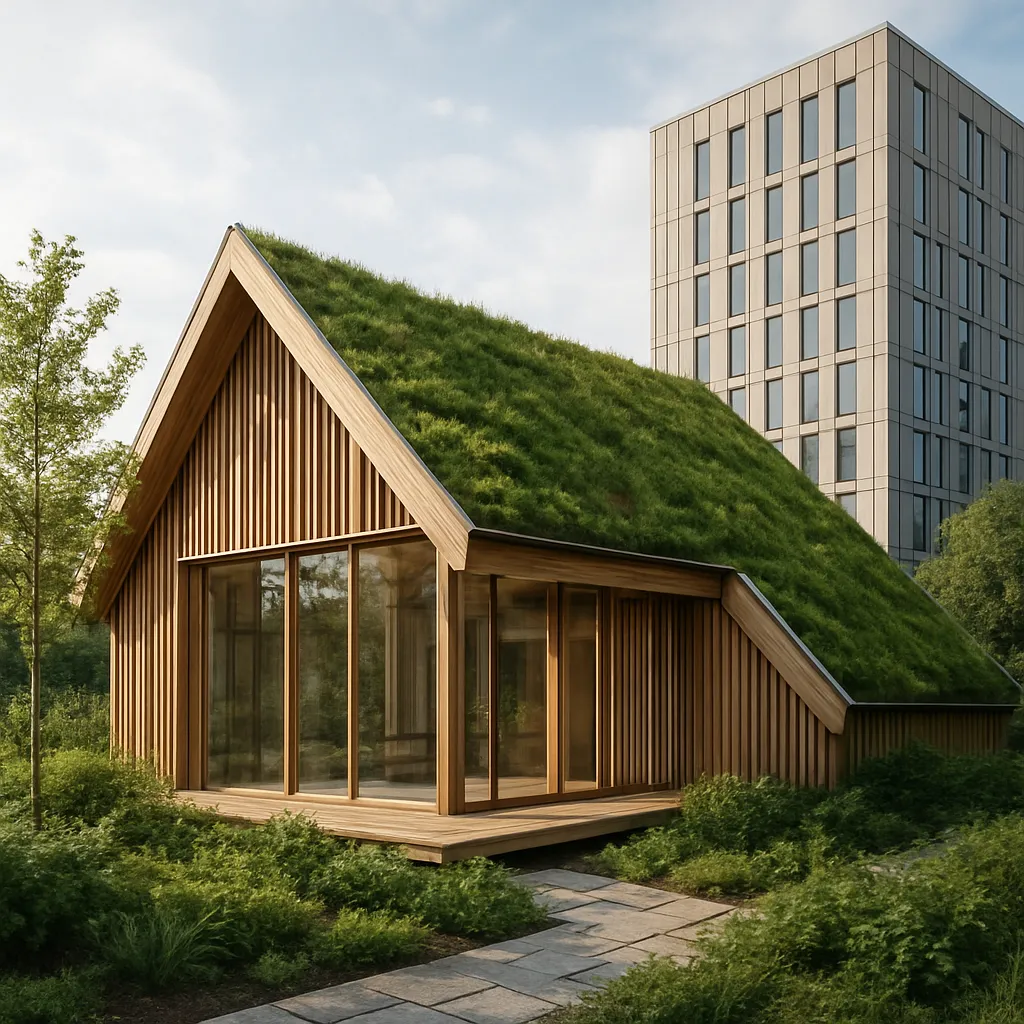
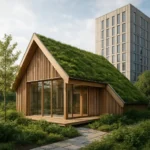
Responding to the global climate crisis, smart schools embrace sustainability as a foundational principle. Instead of consuming vast energy reserves, they generate power on-site through solar panels, geothermal wells, and wind turbines. Green roofs collect rainwater for irrigation, while permeable pavements filter runoff and reduce flooding. Materials are selected for low embodied carbon, durability, and recyclability, such as cross-laminated timber and recycled composites.
Resilience extends to structural strategies. Modular construction allows rapid expansion or adaptive reuse: wings can be added or removed without interrupting daily operations. Seismic damping systems, hurricane-resistant glazing, and flood-proof foundations protect occupants in regions prone to natural disasters. This focus on durability means schools remain operational when communities depend on them as emergency shelters.
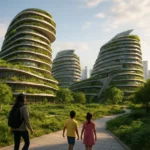
Biophilic principles infuse the architecture with natural elements: living walls improve air quality and psychological well-being, while interior courtyards bring daylight deep into the building’s core. Research shows that exposure to greenery boosts concentration and reduces stress—a critical benefit in high-pressure academic settings. Outdoor classrooms, equipped with weatherproof furniture and wireless charging, encourage learning in fresh air, combating sedentary lifestyles.
Cultivating Collaborative Environments
Future-ready schools prioritize human-centered design to foster social interaction and personal growth. Open-plan libraries evolve into knowledge hubs where students brainstorm around digital touch tables or record podcasts in soundproof studios. Shared kitchens encourage culinary arts programs and intergenerational activities with community members. Cafeterias double as event venues, with retractable walls and overhead speakers for presentations.
Connectivity extends beyond physical infrastructure: virtual exchange programs link learners across continents, promoting cross-cultural understanding. Dedicated telepresence rooms equipped with panoramic screens and 3D audio simulate in-person meetings, allowing remote experts to mentor students without leaving their own labs. This global network supports collaborative research projects on climate modeling, robotics, and public health.
Well-being is at the heart of these spaces. Mindfulness pods offer guided meditation sessions, and biometric sofas adjust posture to alleviate strain during extended focus sessions. Fitness zones incorporate gamified sports equipment that tracks performance, encouraging healthy competition. Social support corners, staffed by counselors and coaches, provide quiet refuge for students needing emotional guidance.
By weaving together technology, sustainability, and flexible design, architects and educators are crafting institutions that prepare learners for an uncertain future. Through resilience, modularity, and an unwavering commitment to human flourishing, these smart schools redefine what education can—and must—become.