



The transformation of urban landscapes through the integration of aerial logistics demands forward-thinking architectural strategies. Designing dedicated spaces for drone delivery builds a new layer atop existing cityscapes, requiring a holistic approach that balances form, function, and future expansion. As fleet sizes rise and operations become continuous, specialized hubs, landing pads, and support structures emerge as vital elements within next-generation infrastructure.
The Evolution of Aerial Logistics and Architecture
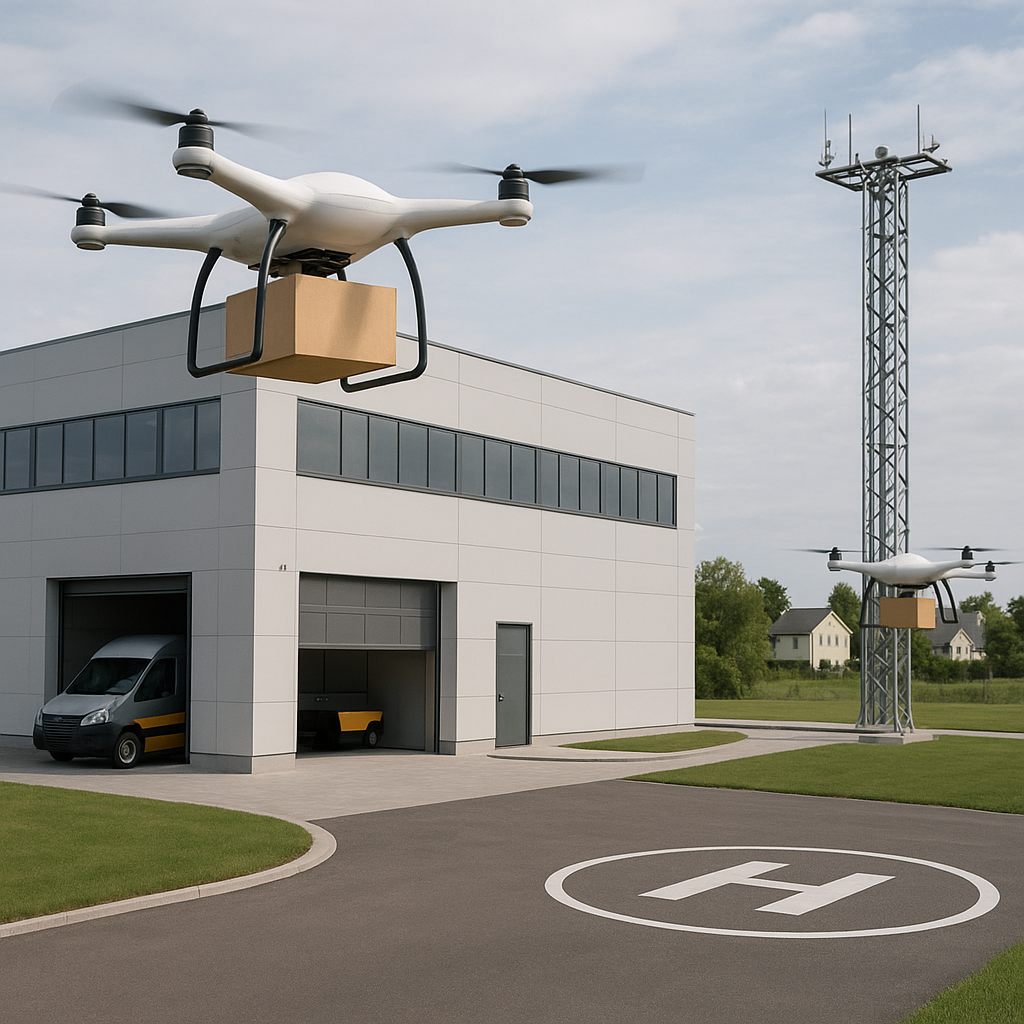
From early experiments in autonomous flight to contemporary commercial trials, drone-based delivery systems have dramatically reshaped perceptions of last-mile transport. Architects and planners now face the challenge of reimagining warehouses and distribution centers to incorporate vertical takeoff and landing zones, maintenance bays, and control rooms. These facilities must support high-throughput operations, enabling seamless transitions between storage, charging, and dispatch.
Historically, logistics buildings prioritized vehicular access and ground-level loading docks. In contrast, tomorrow’s hubs will feature multi-tiered platforms, sky bridges, and dedicated air corridors. Such designs integrate:
- Airspace connectivity – clear aerial pathways linking rooftops and green corridors
- Automation modules – robotic arms for payload handling and rapid turnaround
- Multifunctional hubs – combined drone, ground, and pedestrian zones for flexible usage
By layering activities vertically, architects can maximize urban density while minimizing the footprint of sprawling drone centers. Key innovations include collapsible landing pads, retractable canopies, and modular stacking units that adapt to dynamic demand patterns.
Key Design Principles for Drone Infrastructure
Implementing efficient drone hubs demands an emphasis on aerodynamics, structural resilience, and intuitive workflow. The following principles guide the creation of robust facilities:
1. Safety and Redundancy
- Redundant landing pads distributed across rooftops to mitigate single-point failures.
- Buffer zones with shock-absorbing surfaces and energy-dissipating barriers.
- Automated emergency landing protocols with dedicated fallback platforms.
2. Scalability and Modularity
- Prefabricated modules enabling rapid expansion of storage and service bays.
- Plug-and-play docking stations for evolving drone models and payload sizes.
- Flexible grid systems allowing vertical and horizontal growth without major reconstruction.
3. Integrated Power Networks
- On-site renewable energy sources—solar canopies, micro wind turbines, and kinetic flooring.
- High-capacity charging arrays with smart scheduling to minimize peak loads.
- Energy recovery systems harnessing rotor downwash or braking energy during descent.
By aligning structural frameworks with technology, designers can ensure smooth logistics cycles from package arrival to departure.
Material Innovations and Sustainability
Advanced materials play a crucial role in building durable yet lightweight drone facilities. Pioneering research in composites and biomimetics unlocks new possibilities for façades, roofs, and structural supports:
- Carbon-fiber lattices offering high strength-to-weight ratios for aerial platforms.
- Self-healing polymers that close micro-cracks, extending service life under repeated rotor vibrations.
- Bio-inspired membranes that adapt porosity and curvature to wind conditions, stabilizing takeoff sequences.
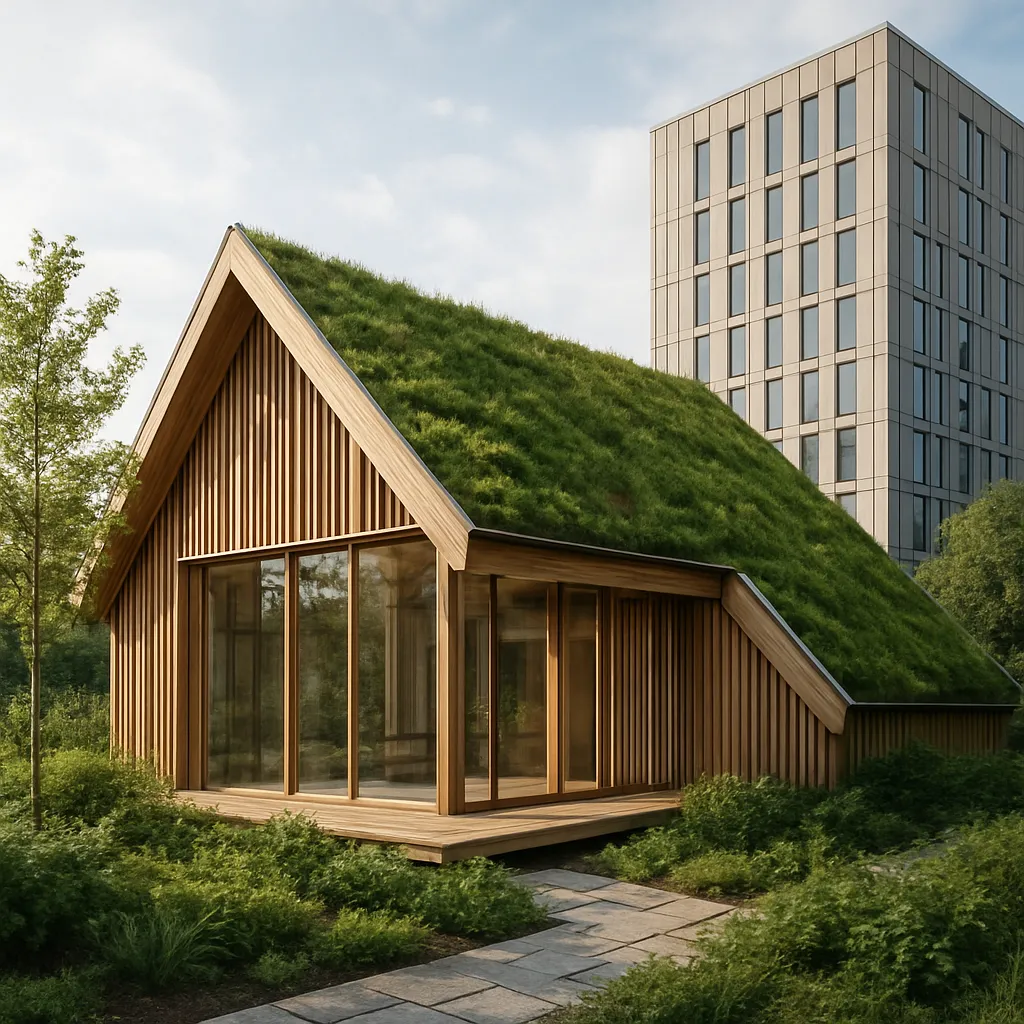
Eco-conscious design strategies emphasize closed-loop materials, minimizing waste and enabling components to be recycled into new modules. Green roofs with algae panels can sequester carbon while producing oxygen, enhancing urban air quality around busy drone zones.
Urban Integration and Regulatory Considerations
Seamless incorporation of drone infrastructure into cities demands proactive collaboration between architects, city planners, and aviation authorities. Regulations evolve alongside technology, influencing how and where hubs can be sited:
- Flight corridors must respect privacy buffers and noise abatement zones.
- Data connectivity ensures real-time tracking, collision avoidance, and air traffic coordination.
- Resilience to extreme weather events and cybersecurity threats safeguards continuous operation.
Urban pilots may designate rooftop “vertiports” on district-scale developments, linking residential, commercial, and logistics functions. Public acceptance hinges on transparent negotiations over safety protocols, noise levels, and environmental impact assessments.
Moreover, adaptive zoning codes can reward developers who integrate drone-ready features, fostering a competitive edge in real estate markets. The interplay between policy and design drives innovation, pushing architecture toward more fluid, responsive forms.
The Future Landscape of Drone-Enabled Cities
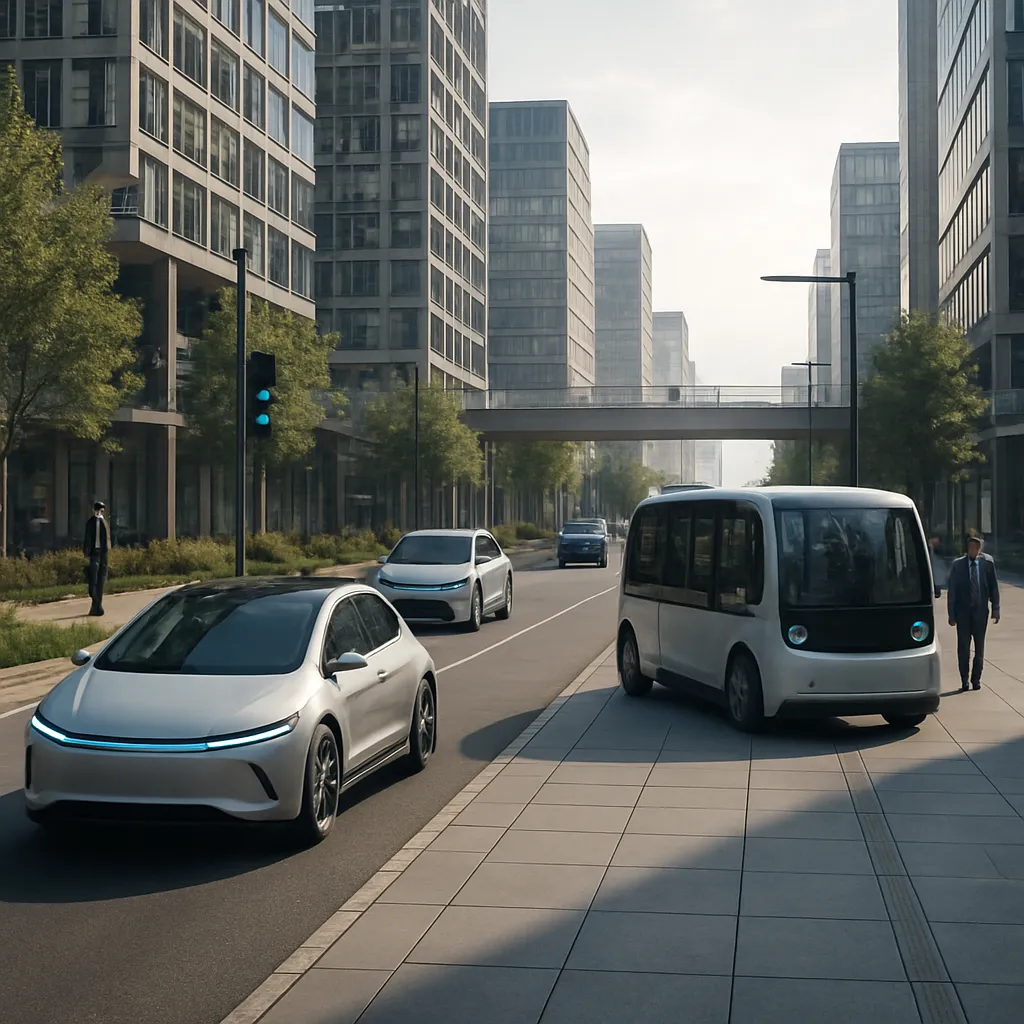
As drone delivery becomes ubiquitous, cities will transform into multi-layered ecosystems of ground vehicles, pedestrians, and aerial fleets. High-density districts may feature skyways and elevated platforms where drones dock, recharge, and transfer cargo autonomously. Key trends include:
- Distributed micro-hubs embedded within commercial complexes and residential towers.
- Smart façades with embedded sensors to guide drones to precise window-level drop-off ports.
- Interactive digital signage and lighting cues to direct pilots and ground technicians.
Future architecture will weave infrastructure so seamlessly into built environments that drone operations feel as natural as elevators and escalators. By leveraging predictive analytics, machine learning dispatch algorithms, and real-time environmental data, the next generation of facilities will achieve unparalleled efficiency and responsiveness.
Designing for tomorrow’s drone networks compels us to rethink spatial hierarchies, balance technological complexity with human-centric concerns, and champion sustainable solutions at every scale. This challenge sits at the intersection of innovation and imagination, driving architects to create resilient, adaptable spaces that elevate urban living into new dimensions.