





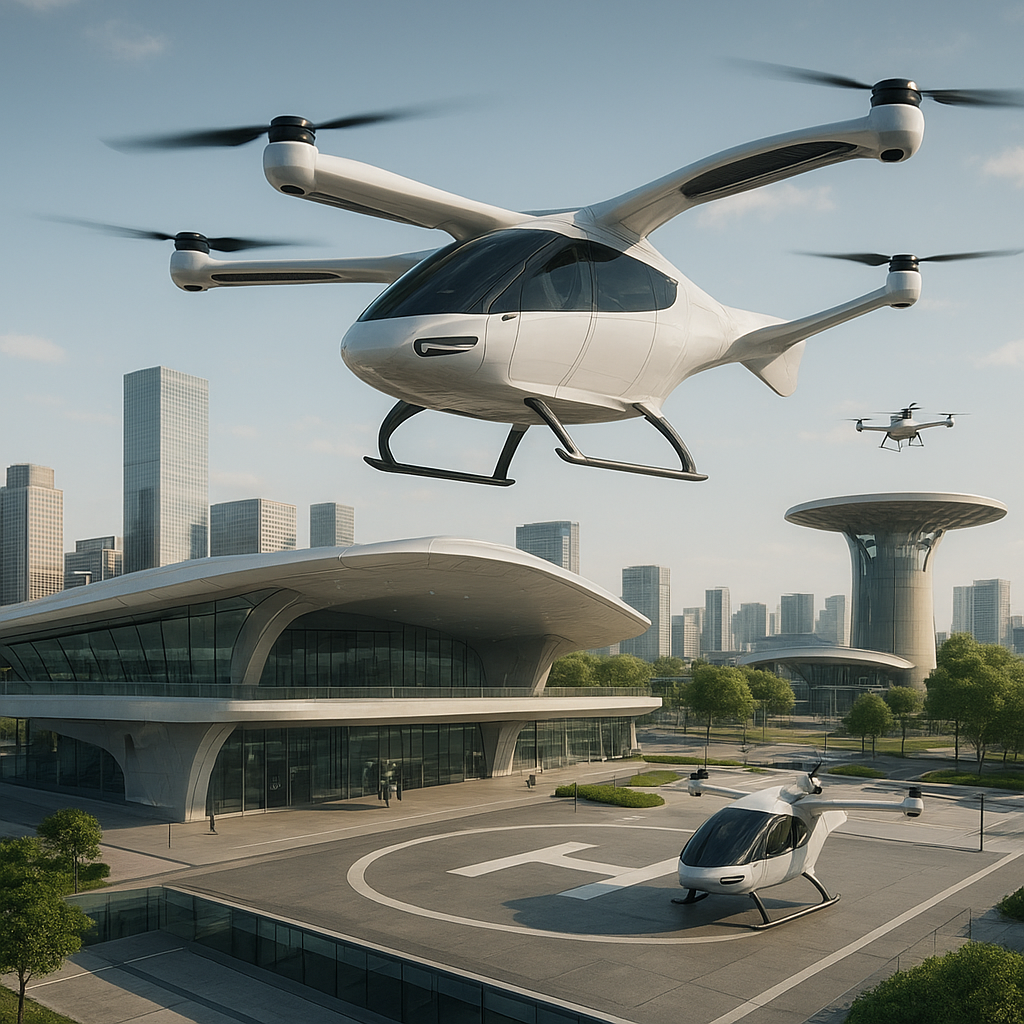
Urban landscapes are on the brink of transformation as architects and engineers collaborate to shape the next generation of aerial transit facilities. This exploration delves into the realm of skyports and drone hubs, uncovering how these facilities will redefine urban cores, stimulate economic growth, and elevate the passenger experience. By weaving together forms, functions, and cutting-edge systems, designers are crafting hubs that not only serve as launchpads for electric vertical takeoff and landing (eVTOL) craft but also embody a vision of sustainable and innovative urban design.
Vision and Conceptual Evolution
The concept of a skyport extends beyond a mere landing pad; it represents a nexus where architecture meets aviation, technology, and urban planning. Early prototypes envisioned minimalist platforms perched on rooftops, but contemporary designs embrace a holistic approach, integrating passenger lounges, maintenance bays, energy storage, and air traffic control within a single, cohesive structure. This shift reflects the understanding that future aerial transit demands an architecture that supports rapid turnarounds, safety redundancies, and seamless connectivity with ground transportation.
A core driver in this evolution is the pursuit of modular construction, enabling rapid deployment across diverse cityscapes. Modular skyport units can be prefabricated off-site, then assembled in record time atop skyscrapers, parking garages, or reclaimed brownfield plots. This approach not only reduces construction waste but also allows urban planners to respond swiftly to changing demand patterns. The result is a network of adaptable, scalable nodes—each calibrated to local passenger volumes and payload requirements.
Moreover, the aesthetic language of skyports embraces fluid geometries and biomimetic principles. Curved forms, inspired by bird wings and fish fins, optimize airflow and reduce structural stress. These biomorphic silhouettes are not merely ornamental; they underscore an emerging synergy between form and function, marrying structural integrity with an emphasis on passenger comfort and visual fluidity.
Architectural Design Principles
Aerodynamics and Structural Integration
Every skyport must reconcile the demands of architecture with the principles of aerodynamics. Rooftop installations, for instance, require precise calculations to mitigate turbulence generated by high-rise winds and turbulent vortices around adjacent buildings. Architects collaborate with fluid dynamicists to sculpt canopies and wind deflectors that channel airflow smoothly, minimizing lift disruption for descending craft and ensuring passenger safety upon disembarkation.
Material Innovation and Sustainability
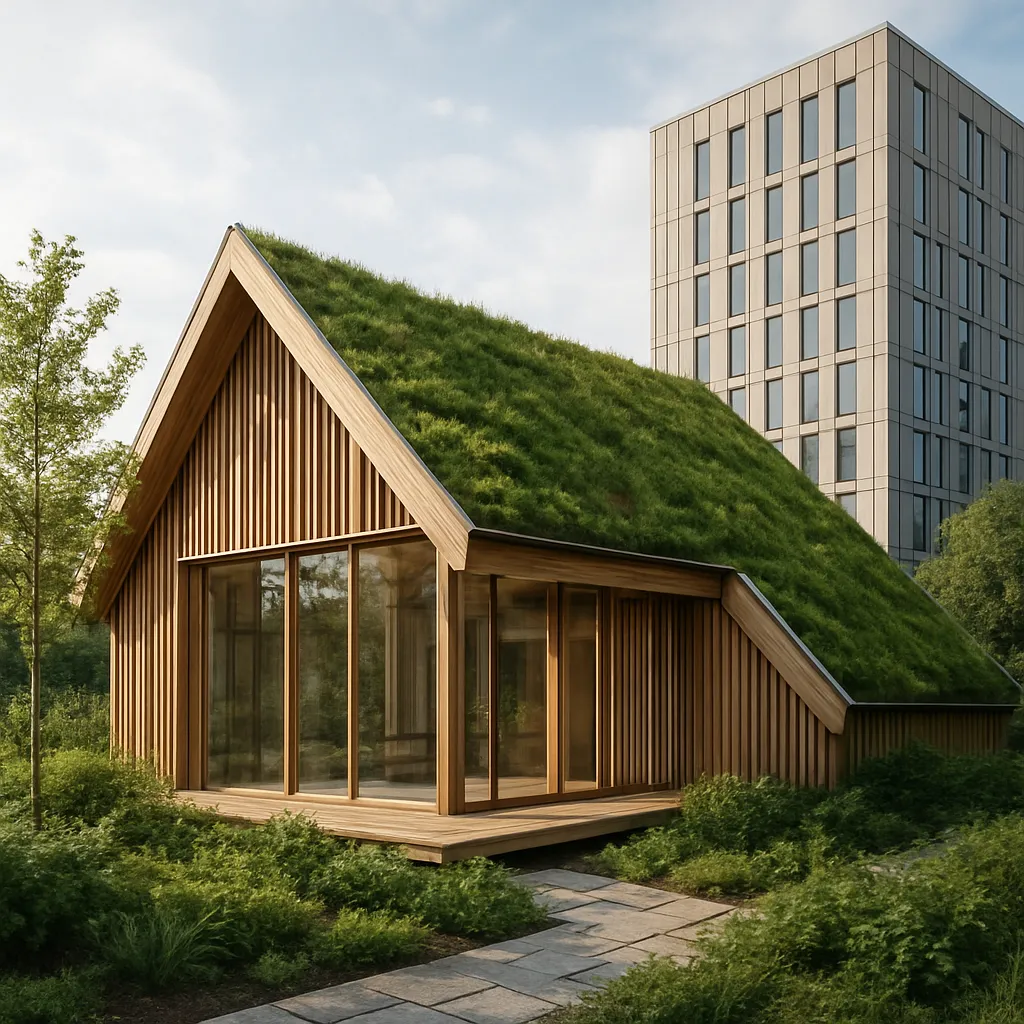
The quest for a truly carbon-neutral hub has led to the adoption of advanced materials such as cross-laminated timber, recycled composites, and ultra-lightweight alloys. Solar-reflective coatings and integrated photovoltaic arrays transform facades into power-generating surfaces, supplying electricity for both lighting and propulsion charging stations. Rainwater harvesting systems funnel precipitation into greywater treatment units, facilitating green roofs or vertical gardens that improve air quality and mitigate urban heat island effects.
User Experience and Spatial Flow
Passenger movement within skyports mirrors that of high-speed rail stations, with zoned circulation paths for arrivals, departures, and maintenance crews. Intuitive wayfinding is enhanced through digital signage and augmented reality guides, reducing congestion and optimizing dwell times. Transparent façades invite natural daylight deep into waiting lounges, fostering a sense of openness and connection to the sky beyond. Amenities such as lounges, retail spaces, and business pods are strategically positioned to maximize convenience without compromising operational zones.
Technological Innovations
Underpinning every drone hub and skyport is a matrix of advanced systems designed to ensure safety, efficiency, and scalability. Automated landing guidance employs lidar and computer vision to track approaching airframes, while AI-driven traffic management orchestrates departure intervals, flight corridors, and emergency procedures. These systems must be robust, with layered redundancies to address GPS outages or communication failures.
Energy storage and distribution networks represent another frontier. High-capacity battery banks marry with fast-charging substrates, allowing eVTOLs to recharge in mere minutes. Smart grid integration aligns charging demands with off-peak power rates, stabilizing the local electrical load. In more ambitious schemes, microgrids incorporating wind turbines or hydrogen fuel cells create self-sufficient hubs that can operate independently during grid disturbances.
Maintenance automation also plays a pivotal role. Robotic inspection drones scan airframes for microfractures, while AI-powered diagnostics predict component fatigue before failures occur. This proactive stance boosts uptime and enhances the overall resilience of the network. Centralized data centers collect telemetry from each hub, facilitating predictive analytics that optimize scheduling and spare-part inventories across multiple facilities.
Urban Integration and Infrastructure
Effective skyport deployment hinges on strategic placement and connectivity. Sites near existing transit corridors—rail stations, bus depots, and highway interchanges—offer multimodal synergies that facilitate the ‘last mile’ journey. Pedestrian bridges or subterranean tunnels can link skyports directly to metro platforms, creating seamless transfers that enhance the appeal of aerial transit.
Urban designers advocate for skyports to double as public spaces during off-peak hours. Elevated parks, observation decks, and pop-up markets can occupy idle pads, activating the structure within the community. This dual-use strategy not only increases social acceptance but also fosters a sense of ownership among local residents.
Successful integration demands close coordination with city authorities to update zoning codes, noise ordinances, and flight path regulations. Noise mitigation strategies—including acoustic screens and operational curfews—address public concern, ensuring that the hum of rotors does not disrupt daily life. By embedding skyports into comprehensive urban mobility plans, cities can harness the promise of aerial transit while preserving quality of life on the ground.
Challenges and Future Outlook
Despite rapid progress, several hurdles remain. Regulatory frameworks are still evolving, and certification processes for new vehicle classes can lag behind technological advances. Public perception, too, requires careful cultivation; transparent communication about safety protocols and environmental benefits is essential to win community trust.
Scaling skyport networks to serve megacities poses logistical complexities: power infrastructure must withstand surges, air traffic control systems must manage dense corridors, and emergency response plans must adapt to vertical environments. Nonetheless, pilot projects in major urban centers are already demonstrating viability, from rooftop vertiports in metropolitan Asia to dedicated drone highways in Europe.
Looking ahead, the fusion of autonomous vehicles, renewable energy, and smart-city data ecosystems will accelerate the maturity of aerial transit hubs. By uniting aesthetic ambition with rigorous engineering, the next generation of skyports will redefine urban skylines, unlocking a new era of rapid, smart, and mobile transportation.