







The convergence of AI and avant-garde design is reshaping how we conceive, plan, and erect the built environment. Beyond mere style, this synergy delivers tangible benefits by slashing waste, enhancing efficiency, and forging a path to truly sustainable futures. Emerging tools harness machine learning, data analytics, and robotics to reimagine every phase of the construction lifecycle. From algorithmic form-finding to on-site automated fabrication, each innovation redefines the role of architects, engineers, and project managers. The following sections explore the transformative potential of these technologies in the realm of architecture.
Intelligent Design Optimization
Algorithmic modeling platforms leverage optimization routines to produce structures that meet performance goals with minimal resource consumption. Traditional design often relies on manual trial-and-error and generalized safety factors, which can inflate material use by up to 30 percent. By contrast, next-generation tools analyze vast datasets—ranging from structural load patterns to environmental conditions—and suggest forms that maintain structural integrity while shaving off unnecessary volume.
- Generative design algorithms explore thousands of permutations in moments, identifying configurations that maximize light, airflow, and spatial utility.
- Parametric modeling integrates real-time feedback on cost, carbon footprint, and fabrication constraints, ensuring each adjustment aligns with sustainability targets.
- Performance-driven topology studies refine support elements to their most efficient geometric state, resulting in sculptural beams and columns that are both aesthetic and minimal.
By pushing beyond static CAD workflows, architects can iterate in a dynamic environment. Data from sensors and urban simulations feed back into the design loop, creating a living model that adapts as requirements evolve. The outcome is a building envelope tuned for optimal heating, cooling, and daylight penetration without excess material overhead.
Material Efficiency and Advanced Robotics
The quest to reduce on-site waste has catalyzed the integration of robotic fabrication and precision cutting systems. These automated solutions achieve tolerances that far surpass manual labor, allowing for tight joints, seamless assemblies, and accurate on-demand production. When paired with advanced nesting algorithms, raw stock is arranged to minimize offcuts and scrap.
Automated Component Assembly
Robotic arms outfitted with custom grippers and vision systems can assemble modular units with millimeter precision. This approach benefits both traditional concrete structures and emerging techniques like 3D-printed polymers:
- Precast concrete panels are hoisted into place by synchronized drones, ensuring alignment to within 5 mm and virtually eliminating rework.
- Large-scale 3D printers lay down complex lattices and organic forms without the need for molds, reducing waste associated with formwork.
- Robotic tile setters and bricklayers adapt to varying site conditions, placing each element with consistent force and angle to prevent breakage.
Sustainable Material Selection
Machine learning models assess the lifecycle impacts of various materials—from recycled steel to bio-based polymers. By simulating supply chain logistics and decomposition rates, these systems recommend composites that balance strength, cost, and end-of-life recyclability. The result is a curated palette of building components chosen explicitly for their minimal ecological footprint.
Digital Twins and Predictive Maintenance
Creating a digital twin—a real-time, virtual replica of a physical building—unlocks continuous monitoring and predictive interventions. Embedded sensors track temperature, humidity, structural stress, and occupant movement. AI-driven analytics then forecast wear patterns and failure points before they manifest, enabling preventative measures that extend the life of critical components and stave off major repairs.
- Vibration sensors in load-bearing elements detect micro-fractures, triggering localized reinforcement rather than broad-scale demolition.
- Environmental monitors adjust HVAC operations dynamically, optimizing energy use and reducing material strain on ductwork and filters.
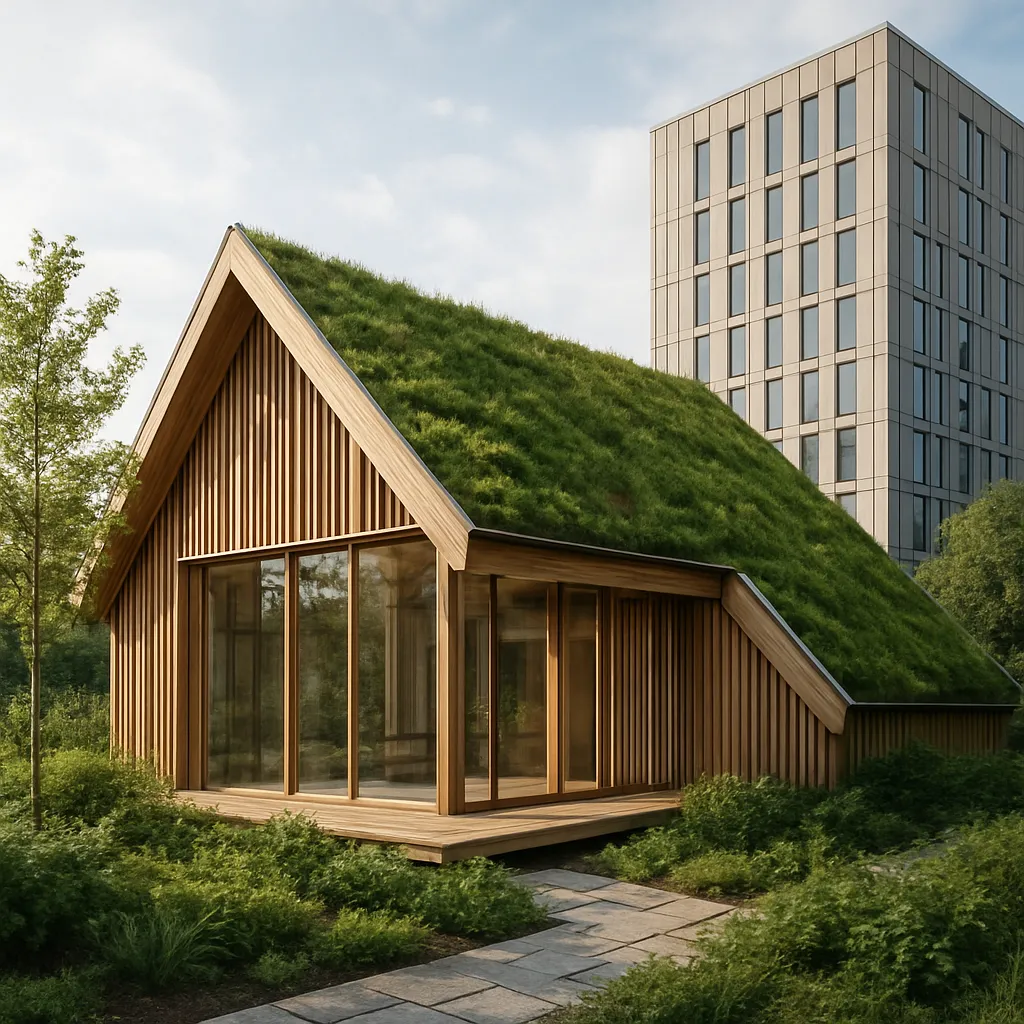
- Digital twin simulations run hypothetical retrofit scenarios, evaluating the sustainability impact of adding solar canopies, green roofs, or rainwater harvesting systems.
By leveraging these insights, facility managers can plan targeted maintenance, preventing the disposal of entire assemblies due to localized failures. Moreover, digital twins serve as knowledge repositories for future projects, capturing lessons learned and contributing to an ever-improving design database.
Adaptive Construction Processes
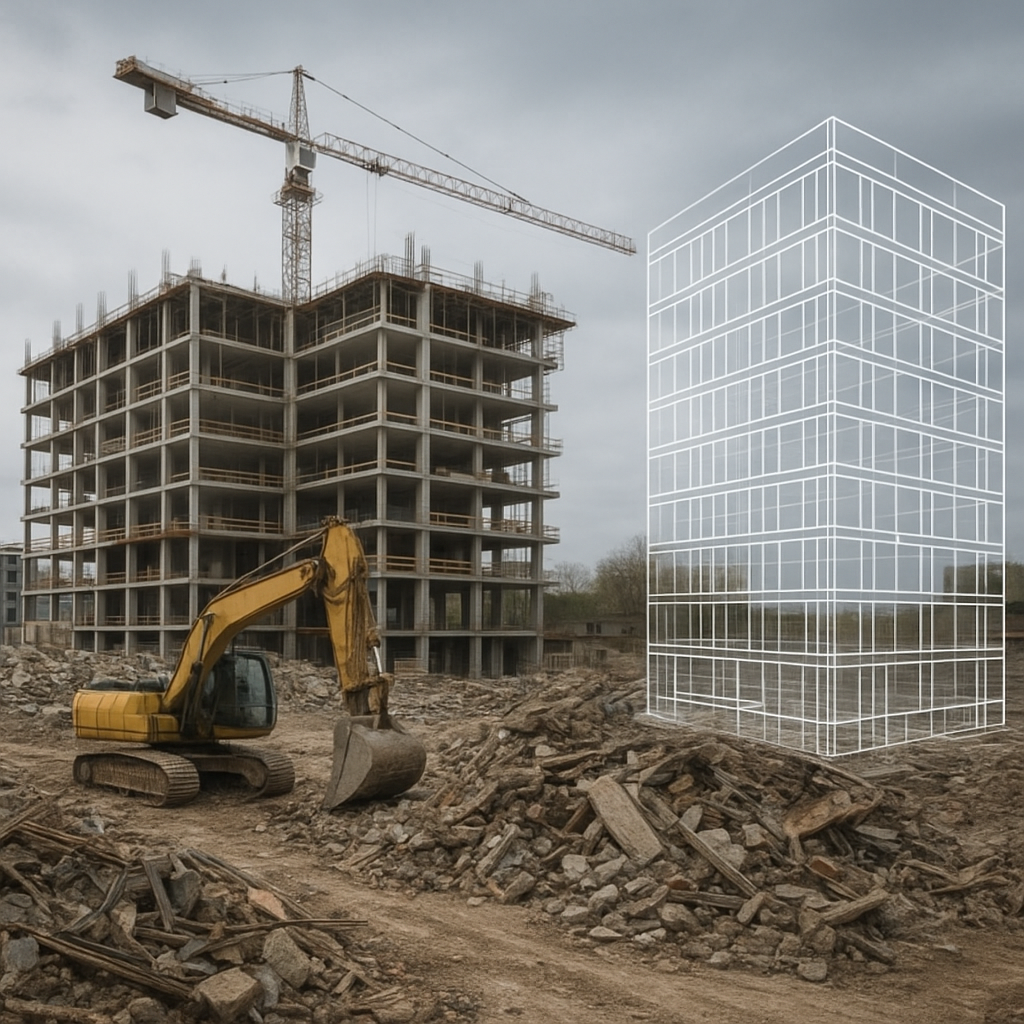
Traditional construction sites generate an estimated 30 percent waste through overordering, miscuts, and damage. AI-driven logistics platforms synchronize deliveries with real-time site progress, ensuring materials arrive just in time and in precise quantities. This coordination fosters a leaner supply chain and reduces on-site clutter.
Real-Time Site Coordination
Computer vision systems mounted on site capture progress images and compare them against the digital model. Discrepancies prompt immediate alerts:
- Misplaced formwork or misaligned rebar triggers an automated request for corrective resources.
- Weather forecasts integrated via AI prompt schedule adjustments, moving delicate tasks indoors or under cover to prevent material spoilage.
- Automated cranes and guided vehicles retrieve toolkits and replacement parts from centralized depots, reducing human error and transit time.
Dynamic Workforce Allocation
Machine learning analyses of task durations, worker skillsets, and site conditions help project managers allocate human resources where they’re most effective. By forecasting which crews will finish tasks early or require additional support, the system minimizes idle time and prevents rushed work that often leads to breakage or rework.
Prospects for Smart Urban Ecosystems
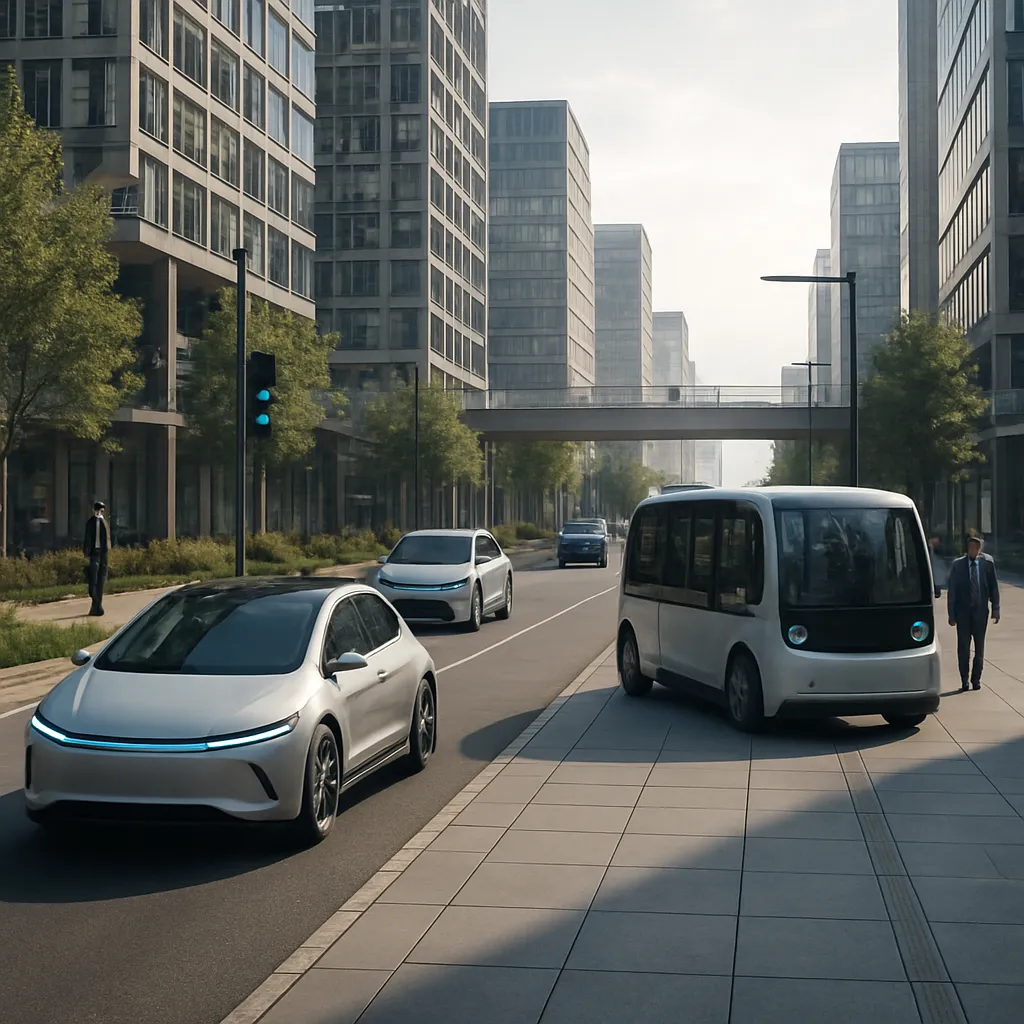
Integrating AI-driven buildings into a larger urban fabric creates a new paradigm of ecosystem-level efficiency. Smart districts communicate with municipal grids, adjust energy flows in response to peak demands, and automatically dispatch repair drones to address infrastructure faults. Waste management becomes predictive: AI algorithms schedule waste collection vehicles based on bin sensors, optimizing routes and reducing carbon emissions from idling trucks.
Futuristic architecture envisions façades that self-regulate light transmission via electrochromic panels, floors embedded with kinetic energy harvesters, and communal spaces that morph to accommodate changing social patterns. These adaptive elements not only curtail material waste but also redefine our relationship with the built environment, making every structure a living, responsive organism.