



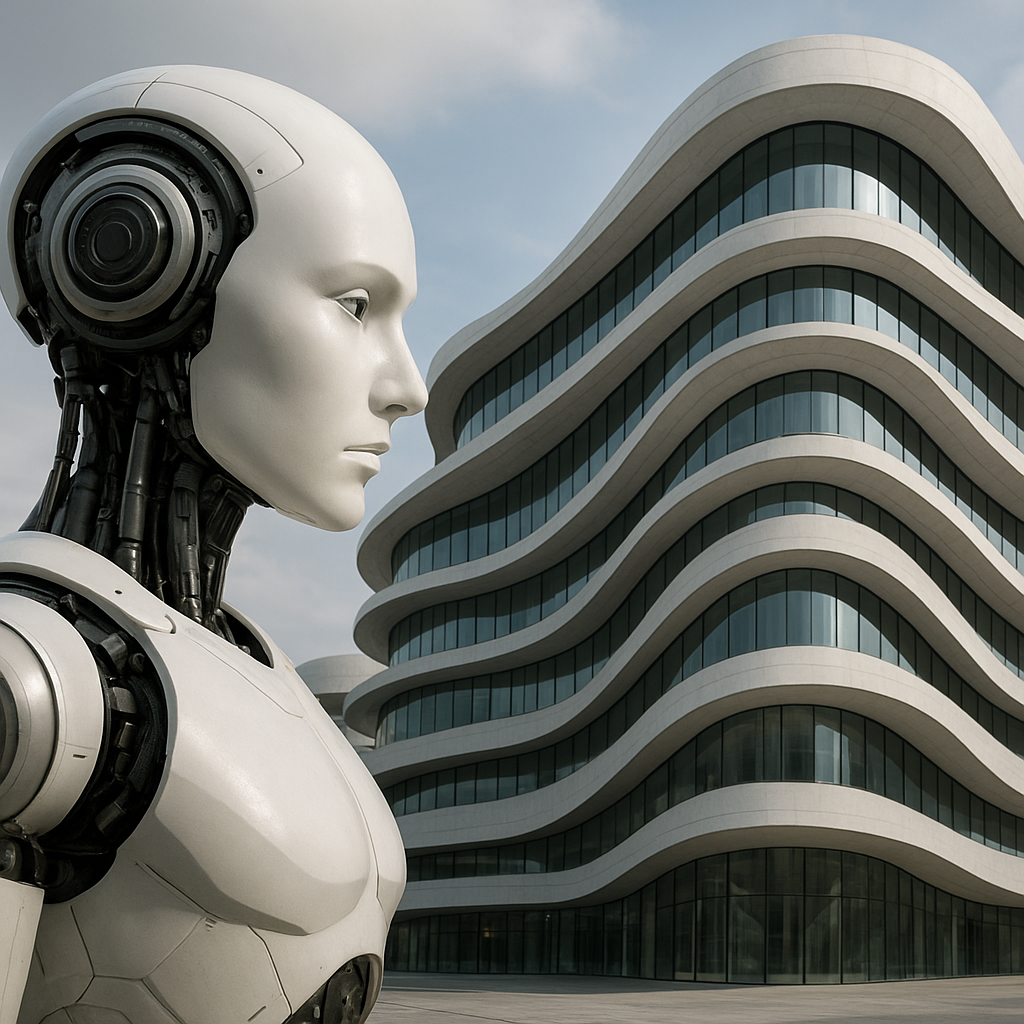
The intersection of technology and design has given rise to a new era of architecture that seems plucked from science fiction. Architects today harness the power of AI to craft buildings that are not only visually striking but also highly efficient and responsive to human needs. This article delves into the ways in which emerging technologies are reshaping architectural aesthetics, offering glimpses into a future where form and function fuse through intelligent systems.
The Role of Artificial Intelligence in Design Processes
Artificial intelligence has moved beyond mere automation, evolving into a creative partner in architectural practice. By analyzing massive datasets and generating countless design iterations, AI-driven tools accelerate innovation and push the boundaries of what’s possible.
Generative Design and Parametric Modeling
- Generative algorithms iterate through thousands of design permutations, optimizing for factors like structural integrity, sunlight exposure, and cost efficiency.
- Parametric modeling enables architects to embed rules and constraints, so altering one parameter—such as window size or façade curvature—updates the entire form dynamically.
- These methods produce fluid, organic shapes that were previously unimaginable, ushering in a new vocabulary of architectural expression.
Digital Twins and Simulation Environments
- A digital twin is a virtual replica of a building or city block, linked to real-time sensor data.
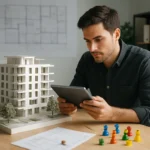
- Designers use these simulations to predict energy consumption, pedestrian flow, and maintenance needs before construction begins.
- By refining models virtually, architects reduce waste, improve sustainability, and ensure that the final structure performs precisely as intended.
Biomimicry and Sustainable Futures
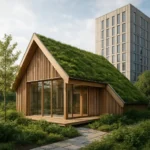
Nature has perfected efficient forms and strategies over millions of years. By studying biological systems, architects extract principles that inform greener, more adaptable buildings.
Learning from Nature’s Blueprints
- Biomimicry harnesses strategies like cellular structures found in bones to create lightweight yet strong building components.
- Self-shading surfaces inspired by cactus skins help regulate indoor temperatures without excessive mechanical cooling.
- Ventilation systems modeled on termite mounds maintain air circulation and thermal comfort with minimal energy.
Adaptive Facades and Energy Efficiency
- Intelligent facades equipped with sensors adjust opacity in response to sunlight, reducing glare and heat gain.
- These adaptive skins often incorporate phase-change materials that store and release thermal energy.
- Integrating photovoltaic cells and micro-wind turbines into building envelopes transforms facades into power generators.
Immersive Experiences and Human-Centered Environments
The next generation of architecture emphasizes user well-being and engagement. Integrating technology into the built environment transforms static spaces into active participants in daily life.
Spatial Intelligence and Interaction
- Sensors embedded in floors and walls gather data on movement patterns, air quality, and occupancy levels.
- AI platforms analyze this data to optimize lighting, temperature, and acoustic conditions in real time.
- The result is a personalized environment that responds to individual preferences and activities.
Virtual and Augmented Reality for Design and Experience
- Architects use immersive VR tools to walk clients through unbuilt spaces, refining aesthetics and functionality collaboratively.
- AR overlays guide maintenance crews, highlighting hidden conduits or structural elements behind walls.
- These technologies democratize design, allowing stakeholders to participate actively in shaping their environments.
Modularity, Robotics, and the Future of Construction
Robotic systems and prefabricated modules are reinventing how buildings go up. The synergy between digital design and automated assembly promises to make construction faster, safer, and less wasteful.
Prefabricated and Modular Systems
- Factory-built modules are designed using modular principles, ensuring components fit together seamlessly on-site.
- Standardized connections and robotic assembly lines speed up construction schedules dramatically.
- This approach reduces on-site labor demands and minimizes disruptions in urban settings.
Robotics and Automated Fabrication
- CNC machines, 3D printers, and robotic arms precisely carve intricate structural and decorative elements from a variety of materials.
- Concrete-extrusion robots create complex forms that would be prohibitively expensive with traditional formwork.
- Automation enhances safety by handling repetitive or hazardous tasks, allowing human workers to focus on creative solutions.
Challenges, Ethics, and the Path Ahead
While the prospects of technological integration are exhilarating, architects must navigate ethical considerations and practical constraints as they embark on this journey.
Data Privacy and Security
- Collecting occupant data raises questions about consent and privacy.
- Secure data protocols are essential to protect sensitive information from breaches.
Equity and Accessibility
- Ensuring that AI-driven design tools benefit communities of all socioeconomic backgrounds is a critical challenge.
- Technology must enhance inclusivity, not deepen existing disparities.
Maintaining Human Creativity
- Architects must balance algorithmic optimization with artistic intuition, preserving the craft’s human essence.
- Viewing AI as a collaborator rather than a replacement safeguards the industry’s creative richness.
Envisioning Tomorrow’s Skylines
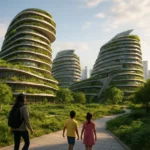
As artificial intelligence, robotics, and bio-inspired strategies converge, the built environment will evolve in unpredictable and **astonishing** ways. Future skylines may rise with self-healing concrete, façades that glow with integrated lighting, and interiors that morph to suit shifting programmatic needs. The partnership between human imagination and machine intelligence stands to redefine aesthetic values, forging spaces that are not only visually compelling but also more responsive, efficient, and humane than ever before.