
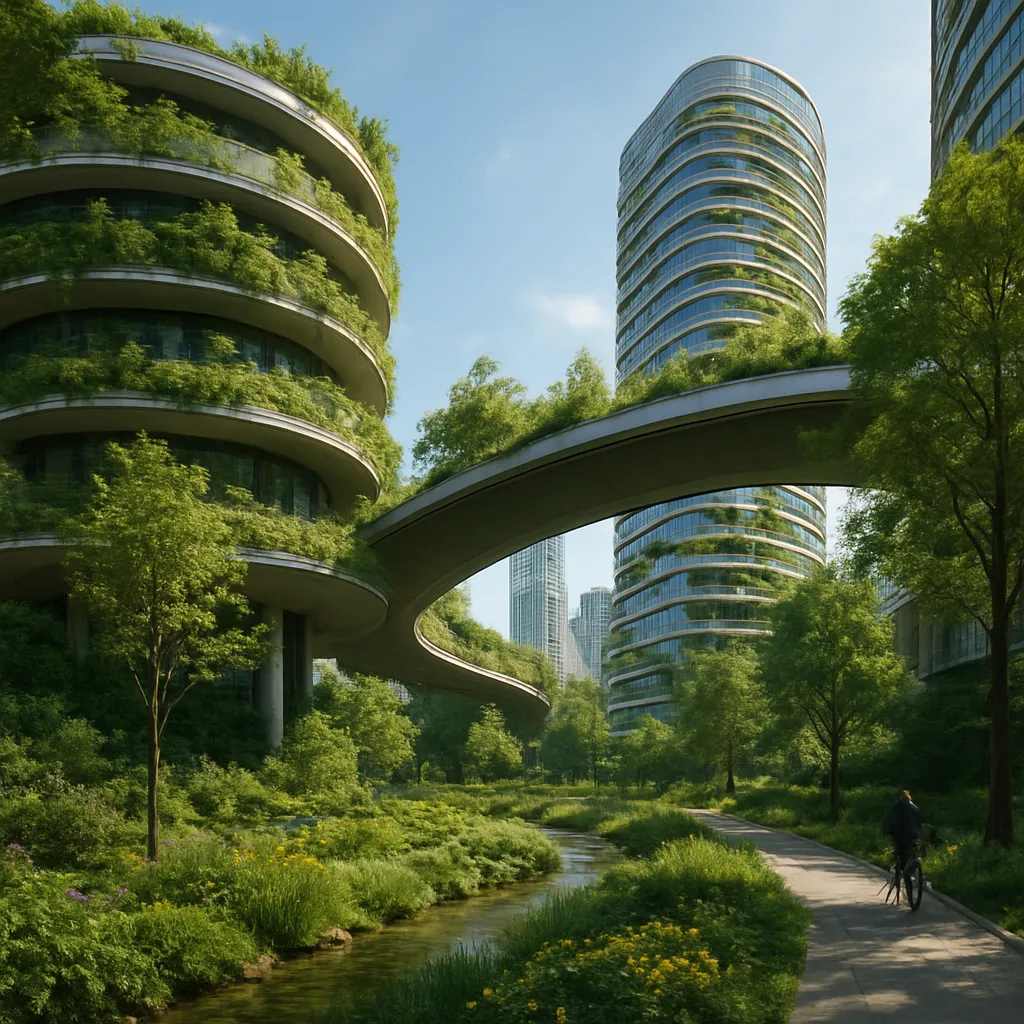
Emerging visions of urban growth are embracing a radical shift: the marriage of cutting-edge architectural form with thriving natural habitats. By weaving living systems into built structures, designers are redefining cityscapes as vibrant, interconnected networks where people and wildlife coalesce. This transformation relies on innovation, sustainability, and deep respect for the ecosystem dynamics that underpin life itself.
Integration of Natural Ecosystems within Urban Landscapes
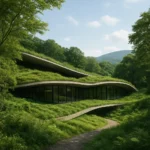
Architects now leverage biomimicry principles to craft façades and public realms that mimic forest canopies, wetlands, and rocky cliffs. These living features perform multiple roles: they purify air, manage stormwater, buffer noise, and create microclimates conducive to local flora and fauna. Ultra-thin planters embedded in high‐rise exteriors host native vines and pollinators, forging vertical green corridors. Under the influence of these design strategies, concrete jungles can transform into genuine biodiversity enclaves.
Key strategies for ecological integration include:
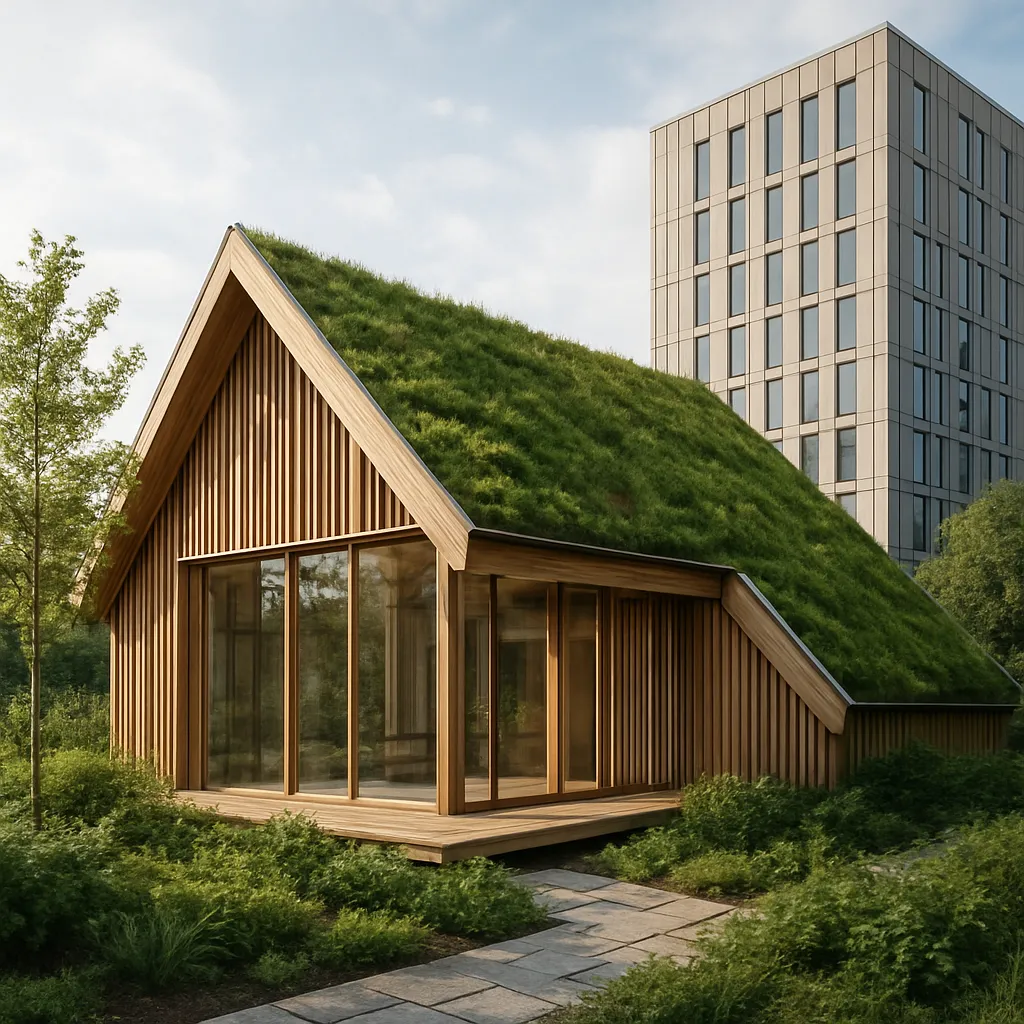
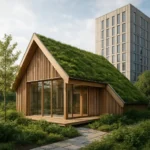
- Green roofs layered with indigenous grasses and flowering plants to support insects and birds.
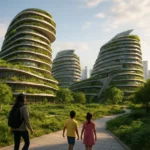
- Vertical forests studded with trees on every level, creating shady refuges and nesting sites.
- Rain gardens and bioswales that channel runoff through soil filters, sustaining amphibians and aquatic invertebrates.
- Façade modules that imitate rock faces or reed beds, offering shelter to bats, owls, and small mammals.
In addition to enhancing wildlife habitat, these elements cultivate social and psychological well‐being. Residents benefit from cooler interiors, improved air quality, and visual relief amidst greenery. Community gardens on accessible terraces foster stewardship, as urban dwellers nurture pollinating insects and edible wildflowers together. These initiatives underscore that connectivity between human and natural realms is vital for resilient, adaptive cities.
Technological Synergies in Biodiverse Architecture
Beyond passive design, emerging technologies actively monitor and bolster urban biodiversity. Networks of nanosensors embedded in soil and wood detect moisture levels, nutrient content, and pollutant concentrations in real time. Artificial Intelligence analyzes this data, adjusting irrigation schedules or nutrient dosing to optimize growth without waste. Such intelligent systems ensure green walls remain lush through heatwaves and droughts, maintaining critical habitat continuity.
Robotic Pollinator Assistants
In response to declining bee populations, research teams have deployed small drones that emulate pollinator flight paths. These devices travel predetermined routes among rooftop gardens and pocket parks, transferring pollen between flowers in areas where insect traffic is low. While not a replacement for living bees, they serve as a temporary bridge during extreme weather or pesticide events, preserving seed set and genetic diversity.
Modular Biodiversity Pods
Prefabricated habitat modules can be clipped onto buildings like giant LEGO bricks. Each pod is tailored to a particular species group—such as butterflies, songbirds, or native rodents—and includes microclimate controls, nesting cavities, and food sources. When integrated into façades, rooftops, or public plazas, these modular units offer scalable, flexible habitat networks. They can be serviced or replaced seasonally, ensuring long‐term functionality and adaptability to shifting ecological needs.
High-resolution cameras and acoustic sensors feed into urban “nature dashboards,” where conservationists and the public can track wildlife activity. Real-time data visualizations reveal how floral bloom cycles align with migratory bird arrivals, or how humidity fluctuations influence frog choruses at night. This transparent monitoring fosters community engagement and holds building managers accountable for maintaining vibrant ecosystems.
Global Case Studies and Exemplars
Throughout the world, visionary projects illustrate how futuristic design encourages urban biodiversity:
- Bosco Verticale (Milan): Two residential towers draped in over 900 trees and 20,000 plants constitute a vertical forest, reducing CO₂ and providing nesting habitat for over 60 bird species.
- The High Line (New York): A repurposed elevated railway has become a green ribbon teeming with native grasses, butterflies, and ground‐nesting bees, attracting millions of visitors annually.
- Oasia Hotel Downtown (Singapore): Its living façade hosts climbers and insects, while rooftop terraces with rain tanks support frogs and dragonflies in the city’s heart.
- Eden Project (Cornwall): Biomes recreate Mediterranean and rainforest climates within architectural domes, showcasing how enclosed structures can nurture exotic species alongside local pollinators.
In Copenhagen, the adaptive “Superkilen” park celebrates global biodiversity by featuring plant species from 60 different cultures, supporting both human and wildlife communities. Its red, black, and green zones provide diverse habitats—from open lawns for birds to dense shrubs sheltering hedgehogs.
Looking Ahead: Overcoming Barriers to Urban Biodiversity
Despite these successes, barriers persist. Funding constraints often relegate ecological features to secondary status. Policymaking must evolve to offer incentives—such as tax rebates or expedited permits—for projects that exceed baseline environmental standards. Public‐private partnerships can underwrite maintenance costs for living infrastructure, ensuring that resilience remains a core priority rather than a fleeting trend.
Education is equally crucial. Collaborative programs between architects, ecologists, and residents can build a shared vision of the city as a thriving organism. By embracing renewable energy sources—solar panels, geothermal pumps, and biogas digesters—future developments will power habitat systems without fossil fuel dependence, closing the loop on resource use.
The next generation of super‐tall forests, aquatic parks, and rooftop meadows will demand interdisciplinary teams fluent in art, science, and technology. Only through such convergence can we design urban oases that not only look futuristic but function as living tapestries, weaving humans back into the web of life.