



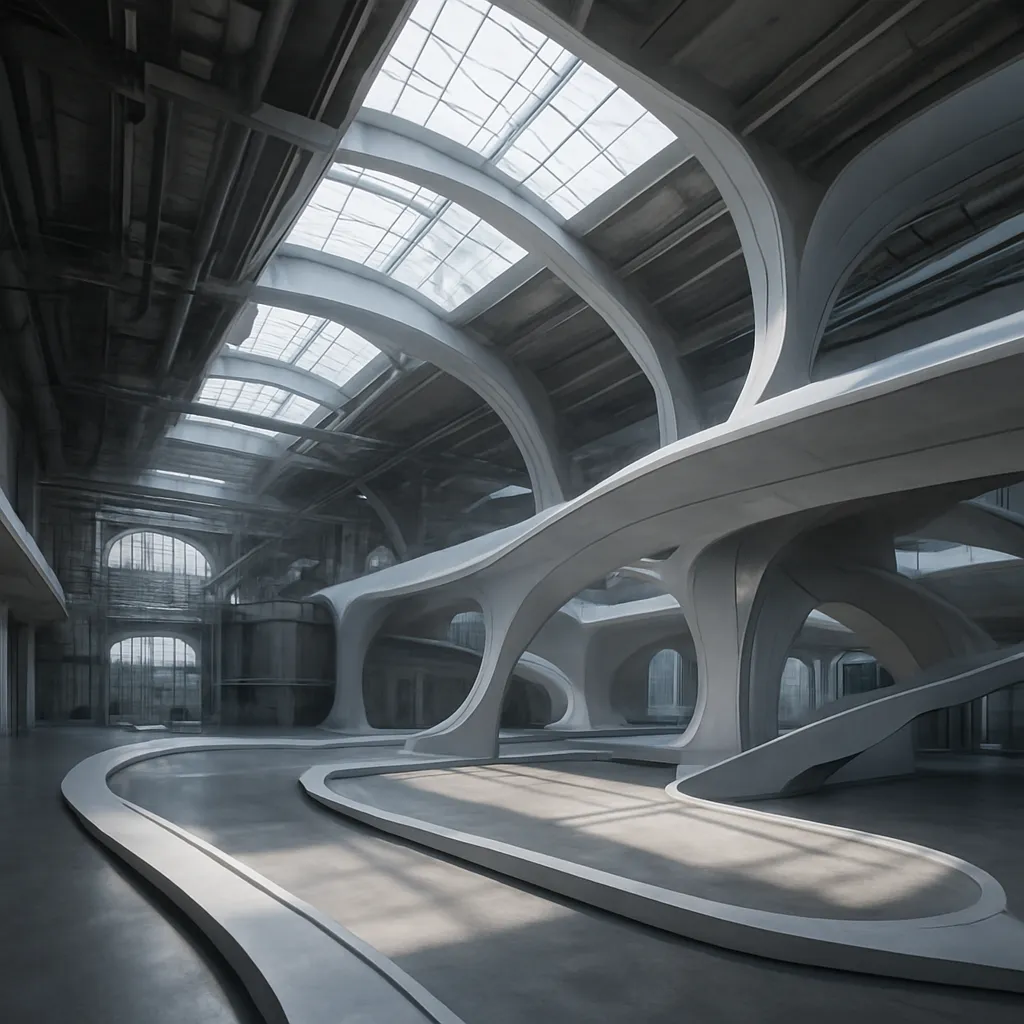
Industrial architecture is no longer confined to concrete boxes and steel girders. Visionaries are leveraging advanced materials, digital fabrication, and data-driven systems to transform production zones into dynamic ecosystems. By integrating innovation, environmental stewardship, and human-centric principles, these new-age structures redefine the purpose of factories, warehouses, and logistic hubs, turning them into living organisms that adapt and evolve.
Emerging paradigms like Industry 4.0 and the Internet of Things fuel a convergence between physical infrastructure and intangible networks. Vast floor plates become interactive canvases where robots, drones, and humans collaborate seamlessly. Underpinning this transformation are concepts such as sustainability, circular economies, and resilience—ensuring that tomorrow’s industrial precincts not only generate goods but also nurture communities and the planet.
Innovative Modular Frameworks
At the core of futuristic industrial sites lies the principle of modularity. Unlike traditional construction methods that lock spaces into permanent layouts, modular frameworks employ prefabricated volumetric units that can be connected in myriad configurations. These units arrive onsite with embedded mechanical, electrical, and plumbing systems, enabling a plug-and-play approach. Whether erecting a new assembly hall or expanding a packaging facility, modules snap together like building blocks, slashing construction time by up to 50%.
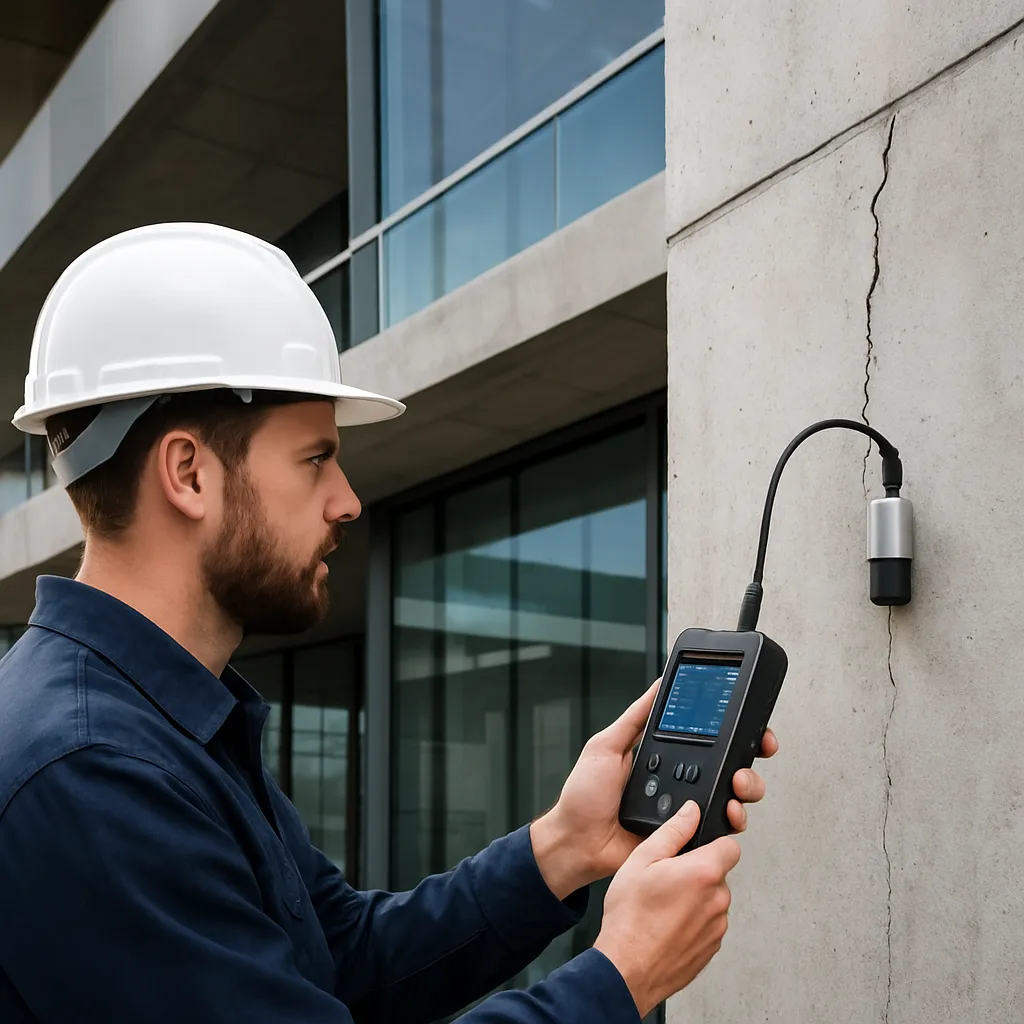
Leading design offices deploy parametric tools to catalogue hundreds of module typologies—ranging from cleanrooms for precision manufacturing to climate-controlled distribution cells. Each module features adjustable floors, movable partition walls, and integrated sensor arrays that monitor temperature, humidity, and structural health. When operational demands shift, entire production lines can be relocated, reassembled, or even stacked vertically, unlocking unprecedented spatial flexibility.
Case Studies in Modular Adaptation
- Adaptive automotive plant wings that expand during model launch phases and contract in low-demand periods
- Pop-up pharmaceutical cleanrooms assembled in under two weeks, then redeployed across regions
- Containerized microfactories powered by renewable modules, enabling rapid relief-supply manufacturing in disaster zones
- Dynamic data-center pods that integrate with existing logistics hubs for edge-computing applications
Beyond speed, modular frameworks bolster resilience. In seismic zones or flood-prone regions, lightweight modules can detach and re-anchor, mitigating damage. Decommissioned units are refurbished and reshuffled into new projects, championing a circular approach that curtails material waste and carbon emissions.
Parametric and Adaptive Technologies
Parametric design transcends form generation—it orchestrates the very behavior of industrial architectures. By encoding performance criteria into algorithms, architects craft facades that respond to sun angles, wind loads, or production heat gains. These kinetic skins, comprised of shape-memory alloys and smart polymers, morph in real time to optimize daylight penetration, thermal comfort, and photovoltaic output.
Inside, digital twins replicate the entire facility within a virtual model, enabling engineers to simulate workflows, energy flows, and evacuation scenarios before physical construction begins. This convergence of the physical and digital realms, often termed the “Fourth Industrial Revolution,” relies on pervasive digitalization. IoT sensors relay terabytes of data daily, feeding AI-driven analytics that predict maintenance needs, calibrate robotic arms, and even animate ambient lighting to align with circadian rhythms.
Key Adaptive System Components
- Automated louver arrays synchronized with solar tracking for peak energy harvest
- Responsive HVAC networks that independently zone production cells for precise climate control
- 3D-printed structural elements that incorporate carbon nanotube reinforcements for variable load paths
- Robotic scaffolding that reconfigures itself to support different assembly templates
More than mere gimmicks, these adaptive technologies cultivate an ecosystem where architecture itself becomes an active partner in manufacturing excellence. Control rooms evolve into command centers, visualizing factory performance via immersive VR dashboards and enabling remote teams to intervene seamlessly from anywhere on the globe.
Human-Centric Industrial Environments
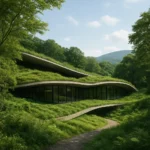
Futuristic industrial spaces strive to balance mechanization with the intrinsic needs of the workforce. Biophilic interventions usher nature inside: green corridors weave through assembly lines, hydroponic planters filter airborne toxins, and daylight-simulating skylights reduce fatigue and boost productivity. Acoustic baffles, crafted from recycled textile composites, mitigate machinery clamor, fostering calmer work zones that enhance concentration and well-being.
Ergonomic design extends to workstation geometry and tool integration. Height-adaptive platforms, powered by pneumatic actuators, accommodate diverse body types and work tasks. Wearable exoskeletons assist with heavy lifting, reducing injury rates. Augmented reality overlays provide step-by-step assembly guidance directly onto components, cutting training time and error margins by up to 40%.
Strategies for Enhanced Interactivity
- Interactive floor projections that guide foot traffic and mark hazardous zones dynamically
- Smart glass partitions that switch opacity for focused collaboration or private inspections
- Multi-sensor wristbands tracking physiological markers to optimize shift rotations
- On-demand wellness pods offering micro-break spaces with ambient soundscapes
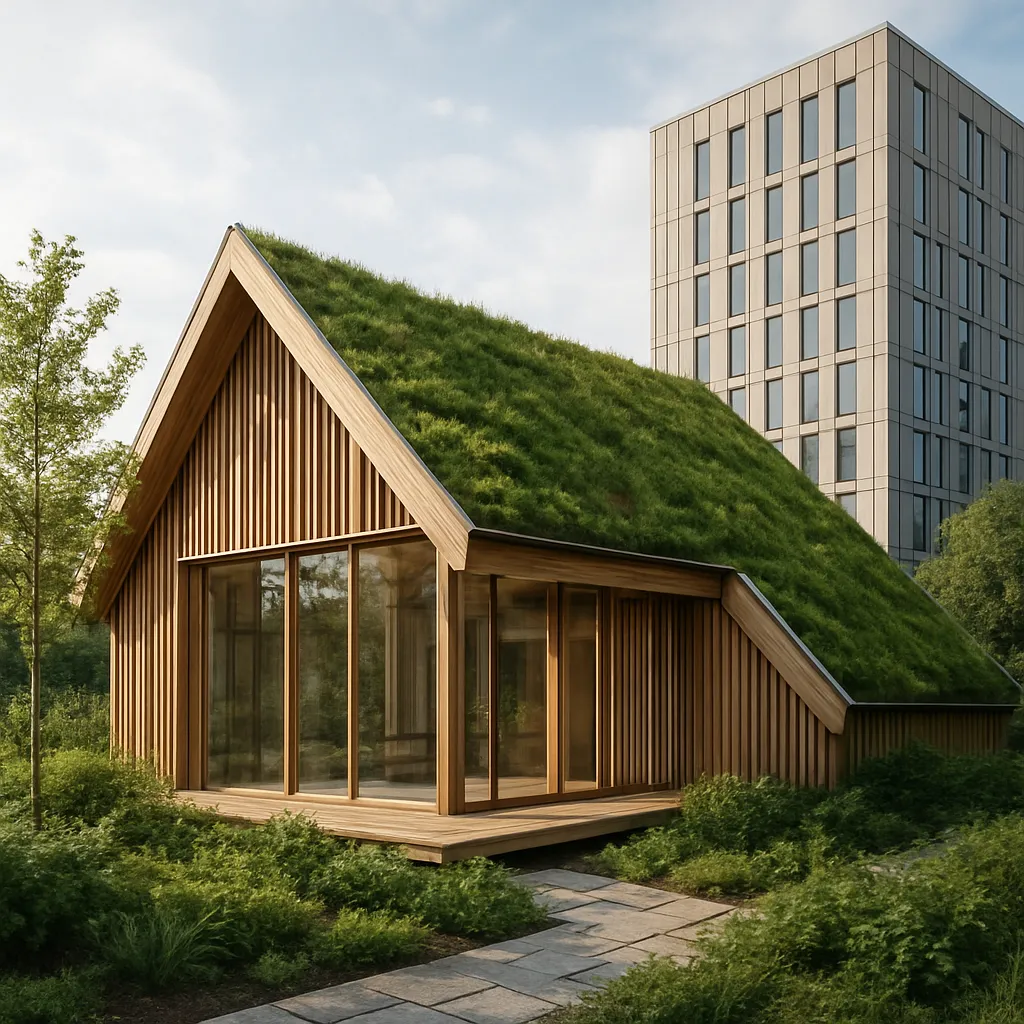
Community integration further elevates these environments. Rooftop gardens double as social hubs, hosting workshops and educational programs. Onsite fabrication labs open to local artisans, fostering urban renewal and knowledge exchange. By embedding industrial sites within the social fabric, designers ensure that architecture not only manufactures products but also cultivates creativity, resilience, and long-term prosperity.