









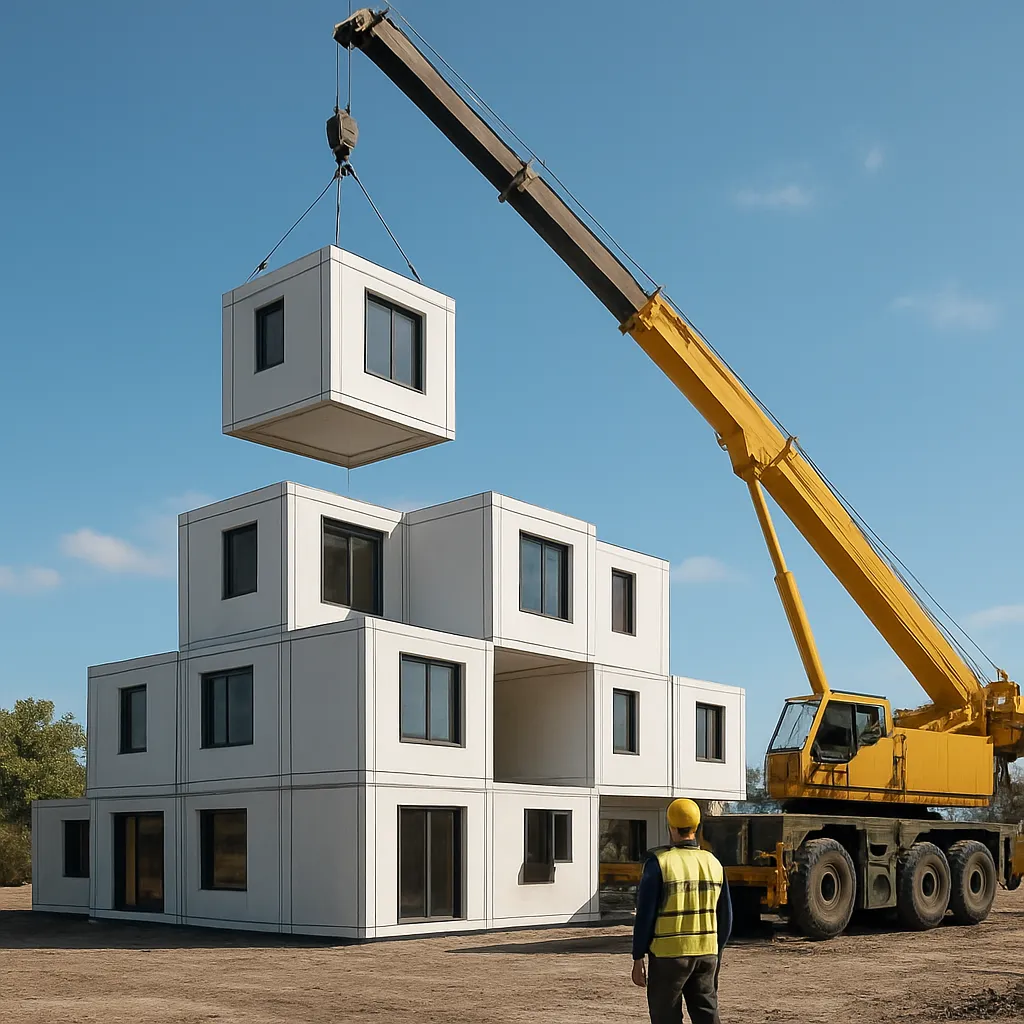
Imagine a world where buildings construct themselves with the precision of a living organism, responding instantly to environmental stimuli and onsite demands. This vision of self-assembling architecture fuses cutting-edge science with architectural ambition, promising to revolutionize how we conceive and inhabit urban spaces. By harnessing the power of nanotechnology, modularity, and automation, designers are paving the way for structures that grow, heal, and adapt as naturally as organic forms.
Principles of Self-Assembling Architecture
The core principle behind this emerging field is the orchestration of discrete components that autonomously organize into functional structures. Inspired by biological processes—such as the way proteins fold or coral reefs build vast colonies—researchers employ a range of strategies to ensure parts align and lock together without manual intervention.
Biomimetic design takes cues from nature’s efficiency, emulating self-organization found in cell membranes and plant growth. Here, soft robotics and shape-memory alloys provide the mechanical basis, while responsive coatings trigger assembly when activated by heat, light, or electrical currents.
Central to these systems is the concept of adaptive behavior. Components may adjust geometry in real time, correcting misalignments and compensating for uneven surfaces. This capability reduces reliance on heavy machinery and skilled labor, drastically cutting construction time and costs.
Another key element is the integration of metamaterials—engineered composites with properties not found in nature. By embedding micro-actuators and sensors within these materials, walls can fold, expand, or solidify on command, transforming simple modules into complex architectural forms.
Researchers emphasize the importance of sustainability as well. Materials are chosen for recyclability and minimal environmental impact. In some prototypes, biodegradable polymers replace conventional plastics, allowing temporary shelters to decompose harmlessly after fulfilling their purpose.
Technological Foundations and Innovations
Nanotechnology and Smart Components
At the heart of self-assembling systems lies advanced nanotechnology. Nanobots—microscopic machines capable of precise movements—can position connections at the molecular level. A swarm of such devices may act like construction workers, weaving structural fibers and sealing joints without scaffolding.
Embedded microcontrollers coordinate the swarm, relaying data about temperature, stress, and alignment. In effect, each module becomes an intelligent agent, communicating wirelessly to ensure the collective behavior achieves the designer’s intent.
Robotics and Automated Assembly
While nanobots handle fine-scale tasks, larger-scale robotics systems manage heavy lifting and module placement. Autonomous drones may airlift prefabricated panels, while ground-based vehicles align and snap them into place. These machines operate around the clock, guided by real-time 3D mapping and AI-driven path planning.
- Precision docking through magnetic couplers
- On-the-fly error correction via computer vision
- Dynamic load balancing to maintain structural integrity
Such automation not only accelerates the construction timeline but also enhances safety, removing human crews from hazardous conditions and repetitive tasks.
Energy, Sensors, and Networked Intelligence
Self-assembling structures rely on a distributed network of sensors that monitor environmental factors—wind loads, seismic activity, humidity—and feed data into a centralized control hub. Combined with machine learning algorithms, the system can predict stresses and preemptively adjust the architecture, maintaining comfort and safety.
Energy harvesting technologies, such as solar skins and piezoelectric tiles, supply power to sensors and actuators. This self-sufficient loop of sensing, analysis, and response creates buildings that are both robust and efficient.
Applications and Challenges
Several pilot projects have already showcased the promise of instant construction. Emergency shelters that unfold from compact pods have been deployed after natural disasters, providing rapid relief. In remote locations, self-assembling research stations arise without large crews, offering scientists a base camp within hours.
Urban planners envision modular housing blocks that adapt to population shifts. As demand grows, additional modules can latch onto existing towers, swelling capacity seamlessly. Conversely, sections can detach and relocate if a neighborhood undergoes rezoning or redevelopment.
However, with innovation come significant challenges. The complexity of coordinating thousands of autonomous elements raises questions about system reliability. Redundancy strategies—where backup modules engage if primary units fail—are critical but add to the design overhead.
Regulatory frameworks lag behind technological progress. Building codes assume static, human-constructed edifices; dynamic, evolving structures demand new standards for safety certification, maintenance protocols, and liability assignment.
Material longevity poses another hurdle. While resilience is intrinsic to these architectures, long-term exposure to UV radiation, moisture, and pollutants could degrade smart coatings and actuators. Ongoing research into wear-resistant compounds and self-healing polymers aims to address these vulnerabilities.
Finally, the social implications of automated, on-demand architecture invite debate. Will such rapid construction methods displace skilled labor or redefine the nature of craftsmanship? Advocates argue that human creativity will shift toward design and oversight, while routine assembly becomes mechanized.
Despite these obstacles, the trajectory remains clear: self-assembling architecture stands at the vanguard of a transformative era. By merging modularity with machine intelligence, it promises spaces that spring to life, evolve with their inhabitants, and respond gracefully to an ever-changing planet.