





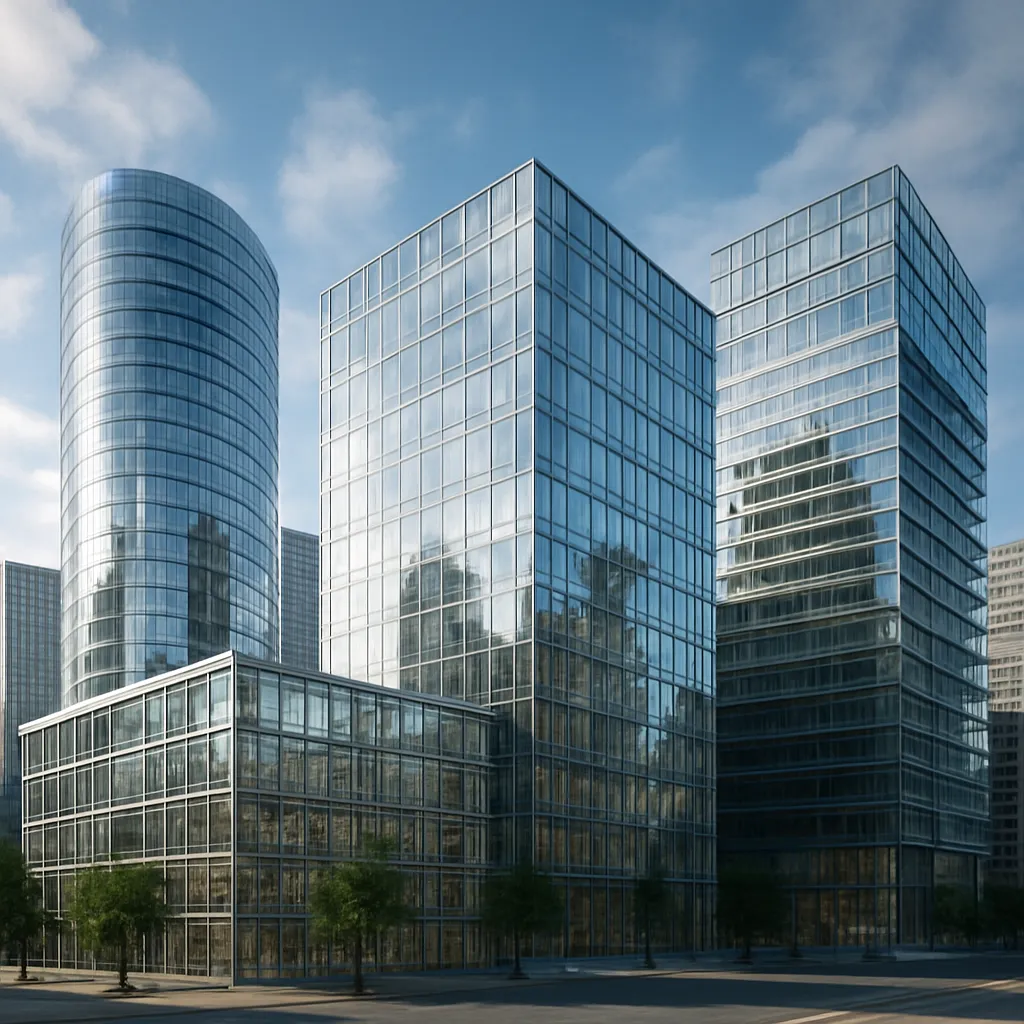
The interplay between light, space, and form has given rise to a new wave of transparent architecture that transforms urban landscapes into immersive environments. By harnessing cutting-edge materials and visionary design principles, architects are redefining how we perceive and interact with the built environment. This exploration delves into the past, present, and future of transparent architecture in modern cities, charting its path from early glass façades to futuristic adaptive skins.
Evolution of Transparent Materials
Early Experiments and Symbolism
The use of glass as a building material stretches back centuries, but it wasn’t until the Industrial Revolution that large-scale glazing became feasible. Architects like Joseph Paxton and Peter Ellis pioneered iron-and-glass structures—most famously the Crystal Palace (1851)—ushering in an era where translucent surfaces symbolized progress and optimism. These early structures blended inside and outside, inviting visitors to experience the world in a new visual context.
Technological Advancements: From Glass to Smart Materials
Traditional float glass dominated for decades, but recent decades have witnessed the advent of high-performance glazing and smart materials. Low-emissivity (Low-E) coatings, vacuum insulating glass, and electrochromic panes enable façades to regulate heat gain, glare, and privacy dynamically. Emerging technologies such as switchable glass can transition from clear to opaque with an electrical charge, while integrated photovoltaic cells harvest solar energy. These innovations have elevated transparent surfaces beyond mere aesthetics into active building components.
Integration in Urban Planning
Transparency and Sustainability
Transparent architecture dovetails with the global push for sustainability. Daylighting strategies reduce reliance on artificial lighting, cutting energy consumption. By carefully orienting glass walls and selecting high-performance glazing, designers minimize overheating while maximizing natural illumination. In combination with passive solar design and green roofs, transparent façades contribute to healthy indoor environments and lower carbon footprints. The dynamic interplay between form and function exemplifies a holistic approach to eco-conscious urban development.
Public Spaces and Transparent Facades
Urban plazas, transit hubs, and cultural centers increasingly adopt transparent elements to foster community engagement. Iconic examples include:
- Grand Paris Metro Stations: Glass canopies flood platforms with daylight, easing commuter stress.
- Tokyo Midtown: Transparent skybridges connect towers, offering panoramic city views.
- Stockholm’s Kulturhuset: A glass facade invites passersby into libraries and galleries, breaking down barriers between civic life and the street.
Such projects demonstrate how transparent surfaces serve as both aesthetic statements and catalysts for social interaction.
Future Prospects and Innovations
Adaptive Transparency and Augmented Reality
Looking ahead, cities will feature façades that respond in real time to environmental and social inputs. Imagine building skins that transition between opaque and clear states based on interior occupancy or external weather conditions—enhancing privacy, comfort, and energy efficiency. Further, by embedding micro-LEDs and sensors, dynamic surfaces could overlay digital information on glass, creating an interactive interface between inhabitants and infrastructure. Augmented reality (AR) applications will project wayfinding cues, environmental data, or artistic visuals onto transparent walls, transforming static structures into living canvases.
Challenges and Ethical Considerations
Despite its promise, transparent architecture presents dilemmas. Unchecked glass expanses can cause bird collisions or infringe on human privacy. The embodied energy of high-tech glazing may offset operational gains unless mitigated by sustainable sourcing and recycling strategies. Furthermore, the ubiquity of responsive façades raises questions about data privacy: who controls the sensors, and how is personal information protected? Architects and planners must adopt ethical frameworks that balance technological enthusiasm with ecological responsibility and social equity.
Emerging Typologies of Transparent Structures
Vertical Greenhouses and Bio-facades
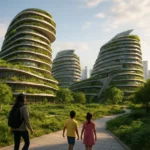
Integrating biophilic design with transparent skins yields living façades—vertical farms and greenhouses embedded in skyscrapers. These structures blend glass, hydroponic systems, and plant life to produce fresh food, filter air pollutants, and enhance occupant well-being. For example, Milan’s Vertical Forest towers employ glass balconies that house trees and shrubs, creating a translucent exterior rich with biodiversity.
Solar-Active Windows and Energy Harvesting
Advances in transparent photovoltaic technologies enable windows to double as power generators. Next-generation solar glass can be tuned to absorb specific wavelengths, generating electricity without compromising daylighting. Buildings become micro power plants, contributing to decentralized energy grids and reinforcing urban resilience. The integration of energy-harvesting glass paves the way for net-zero and positive-energy buildings, redefining sustainable cityscapes.
Design Strategies for Future Cities
Contextual Transparency
Rather than applying glass uniformly, architects are exploring adaptive transparency—modulating opacity and patterning to respond to cultural, climatic, and urban contexts. Parametric design tools allow façades to vary transparency based on sun paths, privacy needs, or local heritage motifs. This approach ensures that transparent elements harmonize with the city’s identity rather than override it.
Human-Centered Transparent Environments
Ultimately, the success of transparent architecture lies in its ability to enhance human experience. Designers envision multi-sensory environments where glass surfaces integrate acoustic dampening, scent diffusion, and haptic feedback. Imagine a conference center whose innovation-driven façade instinctively adjusts to reduce echo, emit calming aromas, and subtly warm high-traffic zones. By prioritizing occupant comfort and wellness, transparent architecture moves from an aesthetic trend to a cornerstone of humane city design.