






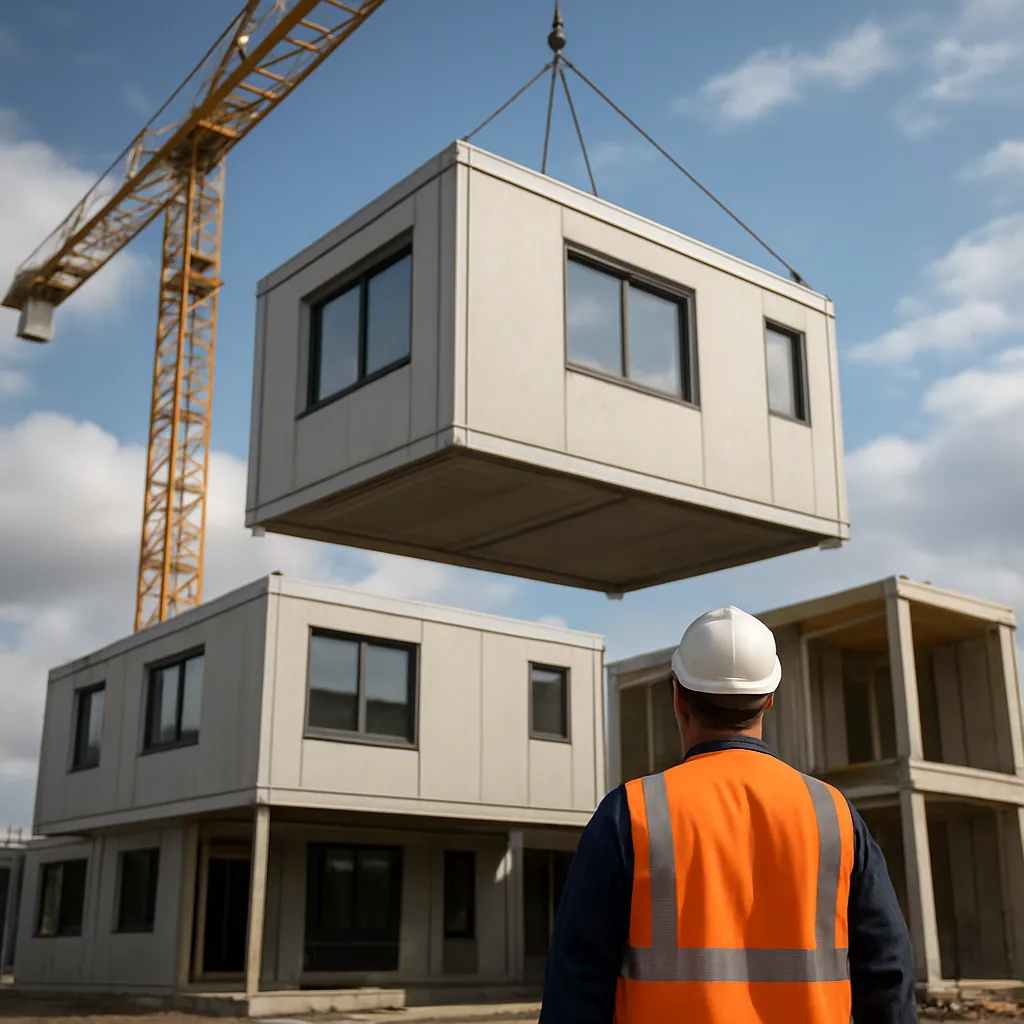
The evolution of urban landscapes is being reshaped by the rise of modular construction, where **efficiency** and **flexibility** converge to redefine the very fabric of futuristic architecture. As cities demand faster build times, sustainable materials, and adaptive design, modular systems emerge as the linchpin for a transformative era. This exploration delves into how intelligent integration, advanced materials, automation, and dynamic design principles are forging the next generation of built environments.
Modular Construction in the Age of Smart Cities
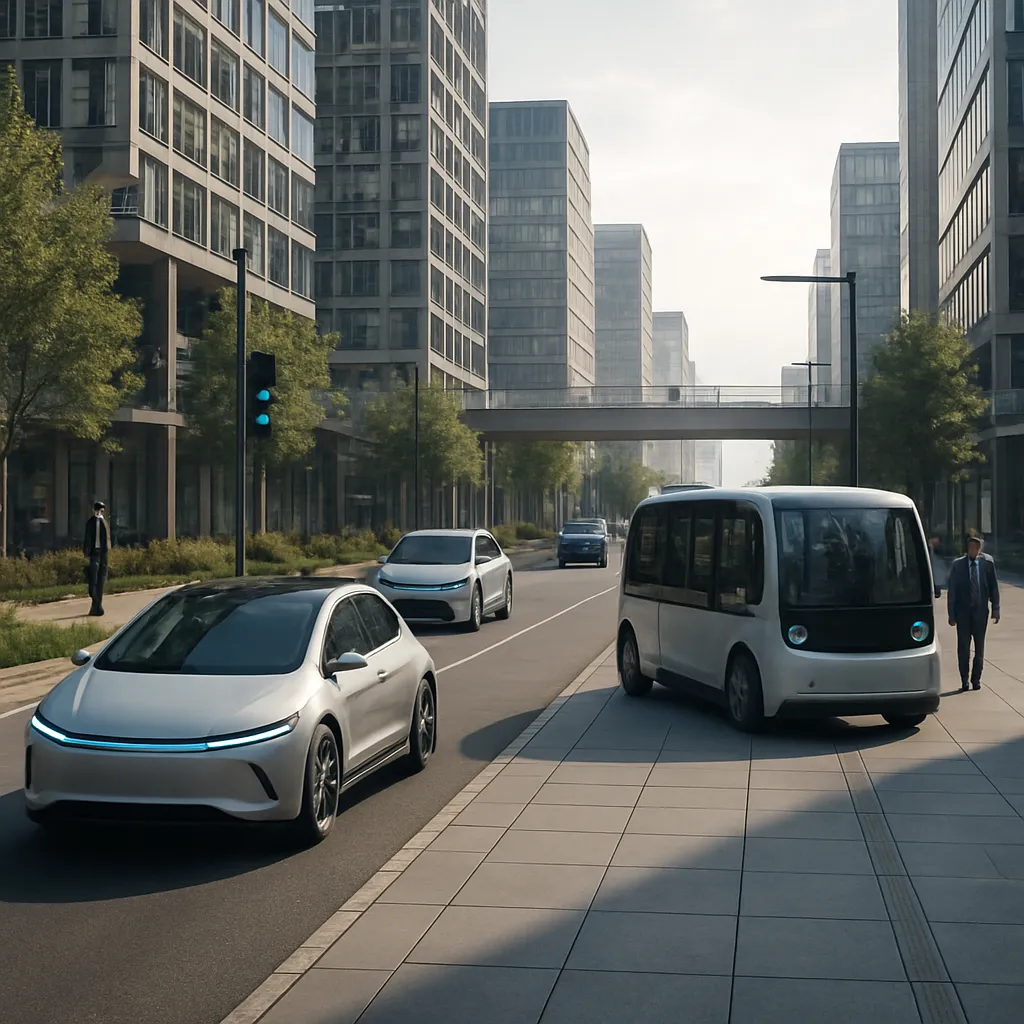
Smart cities thrive on connectivity, data-driven decision-making, and seamless resource management. **Modular** buildings, assembled from prefabricated units, dovetail perfectly with this high-tech vision. Each module can be equipped with embedded sensors and IoT-enabled devices, creating a digital nervous system that monitors everything from energy consumption to structural health in real time. Architects and engineers collaborate on a unified Building Information Modeling (BIM) platform, ensuring each component aligns with the overarching urban network.
- Integration with citywide data: Modules communicate with traffic management, public transit schedules, and utility grids.
- Rapid deployment: Entire housing blocks can be erected in weeks, reducing construction timelines by up to 60%.
- Scalability: Modules can be stacked vertically or arranged horizontally to meet changing demands, such as emergency shelters or pop-up clinics.
By uniting modular techniques with AI-driven analytics, smart cities gain the ability to dynamically allocate resources. For instance, occupancy sensors in a modular office tower can signal HVAC systems to optimize energy use. This level of **automation** elevates building performance and contributes to a city’s overall resilience.
Advanced Materials and Sustainable Practices
The future of construction hinges on eco-friendly innovations that minimize environmental impact while maximizing durability. Recent breakthroughs in material science have introduced a new palette for modular architects:
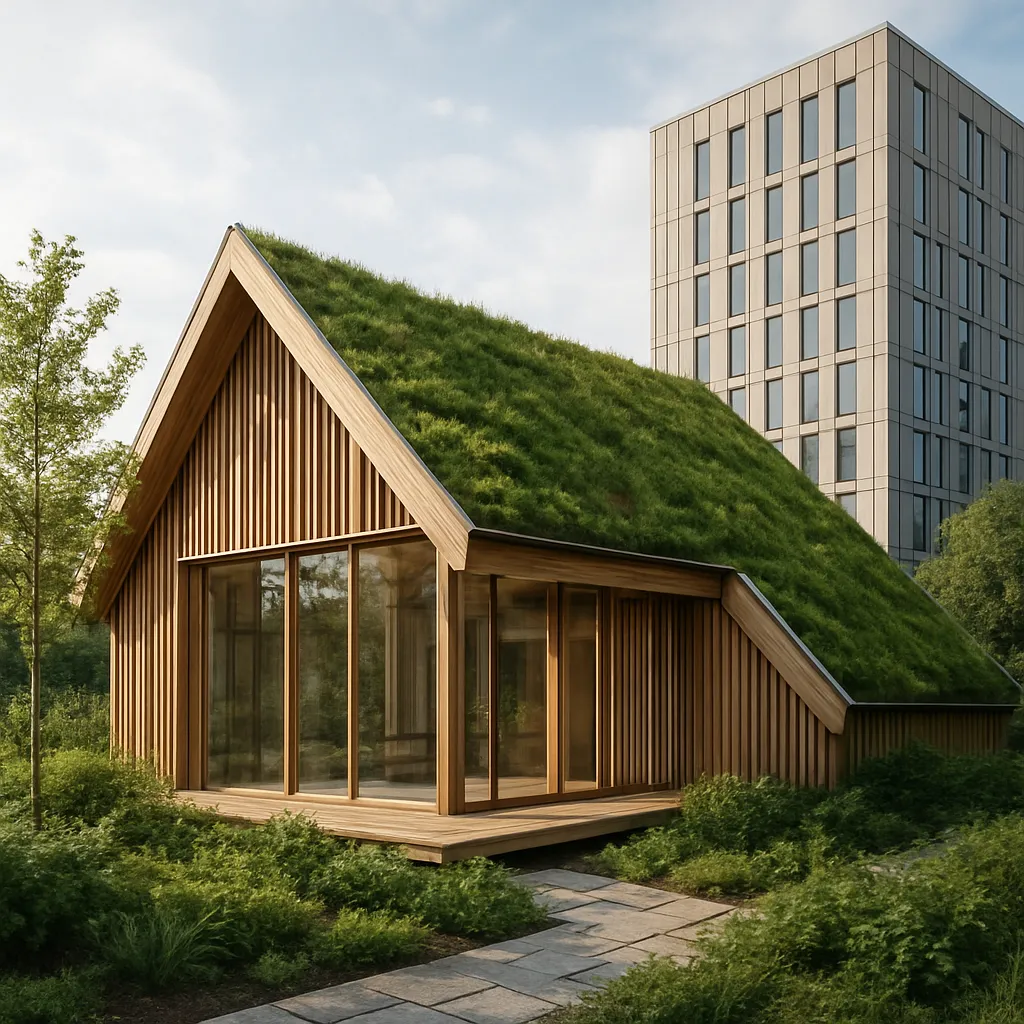
- Sustainable mass timber: Engineered wood panels store carbon and offer a renewable alternative to concrete.
- 3D-printed geopolymer concrete: Reduces CO2 emissions and allows for intricate geometries with less waste.
- Graphene-infused composites: Impart exceptional strength and conductivity, enabling slender, lightweight modules.
- Self-healing polymers: Contain microcapsules that release repair agents when cracks form, extending module lifespans.
Incorporating these materials into prefabricated modules transforms them into **biophilic** havens. Green walls, rooftop gardens, and ventilated facades can be integrated seamlessly during factory assembly. By prioritizing low-carbon manufacturing processes and renewable energy sources within fabrication plants, developers achieve a circular construction economy. Life-cycle assessments inform material selection, ensuring each module adheres to rigorous environmental standards.
Automation, Robotics, and On-site Assembly
The shift from traditional construction sites to advanced factories heralds an era of unprecedented productivity. Autonomous guided vehicles (AGVs) transport modules across assembly lines, while robotic arms perform precision welding, fastening, and finishing tasks. This assembly-line approach mirrors the automotive industry, reducing human error and accelerating module completion.
Once modules arrive on site, a fleet of drones can conduct topographic surveys and assist crane operators. Exoskeleton suits enable workers to handle bulky units safely, minimizing physical strain. Key benefits include:
- 24/7 production: Controlled environments are immune to weather delays.
- Quality assurance: Computer vision systems inspect each joint and seal for compliance.
- Cost reduction: Labor-intensive tasks are delegated to machines, lowering overall expenses.
This level of mechanized **precision** ensures modules fit together like building blocks, achieving airtight seals and exact alignments. As robotics evolve, fully autonomous on-site assembly may become standard, further shrinking construction timelines and enhancing worker safety.
Design Flexibility and Adaptability for Future Needs
One of the core strengths of modular architecture lies in its inherent **flexibility**. Standardized connection points and universal interfaces allow modules to be reconfigured, expanded, or relocated with minimal disruption. Consider the following scenarios:
- Transforming a residential tower into a mixed-use complex by replacing certain modules with co-working or retail units.
- Adapting a school building to changing enrollment numbers by adding or removing classroom pods.
- Rapidly deploying healthcare facilities in response to public health emergencies, then repurposing them as community centers.
Digital twins—virtual replicas of physical structures—play a critical role in this adaptive cycle. Urban planners and architects can simulate traffic flow, energy consumption, and spatial usage before implementing module shifts. With AI-driven algorithms, each module’s interior layout, lighting scheme, and climate control settings can be customized on demand, fostering bespoke environments tailored to occupant preferences.
Moreover, as remote work and hybrid lifestyles become entrenched, modular homes integrate multi-functional modules that transition seamlessly between office, gym, and entertainment spaces. This **customization** ensures that every square foot delivers maximum value, catering to evolving social behaviors.
Challenges and the Road Ahead
Despite its promise, modular construction faces several obstacles. Standardization can conflict with distinctive architectural expression, requiring designers to develop new aesthetic languages. Regulatory frameworks often lag behind technological advances, leading to permitting delays. Supply chain disruptions can stall factory production, while initial capital expenditure for automated facilities remains high.
Yet, industry stakeholders are forging solutions. Collaborative platforms unite manufacturers, software developers, and local authorities to streamline codes and certification processes. Investment in modular research hubs accelerates material innovations and robotic systems. Public-private partnerships subsidize pilot projects in emerging markets, demonstrating scalability and economic viability.
The convergence of **prefabrication**, IoT integration, and next-gen materials signals a transformative shift in how we conceptualize and construct buildings. As these modular ecosystems expand, they promise to deliver resilient, sustainable, and adaptive spaces that respond intelligently to the needs of tomorrow’s inhabitants.