


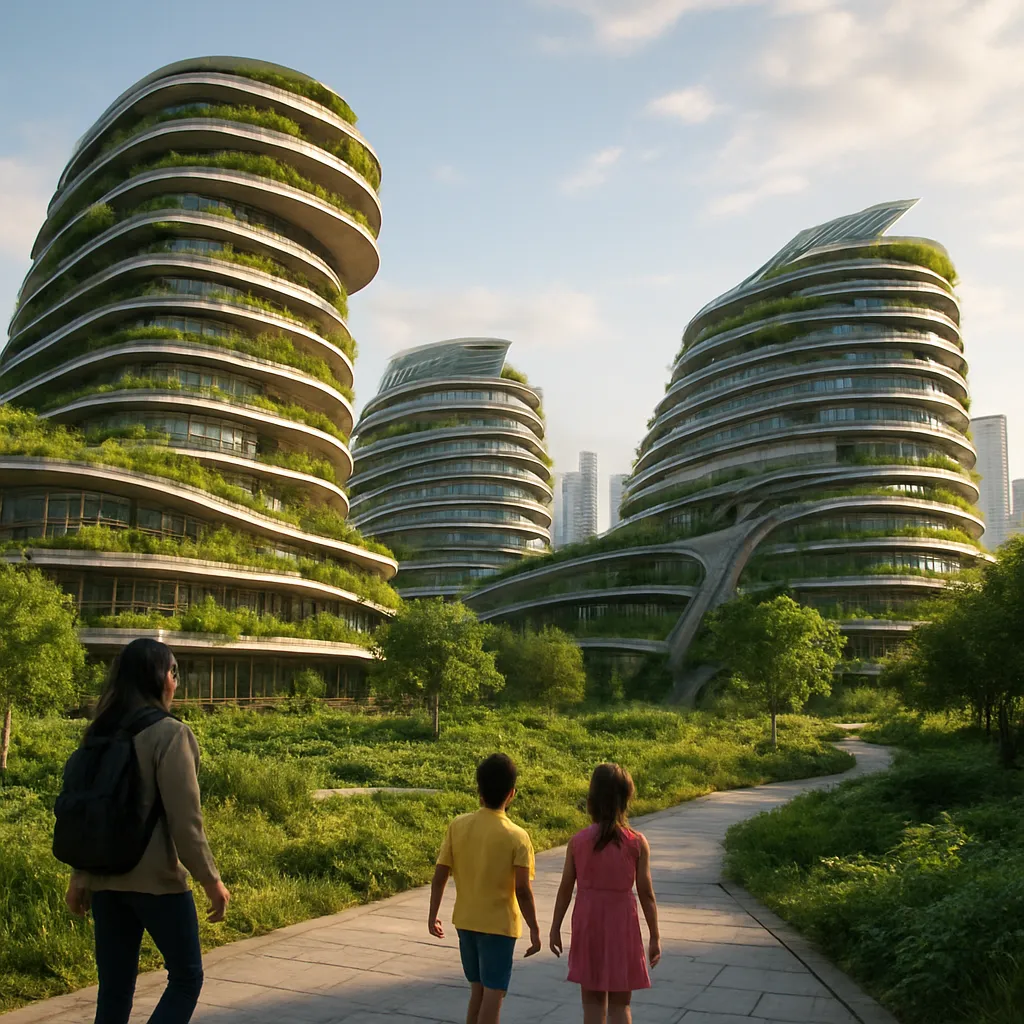
The expanding divide between those with reliable access to power and the millions still living in darkness underscores the urgent need for visionary approaches in the built environment. By harnessing cutting-edge design philosophies and emerging technologies, futuristic architecture aims to bridge this divide and bring sustainable comfort to underserved populations. The integration of adaptive structures, advanced materials, and decentralized energy systems promises to reshape the global landscape and confront energy poverty at its roots.
Emerging Paradigms in Futuristic Architecture
At the heart of the futuristic architecture movement lies a profound commitment to holistic sustainability. Architects and engineers are embracing concepts that extend beyond mere aesthetics, targeting the optimization of resource use, carbon footprint reduction, and community empowerment. These forward-thinking models hinge on a few key pillars:
- Modular construction techniques that facilitate rapid deployment and customization.
- Biomimetic approaches inspired by natural ecosystems to enhance ventilation, insulation, and resilience.
- Off-grid energy generation through microgrids fueled by renewable sources.
By weaving these elements together, designers strive to create buildings that are not only visually striking but also inherently efficient and socially inclusive.
Innovative Technologies Combating Energy Poverty
The arsenal of technologies available to futurists is vast and ever-evolving. Below, several breakthroughs are highlighted for their potential to transform the accessibility of clean power.
1. Solar-Integrated Building Materials
Imagine roofing tiles or glass facades that double as photovoltaic panels. Such solar-integrated materials can convert entire building envelopes into energy harvesters. Key advantages include:
- Distributed generation capacity directly on-site.
- Reduced transmission losses and grid dependence.
- Aesthetic coherence by embedding panels into design elements.
2. Energy-Generating Textiles
Smart fabrics embedded with piezoelectric or thermoelectric fibers capture ambient mechanical stress or temperature differentials. When applied to canopies, tents, and portable shelters, these textiles manifest as wearable power sources, ideal for disaster relief or remote settlements.
3. AI-Driven Energy Management
Advanced algorithms powered by artificial intelligence can analyze occupant behavior, weather forecasts, and system performance in real time. This intelligent orchestration of heating, cooling, and lighting ensures that every watt is used as effectively as possible. The result is a responsive environment that dynamically adjusts to conserve resources.
Case Studies of Visionary Designs
Concrete examples illustrate how futuristic architecture can uplift communities and alleviate energy poverty on multiple continents.
Ecodome Communal Housing (Sub-Saharan Africa)
This project features a cluster of domed units constructed from locally sourced compressed earth blocks. Each dome is topped with thin-film solar membranes and linked to a communal microgrid. Residents manage energy credits through a blockchain-based platform, fostering a sense of ownership and transparency.
Floating Solar Villages (Southeast Asia)
In flood-prone regions, floating platforms support pre-configured homes with integrated hydro turbines beneath. Coupled with flexible solar arrays, these villages offer resilience to climate-induced displacement, all while generating clean power.
Net-Zero Skyscraper Prototype (North America)
At the cutting edge of high-rise design, this prototype incorporates vertical wind turbines, high-performance glazing, and greywater recycling. The building’s exoskeleton features shading louvers controlled by AI to strike a balance between daylight access and thermal comfort.
Design Strategies for Social Equity
Bridging the gap in energy access requires more than technological prowess; it demands an ethos of equity and community engagement. Approaches to ensure fair distribution include:
- Participatory design workshops where locals shape their built environment.
- Tiered pricing models that subsidize initial installation costs for low-income households.
- Training programs to equip residents with skills for system maintenance.
- Public–private partnerships channeling investment into renewable infrastructure.
Challenges and Opportunities Ahead
Despite remarkable advances, obstacles remain. Supply chain constraints for advanced materials, the high upfront cost of R&D, and the inertia of conventional building codes can stymie progress. Yet these challenges also present fertile ground for innovation:
- Open-source design repositories to lower barriers to entry.
- Microfinancing solutions tailored to grassroots energy entrepreneurs.
- Policy frameworks incentivizing net-zero and carbon-positive developments.
By aligning policy, investment, and technical expertise, the architectural community can accelerate the deployment of futurescape projects that uplift the most vulnerable. This synergy will be pivotal in turning aspirational sketches into lived realities, thereby dismantling the stronghold of energy poverty and igniting a new era of built-environment resilience.