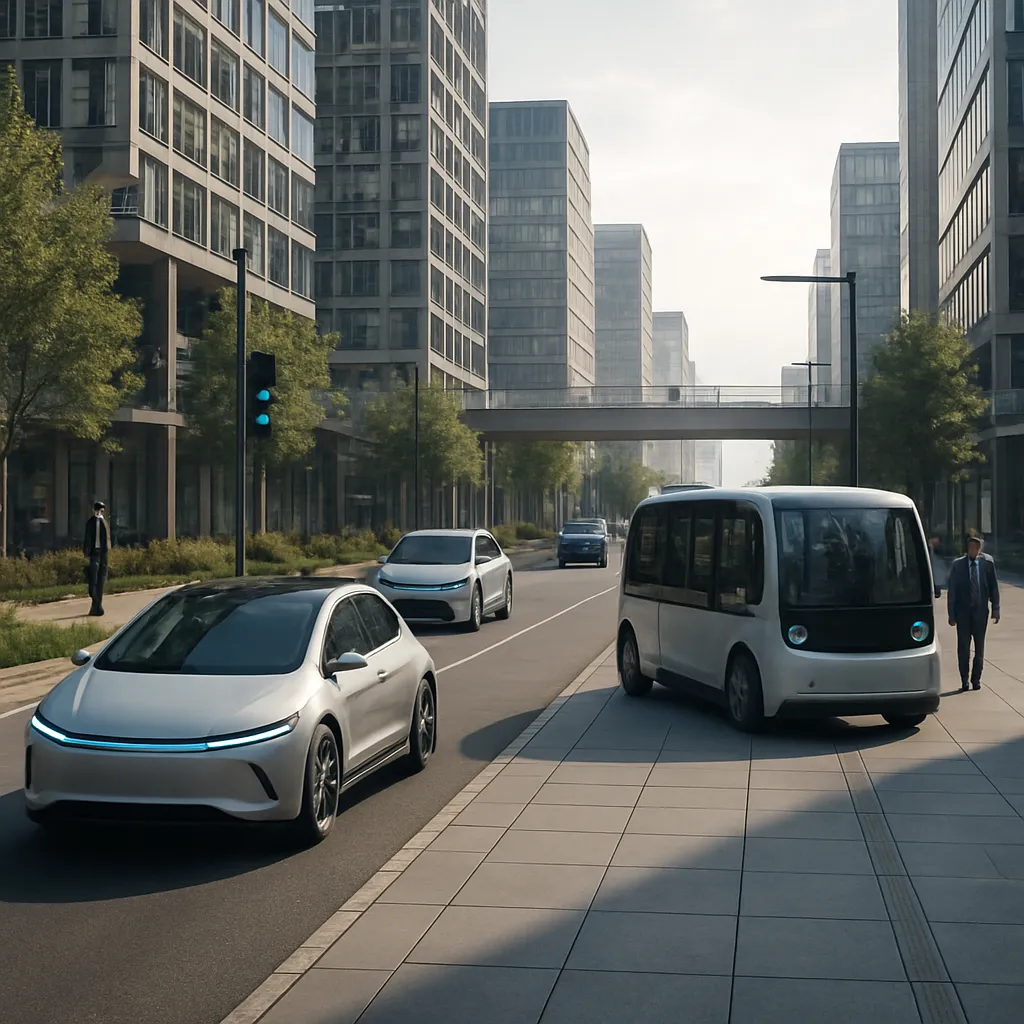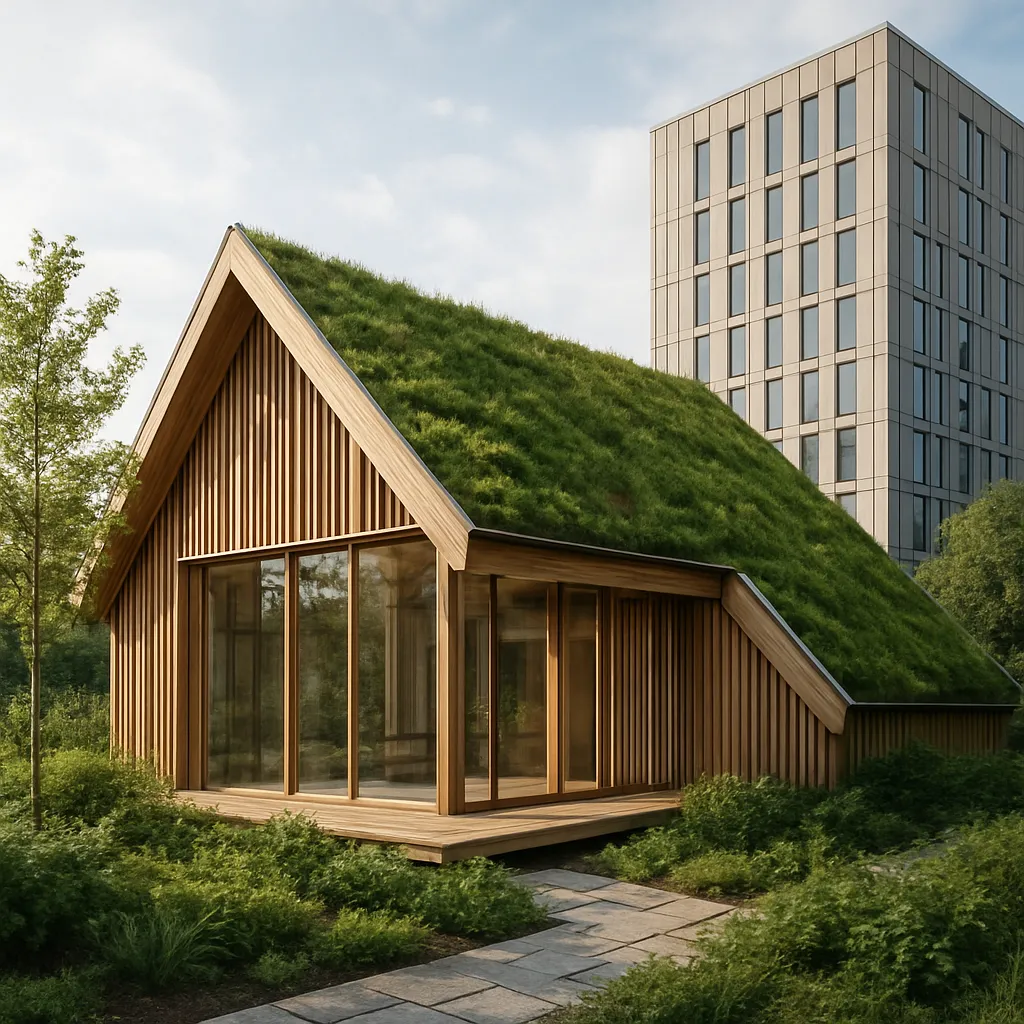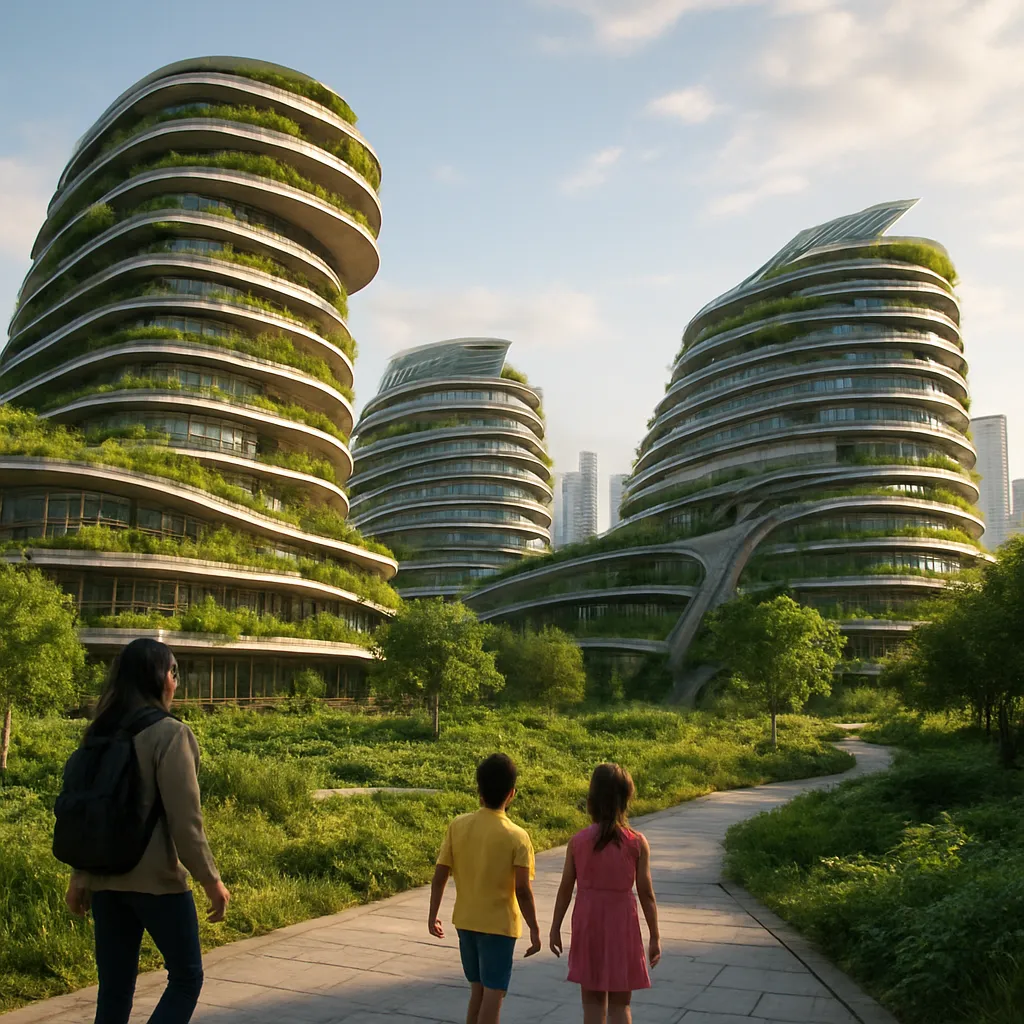


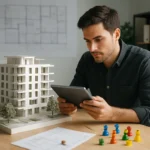
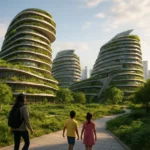




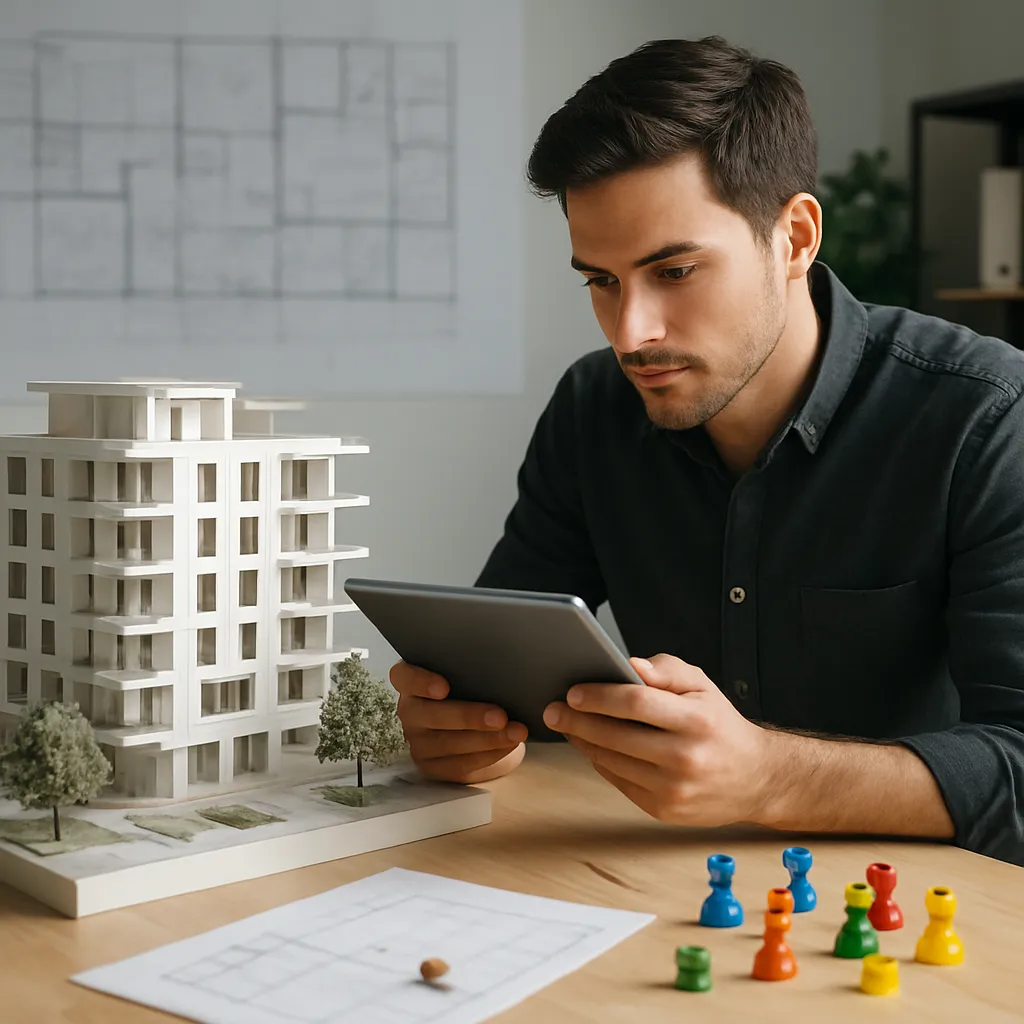
Architects and designers are increasingly exploring the convergence of entertainment and spatial creation. By integrating principles of gamification, futuristic architecture evolves beyond static forms into dynamic, responsive environments. This synergy fosters heightened engagement, deeper emotional connection, and unprecedented opportunities for sustainable growth. The following sections examine how game mechanics, digital simulation, and user-driven feedback loops are revolutionizing the built environment.
The Intersection of Gamification and Futuristic Vision
The core concept of gamification lies in borrowing elements from game design—such as points, challenges, and rewards—to motivate user participation. In the realm of futuristic landscapes, these elements facilitate a more intuitive exploration of complex spatial concepts. Architects can employ virtual prototypes to test the viability of radical geometries before committing resources to construction. Digital twins allow for continuous iteration, making the design process inherently adaptive and user-centric.
Key principles driving this intersection include:
- Interactivity – Designs respond to human behavior, offering real-time feedback loops.
- Simulation – High-fidelity virtual worlds model environmental impact and social dynamics.
- Engagement – Reward systems encourage stakeholders to participate in design workshops.
- Innovation – Creative risk-taking is supported by low-cost digital trial runs.
- Scalability – Modular building blocks can be rearranged like game levels to test new layouts.
By harnessing these principles, designers can envision megastructures that morph according to usage patterns. Imagine a concert hall that adapts seating arrangements as audience preferences shift, or a public plaza that dynamically transforms lighting and soundscapes based on crowd density. This dynamic approach yields environments that are not only visually striking but also remarkably efficient.
Designing Immersive Environments through Game Mechanics
While traditional architecture emphasizes static form, a gamified methodology prioritizes experience. Players—whether residents, tourists, or office workers—interact with architectural elements as if navigating a richly detailed game world. Augmented reality (AR) markers embedded in building façades guide visitors on thematic quests, revealing hidden histories or architectural trivia. Virtual reality (VR) pods located in lobbies enable remote stakeholders to walkthrough unbuilt designs.
Incorporating Reward Systems
Reward systems are instrumental in maintaining long-term engagement. Points, badges, or unlockable content can be integrated into public infrastructure projects to encourage civic participation. For instance:
- Users earn digital badges by contributing ideas to community-driven design forums.
- Citizens vote on sustainable materials choices, unlocking public recognition upon completion.
- Interactive kiosks in plazas offer scavenger hunts that teach local history.
Such mechanisms cultivate a sense of ownership and encourage ongoing dialogue between architects and end users.
Adaptive Lighting and Soundscapes
Imagine an office tower where hallway lighting shifts hues in response to collective mood metrics gathered through wearable devices. Soundscapes adapt seamlessly, creating a dynamic auditory background that enhances productivity. These features are not mere gimmicks; they demonstrate how interactivity can amplify well-being and performance.
Data-Driven Iteration
Sensors embedded within structures collect data on movement, air quality, and energy consumption. Game-inspired dashboards visualize these metrics in real time, encouraging stakeholders to compete for the title of “most sustainable floor.” Leaderboards foster healthy competition, driving down waste and improving overall efficiency.
Case Studies and Emerging Trends
Several pioneering projects illustrate the transformative potential of gamification in architecture. In Asia, a municipal government created an AR-enhanced pedestrian district. Citizens unlock exclusive virtual treasures by scanning QR codes on façades, fostering both tourism and local business. In the Middle East, a futuristic campus deploys AI-driven avatars to guide new students through modular building blocks, earning campus currency for completing orientation challenges.
Urban Planning as a Multiplayer Game
Large-scale urban planning can be reconceived as a collaborative multiplayer platform. Stakeholders log in to virtual city models to propose changes. Each proposal undergoes simulated stress tests—traffic flow, energy load, waste disposal—before being voted on by the community. This approach ensures transparent decision-making, with participants motivated by engagement metrics and social recognition.
Sustainability through Play
Gamified sustainability encourages users to reduce carbon footprints via playful nudges. Smart waste bins track recycling rates, awarding public spaces with digital art projections for high compliance. Solar panel arrays on rooftops feature interactive dashboards where neighbors compete for energy savings, reinforcing sustainability goals through innovation and friendly rivalry.
Future Directions
Looking ahead, blockchain technology promises secure, gamified property management systems. Ownership tokens can be traded like collectible cards, enabling fractional real estate investments. AI-driven procedural design will generate endless architectural variants, unlocking modularity and bespoke environments tailored to individual preferences. The concept of the city itself may evolve into a living game world—fully connected, endlessly adaptable, and deeply immersive.
Embracing this paradigm requires architects to develop fluency in game dynamics and digital ecosystems. Collaboration with game designers, data analysts, and behavioral psychologists will be essential. The resulting synergy will produce built environments that feel less like static structures and more like responsive, thriving ecosystems—where every participant, from developer to pedestrian, becomes an active player in shaping the future.