








As cities evolve into dynamic ecosystems of glass-clad skyscrapers and organic, bio-inspired structures, the marriage of quantum physics with built environments reshapes how architects and engineers approach monitoring and maintenance. When ultra-sensitive sensors tap into the subatomic realm, they unlock unprecedented levels of precision that redefine safety, performance, and the very life cycle of structures. By harnessing entanglement, superconductivity, and other emergent phenomena, futuristic buildings transition from static monuments to intelligent, adaptive organisms.
Quantum Sensing Technologies and Their Architectural Applications
At the heart of every smart structure lies a network of devices designed to capture and analyze environmental variables. Conventional technologies—such as strain gauges, accelerometers, and fiber-optic sensors—have served well in recent decades. However, the introduction of quantum sensors represents a paradigm shift. These devices exploit the minute fluctuations of quantum states, delivering sensitivity levels orders of magnitude beyond classical instruments.
Superconducting Quantum Interference Devices (SQUIDs)
SQUIDs leverage superconducting loops to detect changes in magnetic fields with extreme accuracy. Integrated into foundation slabs and support beams, they can:
- Monitor torsional stresses induced by wind and seismic events
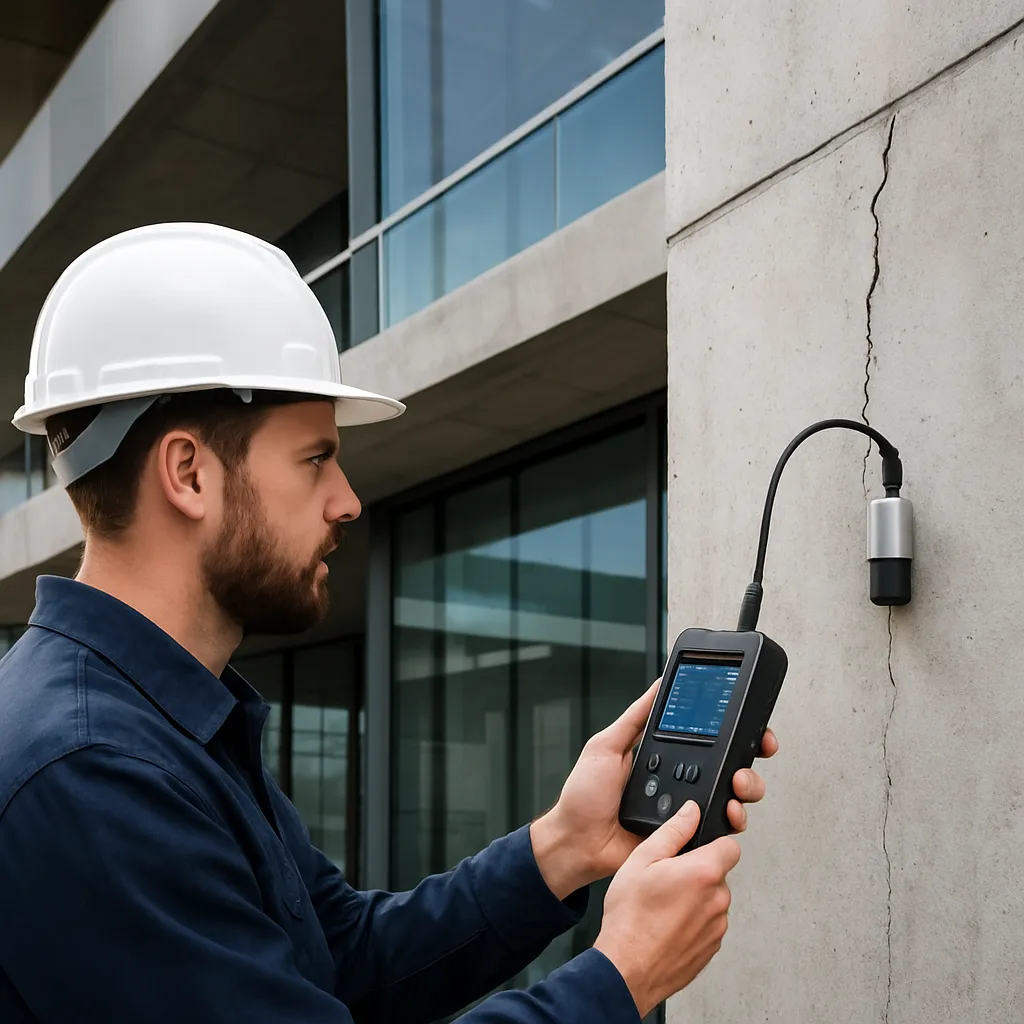
- Detect microfractures before they propagate into critical failures
- Provide real-time mapping of load distribution across a structure
Quantum Diamond Sensors
Based on nitrogen-vacancy centers in diamond, these sensors reveal variations in temperature and pressure at the nanoscale. When embedded into composite materials or concrete matrices, they enable:
- Early warning of thermal expansion issues in ultra-tall buildings
- Continuous tracking of moisture ingress that might corrode reinforcement
- Detailed profiling of stress hotspots within complex geometries
Real-Time Structural Monitoring in Futuristic Buildings
Imagine a living tower that anticipates its own maintenance needs and dynamically adjusts its behavior. By combining quantum sensor arrays with AI-driven analytics, architects can achieve a level of proactivity previously relegated to science fiction. This real-time monitoring ecosystem transforms every façade panel, load-bearing column, and suspension cable into a data-generating node.
Adaptive Load Redistribution
When sensors detect shifts in weight or abnormal vibrations, actuators embedded within the frame can redistribute forces across other elements. Benefits include:
- Prevention of localized fatigue cracks
- Enhanced occupant comfort during high winds or minor tremors
- Optimized energy consumption by dynamically tuning damping systems
Self-Healing Materials and Quantum Feedback
Emerging composite materials can autonomously seal microcracks using embedded microcapsules or mineral growth mechanisms. By feeding quantum-derived data into the material’s control logic, self-healing processes become:
- Precisely timed to address stress before it escalates
- Energy-efficient, since interventions occur only when needed
- Capable of reporting health status through interconnected networks
Integration of Quantum Data with Smart City Infrastructures
Futuristic architecture does not exist in isolation. Buildings become nodes in an expansive urban fabric, exchanging data that informs traffic systems, energy grids, and environmental controls. A quantum-enhanced structure might communicate seismic insights to neighboring foundations, prompting them to adjust their base isolators. Public transit hubs could leverage building vibration signatures to fine-tune train schedules and improve passenger flow.
Cross-Building Collaboration
When structures share real-time vibration and strain patterns, entire districts can coordinate responses to natural hazards. This collaborative approach yields:
- Reduced downtime after earthquakes by synchronizing emergency protocols
- Improved resilience in interconnected transportation networks
- Enhanced predictive maintenance for public utilities
Energy and Carbon Optimization
Quantum sensor-derived insights into building envelope performance can drive ultra-efficient climate control. By feeding temperature gradients and humidity fluctuations into district-scale AI, cities can achieve:
- Dynamic zoning for heating and cooling that minimizes waste
- Integration of renewable sources based on real-time demand
- Lower carbon footprints through holistic energy management
Challenges and Prospects for Quantum-Enhanced Architecture
Despite its promise, the deployment of quantum sensors in building monitoring faces hurdles. These include the need for cryogenic cooling, the complexity of signal isolation, and the integration of quantum outputs with existing IT frameworks. Overcoming these challenges demands interdisciplinary collaboration and robust standardization efforts.
Technical Barriers
- Cryogenic systems required for superconducting devices add weight and complexity
- Ultralow-noise environments may necessitate new shielding materials
- Calibration protocols must evolve to account for quantum decoherence
Standards and Regulatory Frameworks
- Uniform guidelines for sensor placement and performance metrics
- Data privacy concerns when sharing real-time structural insights
- Certification pathways that balance safety with innovation
Future Directions
Research into room-temperature quantum devices and integrated photonic circuits may soon eliminate the need for bulky cooling systems. Advances in machine learning will further refine the interpretation of complex quantum signals, enhancing precision and reducing false positives. As blockchain or distributed ledger technologies secure transmitted data, the integration of quantum insights into city-wide control loops will accelerate. Ultimately, these developments will foster more resiliency and drive unparalleled levels of sustainability in urban landscapes.