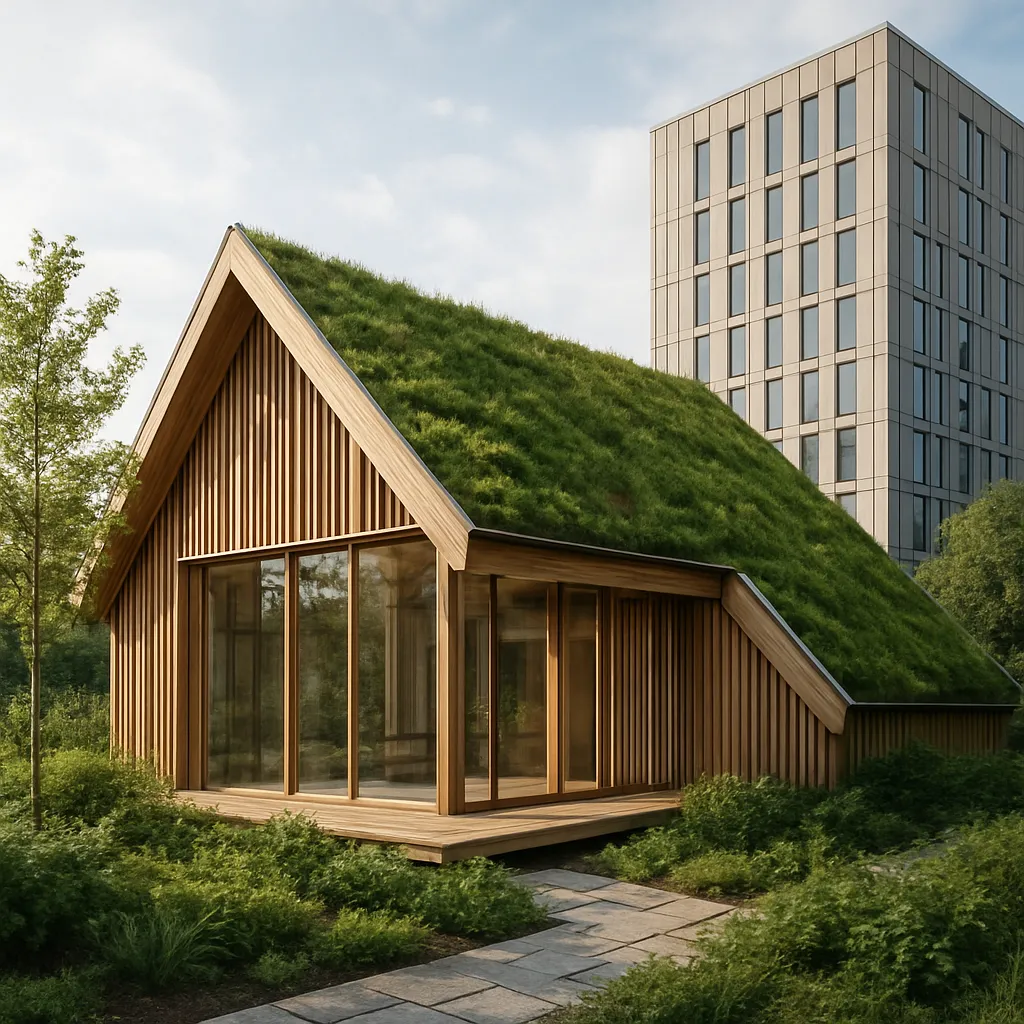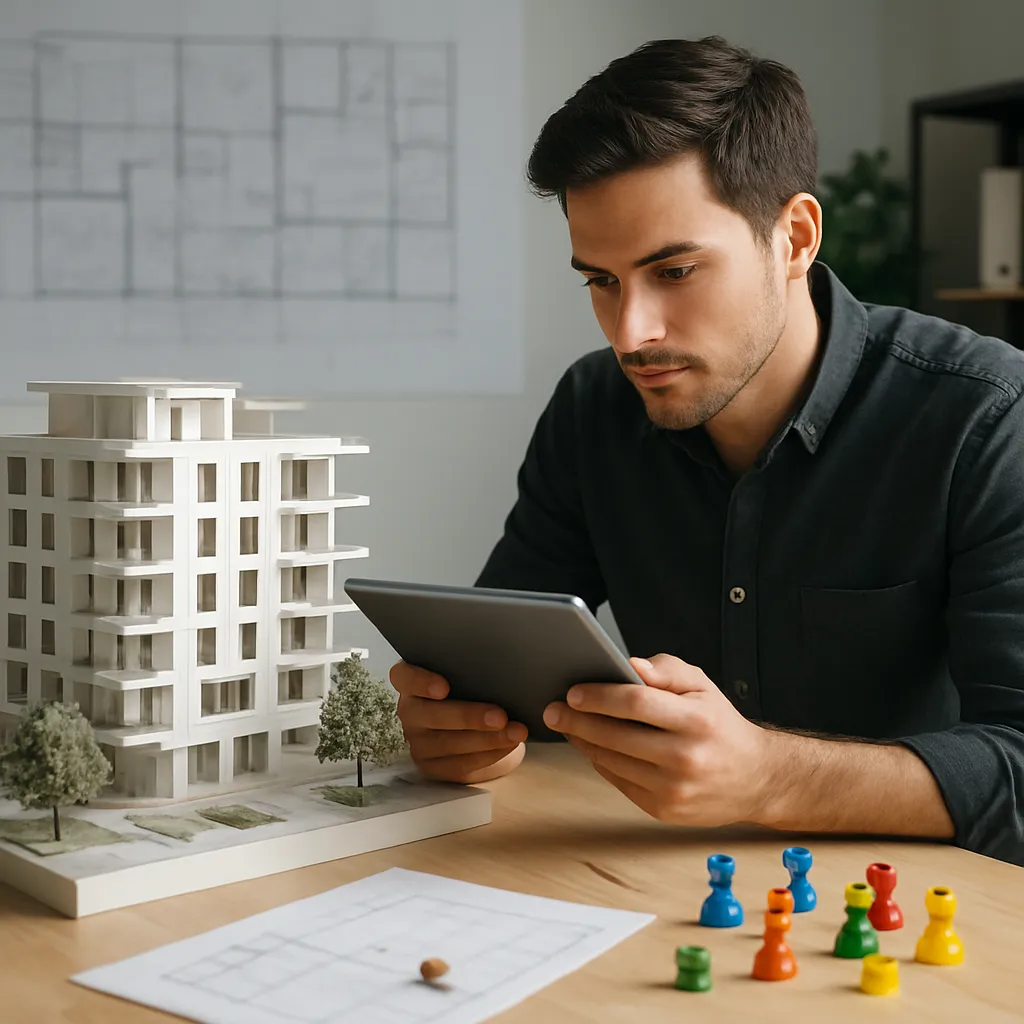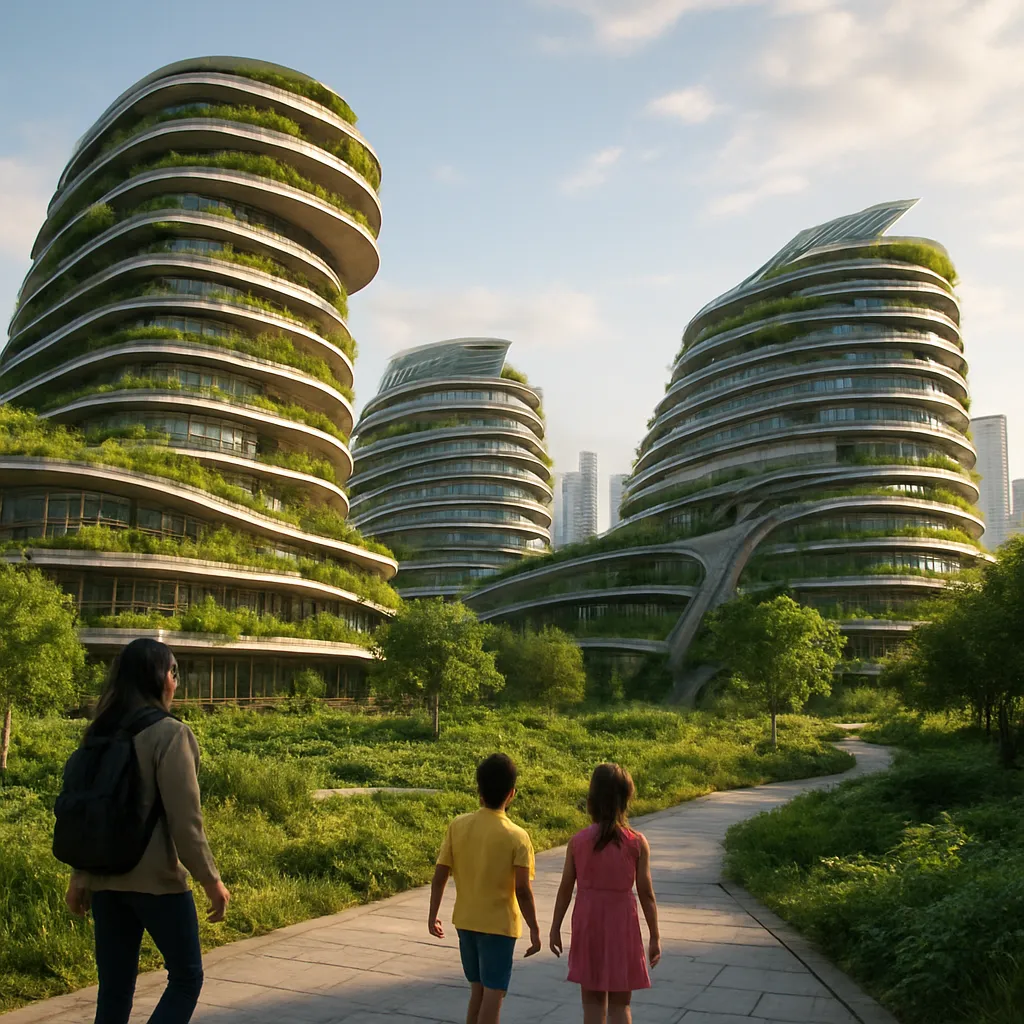





Urban environments are witnessing a radical transformation as emerging technologies reshape traditional planning paradigms. The fusion of advanced artificial intelligence and robotic systems heralds a new era in which buildings and public spaces adapt dynamically to human needs. The concept of futuristic architecture transcends mere aesthetics, embracing automation and efficiency while addressing pressing concerns like environmental impact, social equity, and resource scarcity. This exploration focuses on four critical dimensions: the convergence of AI and robotics in urban planning, the rise of smart materials and adaptive structures, the integration of autonomous mobility networks, and the social implications of designing sustainable, resilient cities.
Convergence of AI and Robotics in Urban Planning
The integration of robotics and machine learning into the design process empowers architects to create living structures that continuously learn from their surroundings. Generative design algorithms analyze vast datasets—from traffic flows to energy consumption patterns—to optimize spatial layouts and building orientations. As a result, facades may adjust transparency in real time, and interior modules reconfigure themselves according to occupancy rates or environmental cues.
Key advancements include:
- AI-driven simulations that predict long-term urban growth, allowing planners to anticipate infrastructure demands decades in advance.
- Collaborative robotic platforms that construct modular units with incredible precision, reducing waste and accelerating project timelines.
- Machine vision systems embedded in construction drones, monitoring quality control and ensuring compliance with design specifications.
- Digital twins—high-fidelity virtual replicas of entire neighborhoods—enabling stakeholders to test scenarios and mitigate potential risks before ground is even broken.
By harnessing these technologies, city planners can strike a balance between form and function, delivering environments that are not only visually striking but also operationally robust. Collaboration among AI agents, human designers, and industrial robots redefines the workflow, shifting from linear execution toward a dynamic, iterative process where improvements unfold in near real time.
Smart Materials and Adaptive Structures
Futuristic architecture increasingly relies on smart materials that respond to environmental stimuli. Shape-memory alloys, electrochromic glass, and self-healing concretes represent a new generation of building blocks capable of enhancing longevity while optimizing performance. These materials integrate embedded sensors and actuators that collect data on temperature, humidity, structural strain, and air quality, triggering automatic adjustments for ideal conditions.
Examples of adaptive components include:
- Living façades incorporating microbial biofilms that regulate air pollution and generate oxygen through photosynthesis.
- Thermochromic coatings that shift color to reflect or absorb heat based on external temperatures, reducing energy demands for climate control.
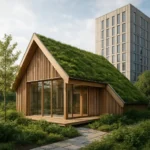
- Self-repairing membranes in roofing systems that seal micro-cracks via polymerization, extending service life and enhancing resilience.
- Programmable kinetic panels on building envelopes that open or close to modulate daylight, privacy, and natural ventilation.
These innovations contribute to a cityscape that thrives on adaptability. Structures evolve from static monuments into responsive organisms, capable of sensing occupant behavior and environmental shifts. This paradigm shift necessitates interdisciplinary expertise—materials science, data analytics, and environmental engineering converge to enable architecture that is both sustainable and remarkably intelligent.
Autonomous Mobility and Infrastructure Networks
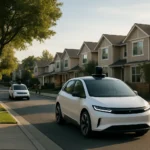
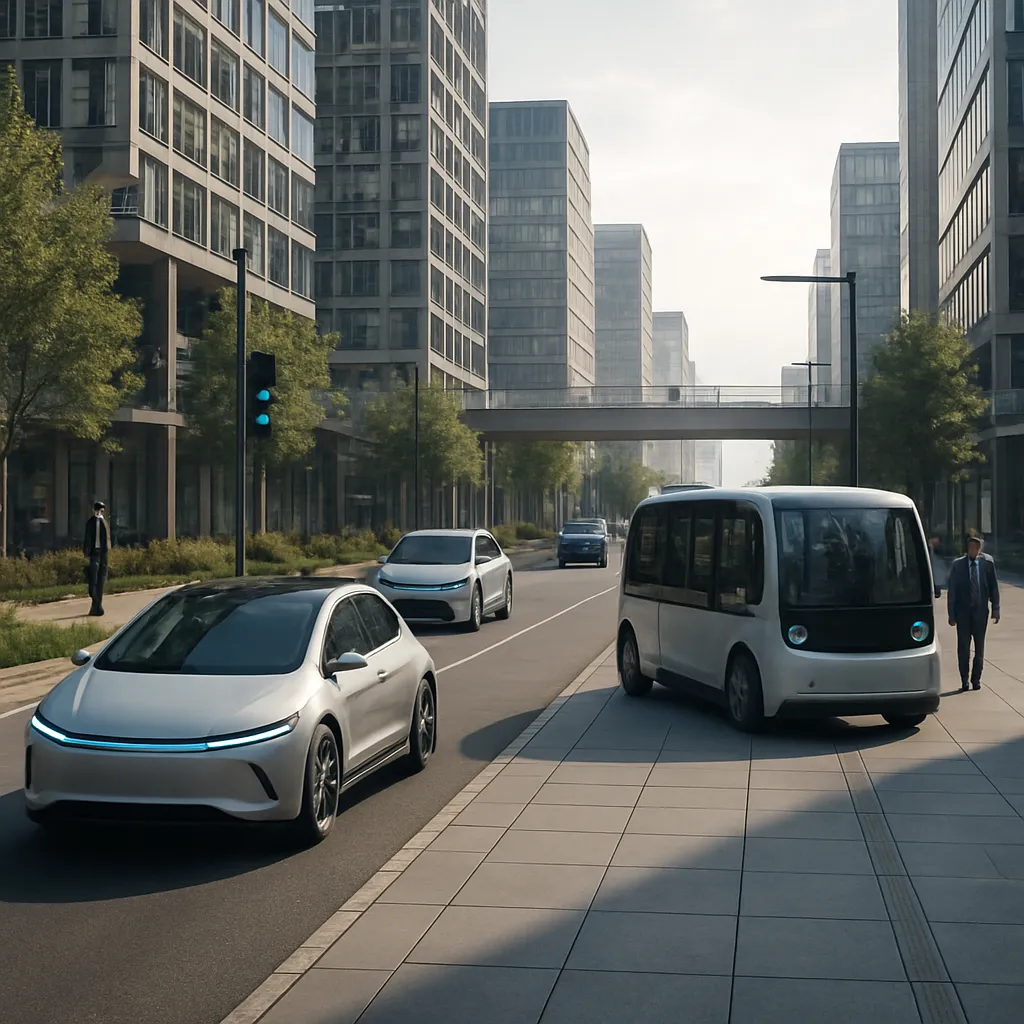
The future urban grid is defined by autonomous vehicles, aerial drones, and self-regulating transit corridors. Streetscapes transform as roads accommodate driverless cars that communicate with smart signals, optimizing traffic flow and minimizing congestion. Underpinning this revolution is a digital nervous system of distributed sensors and edge-computing nodes, orchestrating vehicle trajectories, pedestrian crossings, and emergency responses.
Core elements include:
- Multi-layered transit hubs that integrate underground hyperloops, elevated electric skates, and surface-level bike lanes into a seamless mobility ecosystem.
- Predictive maintenance networks wherein sensors embedded in bridge supports and tunnels alert authorities to structural anomalies before they escalate.
- Autonomous delivery drones that navigate pre-defined aerial corridors, reducing ground-level freight traffic and carbon emissions.
- Dynamic road markings projected by pavement-embedded LEDs, changing lane assignments and speed limits in response to real-time conditions.
By leveraging infrastructure as a living platform, cities can achieve unprecedented levels of efficiency. Energy grids synchronize with demand peaks, streetlights dim or brighten based on occupancy, and waste collection fleets operate on algorithmic schedules. The convergence of mobility and infrastructure not only enhances quality of life but also paves the way for equitable access to services across diverse urban districts.
Social Implications and Sustainable Futures
Architectural and technological ingenuity must be matched by thoughtful social frameworks to ensure that automated cities remain inclusive and equitable. Future districts should embed community rooftops, interactive public art installations, and flexible co-working spaces to foster collaboration and social cohesion. Digitally mediated participation platforms empower residents to vote on local improvements, shaping the evolution of their neighborhoods in real time.
Considerations for sustainable urbanization include:
- Energy-positive buildings that generate more power than they consume through integrated photovoltaics and bioreactors.
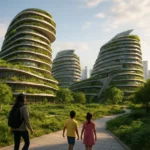
- Green corridors that link parks, urban farms, and wetlands, promoting biodiversity and mitigating heat island effects.
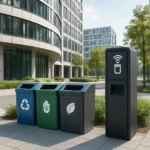
- Circular economy initiatives in which waste streams from one sector become raw materials for another, closing resource loops.
- Resilience planning that addresses climate-related risks—flood barriers with adaptive gates, buildings on stilts, and permeable pavements that absorb stormwater.
By prioritizing sustainability and social inclusion, cities can leverage technological progress without sacrificing human-centric values. The challenge lies in maintaining an equitable distribution of benefits, ensuring that both affluent districts and underserved communities gain from the advancements in design and infrastructure. Embracing diversity, promoting local culture, and nurturing civic engagement will define the success of architecture in the age of automation.