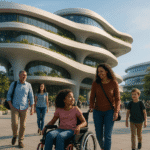
In a world where urban landscapes evolve at breakneck speed, architects and planners envision a future where built environments transcend static form. The concept of responsive cities goes beyond mere aesthetics, embracing dynamic networks and adaptive systems that foster meaningful interaction between structures and their inhabitants. By weaving together principles of sustainability, technology, and human-centered design, these forward-thinking models aim to create urban realms that truly communicate with citizens.
Smart Infrastructure and Sensor Networks
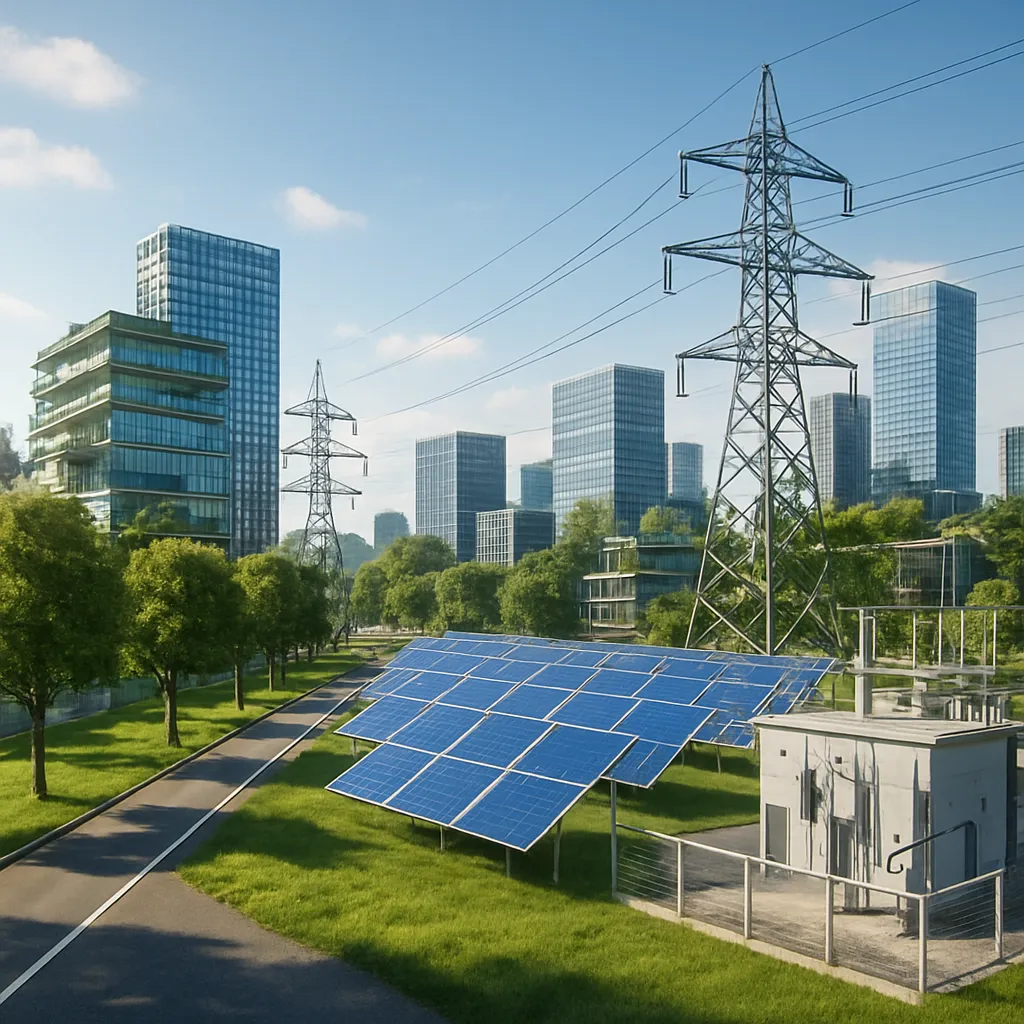
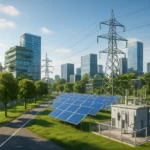
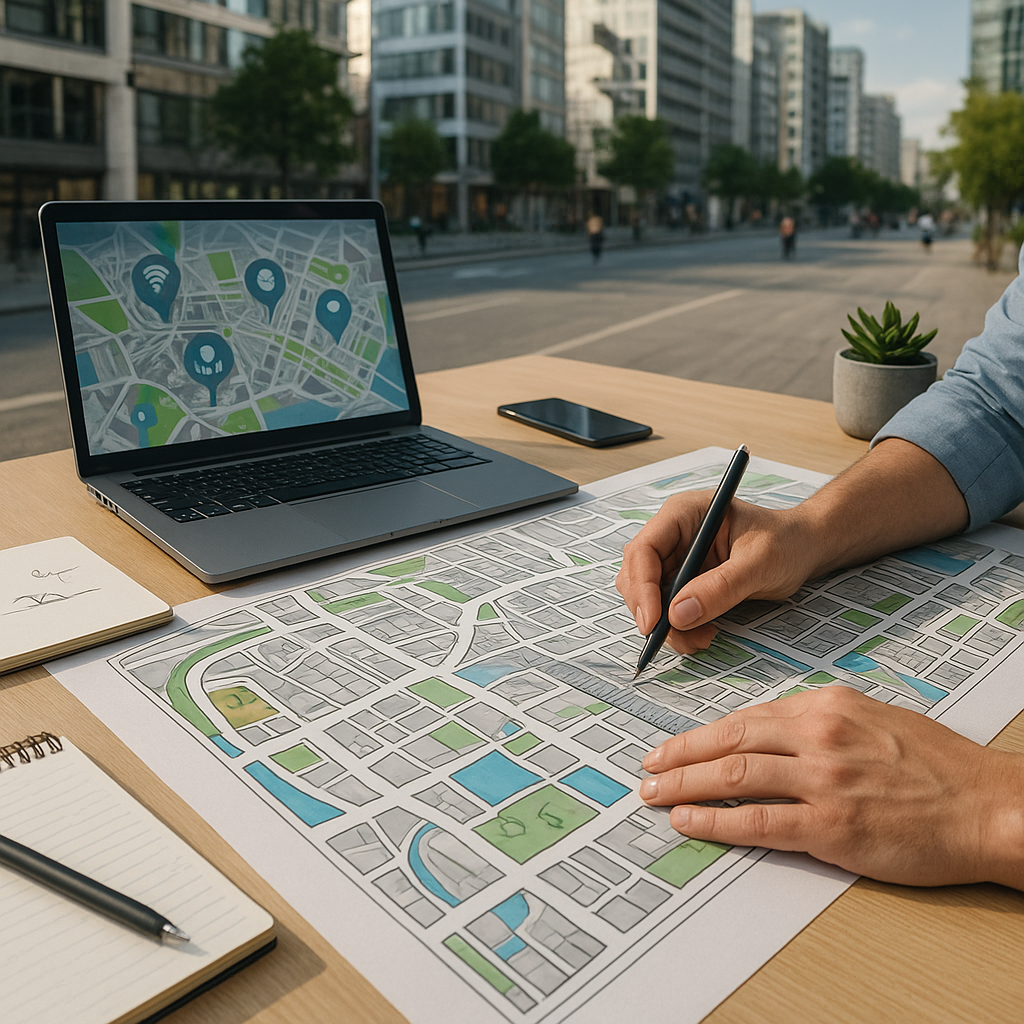
The foundation of any futuristic metropolis lies in its underlying infrastructure. By integrating sensor networks into roads, bridges, and public spaces, cities can continuously monitor environmental conditions, traffic flows, and resource consumption. These embedded systems enable real-time data analysis, allowing municipal authorities and residents to make informed decisions.
Real-Time Monitoring
- Connectivity: High-speed networks link sensors and devices, creating a seamless mesh of information.
- Adaptive lighting systems that adjust brightness according to pedestrian presence, reducing energy waste.
- Water management grids that detect leaks and optimize distribution to prevent shortages.
Predictive Maintenance
By feeding sensor data into AI-driven analytics, cities can anticipate infrastructure failures before they occur. This AI-driven approach drastically reduces repair costs and minimizes disruptions. Maintenance crews receive alerts highlighting specific locations and root causes, ensuring swift, targeted interventions.
Biophilic Integration and Green Spaces
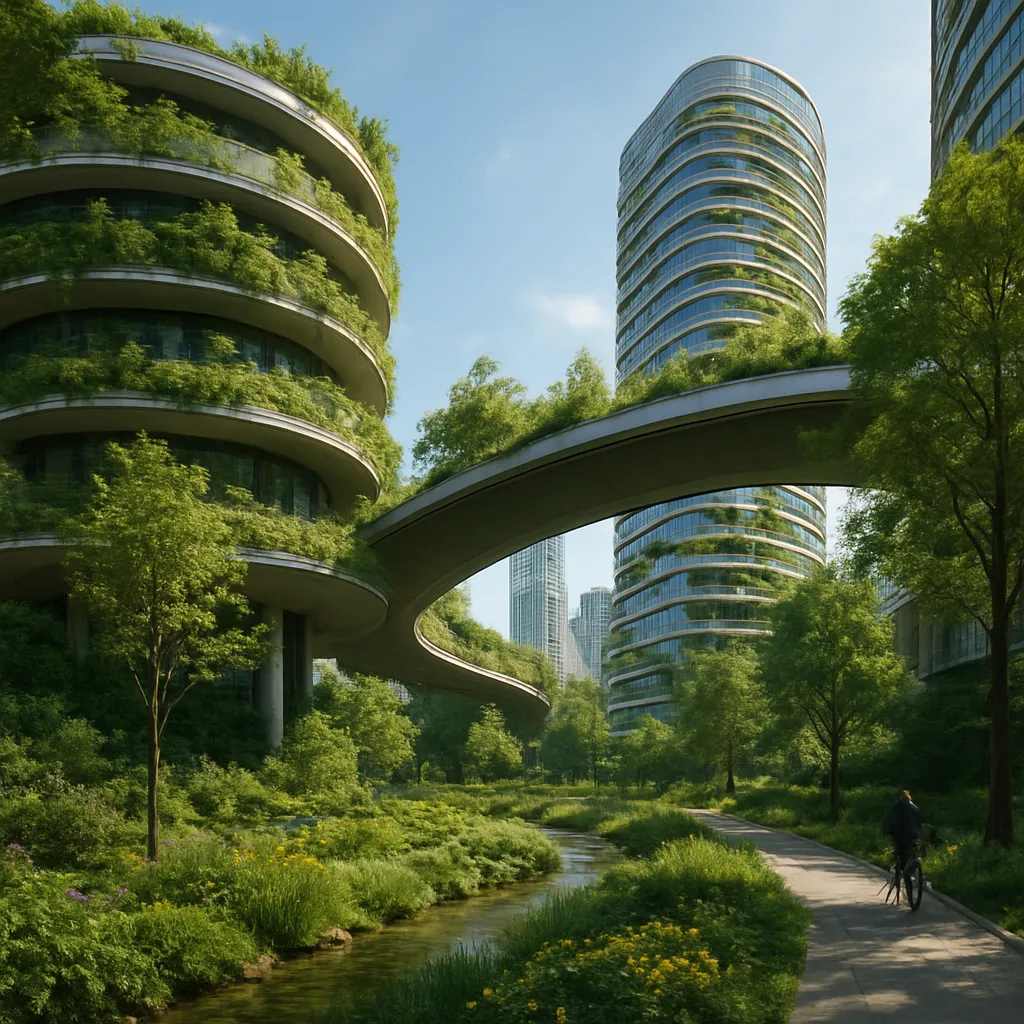
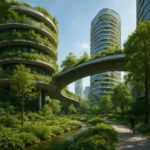
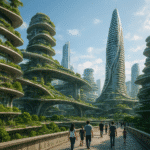
Envision urban districts where verdant elements flow seamlessly with concrete and steel. The biophilic philosophy champions the reintroduction of nature into densely built environments, acknowledging humanity’s intrinsic connection to the natural world.
Vertical Forests and Living Facades
Skyscrapers transform into towering ecosystems through the use of modularity-based planters attached to building exteriors. Trees, shrubs, and climbers absorb CO2, filter pollutants, and offer habitat for local wildlife. The visual impact of these lush walls also promotes psychological well-being among city-dwellers.
Interactive Green Corridors
- Pathways infused with solar-powered lighting and interactive kiosks displaying air quality data.
- Smart benches that can charge devices using kinetic energy harvested from footsteps.
- Playgrounds with responsive surfaces that change color with weather and foot traffic patterns.
Through these innovations, inhabitants engage directly with natural systems, fostering a sense of stewardship and environmental awareness.
Data Visualizations and Urban Ecosystems
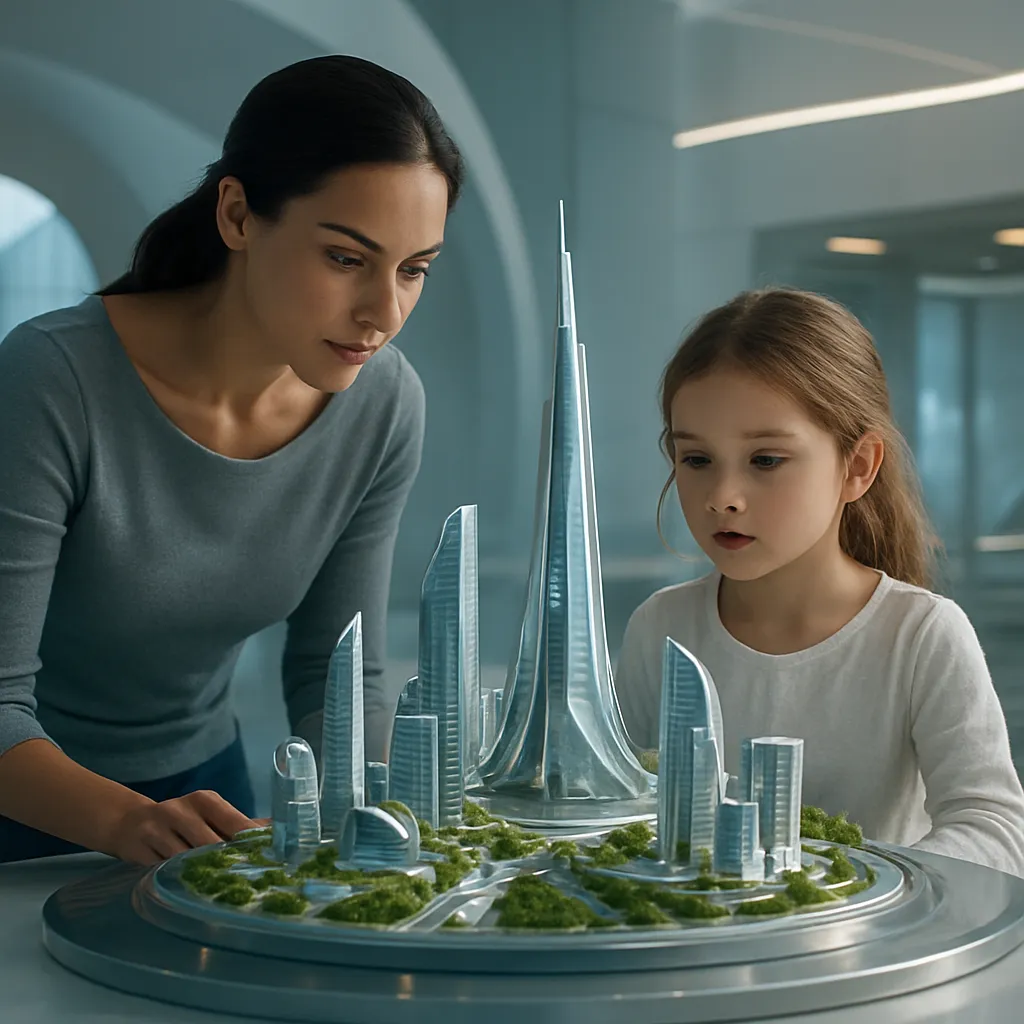
One of the most powerful tools in the futuristic architect’s toolkit is the transformation of raw data into intuitive graphic representations. By overlaying data visualizations on cityscapes—via augmented reality (AR) or embedded LEDs—residents can grasp complex patterns at a glance.
Augmented Reality Overlays
Smart glasses or smartphone apps enable users to point devices at buildings, instantly revealing energy consumption metrics, occupancy rates, and historical performance. This layer of contextual intelligence turns every block into an interactive dashboard.
Immersive Public Installations
- Immersive light sculptures that pulse in sync with real-time traffic density, offering an aesthetic measure of urban flow.
- Sound installations translating pollution levels into melodic patterns, making environmental data not just visible, but audible.
- Holographic displays in transit hubs depicting the city’s carbon footprint in various hues, encouraging greener travel choices.
Citizen Engagement and Participatory Platforms
For a city to truly communicate with its citizens, there must be bidirectional channels that invite feedback, collaboration, and co-creation. Futuristic urban frameworks champion decentralized governance through digital platforms.
Interactive Decision-Making
Mobile apps and public terminals allow residents to vote on neighborhood improvements, allocate micro-budgets for local projects, and propose policy changes. By democratizing urban planning, communities gain a direct stake in shaping their environment.
Collaborative Design Workshops
- Virtual reality studios where citizens can explore proposed developments at 1:1 scale before ground is broken.
- Open-source libraries of building modules enabling community-driven customization of public pavilions and pop-up structures.
- Hackathons bringing together architects, developers, and residents to prototype solutions for mobility, waste management, and social spaces.
Adaptive Mobility and Modular Transit
Futuristic cities reimagine transportation as fluid, on-demand, and environmentally sensitive. Systems are designed to blend seamlessly with urban fabric, responding to real-time needs.
On-Demand Pods and Drone Corridors
Autonomous pods ferry passengers through designated routes, while aerial corridors reserved for delivery drones relieve congestion at street level. Both networks rely on advanced urban ecosystems principles to maintain harmony between ground-based and airborne traffic.
Dynamic Infrastructure
- Road surfaces embedded with pneumatic actuators that raise or lower lanes based on congestion data.
- Reconfigurable bus stops equipped with expandable canopies, seating, and digital information panels that adapt to passenger volumes.
- Pop-up bike lanes that deploy through pneumatic tubes during rush hours, ensuring safe cycling corridors.
Conclusion of the Path Forward
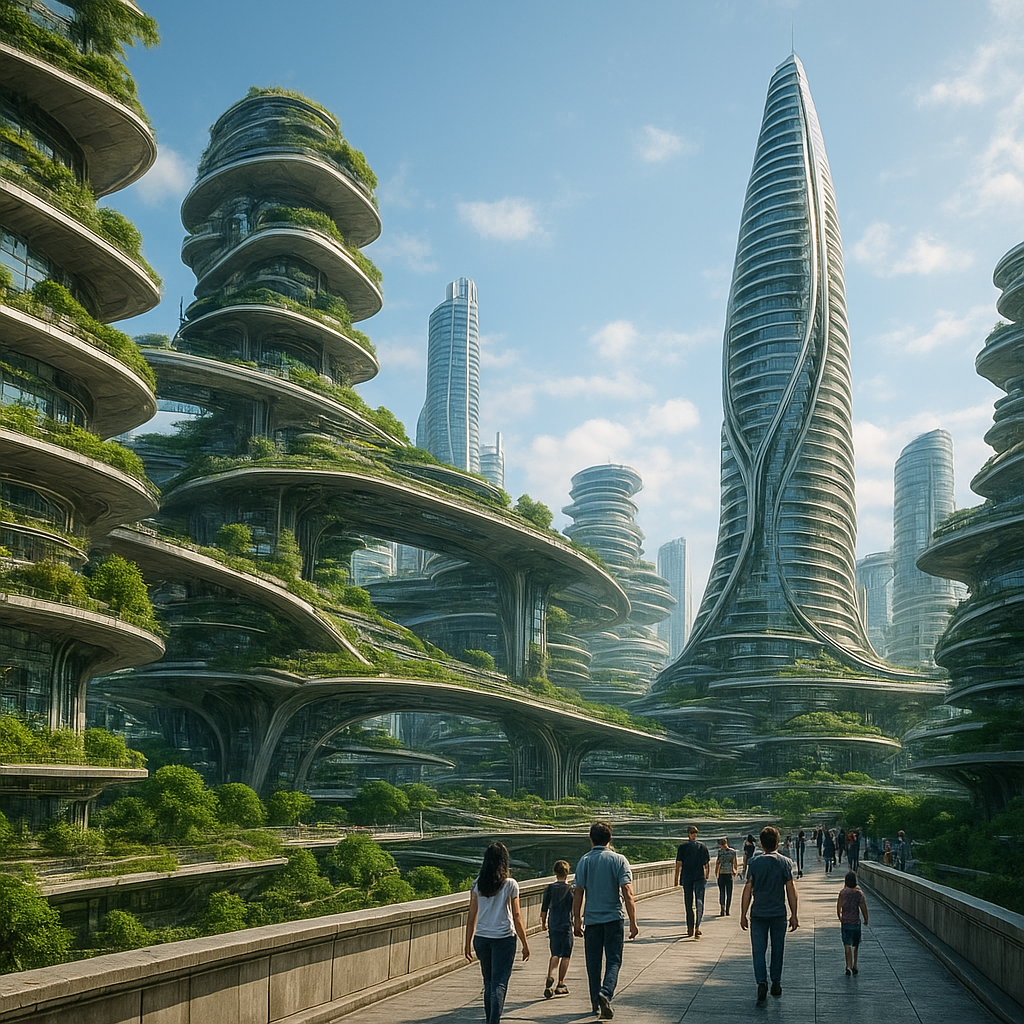
By harmonizing advanced technology with human-centric principles, future cities will emerge as living, breathing entities. They won’t just serve as backdrops for daily life but will actively respond, guide, and empower citizens. Through sustainability, connectivity, and collaborative innovation, these urban landscapes will redefine what it means to build—and to belong.