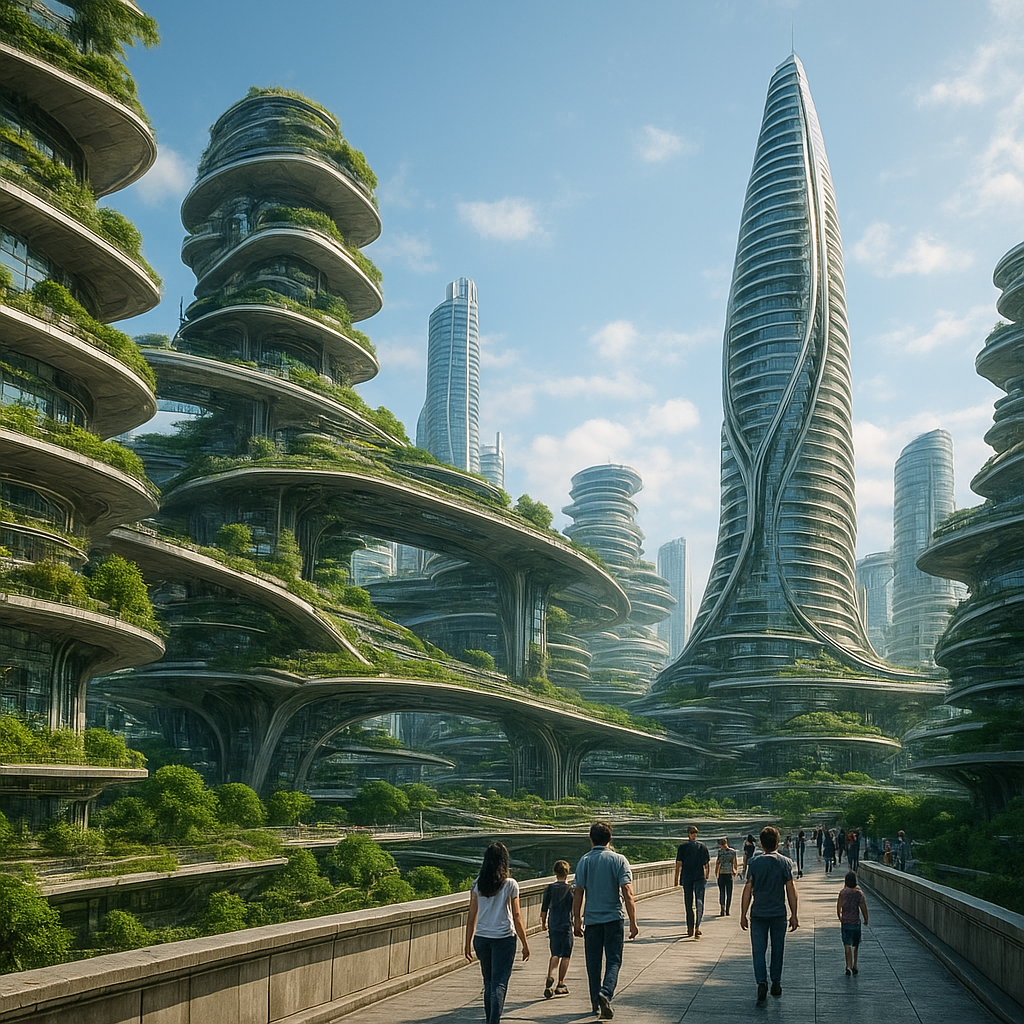


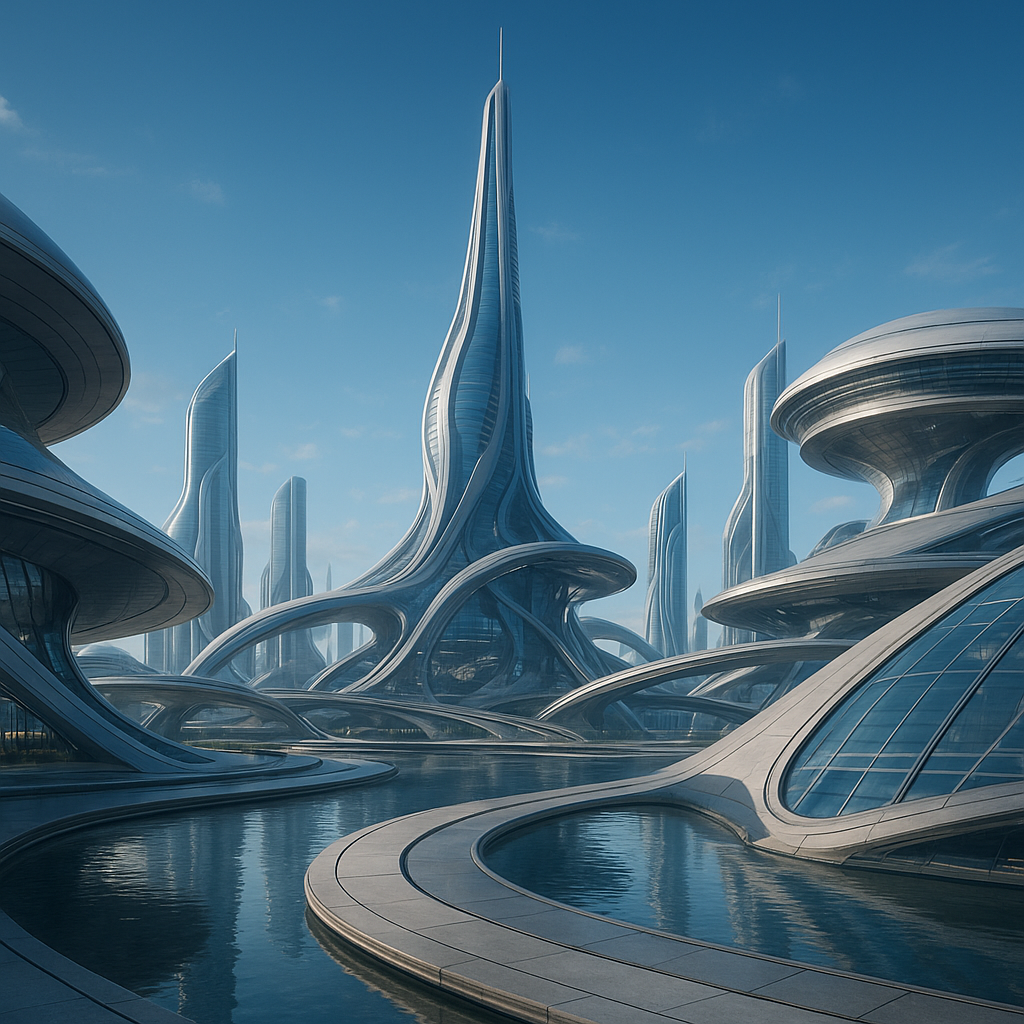
Exploring the limits of imagination, virtual worlds have become fertile ground for architects aiming to redefine what is possible. As digital landscapes expand, the synergy between architectural vision and cutting-edge technology paves the way for structures that defy gravity, logic, and conventional constraints. In this article, we examine how the next generation of designers is crafting environments that are not only visually stunning but also dynamically responsive and deeply engaging.
Emergence of Virtual Realms
Virtual realms offer a blank canvas where the usual restrictions of geography, materials, and physics can be rewritten. Architects have begun to leverage the freedom of these environments to manifest spaces that push boundaries of scale and form. In virtual worlds, a building can grow, shrink, or even dissolve based on user interactions, or adapt its configuration depending on external data streams. This introduces an era where architecture becomes a living entity, designed to react and evolve in real time.
From Sketch to Simulated Reality
Traditionally, architectural design follows a linear process: concept, drafting, modeling, and construction. In contrast, virtual environments collapse these stages into a continuous loop. Designers prototype ideas using interactive engines, receiving instant feedback on lighting, shadows, and textures. Thanks to simulation platforms, every iteration can be tested under multiple scenarios—day, night, weather patterns, or user-generated events—ensuring that the final structure is both functionally robust and visually compelling.
Collaborative Design in the Metaverse
Massive online platforms now support real-time collaboration among hundreds of participants. With integrated tools, architects, engineers, artists, and end-users can co-create in a shared digital studio. This collaborative process is accelerated by metaverse frameworks that allow seamless asset sharing, version control, and distributed editing rights. By harnessing collective intelligence, virtual architecture projects achieve a level of detail and innovation never seen in traditional practice.
Design Principles of Futuristic Architecture
While aesthetics remain central, virtual architects are increasingly guided by principles that ensure their creations are both striking and meaningful. Four core tenets have emerged:
- Adaptability: Structures must respond to changing needs, user behaviors, and external inputs without manual reconfiguration.
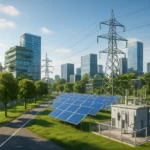
- Sustainability: Even in digital realms, energy consumption, server load, and ecological metaphors hold significance. Green computing practices influence design choices.
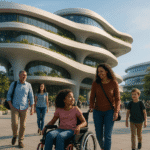
- Inclusivity: Spaces are crafted to accommodate diverse avatars, accessibility plugins, and cross-cultural motifs.
- Interactivity: Users are not mere observers; they trigger transformations, narrative progressions, and communal events within the architecture.
Parametric Fluency
Parametric design tools empower architects to create algorithms that define and modify building geometry. By adjusting input variables, a single framework can yield thousands of unique iterations. Virtual architecture studios integrate parametric engines directly into their pipelines, enabling the creation of structures that morph in response to user counts, biometric data, or external APIs. This algorithmic approach ensures that no two visits to a space are ever exactly the same.
Biomimicry and Organic Forms
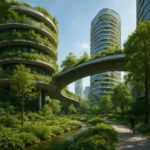
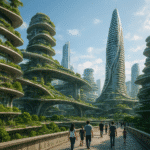
Inspired by nature’s efficiency and beauty, designers are embedding biomimicry principles into virtual architecture. From sinewy, plant-like growth patterns to fractal-based spatial organization, organic forms enhance user immersion. Virtual structures may emulate leaf veins for internal ventilation, coral formations for public seating, or icosahedral patterns for light diffusion. These biologically inspired features not only look futuristic but also reinforce psychological connections to living systems.
Technologies Shaping the Virtual Skyline
State-of-the-art technologies form the backbone of futuristic architecture in digital domains. The interplay among hardware, software, and networks now determines how environments are rendered, interacted with, and evolved over time.
AI-Driven Design
Artificial intelligence is revolutionizing conceptualization and optimization. Generative adversarial networks (GANs) produce novel building forms based on vast datasets of architectural history. Reinforcement learning algorithms adjust structural parameters to maximize user comfort, visual harmony, or computational efficiency. By integrating AI into the design loop, architects can focus on high-level vision, while machines handle repetitive optimization tasks.
Blockchain and Digital Ownership
As virtual real estate gains value, reliable methods for recording ownership and transactions are essential. Blockchain-based registries ensure transparent, immutable records of land deeds, building patents, and royalty agreements. Smart contracts automate leasing, revenue sharing, and community governance. This financial layer fosters trust in decentralized architecture projects and enables new business models for designers and developers.
Advanced Rendering and Haptic Feedback
Photorealistic rendering engines with real-time ray tracing deliver lighting and reflections of unprecedented fidelity. Paired with haptic gloves and suits, users can feel the curvature of a wall or the texture of a floor. Ultra-low latency networks ensure that multi-sensory feedback remains perfectly synchronized, deepening the sensation of presence. These innovations not only heighten immersion but also expand the definition of what it means to inhabit a building.
Interactivity and User Experience
The ultimate test of futuristic architecture lies in how people engage with it. Virtual structures must be more than static backdrops; they need to resonate emotionally and intellectually.
Adaptive Environments
Adaptive environments sense user movement, gaze direction, and biometric indicators. By analyzing these inputs, they modify spatial orientation, lighting, or soundscapes to create personalized experiences. A corridor might elongate when many visitors gather, or walls might pulse gently in response to collective breathing patterns. This adaptability transforms architecture into an active participant in storytelling and social interaction.
Gamification and Narrative Layers
Embedding game mechanics—points, quests, hidden chambers—encourages exploration and discovery. Narrative arcs woven through spatial sequences guide users on journeys that blend art, education, and entertainment. Virtual museums install dynamic exhibits that evolve as visitors complete tasks, unlocking new passages and narratives. By fusing architecture with play, designers engage multiple generations accustomed to interactive media.
Community-Driven Co-Creation
In open virtual platforms, community members can propose modifications, vote on new structures, or contribute digital assets. This decentralized approach turns users into co-designers, fostering a sense of ownership and shared stewardship. Through live events, hackathons, and modular building kits, public participation shapes the skyline in real time, ensuring that architecture remains relevant and responsive to evolving tastes.
Futuristic architecture in virtual worlds is reshaping our expectations of space, form, and human connection. As digital and physical realities converge, the lessons learned in these boundless environments will increasingly influence real-world construction, urban planning, and social design. The future is not a distant horizon—it is unfolding pixel by pixel, code line by code line, ready for us to explore and expand.