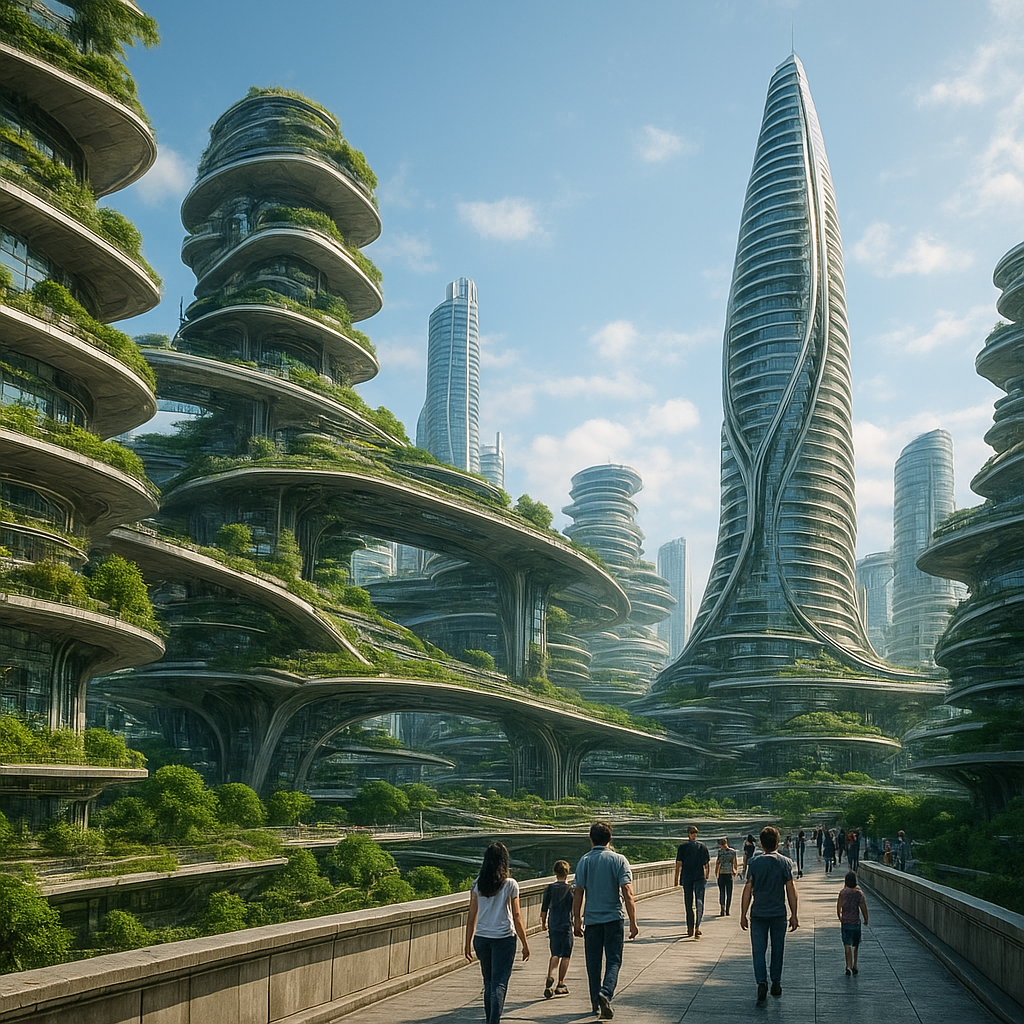




The intricate dance between cutting-edge architecture and the evolution of urban energy systems reveals a future where buildings are not mere static structures but active participants in a city’s power ecosystem. As smart grids continue to redefine how energy is produced, distributed, and consumed, architects and engineers collaborate to design environments that prioritize sustainability, resilience, and adaptability. This synergy drives the next frontier of urban design, where every façade, rooftop, and public space is optimized for maximum efficiency and minimal environmental impact.
Urban Energy Revolution
The emergence of smart grids marks a paradigm shift in how cities manage power flows, leveraging real-time data and advanced communication networks to balance supply and demand dynamically. Key components such as distributed energy resources (DERs), microgrids, and energy storage systems form the backbone of this revolution. By integrating renewable generation and advanced monitoring technologies, urban landscapes transform into interactive nodes of an interconnected electrical network.
Distributed Energy Integration
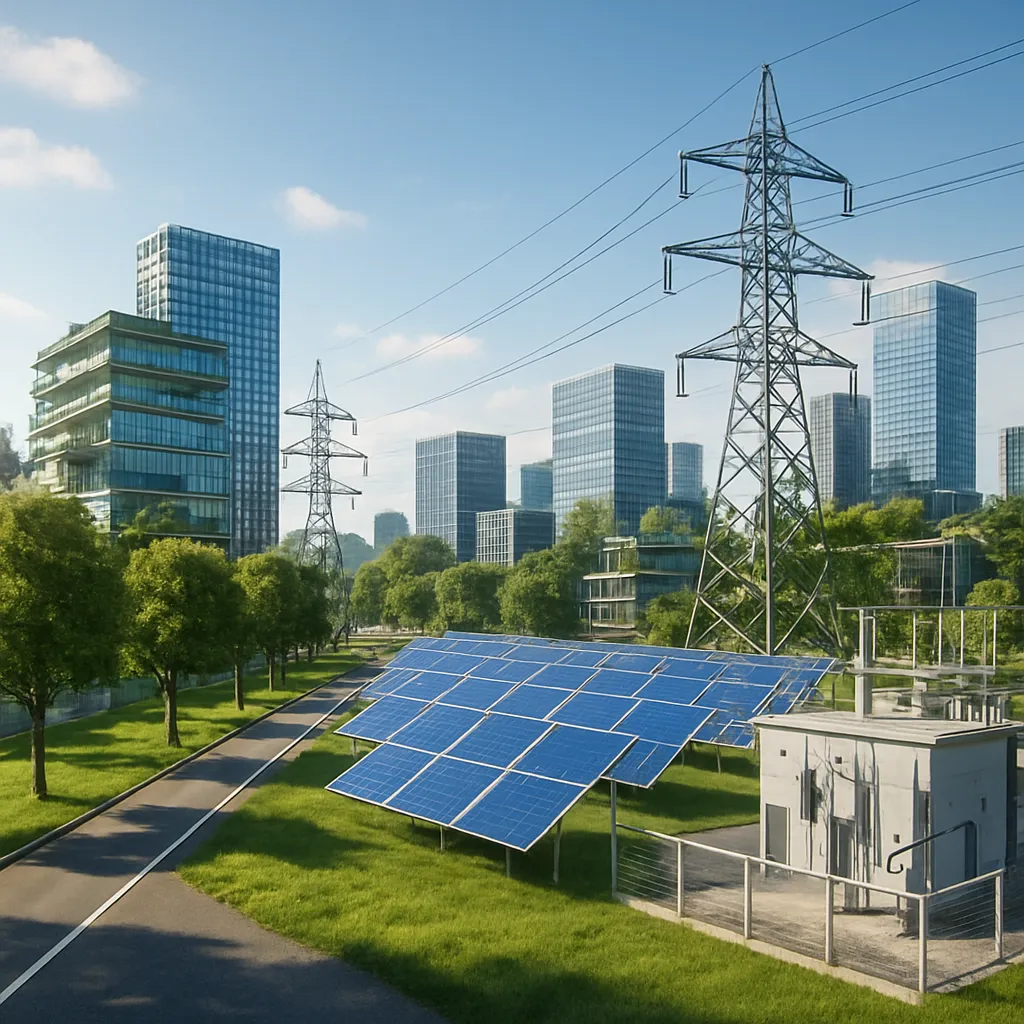
- Solar photovoltaic arrays embedded in building envelopes contribute localized generation, reducing transmission losses and enhancing renewable penetration.
- Wind turbines on skyscraper rooftops harness high-altitude winds, while energy storage units buffer fluctuations, providing continuous power during peak and off-peak hours.
- Peer-to-peer energy trading platforms allow neighborhoods to share surplus electricity, fostering communal connectivity and optimizing resource use.
Adaptive Demand Response
Smart meters and AI-driven control systems enable buildings to adjust consumption patterns in response to grid signals. During periods of high demand, noncritical systems—such as HVAC zones or electric vehicle (EV) charging stations—can be temporarily curtailed to prevent overloads and ensure grid resilience. Conversely, when renewable output is abundant, facilities automatically ramp up energy-intensive processes, maximizing use of green power.
Building Intelligent Infrastructure
Architectural design now incorporates an extensive array of sensors, actuators, and digital twins that continuously monitor structural health, indoor environmental quality, and energy flows. Such transparency empowers stakeholders to make data-driven decisions, from predictive maintenance scheduling to real-time adjustments that minimize waste.
Smart Materials and Surfaces
- Adaptive glass reacts to sunlight intensity, modulating opacity to control heat gain and glare without manual intervention.
- Phase-change materials embedded in walls and floors store thermal energy, releasing it when indoor temperatures drop, thus smoothing peaks in heating and cooling loads.
- Self-healing concrete formulations detect micro-cracks and initiate polymerization processes that seal fractures, extending structural longevity and reducing maintenance costs.
AI-Enhanced Building Management
State-of-the-art Building Management Systems (BMS) harness machine learning algorithms to predict occupant behavior and environmental shifts. By continuously analyzing vast datasets—ranging from weather forecasts to energy pricing—the BMS fine-tunes HVAC, lighting, and power distribution networks, achieving unparalleled optimization in energy usage. When combined with occupant-centric controls, such systems can anticipate personal comfort preferences, thereby enhancing productivity and well-being.
Future-Proof Cityscapes
Forging a truly energy-efficient metropolis extends beyond individual structures and into the design of public spaces, transportation corridors, and utility networks. The convergence of smart grid infrastructure with urban planning principles heralds an era where every element of the city contributes to environmental stewardship.
Integrated Mobility Hubs
- Electric buses and autonomous shuttles dock at solar-canopied stations that double as charging depots and weather shelters.
- Dynamic traffic signals coordinate with vehicle-to-grid (V2G) communication, allowing parked EVs to feed power back into the grid during peak hours, reinforcing automation and load balancing.
- Bicycle lanes equipped with kinetic energy harvesters convert pedal power into stored electricity, powering adjacent streetlights and public Wi-Fi hotspots.
Green Corridors and Vertical Gardens
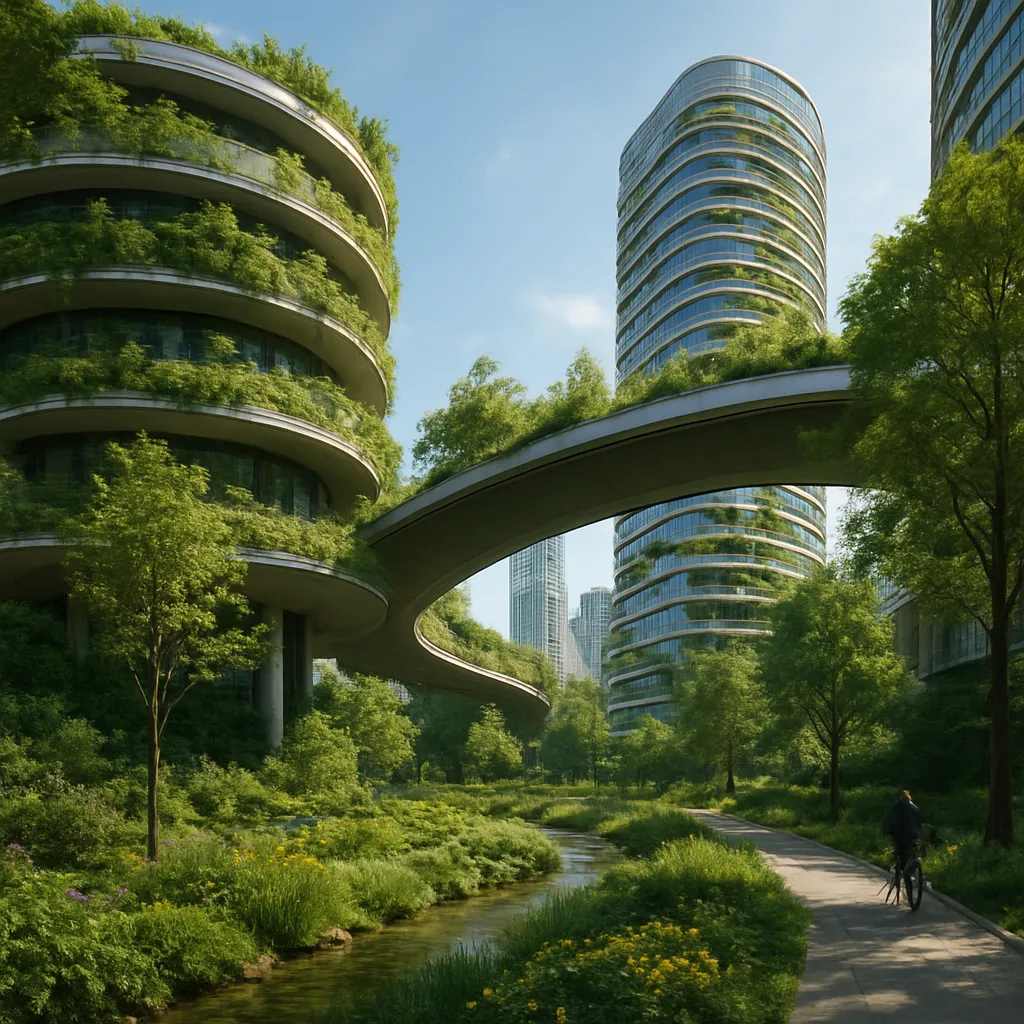
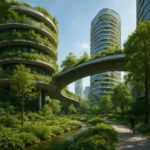
Linear parks lined with algae bioreactors act as both air purifiers and biofuel producers, seamlessly merging innovation in biotechnology with urban greenery. Vertical gardens on building exteriors not only improve air quality but also provide natural insulation, trimming down energy demands for heating and cooling. These living surfaces connect rooftops and balconies via sky bridges, creating a network of ecological corridors that support biodiversity within dense metropolitan zones.
Data-Driven Urban Governance
Effective operation of energy-efficient cities relies on robust analytics platforms that process torrents of incoming data from sensors, meters, and citizen feedback channels. Real-time dashboards visualize grid status, environmental conditions, and resource utilization, empowering city managers to enact policies that drive continuous improvement.
- Predictive models forecast energy demand spikes, enabling proactive procurement of renewable supplies and strategic deployment of storage assets.
- Blockchain-based transaction ledgers ensure secure, transparent accounting of energy exchanges, fostering trust among stakeholders in decentralized networks.
- Crowdsourced mobile applications engage residents in reporting inefficiencies—such as streetlight outages or underperforming solar panels—thus bolstering automation in maintenance workflows.
The Road Ahead
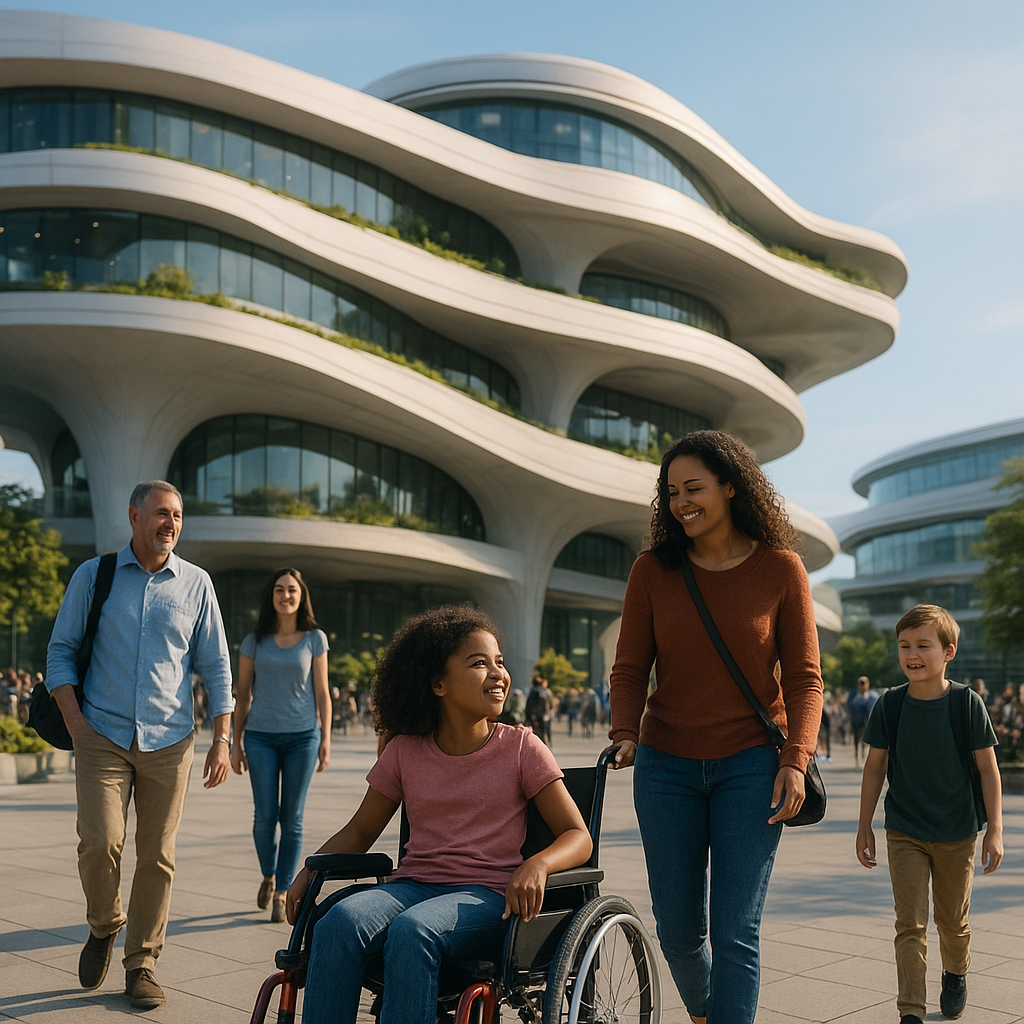
As urban centers grapple with population growth and climate challenges, the marriage of futuristic architecture with smart grid ecosystems offers a blueprint for cities that are not only energy-efficient but also adaptable, inclusive, and technologically empowered. Through relentless innovation and strategic collaboration, these cities will set a new standard for optimization in resource management, forging a legacy of sustainability for generations to come.