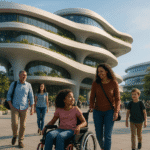
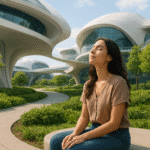
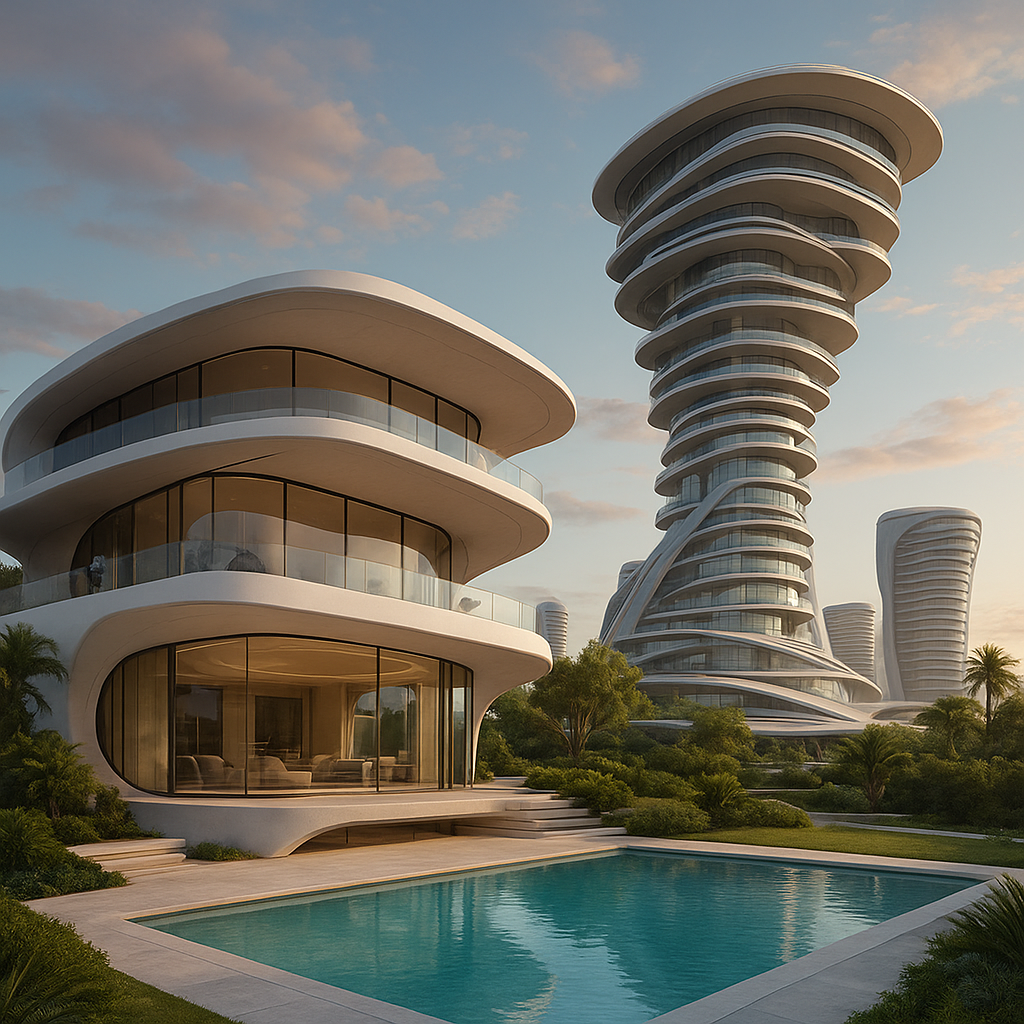
Futuristic architecture transcends traditional boundaries, presenting a realm where cutting-edge technologies, sustainable practices, and avant-garde aesthetics converge to redefine modern habitation. This exploration delves into the world of soaring villas and skyborne residences, tracing the evolution of design principles that prioritize human well-being, environmental stewardship, and immersive sensory experiences. From the use of advanced composites to the integration of AI-driven systems, visionary architects are crafting dwellings that embody a new era of luxury and performance.
Intertwining Sustainability and Aesthetics
The synergy between environmental responsibility and visual grandeur is at the heart of tomorrow’s villas. Architects are harnessing renewable resources, passive design strategies, and biophilic elements to create residences that breathe alongside their inhabitants.
Smart Materials and Adaptive Skins
Revolutionary façades composed of phase-changing alloys and self-cleaning membranes adjust to external conditions, optimizing thermal comfort while showcasing minimalist beauty. These skins often incorporate:
- Solar-harvesting glass panels
- Electrochromic windows that tint on demand
- Photocatalytic coatings to neutralize pollution
By leveraging innovation, these materials not only elevate the aesthetic but also reduce energy consumption, marking a leap toward net-zero operation.
Water and Waste Circularity
Every drop counts in intelligent villa systems designed with closed-loop hydraulics. Graywater from showers nourishes rooftop gardens, while organic waste transforms into biofertilizer through compact digesters. This circular approach ensures minimal environmental impact and enhances the sustainability of elite habitats.
Vertical Living Elevated
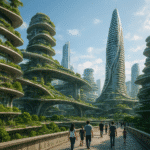
Sky residences push humanity upwards, stacking private sanctuaries into bold silhouettes against the horizon. These structures redefine the notion of community, blending public amenities with individualized retreats high above cityscapes.
Modular Skyborne Units
Prefabricated volumetric modules arrive on-site ready for assembly, slotted into place like cosmic building blocks. This modularity accelerates construction, maintains quality control, and offers unparalleled flexibility for future reconfiguration.
Shared Ecosystem at Altitude
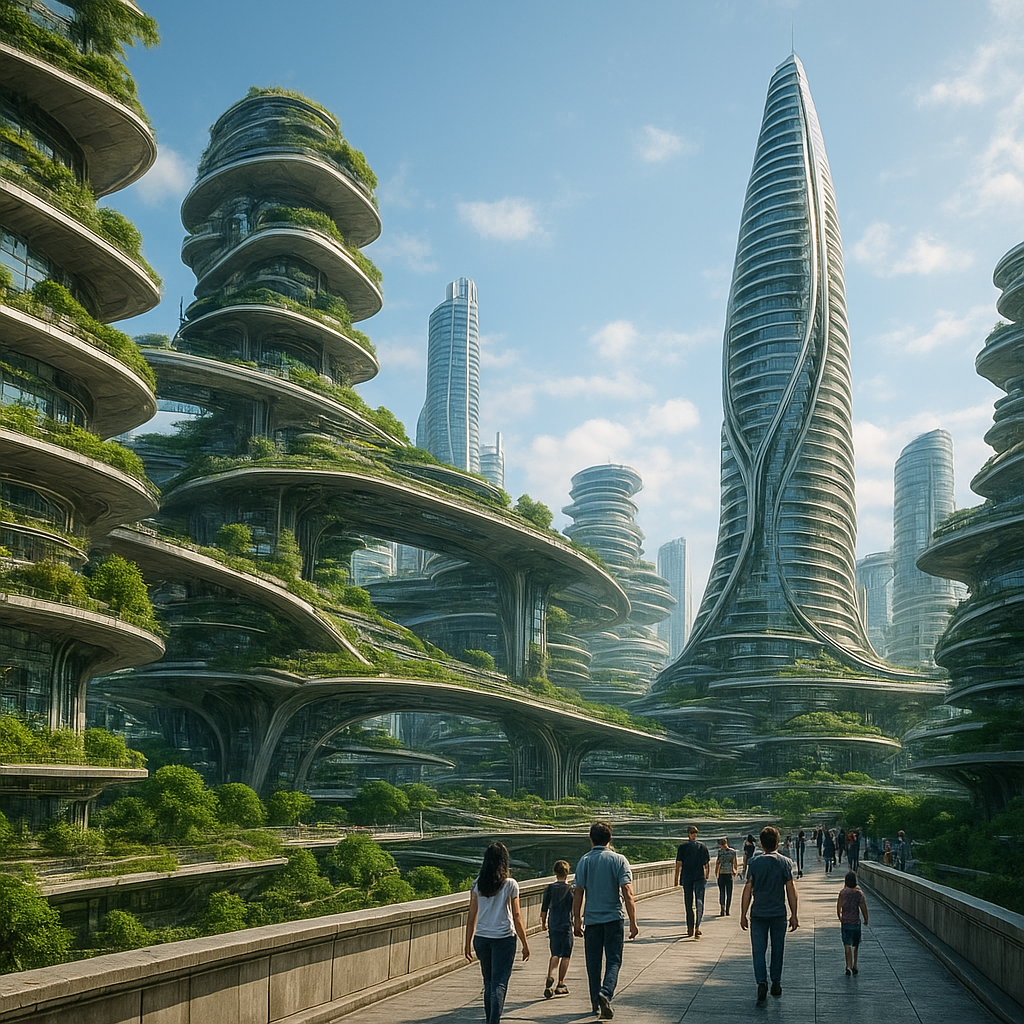
Towers incorporate communal sky gardens, observation decks, and wellness zones interconnected by aerial walkways. Residents enjoy:
- Intimate meditation pods suspended amid greenery
- Vertical farms supplying fresh produce
- Helipad and drone corridors for swift transit
These features underscore the marriage of exclusivity and collective living, fostering a sense of belonging in ethereal environments.
Technologies Shaping Tomorrow’s Homes
Embedded intelligence and seamless automation serve as the foundation of futuristic dwellings, ensuring safety, convenience, and personalized ambience.
AI-Driven Environmental Control
Learning algorithms monitor occupancy patterns, adjusting lighting spectra, acoustic profiles, and thermal zones in real time. Enhanced by predictive analytics, these systems anticipate user preferences, achieving harmonious equilibrium with minimal user input. Such autonomy elevates comfort while optimizing resource use.
Holographic Interaction and Augmented Realities
Transparent OLED screens and volumetric projectors dissolve the barriers between digital and physical domains. Residents can manipulate spatial layouts, art installations, or entertainment streams with intuitive gestures. The integration of virtual assistants further personalizes the living experience, harmonizing function and style.
Structural Resilience and Dynamic Response
Smart load-bearing frameworks, guided by embedded sensors, detect seismic activity or high winds and actively stiffen or dampen oscillations. This adaptive resilience ensures safety in sky-high towers, offering peace of mind to occupants perched above the urban sprawl.
Design Paradigms Inspired by Nature
Biomimicry plays a pivotal role in shaping future dwellings, drawing inspiration from organisms that have perfected efficiency over millennia.
Fluid Aerodynamics and Energy Harvesting
Drawing from the streamlined forms of marine creatures, residence profiles minimize wind drag while channeling airflows through integrated turbines. These microturbines supplement power systems, turning every breeze into a renewable energy source. Such harmonious integration of form and function redefines the concept of passive generation.
Leaf-like Photovoltaic Arrays
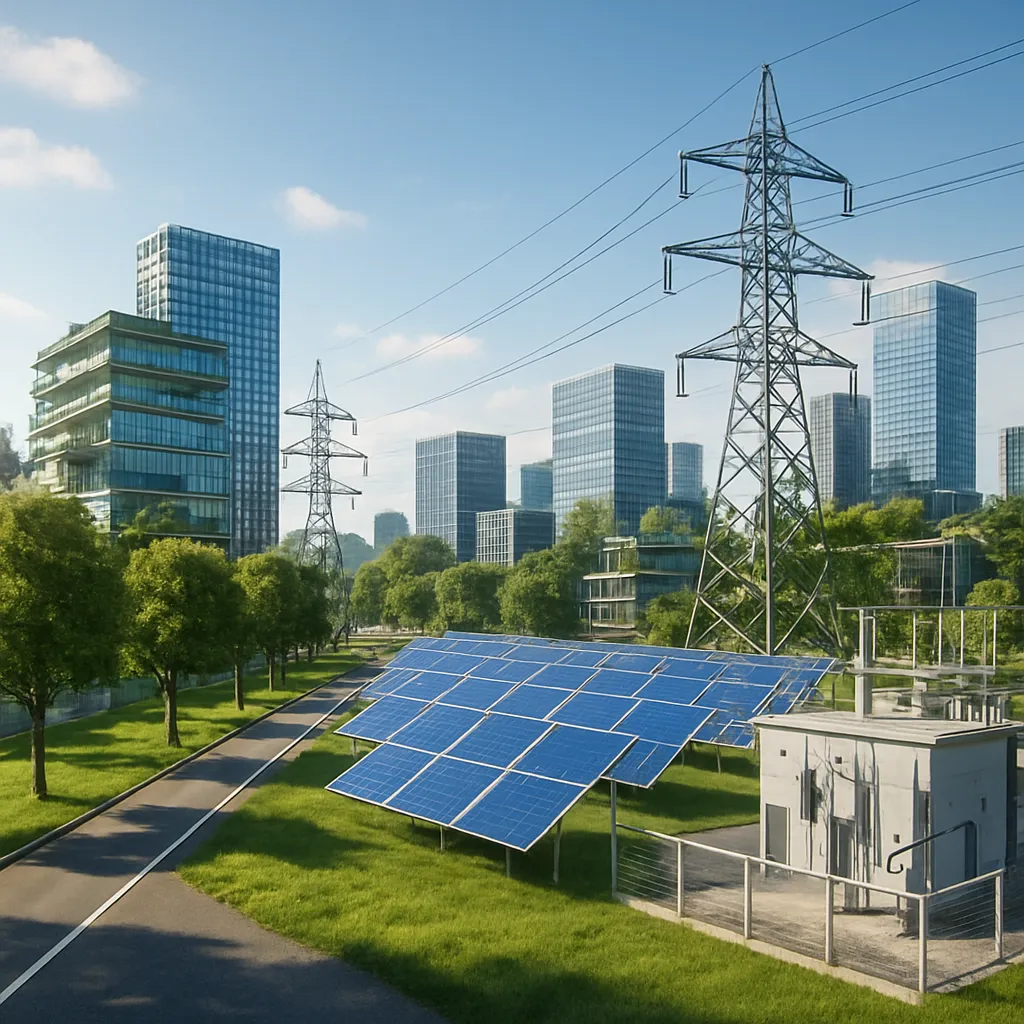
Arrays mimic chloroplast structures, orienting panels to maximize solar absorption throughout the day. Their fractal geometry enhances surface area, boosting photovoltaic efficiency beyond conventional flat panels. This nod to nature’s ingenuity cements resilience in unpredictable climates.
Material Frontiers and Construction Robotics
Advancements in additive manufacturing and robotic assembly are dismantling the constraints of traditional construction, paving the way for bespoke forms and rapid deployment.
3D-Printed Structural Components
Complex lattice elements, once impossible to fabricate, emerge from giant extrusion printers using bio-resins or carbon-fiber-infused composites. These zero-waste processes enable the creation of sculptural beams, curved walls, and patterned façades without excessive material offcuts.
Autonomous Builders and Drone Crews
Swarm robotics coordinate seamlessly to install panels, weld joints, and apply finishes. Human supervisors oversee operations via VR interfaces, ensuring precision and safety during high-altitude tasks. The synergy of machine dexterity and human creativity heralds a new era of construction efficiency and aesthetic versatility.
Human-Centric Well-Being in Elevated Spaces
Amidst these technological marvels, the focus remains on enhancing occupant health and psychological well-being. Architects are integrating wellness principles at every scale.
Biophilic Terraces and Sky Forests
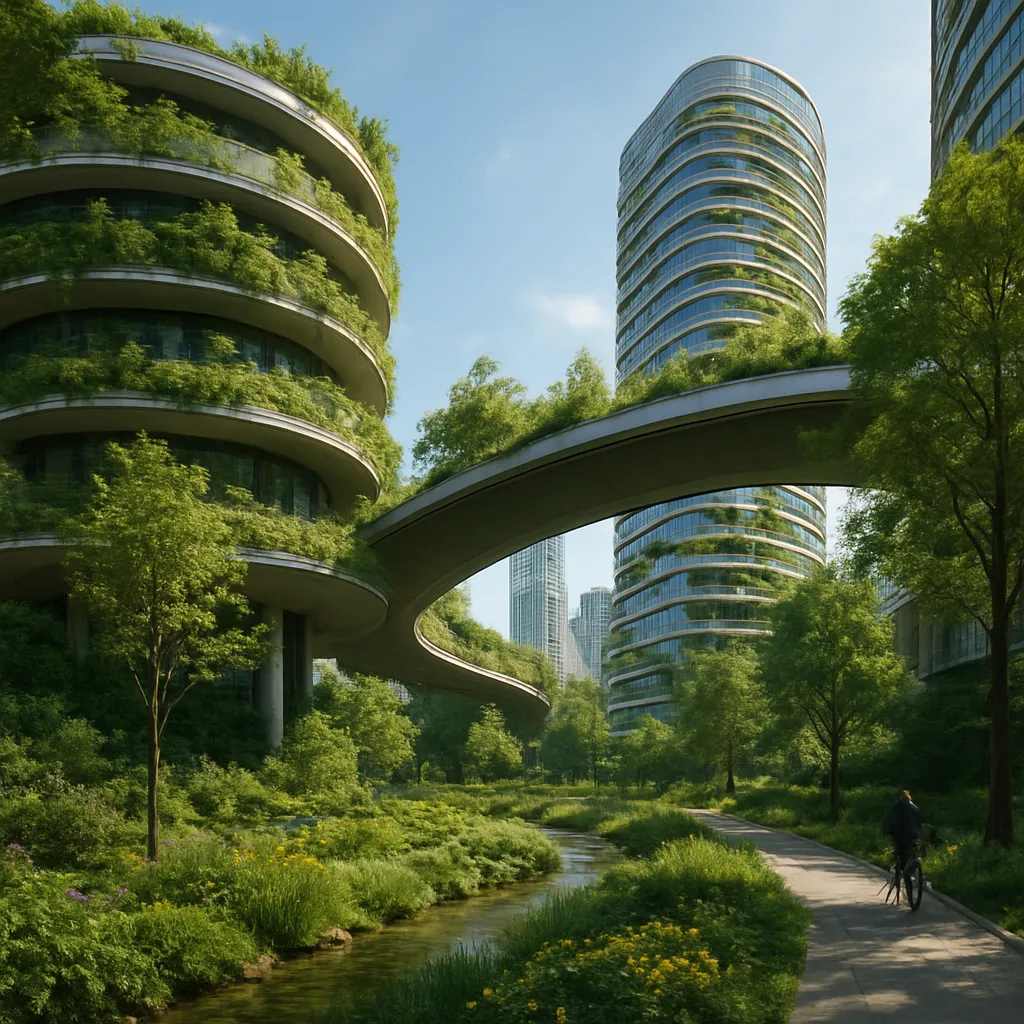
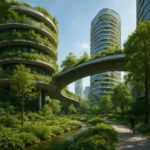
Each residence boasts private terraces planted with native flora, promoting air purification and stress reduction. Shared sky forests create microclimates, diffusing humidity and softening urban noise, turning skyscrapers into vertical ecosystems rather than static monuments.
Immersive Sensory Environments
Olfactory diffusers release subtle natural aromas, while dynamic lighting simulates sunrise and moon phases. Smart soundscapes adapt to personal preferences, whether it’s gentle rain, rustling leaves, or curated musical compositions. This multisensory approach elevates daily routines into serene rituals, reinforcing the notion of home as a sanctuary.
Economic and Cultural Impacts
The proliferation of futuristic villas and sky residences influences urban planning, investment strategies, and cultural identity on a global scale.
Real Estate Dynamics and Asset Value
Skyborne properties, replete with advanced amenities and sustainable credentials, command premium valuations. Investors are drawn to the reduced operational costs and futureproof design, while municipalities incentivize green developments through tax rebates and zoning bonuses.
Cultural Narratives and Architectural Icons
These structures become beacons of progress, defining city skylines and attracting tourism. By celebrating local craftsmanship and integrating regional materials, designers ensure that even the most futuristic edifice retains a unique cultural fingerprint, balancing global trends with indigenous heritage.
Conclusion
As the boundaries between science fiction and reality blur, the next generation of luxury living unfolds among the clouds. From biomimicry and digitalization to adaptive skins and aerial gardens, each innovation contributes to homes that are not only spectacular but also responsible. These visionary environments promise to reshape our relationship with space, nature, and each other, forging a future where architecture becomes a dynamic partner in human experience.