
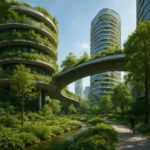
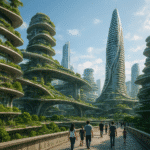


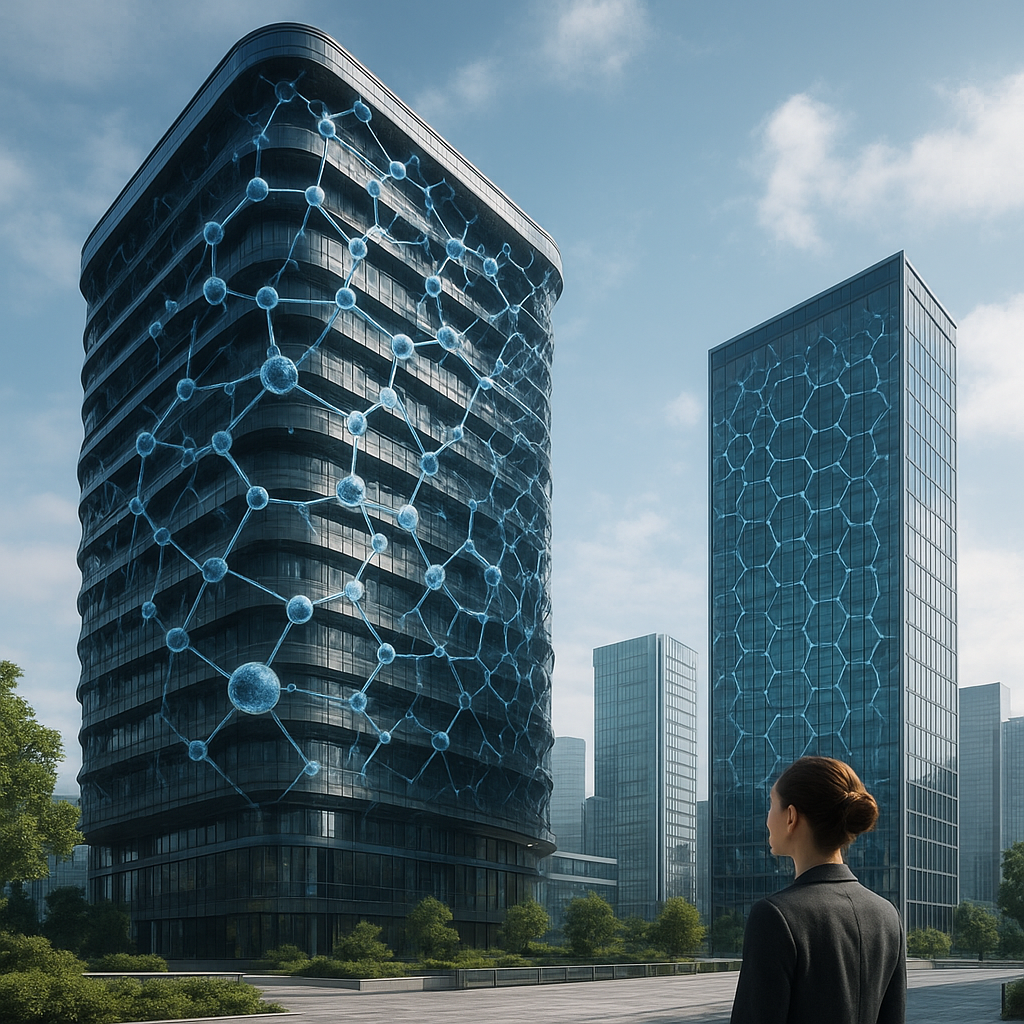
Advancements in nanotechnology are redefining how architects and engineers envision the cities of tomorrow. By manipulating matter at the molecular scale, designers unlock unprecedented possibilities for materials that self-repair, adapt to environmental changes, and actively contribute to a building’s performance. Futuristic architecture is rapidly evolving from static structures into dynamic, responsive systems that integrate seamlessly with smart cities and renewable energy networks.
Material Revolution Through Nanotechnology
At the heart of futuristic building design lies the development of next-generation materials. Traditional steel, concrete, and glass are being enhanced—or even replaced—by composites engineered at the nanoscale. These innovative substances offer remarkable advantages:
- Self-healing Concrete: Nanoparticles of calcium carbonate or silica embedded in concrete can fill cracks autonomously, extending the lifespan of infrastructure and reducing maintenance costs.
- Ultra-lightweight Composites: Incorporation of carbon nanotubes and graphene yields materials that are stronger than steel but weigh a fraction, enabling daring cantilevers and floating floors.
- Advanced Nanocoatings: Surfaces treated with nanolayers repel water, oil, and dirt, ensuring facades remain pristine and reducing cleaning frequency.
- Thermally Adaptive Panels: Phase-change nanomaterials absorb or release heat to maintain stable interior temperatures, slashing energy consumption.
By controlling particle size, distribution, and surface chemistry, researchers craft materials with tailored mechanical, optical, and thermal properties. This molecular-level customization fosters unprecedented durability and allows architects to push structural boundaries.
Energy Efficiency and Smart Infrastructure
Futuristic buildings are envisioned as living organisms, constantly sensing and responding to their surroundings. Nanotechnology accelerates this vision by integrating smart surfaces and energy-harvesting systems directly into the building envelope.
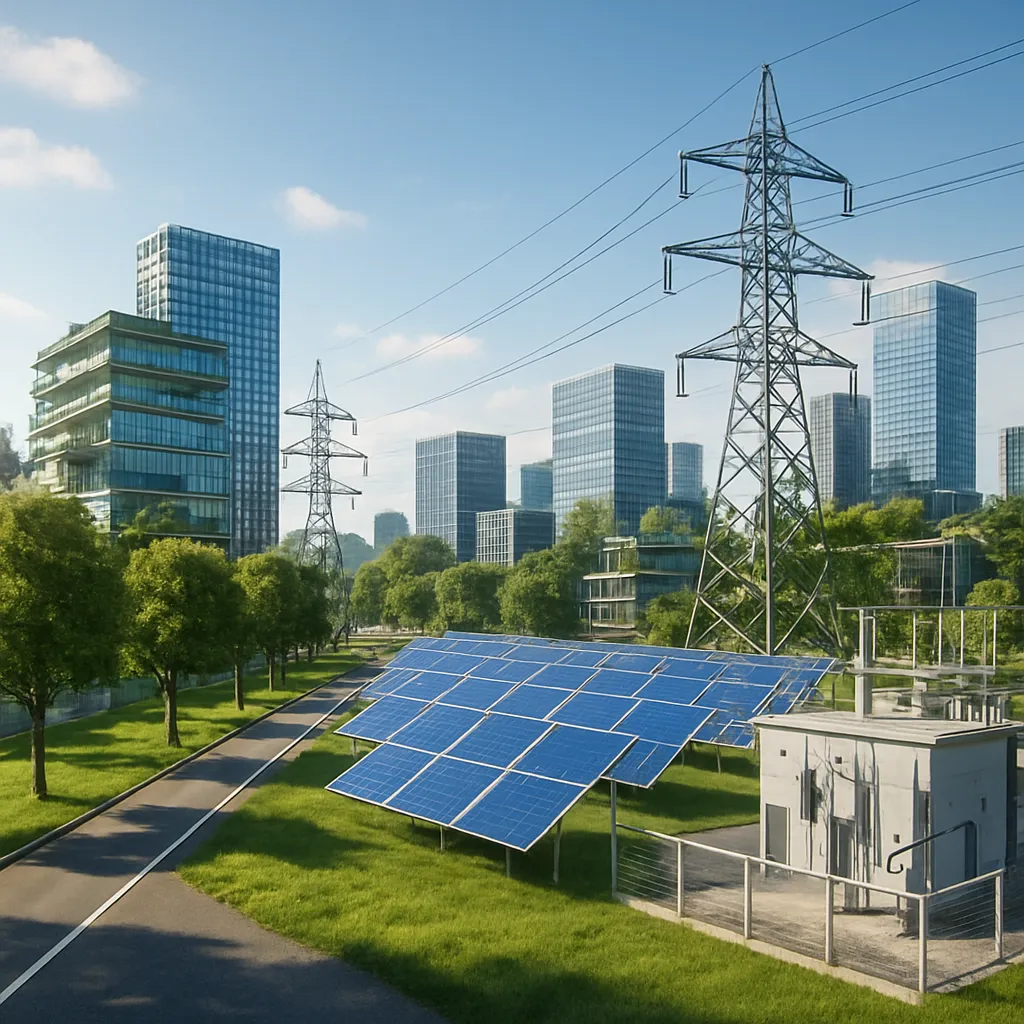
- Solar Nanofilms: Ultra-thin photovoltaic coatings can be applied on windows or building skins, generating electricity without compromising natural light.
- Thermoelectric Nanogenerators: Harvest waste heat from HVAC systems or industrial processes and convert it into usable electricity, boosting overall energy efficiency.
- Electrochromic Glazing: Nanoparticles enable glass to change tint on demand, optimizing daylighting and insulating spaces from heat or glare.
- Sensor Networks: Nano-enabled sensors embedded in structural components monitor load, vibration, and environmental factors in real time, enabling predictive maintenance and improved safety.
This integration transforms each building into a micro power plant and a centralized command center for managing resource flow. By utilizing ambient energy and adaptive control, structures can achieve near-zero operational emissions.
Environmental and Health Impacts
With growing emphasis on sustainability, nanotechnology plays a crucial role in reducing the ecological footprint of construction and operation:
- Carbon Sequestration Coatings: Nanostructured surfaces capture CO₂ directly from the air, contributing to urban carbon sinks.
- Air-Purifying Facades: Titanium dioxide and other nano-photocatalysts break down pollutants and volatile organic compounds (VOCs), improving urban air quality.
- Water Filtration Membranes: Nanofibers in roofing or landscaping features filter and recycle greywater for irrigation, reducing freshwater demand.
- Biocompatible Interiors: Nanosilver and other antimicrobial agents embedded in finishes limit microbial growth, promoting healthier indoor environments.
However, responsible deployment demands thorough assessment of nanoparticle toxicity and lifecycle impacts. Ongoing research addresses potential risks through greener synthesis pathways and biodegradable nanomaterials, ensuring that innovation does not compromise human or planetary health.
Integration with Robotics and AI
The future of architecture extends beyond static buildings into adaptive, autonomous systems. Nanotechnology interlinks with robotics and artificial intelligence, giving rise to structures that can evolve over time.
- Autonomous Assembly: Swarms of nanobots could construct or repair building components with pinpoint precision, reducing labor costs and construction timelines.
- Shape-Shifting Facades: Embedded nanoactuators respond to AI-driven commands, altering geometry to optimize ventilation, light intake, or structural performance.
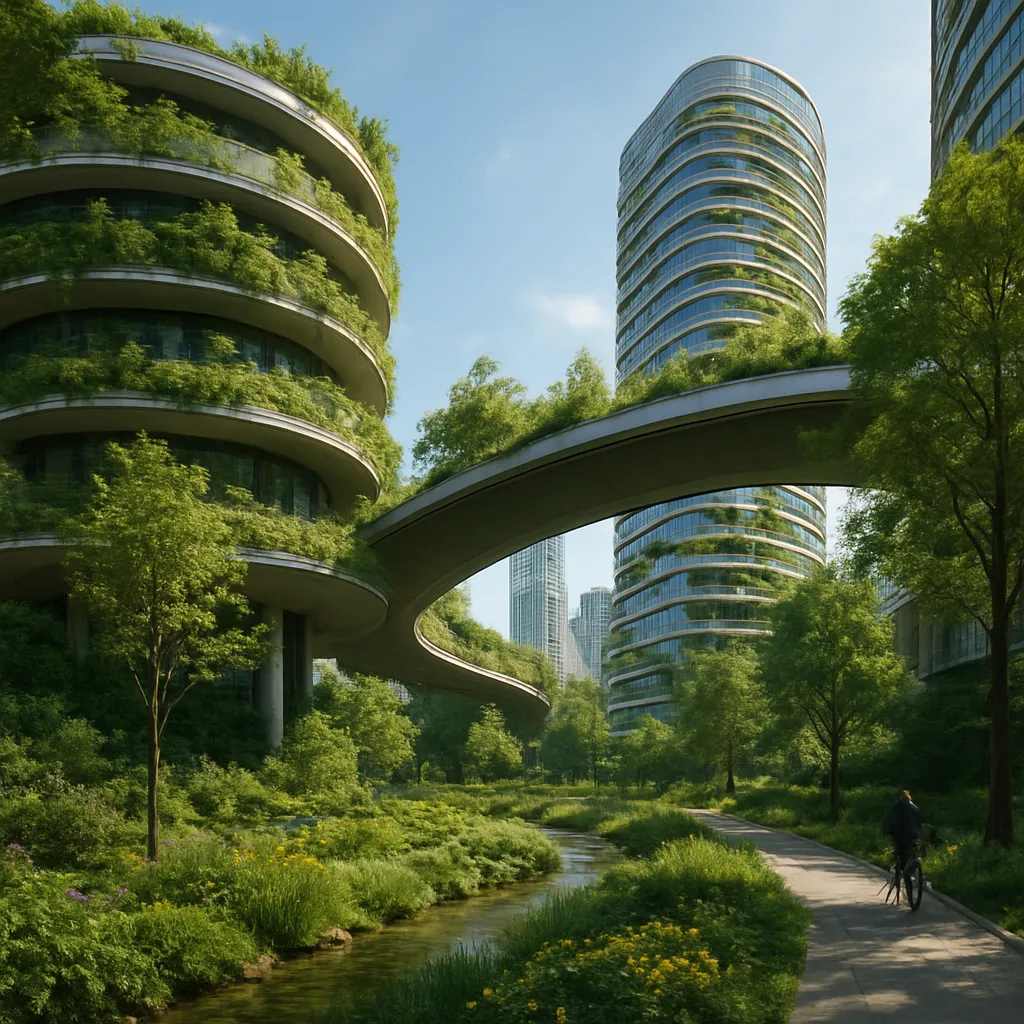
- Bio-Integration: Living skins composed of engineered bacteria and nanofibers produce oxygen, regulate humidity, and even generate biofuel.
- Adaptive Urban Planning: Data collected by nano-sensor arrays feed into city-scale AI models that dynamically reroute traffic, adjust climate control, and allocate resources based on real-time demand.
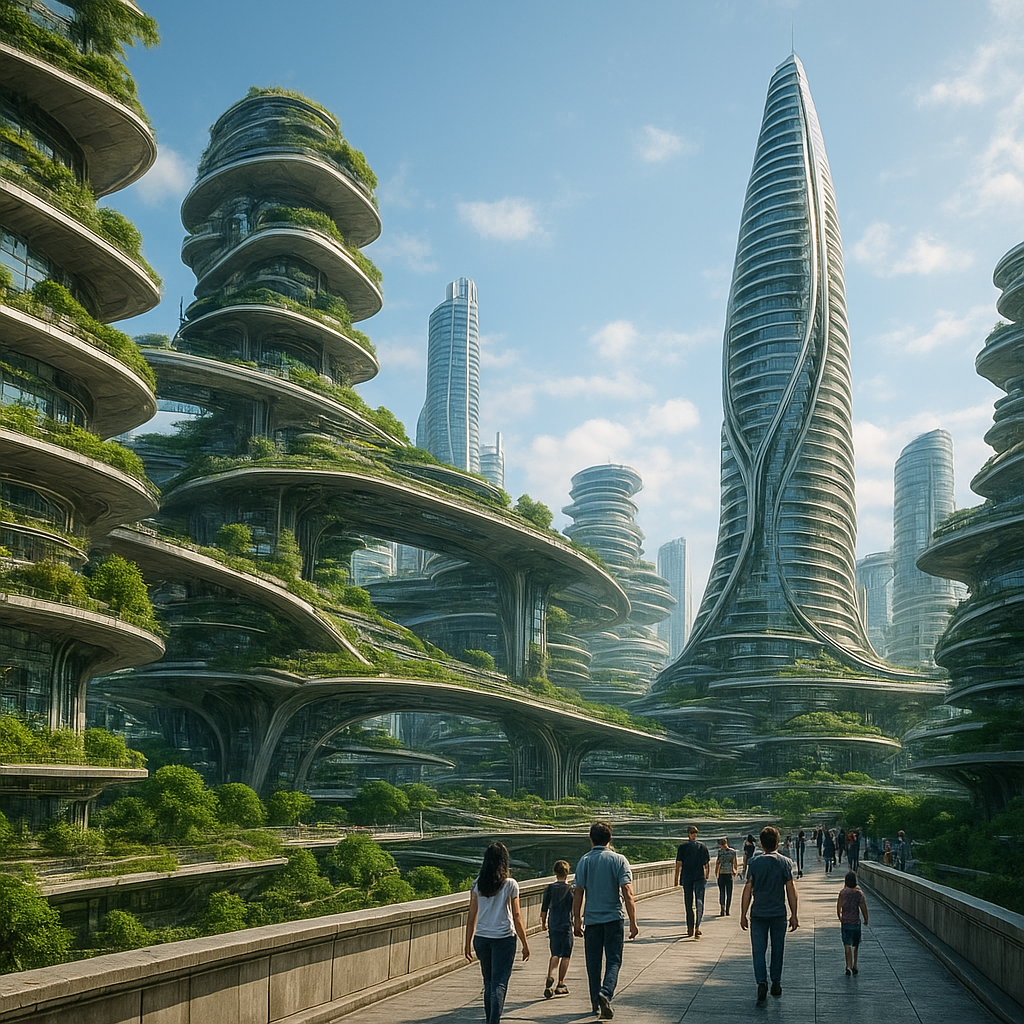
As buildings gain the ability to sense, think, and self-modify, the boundary between architecture, computing, and biology blurs. This convergence heralds an era where structures are not only functional but also resilient, adaptive, and intimately linked to human and environmental well-being.