


The relentless pace of climate change and urban expansion demands a radical rethinking of how we conceive the next generation of buildings. Designing structures capable of withstanding earthquakes, rising sea levels, hurricanes, and unpredictable environmental stressors requires a synthesis of advanced engineering, cutting-edge materials, and forward-looking planning. This exploration delves into the forefront of innovation in futuristic architecture, illustrating how our built environment can evolve to meet the daunting challenges of a changing planet.
Revolutionizing Structural Resilience
Architects and engineers are pioneering new approaches to ensure every building possesses intrinsic resilience against natural disasters. Gone are the days of static foundations and rigid frames; today’s designs leverage dynamic systems that absorb, dissipate, and adapt to external forces.
Seismic Isolation and Base Isolation Technologies
- Seismic bearings: These elastomeric pads installed between a building’s foundation and superstructure allow lateral movement during an earthquake, reducing structural stress.
- Viscoelastic dampers: Combining viscosity and elasticity, these devices convert kinetic energy into heat, dramatically lowering vibrational impact on high-rise towers.
By incorporating these techniques, skyscrapers can sway gently rather than crash, safeguarding occupants and minimizing post-quake reconstruction efforts.
Modular and Prefabricated Frameworks
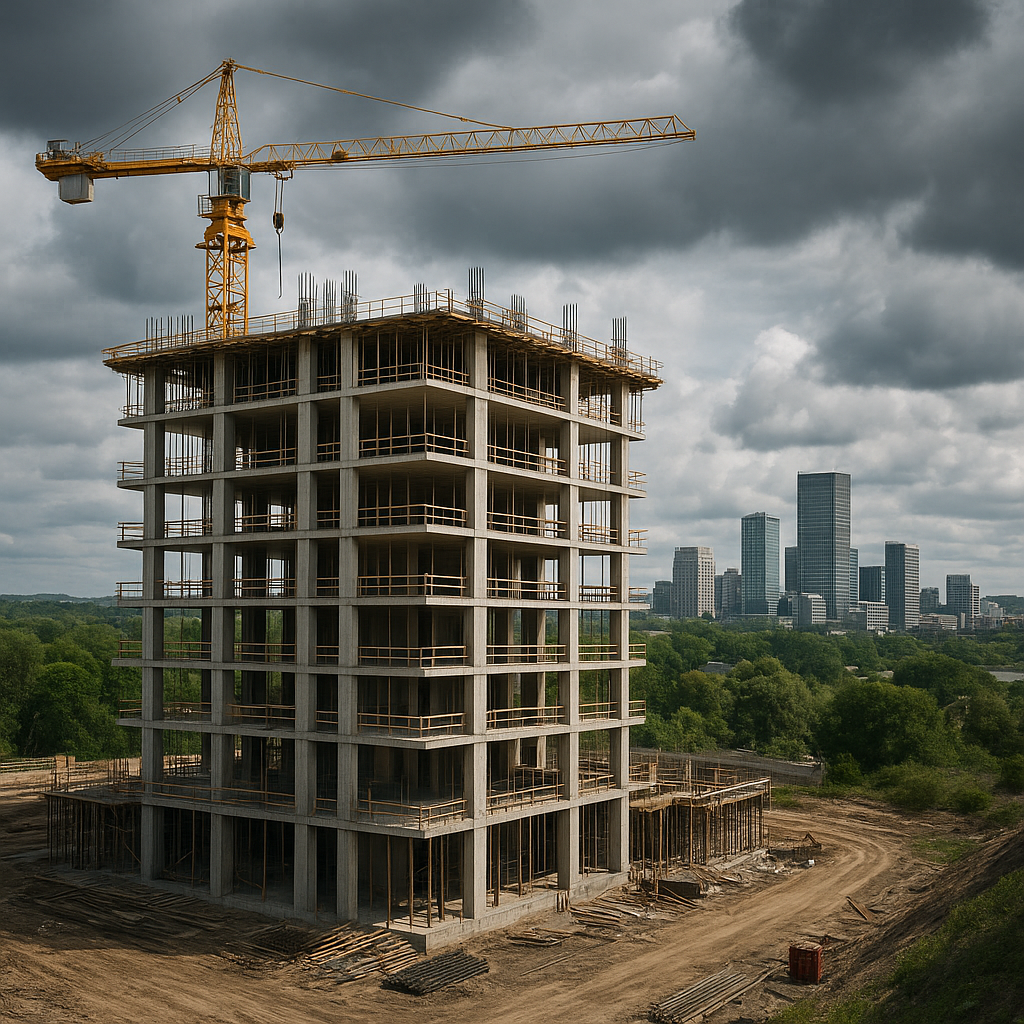
- Interlocking modules: Prefabricated units that slot together like giant building blocks, enabling rapid assembly in remote or disaster-stricken areas.
- Reconfigurable layouts: Modular designs permit buildings to expand or contract in response to shifting populations or emergency needs, reinforcing the concept of modularity.
This method not only accelerates construction timelines but also fosters a flexible infrastructure that can be relocated, upgraded, or replaced with minimal waste.
Smart Materials and Adaptive Designs
The emergence of advanced composites and responsive surfaces is ushering in an era where buildings behave almost like living organisms—self-healing, self-regulating, and energy-autonomous.
Biomimicry and Self-Healing Concrete
- Bacteria-infused cement: Micro-organisms produce limestone to fill cracks as they form, fortifying concrete against erosion and extending its service life.
- Microcapsule technology: Embedded capsules rupture upon structural damage, releasing polymer resins that seal fissures instantly.
These innovations drastically reduce maintenance costs and elevate long-term sustainability by minimizing resource consumption.
Nanocomposites and Smart Coatings
- Photocatalytic paints: Surfaces coated with titanium dioxide break down pollutants, improving air quality and delivering passive environmental remediation.
- Electrochromic glass: Windows that alter their tint in response to sunlight, optimizing natural lighting and reducing HVAC loads.
Such materials allow façades to adapt dynamically to weather fluctuations, achieving unprecedented levels of energy efficiency.
Integrating Environmental Intelligence
Beyond the physical shell, futuristic buildings harness data-driven systems and autonomy to predict and counteract threats before they escalate.
Sensor Networks and Real-Time Monitoring
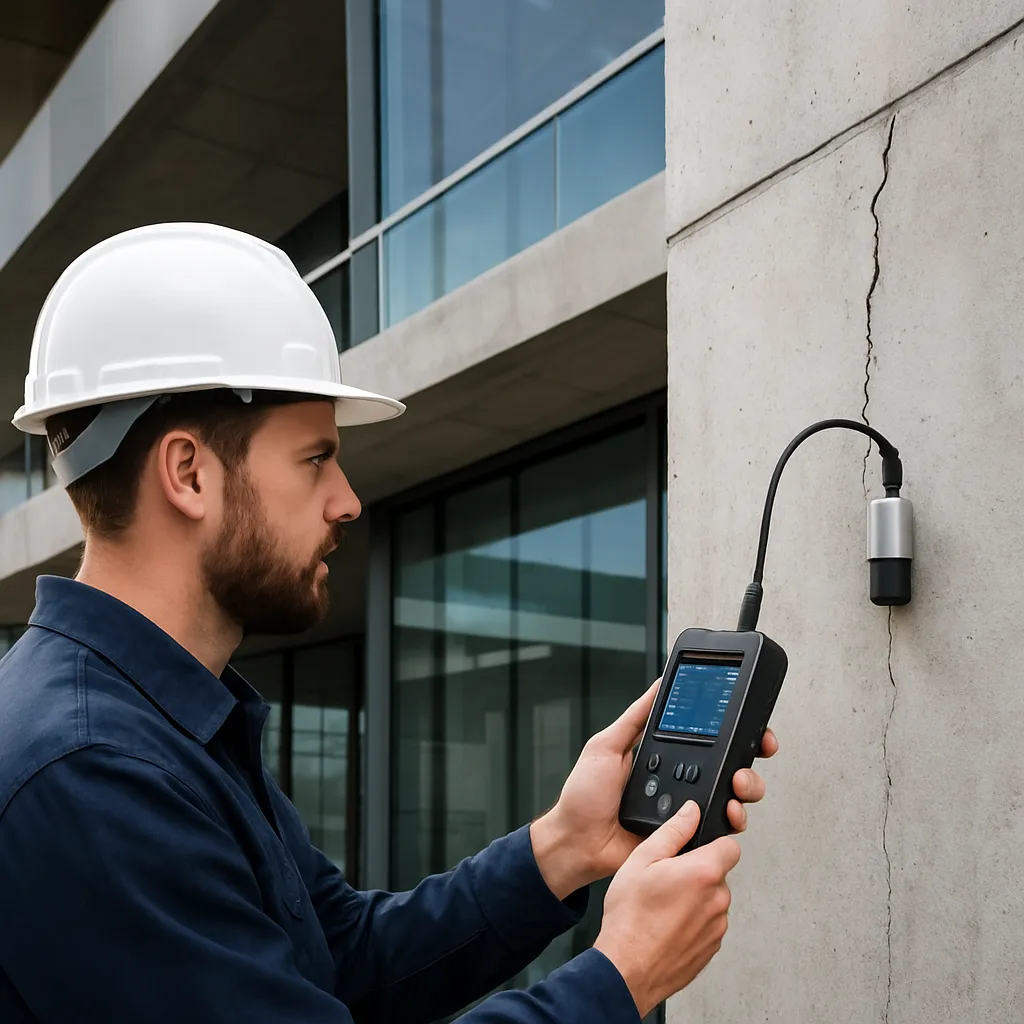
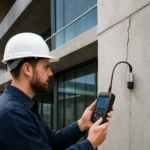
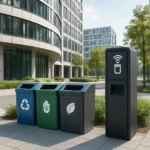
- IoT-enabled sensors: Distributed throughout a structure, they continuously track stress points, moisture ingress, and temperature gradients.
- AI-powered analytics: Machine learning algorithms sift through sensor streams to identify anomalies and trigger preemptive maintenance alerts.
This continuous feedback loop empowers facility managers to react swiftly, preventing minor issues from escalating into catastrophic failures.
Dynamic Energy Management
- Microgrid integration: On-site solar panels, wind turbines, and energy storage systems maintain power independence during grid outages.
- Adaptive HVAC systems: By learning occupant patterns and external conditions, these units modulate ventilation to maintain comfort while conserving energy.
Intelligent buildings thus become self-sufficient sanctuaries capable of operating off-grid during emergencies.
Urban Planning for Future Catastrophes
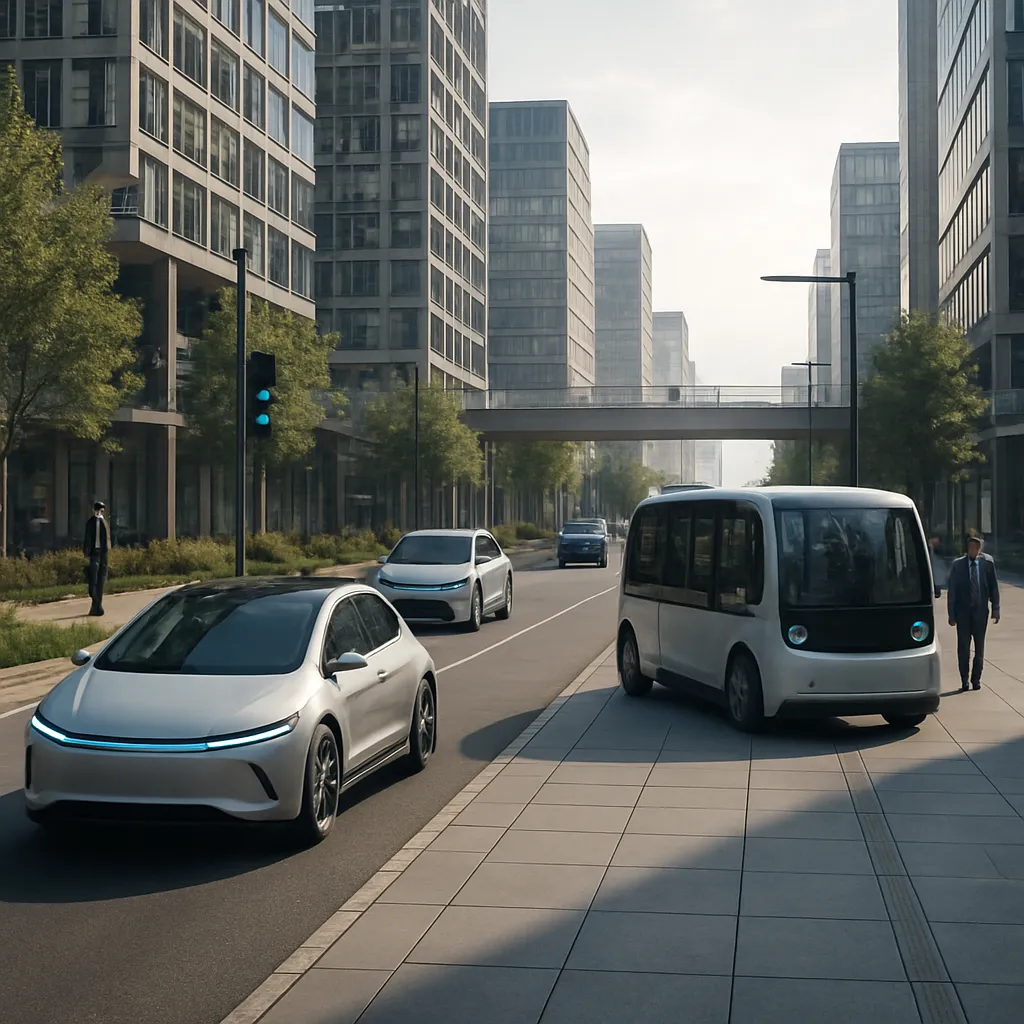
Isolated buildings, no matter how advanced, cannot fully mitigate systemic risks. Holistic urban design must weave disaster-proof principles into cityscapes, ensuring entire communities remain functional amid crises.
Green Buffer Zones and Flood Management
- Constructed wetlands: Engineered marshlands absorb floodwaters, reducing pressure on drainage infrastructure and replenishing groundwater.
- Permeable pavements: Porous surfaces allow rainwater to percolate naturally, averting urban flash floods.
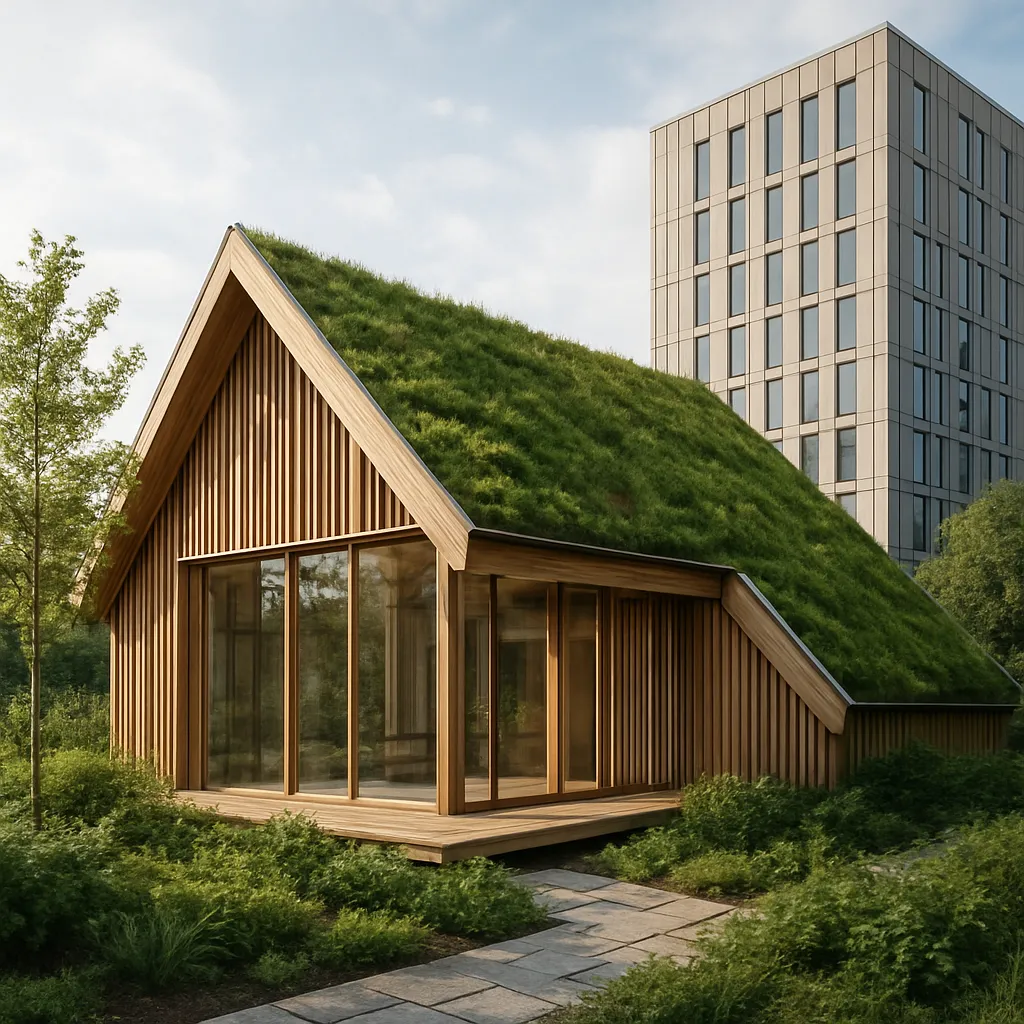
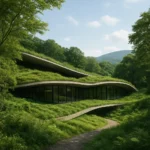
Strategic placement of these features transforms concrete jungles into resilient ecosystems that work in harmony with nature’s hydrological cycles.
Vertical Zoning and Mixed-Use Sky Cities
- Sky bridges and aerial promenades: Elevated walkways connecting high-rise clusters provide evacuation routes above flooded streets.
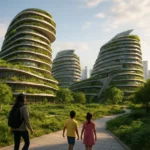
- Multifunctional towers: Integrating residences, healthcare, retail, and greenhouses within the same vertical footprint reduces commute needs and enhances social cohesion during emergencies.
By reshaping urban footprints vertically, cities can house growing populations while preserving ground-level open spaces for emergency staging and environmental restoration.
Pioneering Future Horizons
As humanity ventures deeper into an era marked by climate volatility and escalating urban density, the convergence of technology, material science, and ecological wisdom becomes imperative. Architects and planners must champion forecasting models to anticipate emerging threats, while engineers devise ever-more-robust systems that blend aesthetics with fortitude. Through an unwavering commitment to mitigation, multidisciplinary collaboration, and relentless experimentation, our built environment can evolve from passive shelters into active guardians—safeguarding lives and nurturing a more sustainable coexistence with the planet.