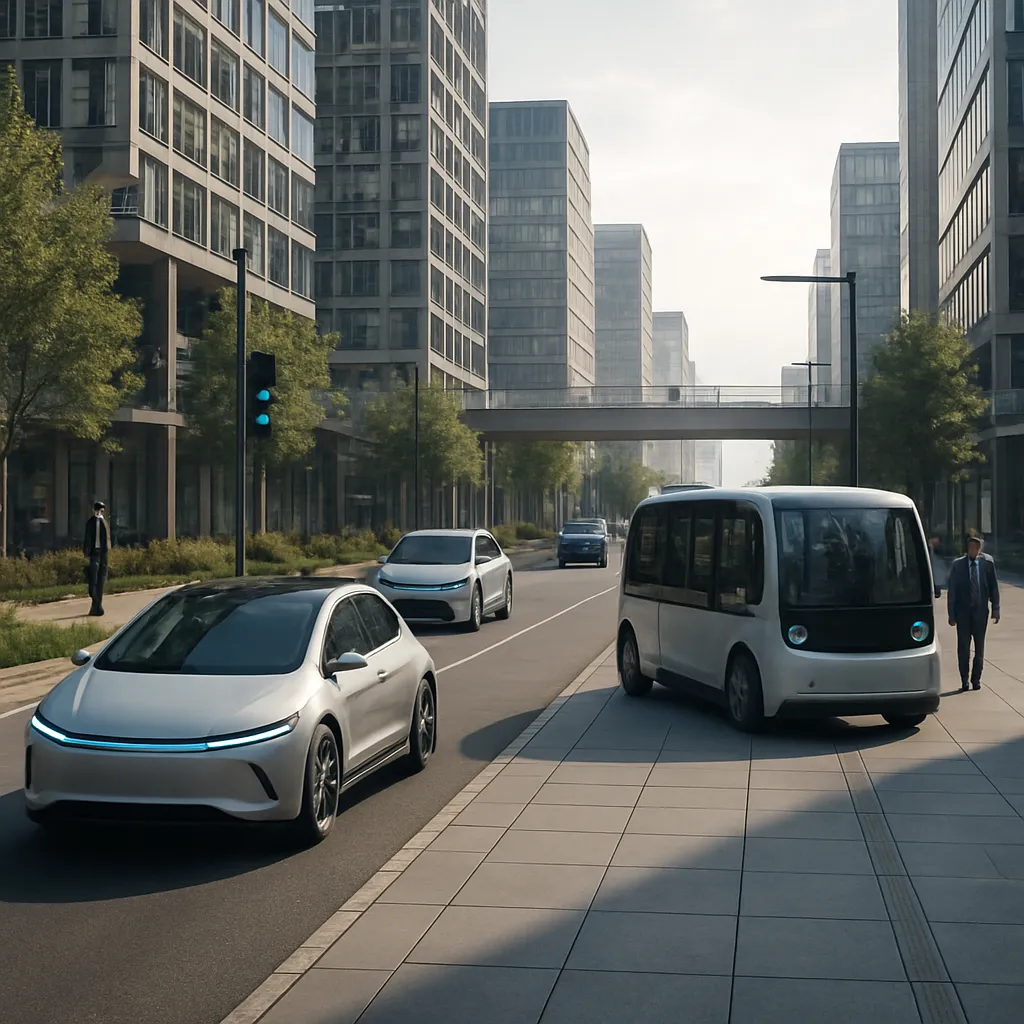





As humanity charts new horizons in urban development, the dialogue between cutting-edge design and emotional awareness grows ever more profound. Futuristic architecture no longer prioritizes mere aesthetics or structural audacity; it integrates an empathetic understanding of human needs and responses. This synergy reshapes how we inhabit, move, and feel within tomorrow’s spaces.
The Convergence of Architecture and Emotional Intelligence
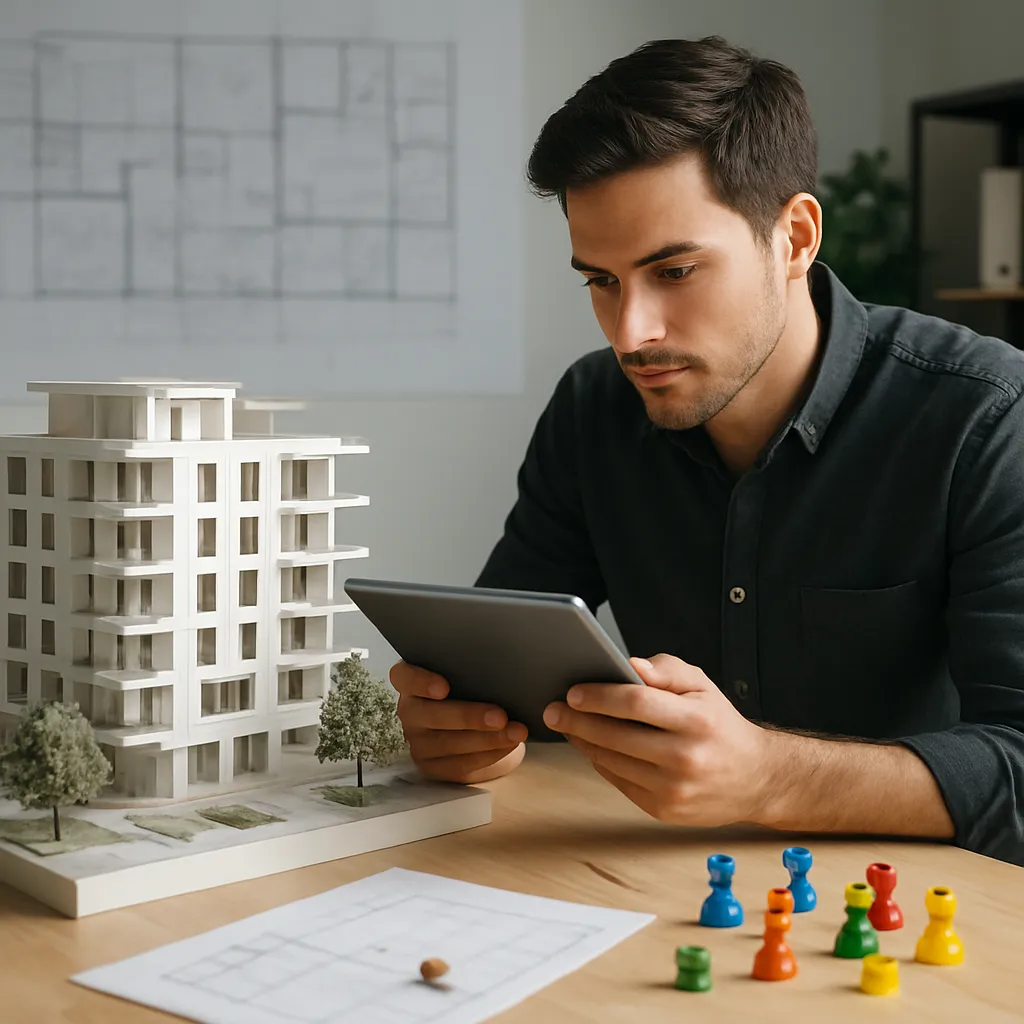
Architects of the future recognize that buildings are not inert objects but living systems that interact dynamically with their occupants. Emotional intelligence—traditionally reserved for interpersonal communication—now informs spatial planning and material selection. By embedding empathy into the design process, architects can anticipate stress triggers, optimize natural light for mood elevation, and foster connections between inhabitants.
Key principles driving this convergence include:
- Human-centric planning: Prioritizing user comfort and psychological well-being over purely functional requirements.
- Interactivity: Incorporating responsive surfaces and interfaces that adapt to emotional cues.
- Emotional Landscape: Designing zones dedicated to reflection, creativity, or social engagement based on mood mapping.
Designing Human-Centric Futuristic Spaces
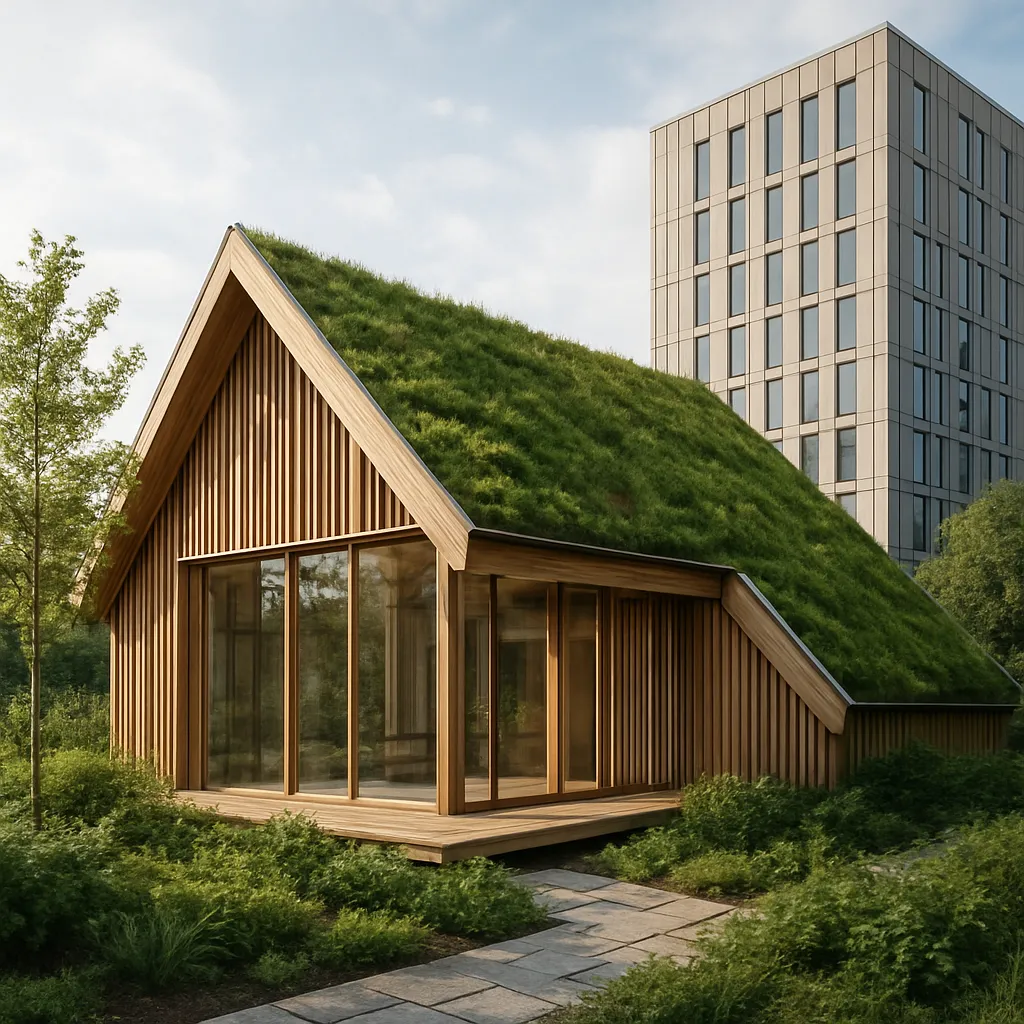
Gone are the days when skyscrapers were merely feats of engineering daring. Today’s visionary projects are guided by an unwavering focus on occupant experience. Architects deploy biophilic design, integrating greenery and water features that soothe the senses, while smart materials regulate acoustics and thermal conditions in real time.
Consider multi-sensory lobbies that shift lighting color temperatures to match circadian rhythms or coworking pods that detect rising stress levels and introduce organic sounds. These innovations derive from collaborations between neuroscientists, psychologists, and designers, ensuring every surface, sound, or scent contributes to a balanced emotional state.
Adaptive Technologies and Biomimicry in Built Environments
Drawing inspiration from nature’s resilience, futurists adopt biomimicry to create structures that self-heal, purify air, and adjust form according to external conditions. Imagine façades that mimic tree canopies, opening and closing elements to optimize sunlight and airflow. When storms gather, lightweight frames flex like reeds, dissipating energy without damage.
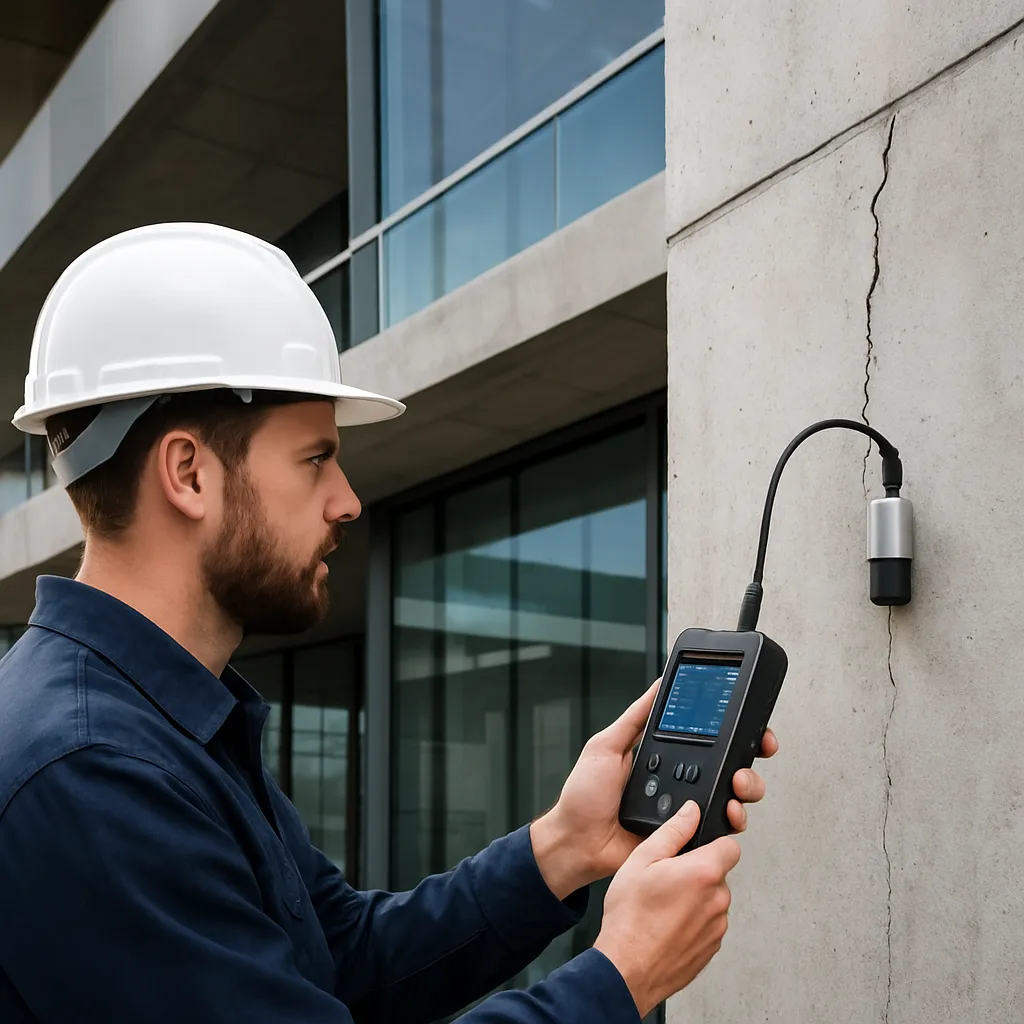
Adaptive technologies also manifest in a building’s capacity to learn from its residents. Embedded sensors collect anonymous data on movement patterns, temperature preferences, and vocal intensity. Algorithms then fine-tune environmental parameters to maintain comfort and minimize energy consumption, forging a union of innovation and environmental stewardship.
The Role of AI and Data in Shaping Emotional Resonance
Artificial intelligence has become the invisible collaborator in futuristic design. Machine learning models analyze vast repositories of architectural successes and failures, extracting patterns that inform space layouts conducive to well-being. Predictive analytics forecast how communities will evolve, enabling scalable solutions that retain human warmth even at city-wide scales.
These systems facilitate personalized experiences: upon entering a communal workspace, lighting schemes adjust to individual preferences; background compositions evolve as teams shift from brainstorming to focused tasks. Privacy and ethical considerations guide data governance, ensuring that emotional insights enhance autonomy rather than undermine it.
Cultural and Social Dimensions of Future Habitats
Futuristic architecture transcends geographical barriers by embracing cultural narratives and fostering social cohesion. Through modular design, spaces can reconfigure for rituals, festivals, or spontaneous gatherings, reflecting the diverse tapestry of human expression. Public plazas, encircled by fluid, organic forms, become canvases for digital art and interactive storytelling.
Inclusivity remains at the core of this evolution. Accessible design features—ramp systems that double as sculptural seating, tactile wayfinding walls, and soundscapes catering to neurodiverse populations—demonstrate a commitment to cosmic-scale empathy. By integrating community feedback loops, architects ensure each structure resonates with local identities while anticipating global shifts.
Emerging Challenges and Ethical Imperatives
As architecture strides into uncharted territories, practitioners must grapple with ethical questions surrounding surveillance, data ownership, and potential emotional manipulation. Transparent governance models and participatory design platforms empower citizens to shape their environments, safeguarding trust in an era dominated by invisible algorithms.
Moreover, the quest for hyper-connected living raises sustainability concerns. Futuristic developments must offset their energy footprints through regenerative practices: vertical farms, rainwater harvesting façades, and solar-harvesting skins. By coupling sustainability with emotional intelligence, architects champion resilience and responsibility.
Visionary Projects Pointing the Way Forward
Several pioneering endeavors exemplify the marriage of futuristic aesthetics and emotional acuity:
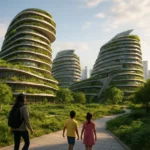
- The SkyForest towers, featuring living walls that adapt humidity and aroma profiles to uplift residents.
- Interactive pavilions where floor tiles emit gentle pulses, guiding visitors through immersive narratives.
- Urban pods crafted from recycled polymers, offering personalized retreat zones in bustling city centers.
These ventures illustrate a commitment to forging spaces that feel alive, intuitive, and compassionate—an architectural ethos grounded in the seamless fusion of technology and humanity.