




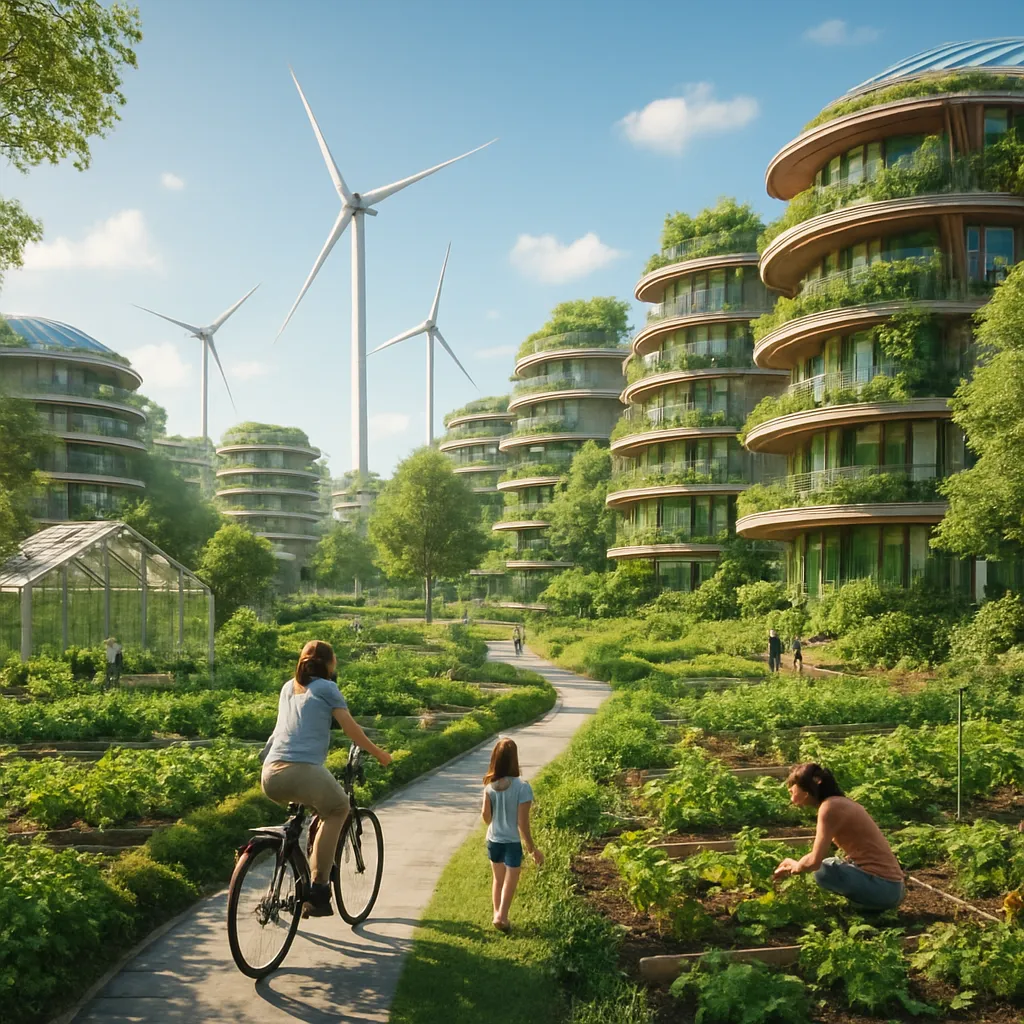
The pursuit of self-sufficient living is redefining urban design, blending cutting-edge technology with ecological awareness. Self-sufficient neighborhoods push the boundaries of what a city can achieve by merging sustainable practices, renewable energy sources, and a deep respect for natural systems. These communities leverage innovation in architecture, infrastructure, and social planning to create dynamic environments where residents thrive in harmony with the planet. From vertical farms and integrated water recycling to autonomous mobility networks, the blueprint for tomorrow’s neighborhoods is emerging today.
Conceptual Foundations of Futuristic Neighborhoods
Innovative Frameworks
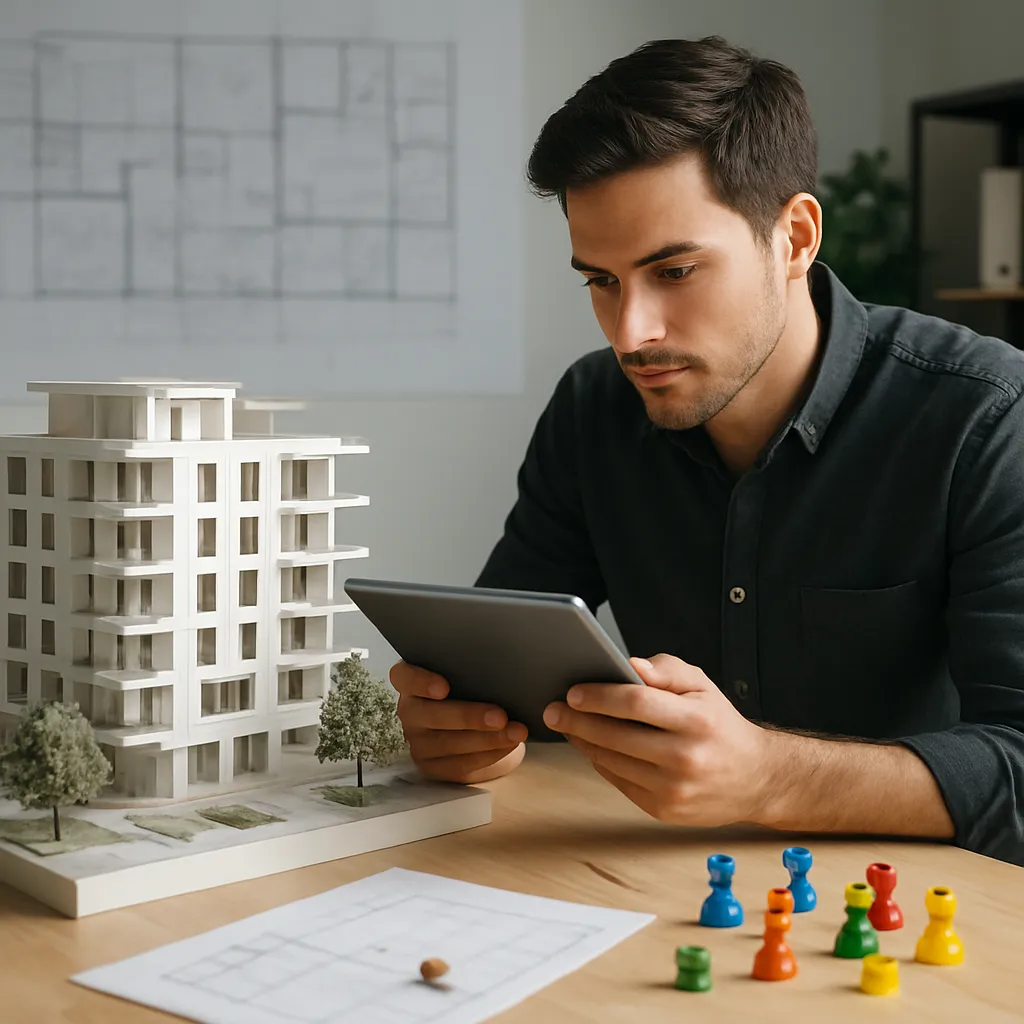
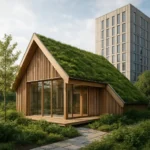
At the heart of any forward-thinking neighborhood lies a framework that prioritizes flexibility and adaptability. Architects and planners draw upon modular design principles to assemble environments that can expand or contract according to changing needs. The modular approach not only accelerates construction but also facilitates upgrades, retrofits, and seamless integration of new technologies. By deploying standardized components—from prefabricated housing units to plug-and-play energy modules—developers keep costs in check while maintaining high levels of customization.
These neighborhoods serve as living laboratories for social experimentation, where public spaces morph based on usage patterns and seasonal demands. Rooftop parks, transformable plazas, and dynamic façades respond to weather conditions, optimizing comfort and resource usage. Through this lens, futurism is not about flamboyant form alone; it’s about creating a resilient blueprint that can evolve with demographic shifts and environmental pressures.
Principles of Self-Sufficiency
True self-sufficiency extends beyond off-grid aspirations—it embodies a holistic cycle of production and consumption, merging human activity with ecological cycles. Key principles include:
- Closed-loop resource management, which treats waste as a feedstock for new processes.
- Localized energy generation, harnessing solar, wind, and bioenergy to maintain an independent grid.
- Integrated food systems, such as hydroponic and aquaponic farms embedded within residential complexes.
- Water conservation and recycling through greywater treatment and rainwater catchment systems.
By championing these pillars, neighborhoods reduce reliance on external supply chains and mitigate the environmental footprint of urban living. The result is a circular ecosystem where residents not only consume resources but actively contribute to their regeneration, fostering a strong sense of ownership and stewardship.
Technological Pillars Shaping Tomorrow’s Architecture
Modular Construction
Prefabrication and modular assembly have revolutionized construction timelines, slashing waste and enhancing precision. In futuristic neighborhoods, entire building wings are crafted in factories under controlled conditions, then transported and clicked together on-site. This method minimizes disruptions, reduces on-site labor, and ensures high-quality finishes. Furthermore, modular units can be reconfigured over time to meet shifting demands—whether it’s adding a vertical greenhouse bay or expanding living quarters.
Advancements in lightweight composites and 3D-printed materials further accelerate development. Architects employ additive manufacturing to produce complex structural elements with minimal material usage. These components often incorporate embedded channels for wiring, insulation, and ventilation, streamlining the integration of building systems.
Smart Infrastructure and AI integration
Underpinning the self-sufficient neighborhood is a digital nervous system powered by Internet of Things (IoT) sensors, edge computing, and artificial intelligence. Every building, streetlight, and energy node communicates real-time data to a central platform, optimizing resource flows. Smart grids balance energy generation with consumption, dispatching stored power from battery banks during peak demand and rerouting excess to adjacent districts.
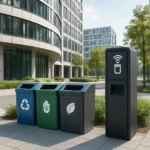
AI-driven analytics predict usage patterns, enabling preemptive maintenance and adaptive climate control. Street surfaces embedded with piezoelectric materials harvest kinetic energy from pedestrian traffic, complementing solar arrays. Waste management evolves into resource recovery as AI-enabled sorting robots separate recyclables and organics at source, guaranteeing near-zero landfill contributions.
Environmental and Social Dimensions
Biophilic Design and Green Spaces
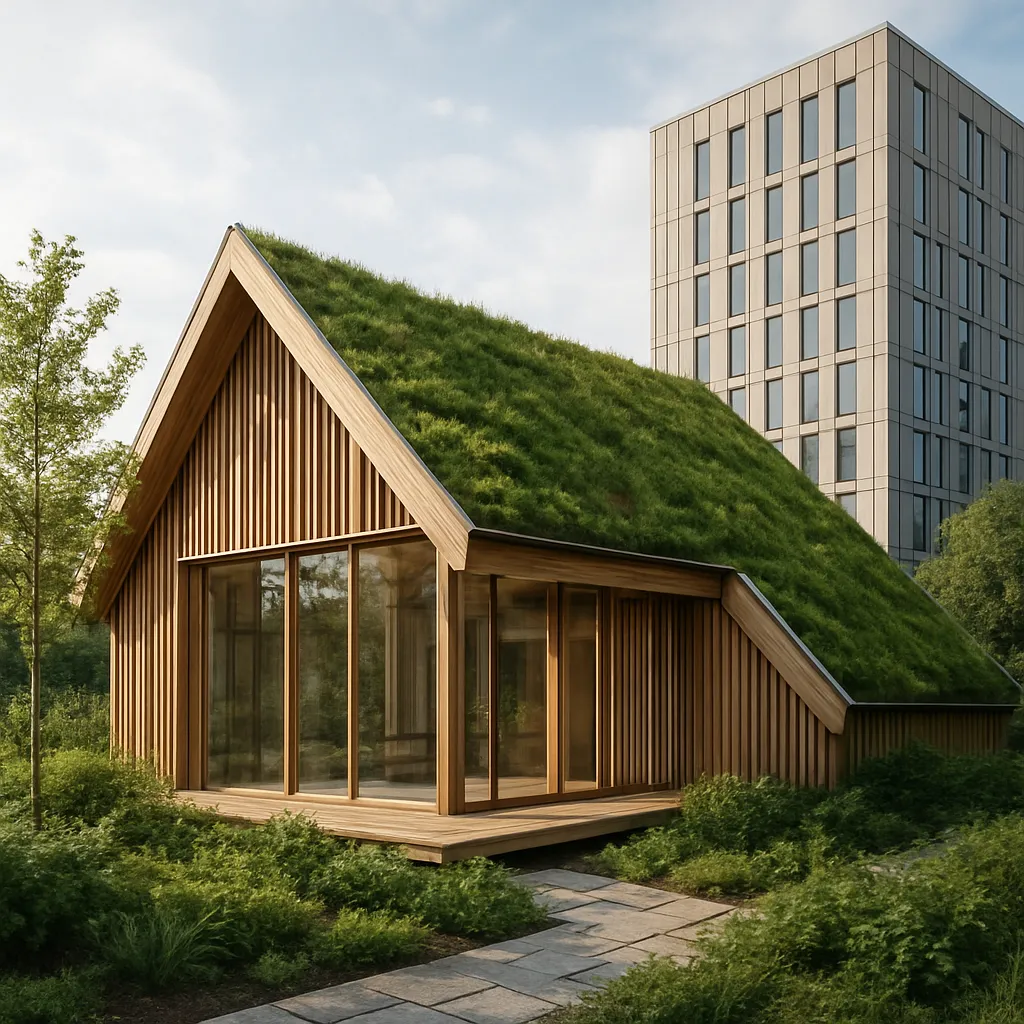
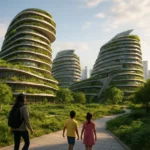
Integrating nature within dense urban environments is paramount for physical well-being and psychological health. Biophilic design injects living elements—green walls, rooftop orchards, and water features—directly into the built fabric. Residents enjoy cleaner air, reduced noise pollution, and natural temperature modulation. Moreover, biodiversity corridors link pocket parks and community gardens, inviting pollinators and reinforcing local ecosystems.
Vertical farming towers provide fresh produce year-round, with nutrient-rich mist irrigation and LED lighting tailored to plant needs. These farms reduce food miles dramatically and reconnect residents to the origins of their meals. Educational tours through greenhouse atriums foster environmental literacy and cultivate a culture of mindful consumption.
Community Engagement and resilience
Beyond bricks and mortar, the soul of a neighborhood resides in its people. Futuristic designs embed communal hubs—co-working spaces, maker labs, and communal kitchens—where residents collaborate and share resources. Governance models embrace decentralization, often leveraging blockchain-based platforms to manage voting, budgets, and communal projects transparently.
Programs focused on skill-sharing and mentorship empower citizens to become active participants in neighborhood stewardship. Workshops on urban gardening, renewable energy maintenance, and digital fabrication ensure that knowledge remains democratized. This collective approach bolsters social resilience, enabling communities to adapt swiftly to disruptions such as power outages or supply chain interruptions.
Mobility, Connectivity, and Equitable Access
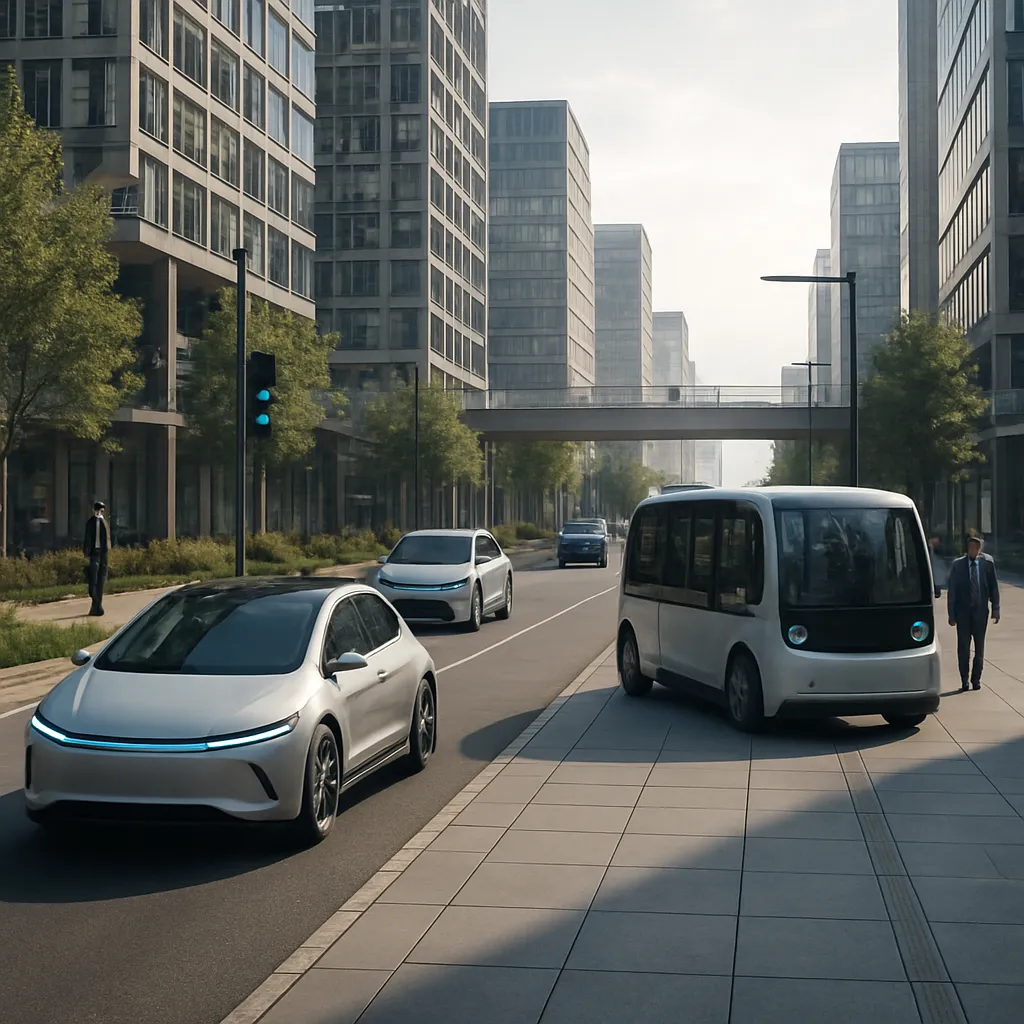
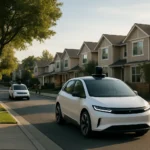
Self-sufficient neighborhoods champion mobility systems that minimize carbon emissions and maximize inclusivity. Autonomous electric shuttles navigate solar-powered streets, linking residents to transit hubs and neighboring districts. Bike-share stations and pedestrian-first planning encourage healthy, zero-emission travel for short distances. Digital platforms coordinate shared vehicles, balancing availability with demand and drastically reducing private car ownership.
High-speed wireless networks blanket every corner, ensuring equitable digital access. Telemedicine pods, remote learning centers, and virtual reality lounges bridge physical distances and connect residents to global information networks. This seamless connectivity underlines the importance of social equity, ensuring that cutting-edge amenities remain accessible to all income levels.
Emerging Frontiers and Outlook
Energy Innovations and Beyond
Next-generation neighborhoods will explore advanced energy carriers such as hydrogen fuel cells and thermochemical storage. Experimental materials like phase-change alloys embedded in building envelopes promise to regulate temperatures passively. These breakthroughs will complement existing solar and wind infrastructures, further fortifying the neighborhood’s energy autonomy.
Scaling the Vision
Transforming isolated prototypes into widespread urban networks requires collaboration among governments, private sectors, and civic organizations. Pilot projects provide invaluable data, guiding policy frameworks that incentivize sustainable development. Financial instruments like green bonds and performance-based leases attract investment, ensuring that the vision of self-sufficient living becomes a mainstream reality.