





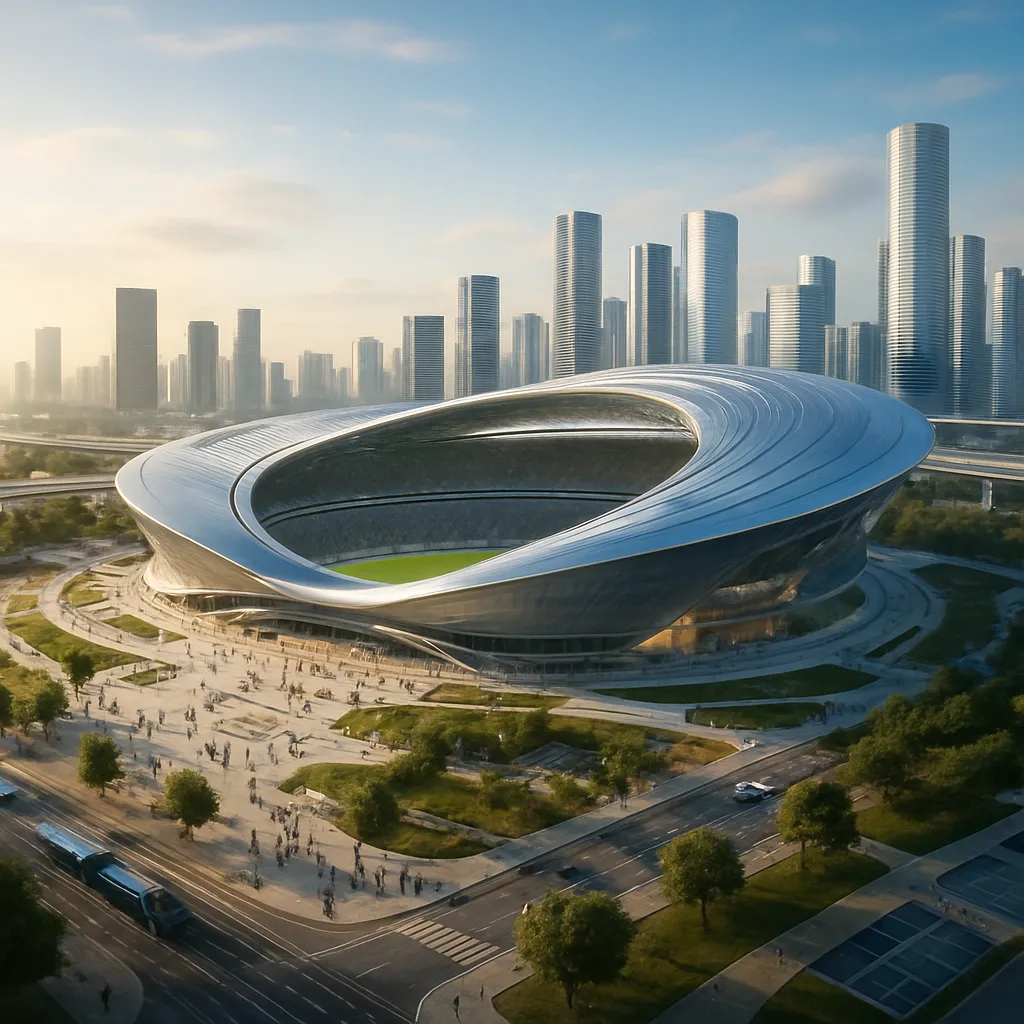
Envisioning the next generation of stadiums means transcending mere spectator venues to become dynamic, adaptable landmarks within the urban fabric. These monumental structures will harness cutting-edge technologies, pioneering materials, and visionary design philosophies to foster unparalleled experiences. As cities evolve into interconnected ecosystems, stadium architecture will serve as a beacon of innovation, sustainability, and cultural identity.
Design Principles of Future Stadiums
Futuristic stadiums will rely on core tenets that redefine the relationship between architecture and its environment. Emphasizing sustainability, flexibility, and community engagement, designers will craft spaces that can morph to suit varied events and seasons.
Adaptive Geometry and Modularity
By leveraging modularity, stadium components—from seating sections to canopy elements—can be reconfigured in real time. This allows for:
- Variable seating capacities accommodating intimate gatherings or massive events
- Retractable roofs that respond to weather data, optimizing climate control
- Expandable concourses that integrate retail, dining, and exhibition pods
Biomimicry and Organic Form
Drawing inspiration from natural systems, architects will employ biomimicry to enhance structural efficiency and aesthetics. Features include:
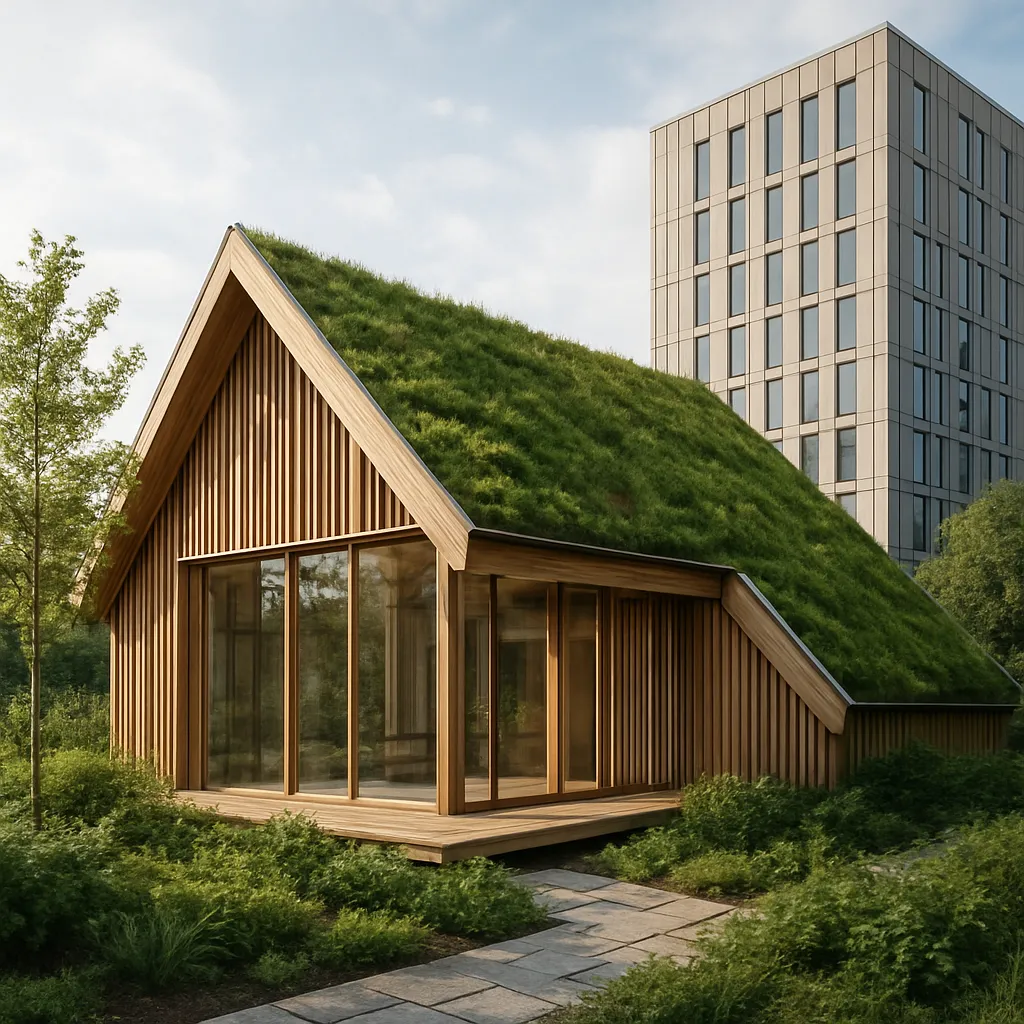
- Ventilation inspired by termite mounds, reducing HVAC demands
- Rainwater harvesting surfaces modeled on lotus leaves
- Self-healing concrete technologies echoing biological regeneration
Integration with Smart City Infrastructure
Smart cities thrive on interconnectivity, and stadiums will become key nodes within this digital grid. Real-time data exchange ensures optimized operations and seamless visitor experiences.
IoT-Enabled Facilities
Every element—from lighting to seating sensors—will be networked to a central management system. Stadium operators can:
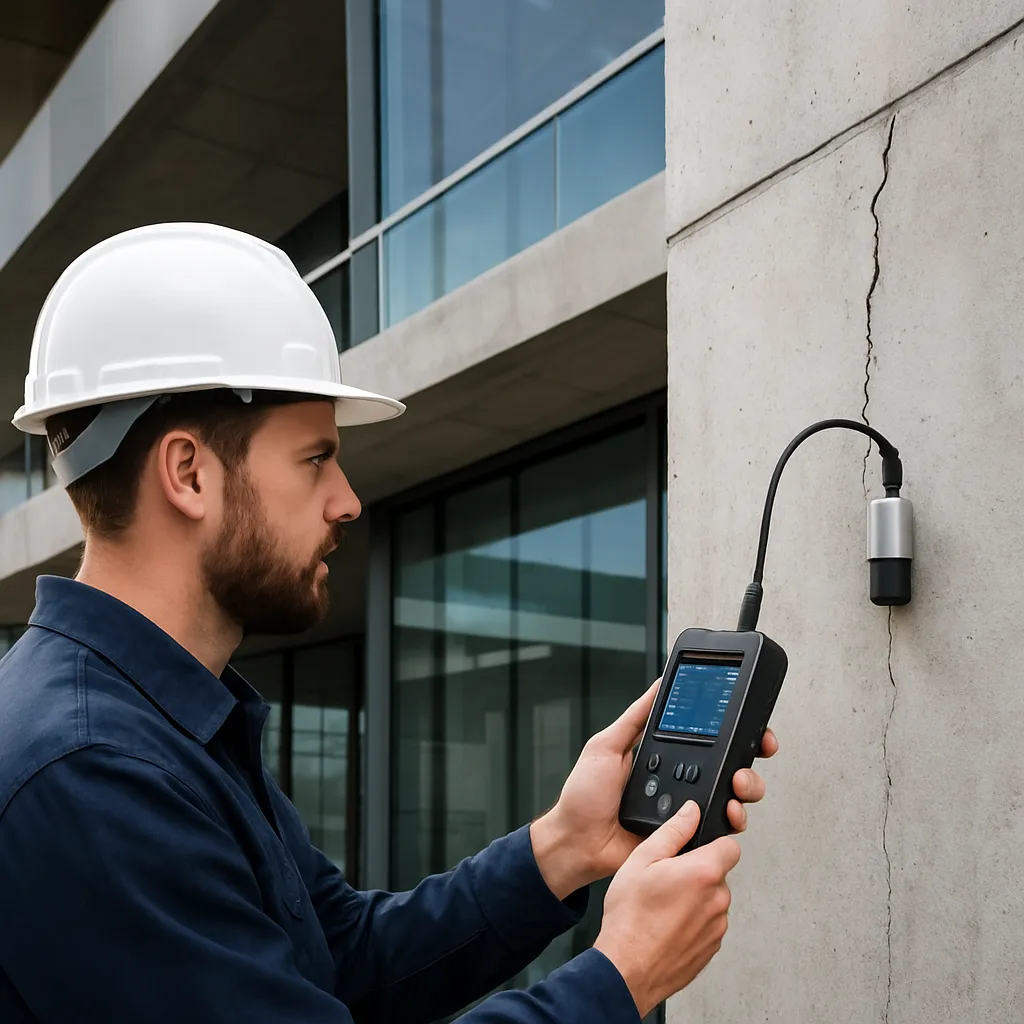
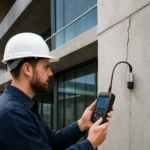
- Monitor structural health through embedded nano-sensors
- Adjust crowd flow by analyzing foot-traffic patterns
- Provide personalized wayfinding via connected apps and in-seat guidance
Renewable Energy Grids
Futuristic stadiums will be self-sustaining energy hubs, featuring:
- Solar photovoltaic skins integrated into façades and roofs
- Onsite microgrids pairing wind turbines and energy storage
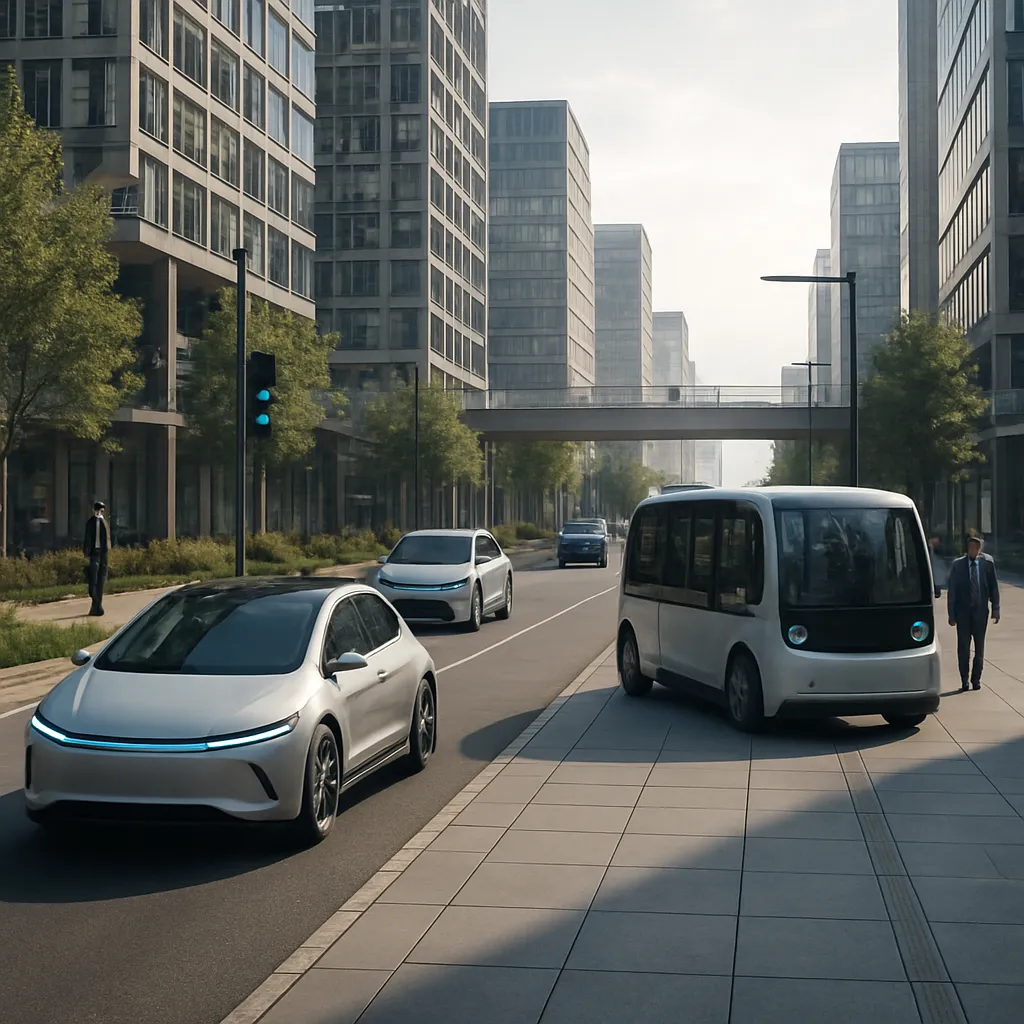
- Vehicle-to-grid charging stations for electric fleets during off-peak hours
Advanced Materials and Construction Technologies
The construction of tomorrow’s stadiums hinges on breakthroughs in nanotechnology and robotics, unlocking new possibilities in durability, efficiency, and form.
3D-Printed Structural Systems
Large-scale additive manufacturing will permit the rapid assembly of intricate components. Benefits include:
- Reduced material waste and shorter build times
- Customizable panels with embedded functionality (sensors, lighting)
- On-site fabrication minimizing supply chain dependencies
AI-Driven Construction Management
Artificial intelligence platforms will oversee the build process, predicting resource needs and preventing delays. Key features:
- Real-time progress tracking with autonomous drones conducting inspections
- Machine-learning models optimizing labor allocation and equipment usage
- Predictive maintenance forecasts extending the lifespan of critical elements
Immersive Experiences and Fan Engagement
Beyond physical structure, future stadiums will deliver immersive events that blur lines between the digital and the real, harnessing augmented realities and advanced broadcasting.
Augmented Viewing and Interaction
Through augmented reality headsets or mobile devices, attendees can access:
- Multi-angle replays overlaid on the live action
- Interactive stats and player bios anchored in 3D space
- Virtual merchandise try-ons and instant mobile ordering
Arena-Wide Haptic Feedback Systems
By integrating tactile technology into seats and flooring, stadiums can:
- Simulate environmental effects such as crowd tremors or game-day celebrations
- Deliver synchronized vibrations that enhance halftime shows or pre-game rituals
- Collaborate with performers to create synchronized sensory spectacles
Resilience and Emergency Response
Future stadium designs will prioritize resilience against natural disasters and large-scale events, ensuring safety without compromising form or function.
Dynamic Structural Reinforcement
Smart materials will adapt to changing loads during storms or seismic events. Innovations include:
- Shape-memory alloys that alter stiffness upon impact
- Self-sealing joints that prevent water ingress during floods
- Distributed sensor networks enabling instant evacuation alerts
Automated Emergency Protocols
Integrated AI systems will coordinate with city-wide emergency services, offering:
- Automated route guidance for first responders via digital overlays
- Drone-based aerial reconnaissance to assess structural integrity
- Real-time crowd management to ensure orderly evacuations
The Role of Drones and Robotics
From construction to matchday operations, drones and robotics will become indispensable allies in stadium ecosystems.
Autonomous Maintenance and Cleaning
Robotic units will patrol seating tiers and expansive façades, providing:
- High-pressure wash systems that adjust in real time to dirt accumulation
- Autonomous repair bots performing minor welding or panel replacements
- AI-driven inspections for wear and tear, minimizing manual labor
Broadcast and Security Surveillance
Drones equipped with multi-spectral cameras will:
- Deliver live overhead footage integrated directly into broadcast feeds
- Conduct discreet security sweeps, identifying potential risks
- Coordinate with ground-based robots to ensure perimeter integrity